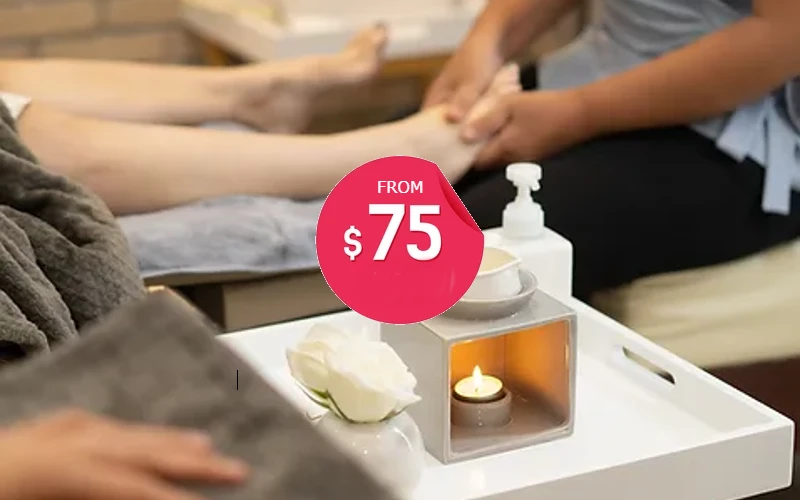
Reflexology prices in Auckland typically range from NZD $50 for a 30-minute session to NZD $120 for a 60-minute session, with costs influenced by factors such as practitioner experience, clinic location, and session duration. Understanding these variables is key to finding a service that aligns with both your budget and wellness goals, ensuring you receive optimal value from this therapeutic practice.
Understanding Reflexology Costs in Auckland
Reflexology, an ancient healing art focusing on pressure points on the feet, hands, and ears, offers profound relaxation and therapeutic benefits. For residents and visitors in Auckland seeking this holistic treatment, understanding the pricing landscape is crucial for making informed decisions. The cost of a reflexology session isn’t uniform across the city; it’s a dynamic figure shaped by a myriad of considerations, from the practitioner’s expertise to the location of the clinic. This comprehensive guide aims to demystify reflexology prices in Auckland, helping you navigate the market and appreciate the underlying value of investing in your well-being.
Auckland’s vibrant wellness scene means a diverse range of reflexology providers, each with their unique pricing structure. From independent therapists operating from home studios to luxurious day spas in the city centre, the options are plentiful. This diversity, while beneficial for consumer choice, can also lead to confusion regarding what constitutes a fair price. Our exploration will delve into the specifics, providing clear benchmarks and insights into how different elements contribute to the final cost, ultimately empowering you to choose a reflexology experience that perfectly suits your needs and budget.
Average Pricing for Reflexology Sessions in Auckland
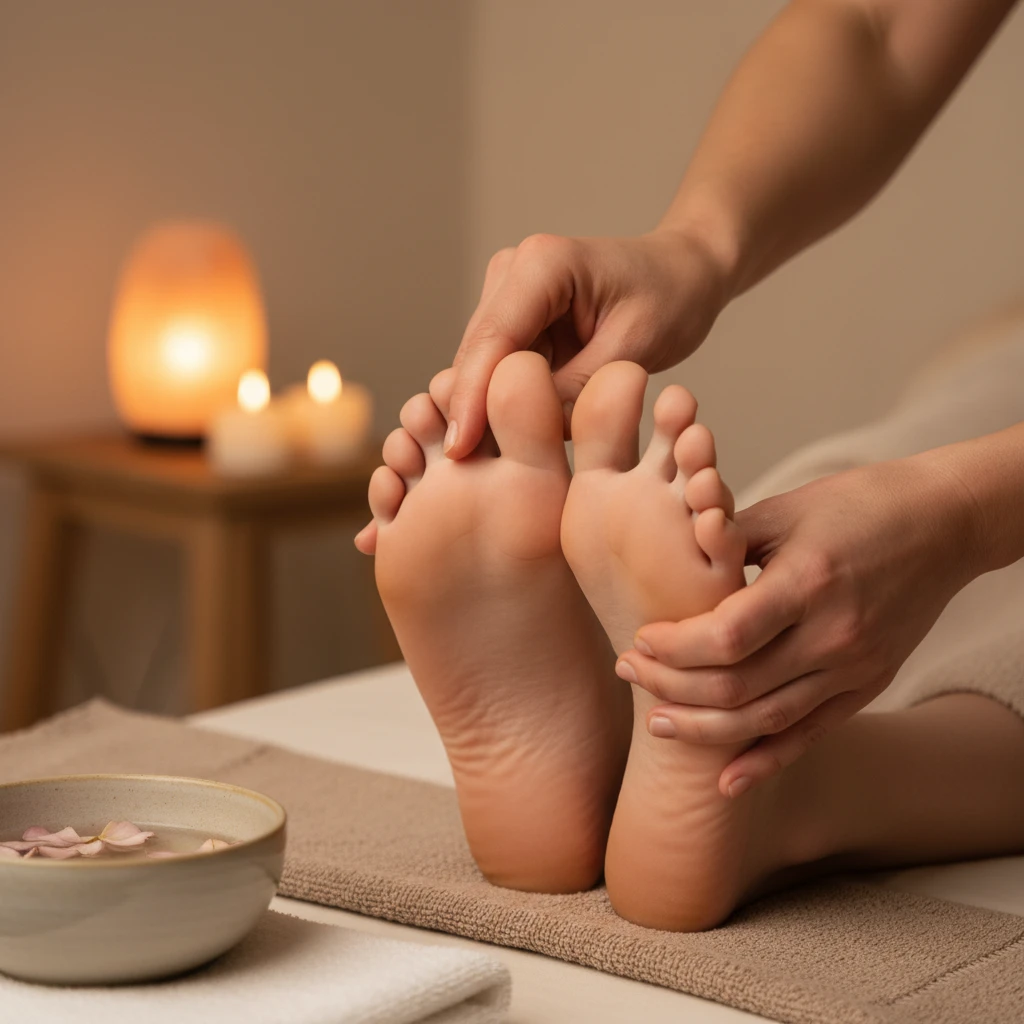
When considering reflexology in Auckland, the average cost can vary significantly depending on the session’s duration. Typically, practitioners offer various lengths to cater to different needs and budgets. A common breakdown includes 30-minute, 45-minute, and 60-minute sessions, with some clinics also providing extended 75 or 90-minute options for a more comprehensive experience.
Typical Price Ranges by Session Length:
- 30-Minute Sessions: Often considered an ‘express’ treatment or a taster session, these are great for a quick pick-me-up or focused work on a specific area. Prices for a 30-minute session generally range from NZD $50 to $75. They are ideal for individuals with limited time or those new to reflexology who wish to experience its benefits without a significant time commitment.
- 45-Minute Sessions: This duration strikes a balance between a quick session and a full treatment, allowing for more comprehensive work on the feet or hands while still being efficient. You can expect to pay between NZD $70 and $95 for a 45-minute session. Many find this length sufficient for addressing general wellness and relaxation.
- 60-Minute Sessions: The most common and recommended duration for a full therapeutic reflexology treatment. A 60-minute session allows the practitioner ample time to work systematically through all reflex points, providing deep relaxation and addressing various health concerns. Prices typically range from NZD $85 to $120. This length is highly recommended for first-time clients and for those seeking profound therapeutic effects.
- 75-90 Minute Sessions: For those seeking an exceptionally thorough and extended treatment, some practitioners offer longer sessions. These might include additional modalities or extended focus on specific areas. Expect to pay NZD $110 to $150+ for these premium sessions, often found in high-end spas or with highly specialised therapists.
It’s important to note that these are average ranges. Boutique clinics, luxury spas, or highly specialised practitioners might be at the higher end of these scales, while independent, home-based therapists might offer slightly more competitive pricing. Always verify the current pricing directly with your chosen practitioner or clinic.
Factors Influencing Reflexology Cost in Auckland
The price of a reflexology session in Auckland is not simply a reflection of the time spent on the treatment table. Several critical factors contribute to the final cost, each playing a role in determining the value and level of service you receive. Understanding these elements can help you discern why one practitioner might charge more than another and make an informed choice that aligns with your expectations.
Practitioner Experience and Qualifications
One of the most significant determinants of cost is the practitioner’s level of experience and their professional qualifications. Highly seasoned reflexologists with extensive training, specialised certifications (e.g., maternity reflexology, lymphatic drainage reflexology), and a proven track record of client satisfaction often command higher fees. Their expertise means they can offer more nuanced treatments, identify specific pressure points more accurately, and provide tailored advice for ongoing wellness. Certification from reputable bodies, such as Reflexology New Zealand, ensures a high standard of education and ethical practice, which naturally adds to their professional value. Engaging with a practitioner who is continuously updating their skills and knowledge ensures you are receiving the most current and effective techniques.
Clinic Location and Overhead Costs
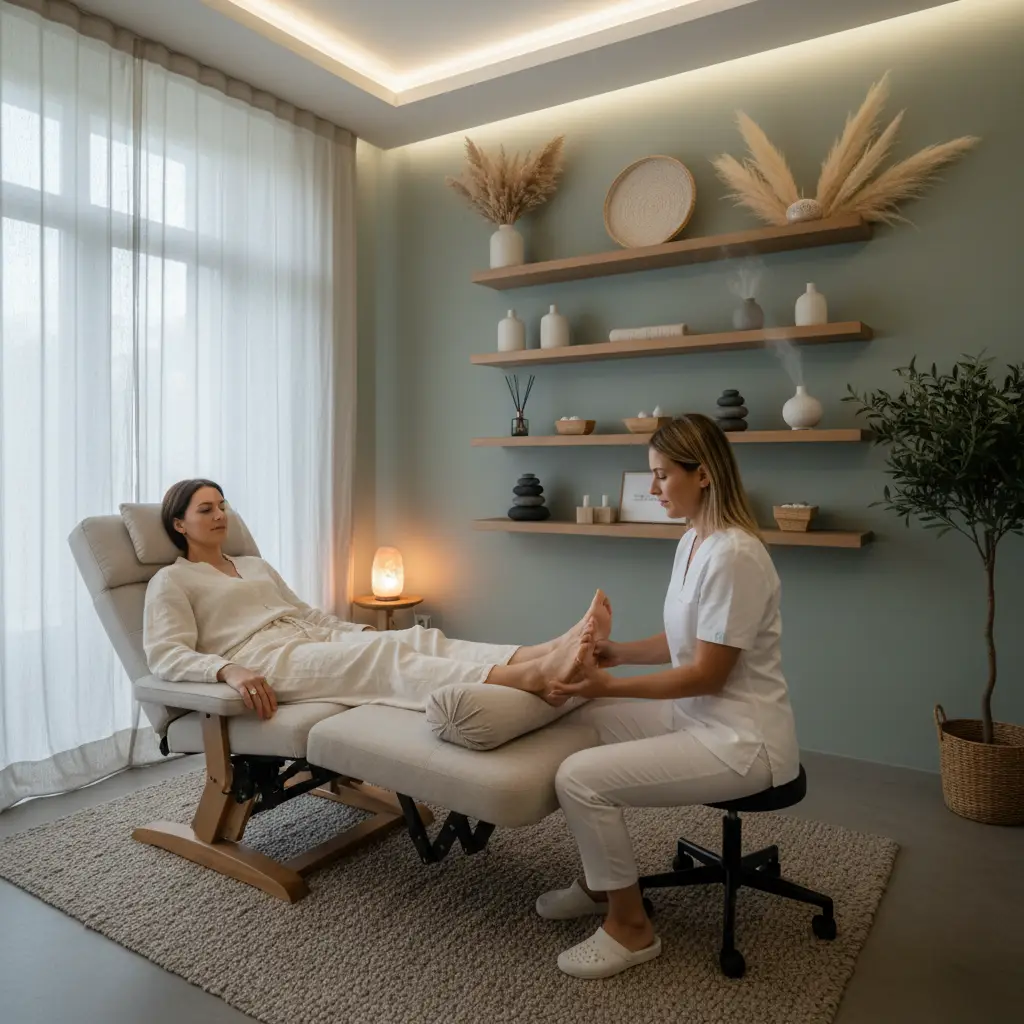
Where a reflexology clinic is located in Auckland directly impacts its operating costs, which are then reflected in session prices. Clinics situated in prime central business district (CBD) locations, affluent suburbs like Parnell or Ponsonby, or within high-end health and wellness centres typically have higher rent, utility, and staffing costs. These overheads necessitate higher prices to maintain profitability. Conversely, practitioners operating from home-based studios or in suburban areas with lower commercial rents might offer more competitive rates. The ambiance, facilities, and level of service (e.g., complimentary herbal tea, luxury towels) offered by a clinic also play a role, contributing to a more premium experience and, consequently, a higher price point.
Specialisation and Additional Modalities
Some reflexologists offer specialised treatments that require additional training and expertise, such as hot stone reflexology, aromatherapy integration, or specific protocols for stress reduction or fertility support. These specialised services often come with a higher price tag due to the added value and expertise involved. When a practitioner incorporates other healing modalities or uses premium products (e.g., organic essential oils, therapeutic balms), this can also influence the overall cost. For example, a session combining traditional reflexology with a short lymphatic drainage technique might be priced higher than a standard session.
Package Deals, Memberships, and Special Offers
For those committed to incorporating reflexology into their regular wellness routine, many Auckland practitioners and clinics offer various options designed to make ongoing treatments more affordable. These include package deals, membership programs, and special promotions, which can significantly reduce the per-session cost and enhance overall value.
Package Deals and Bulk Bookings
One of the most common ways to save on reflexology is by purchasing multiple sessions upfront as a package. Clinics often provide discounts for booking 3, 5, or 10 sessions at once. For example, a single 60-minute session might cost NZD $95, but a package of five sessions could be offered for NZD $425 (NZD $85 per session), representing a substantial saving. These packages are ideal for individuals addressing chronic conditions, recovering from injury, or simply committed to consistent self-care. It’s an incentive for clients to maintain regularity, which is often key to experiencing the full benefits of reflexology.
Membership Programs
Some larger wellness centres or dedicated reflexology clinics in Auckland might offer membership programs. These typically involve a recurring monthly fee that grants members access to one or more reflexology sessions per month at a reduced rate. Memberships might also include additional perks like priority booking, discounts on other services, or exclusive access to workshops. While requiring a longer-term commitment, memberships can be incredibly cost-effective for dedicated clients who value predictable pricing and guaranteed regular appointments. Always read the terms and conditions carefully to understand cancellation policies and any restrictions.
First-Time Client Offers and Promotions
To attract new clients, many reflexologists offer introductory deals. These can range from a discounted first session to a complimentary consultation or a special package for new clients. For instance, a clinic might offer your first 60-minute session for NZD $75 instead of the standard $95. It’s an excellent opportunity to try out a practitioner’s style and the clinic’s environment without paying the full price. Keep an eye on local wellness directories, clinic websites, and social media for these promotions. Seasonal discounts, holiday specials, or referral programs are also common, providing additional avenues for savings.
Evaluating the Long-Term Value of Regular Reflexology
While the immediate cost of a reflexology session is an important consideration, it’s equally vital to assess its long-term value. Viewing reflexology as an investment in your health and well-being, rather than a mere expenditure, changes the perspective entirely. Regular sessions offer cumulative benefits that can contribute significantly to a better quality of life, potentially reducing the need for other, more expensive interventions in the future.
Beyond Immediate Relaxation: Holistic Health Benefits
Reflexology is renowned for its ability to induce deep relaxation and reduce stress. However, its benefits extend far beyond immediate calm. Consistent sessions can lead to improved circulation, enhanced detoxification, better sleep patterns, and a strengthened immune system. For individuals managing chronic pain, digestive issues, or hormonal imbalances, regular reflexology can offer symptomatic relief and support the body’s natural healing processes. The cumulative effect of these benefits contributes to overall vitality and resilience, making it a proactive approach to health maintenance.
Potential for Reduced Healthcare Costs
Investing in preventive and complementary therapies like reflexology can, in the long run, potentially lead to reduced reliance on conventional medical interventions for stress-related conditions, minor aches, and general malaise. By supporting the body’s natural equilibrium, reflexology may help in preventing conditions from escalating or mitigating their severity. For instance, managing stress through reflexology might reduce instances of tension headaches or stress-induced digestive issues, leading to fewer doctor visits or prescriptions. While not a substitute for medical advice or treatment, it serves as a powerful complementary tool in a holistic health strategy. The New Zealand Ministry of Health acknowledges the role of complementary therapies in overall well-being, indicating a growing recognition of their value. You can find more information about health and wellness resources in New Zealand on the official Ministry of Health website.
Enhanced Quality of Life and Productivity
The improvements in physical comfort, mental clarity, and emotional balance fostered by regular reflexology can significantly enhance your daily life. Better sleep means more energy and focus throughout the day, translating to increased productivity at work and greater enjoyment of personal activities. Reduced stress levels can improve relationships and foster a more positive outlook. This elevated state of well-being is an intangible asset that far outweighs the monetary cost of sessions. The investment in reflexology is an investment in your personal capacity to thrive, a concept that cannot be quantified in dollars alone but is profoundly felt in the lived experience.
Choosing the Right Reflexologist: Value Over Just Price
While price is an undeniable factor in selecting a reflexologist in Auckland, it should not be the sole determinant. Focusing purely on the cheapest option might lead to disappointment if the practitioner lacks the necessary skills, experience, or understanding of your specific needs. The true value of a reflexology session lies in the practitioner’s ability to deliver a therapeutic and beneficial experience. Here’s what to consider when making your choice:
Assessing Practitioner Credentials and Reputation
Prioritise practitioners who are qualified and ideally registered with professional bodies such as Reflexology New Zealand. Membership often indicates adherence to a code of ethics and ongoing professional development. Look for testimonials, online reviews, and word-of-mouth recommendations. A practitioner with a strong reputation for efficacy and client care is likely to offer a more valuable experience, even if their prices are slightly higher. Don’t hesitate to ask about their training, specialisations, and experience during an initial inquiry.
Comfort, Connection, and Communication
The therapeutic relationship with your reflexologist is paramount. You should feel comfortable, respected, and heard. A good practitioner will take time to understand your health history, current concerns, and wellness goals. They should be able to explain the treatment process clearly, answer your questions, and provide aftercare advice. A strong sense of connection and open communication can significantly enhance the effectiveness of the treatment, making the investment worthwhile. For deeper insights into reflexology and its global practice, consider exploring resources from the Wikipedia page on Reflexology.
Clinic Environment and Ambiance
The environment in which you receive your reflexology treatment contributes to the overall experience. A clean, tranquil, and comfortable setting can greatly enhance relaxation and therapeutic benefit. Consider whether the clinic provides a peaceful escape from the bustling city, allowing you to fully unwind. While luxurious surroundings might come with a higher price tag, even a simple, well-maintained home studio can offer a profoundly calming atmosphere if the practitioner has paid attention to creating a soothing space.
Ultimately, choosing the right reflexologist involves balancing cost with quality, expertise, and a personal connection. A slightly higher price for an experienced, reputable practitioner in a conducive environment can often represent far better value in terms of results and satisfaction than opting for the cheapest available option.
Conclusion: Investing in Your Well-being
Navigating the cost of reflexology in Auckland reveals a diverse market, with prices varying based on session duration, practitioner expertise, clinic location, and included services. From an average of NZD $50 for a brief 30-minute session to NZD $120 or more for a comprehensive 60-minute treatment, options exist to suit various budgets and needs. However, the true measure of a reflexology session extends beyond its immediate price tag.
By exploring package deals, membership programs, and introductory offers, clients can often access high-quality treatments at a more affordable per-session rate, fostering consistency crucial for optimal benefits. Ultimately, viewing reflexology as a strategic investment in long-term health and well-being provides the most accurate perspective. The cumulative benefits—reduced stress, improved circulation, better sleep, and enhanced overall vitality—contribute to a higher quality of life and may even lead to reduced healthcare costs in the future. Choosing a qualified, reputable practitioner who aligns with your personal needs ensures that every dollar spent is an investment in your most valuable asset: your health.
People Also Ask
Is reflexology covered by health insurance in Auckland?
Coverage for reflexology by health insurance in Auckland varies significantly between providers and specific policies. Some private health insurance plans may offer partial reimbursement for complementary therapies, including reflexology, especially if performed by a registered practitioner. It is essential to check directly with your insurance provider regarding your specific policy’s terms and conditions.
How often should I get reflexology in Auckland for best results?
The ideal frequency for reflexology sessions depends on your individual health goals and condition. For acute issues or initial treatment, weekly sessions may be recommended. For general wellness, stress reduction, or maintenance, bi-weekly or monthly sessions are often sufficient. Your reflexologist can advise on a personalised treatment plan during your consultation.
Are there student discounts for reflexology in Auckland?
Some reflexology clinics or independent practitioners in Auckland may offer student discounts, especially those located near educational institutions. It’s always worth inquiring directly with the clinic or practitioner you are interested in. Presenting a valid student ID is usually required to avail such discounts.
Can I claim reflexology expenses for tax purposes in New Zealand?
Generally, personal health and wellness expenses like reflexology are not deductible for tax purposes in New Zealand. Tax deductions typically apply to work-related expenses or specific medical costs under very particular circumstances. It is advisable to consult with a qualified tax advisor or IRD directly for definitive information related to your specific situation.
What is the difference between a foot massage and reflexology in terms of cost?
While both involve working on the feet, reflexology is a therapeutic practice based on specific pressure points linked to different body organs and systems, requiring specialised training. A foot massage is primarily for relaxation and muscle relief. Reflexology sessions often cost more due to the practitioner’s advanced training, diagnostic approach, and therapeutic intent, whereas a general foot massage typically has a lower price point.
Do reflexology practitioners in Auckland offer mobile services?
Yes, some reflexology practitioners in Auckland do offer mobile services, where they travel to your home or office. This can be a convenient option, especially for individuals with mobility issues or busy schedules. Mobile services often incur an additional travel fee on top of the session cost to cover the practitioner’s time and transportation expenses. It’s best to inquire directly with local practitioners about their availability and rates for mobile treatments.