Reflexology is generally considered safe during pregnancy, particularly after the first trimester, provided it is performed by a certified prenatal reflexologist. It involves applying targeted pressure to specific points on the feet corresponding to bodily systems, effectively managing symptoms like nausea, back pain, and anxiety without risking the health of the mother or fetus. For a deeper understanding of this therapy, explore our Understanding Reflexology: A Comprehensive Guide.
Is Reflexology Safe During Pregnancy? The Core Question
Pregnancy is a time of profound physiological and emotional change. As the body adapts to nurture a growing life, expectant mothers often seek holistic methods to manage discomfort and prepare for childbirth. One of the most frequently asked questions in the realm of alternative medicine is: is reflexology safe during pregnancy?
The short answer is yes, but with specific caveats. Reflexology is a non-invasive complementary therapy that can be highly beneficial for pregnant women. However, safety depends heavily on the timing of the treatment and the expertise of the practitioner. Unlike a standard foot massage, reflexology is a clinical modality that stimulates nerve endings to create a systemic response. Because certain reflex points are connected to the uterus and ovaries, indiscriminate pressure can theoretically stimulate contractions.
Most regulatory bodies and qualified practitioners recommend waiting until the second trimester (after week 12) before beginning treatments. This precaution is largely due to the fact that the first trimester carries the highest natural risk of miscarriage. While there is no scientific evidence suggesting reflexology causes miscarriage, avoiding treatment during this delicate window eliminates any potential correlation or anxiety for the mother.
Understanding Prenatal Reflexology: How It Works
Reflexology operates on the principle of “zone theory,” which posits that the body is divided into ten vertical zones running from the head to the toes. By applying pressure to specific areas on the feet (and sometimes hands), a therapist can clear blockages in the corresponding energy channels, promoting homeostasis and self-healing.
During pregnancy, the body is under significant stress. The center of gravity shifts, hormones fluctuate wildly, and the circulatory system works overtime. Prenatal reflexology focuses on supporting these systems rather than “fixing” them. It is not merely a relaxation technique; it is a physiological tune-up.
Research indicates that reflexology can significantly lower cortisol levels (the stress hormone). High cortisol levels during pregnancy have been linked to complications such as low birth weight. By inducing a state of deep relaxation, reflexology allows the parasympathetic nervous system to take over, facilitating better digestion, sleep, and fetal development.
Safe Zones vs. Forbidden Points: Navigating Anatomy
To ensure safety, a prenatal reflexologist must possess a deep understanding of the “forbidden points”—areas that should be avoided or treated with extreme caution until the mother is at full term (37 weeks+). Understanding the distinction between safe zones and these sensitive points is what separates a professional therapy session from a risky one.
The Uterus and Ovary Reflexes
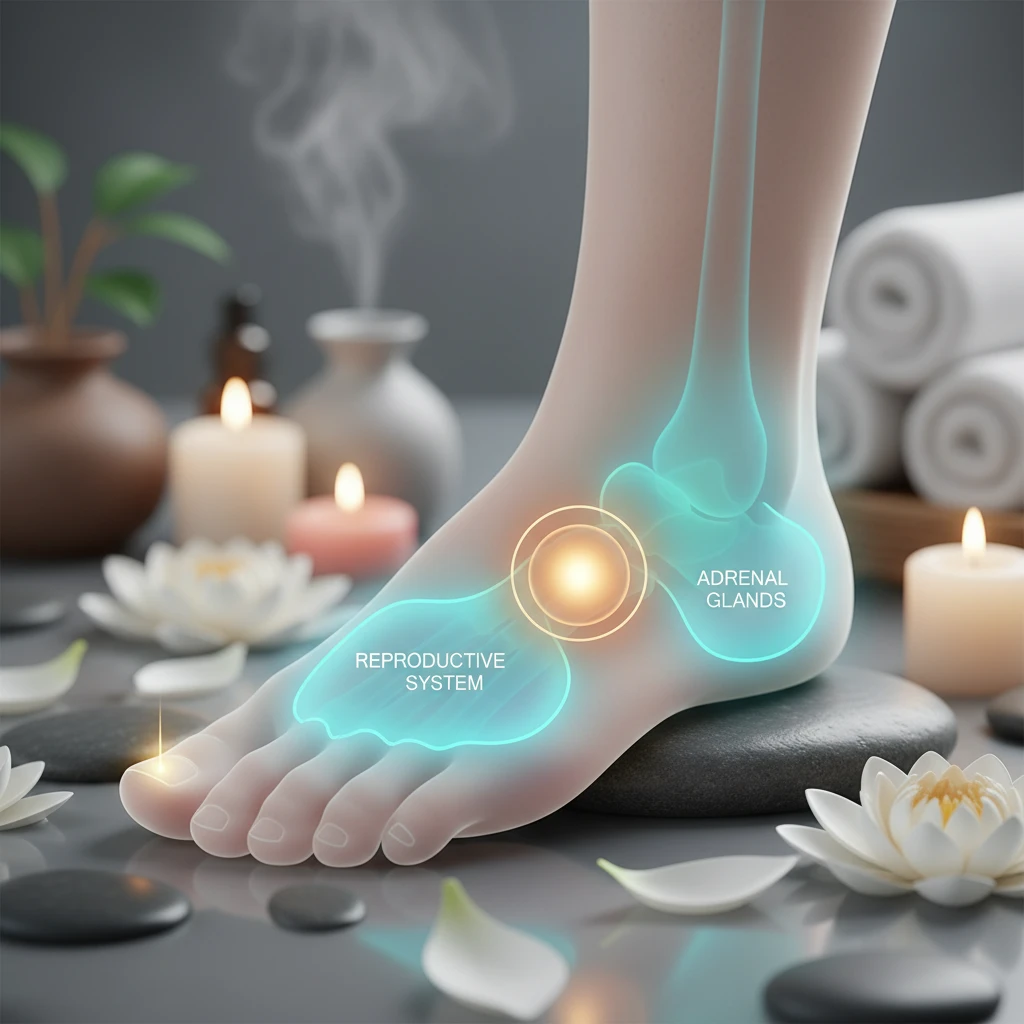
The reflex points for the uterus and ovaries are located around the ankles. Specifically, the uterus reflex is found on the inside of the ankle, below the medial malleolus (the bony prominence), while the ovary reflex is on the outside, below the lateral malleolus. Deep stimulation of these areas is contraindicated in early and mid-pregnancy as it is believed to stimulate the pelvic area and potentially trigger uterine activity.
The Pituitary Gland Point
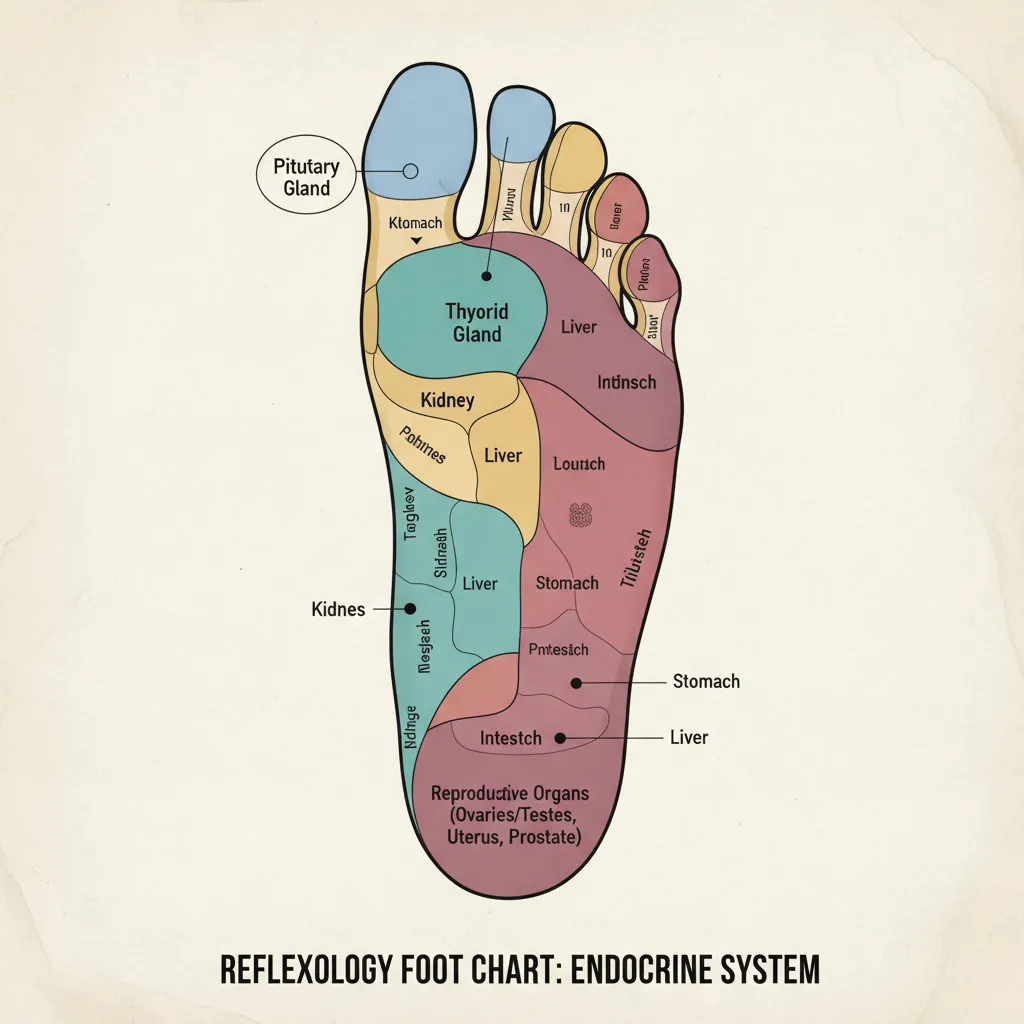
Located in the center of the big toe, the pituitary gland reflex is the master control for the endocrine system. It regulates the release of oxytocin, the hormone responsible for contractions. While gentle work here is generally fine to balance hormones, which can also aid in Managing PCOS Symptoms Naturally, aggressive stimulation is typically reserved for labor induction protocols.
Safe Zones for Relief
Conversely, there are many “safe zones” that provide immense relief. The solar plexus point (center of the foot) is excellent for emotional grounding. The spine reflex (running along the inner edge of the foot) helps alleviate the back pain caused by the shifting weight of the baby. The area corresponding to the lungs can help with breathlessness as the uterus pushes upward against the diaphragm.
Alleviating Morning Sickness and Nausea
Morning sickness, or Nausea and Vomiting of Pregnancy (NVP), affects up to 80% of pregnant women. It can range from mild queasiness to debilitating hyperemesis gravidarum. Reflexology offers a drug-free alternative for management.
The mechanism for relief lies in the digestive and endocrine reflex points. By calming the stomach reflex and balancing the points associated with the liver and pancreas, a therapist can help regulate blood sugar levels and digestive acidity, both of which contribute to nausea.
A study published in the National Institutes of Health (NIH) database has shown that women who received regular reflexology treatments reported a significant reduction in the frequency and severity of nausea compared to control groups. The treatment helps to rebalance the hormonal surges that trigger the vomiting center in the brain.
Managing Edema: Reducing Ankle Swelling
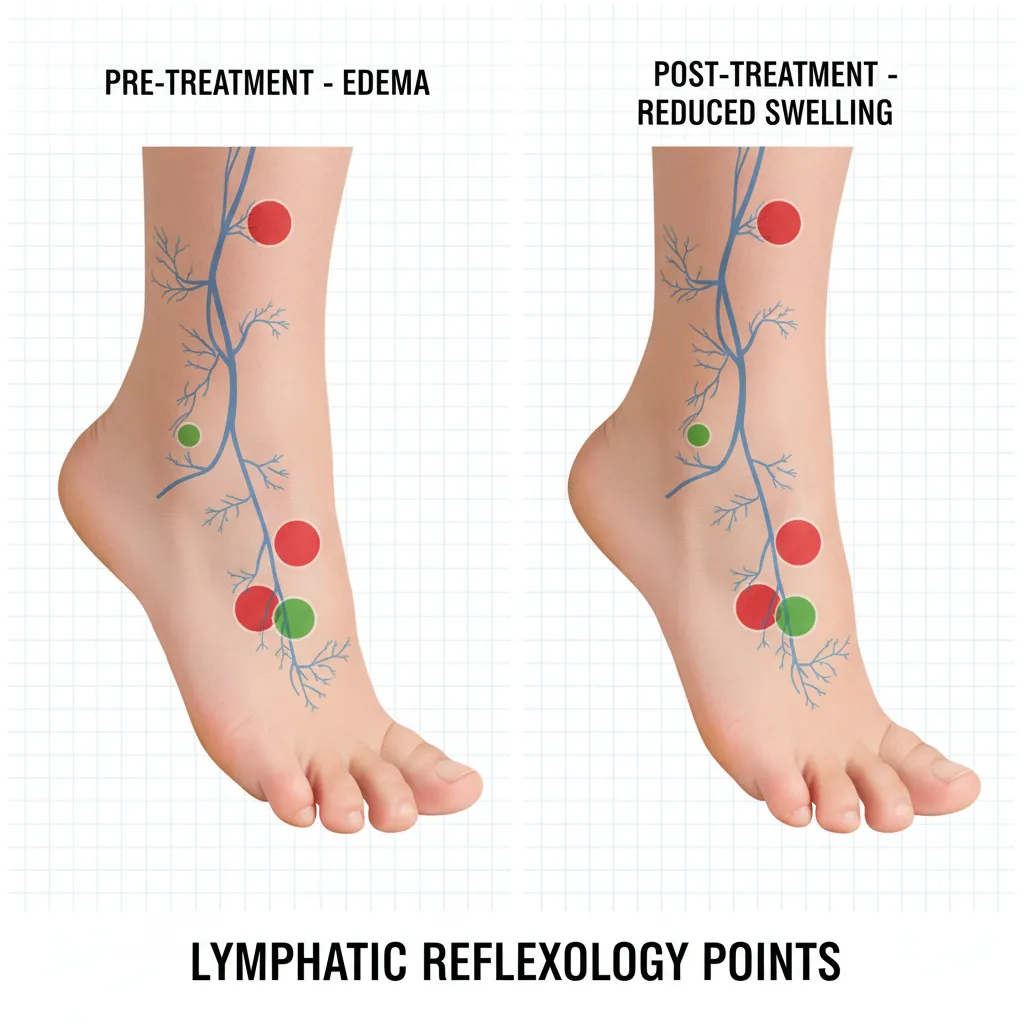
Edema, or physiological swelling, is a common complaint in the third trimester. As the uterus grows, it puts pressure on the vena cava, the large vein that carries blood from the legs back to the heart. This pressure, combined with increased fluid retention, leads to swollen ankles and feet.
Reflexology is exceptionally effective for edema because it mimics the effects of manual lymphatic drainage. The lymphatic system relies on movement and muscle contraction to circulate lymph fluid. Reflexology stimulates the lymphatic reflex points (located on the top of the foot near the base of the toes) and the kidney reflexes.
The Protocol for Edema:
- Kidney Stimulation: Encourages the body to process and eliminate excess fluid through urination.
- Lymphatic Sweeping: Gentle strokes upward toward the ankle help mechanically push fluid back into circulation.
- Adrenal Support: Calming the adrenal glands helps regulate the body’s stress response, which can influence fluid retention.
Patients often report a visible reduction in swelling immediately following a session, along with a sensation of “lightness” in the legs.
Preparing the Body for Labor and Delivery
As the due date approaches, the focus of reflexology shifts from maintenance and symptom relief to preparation. Starting around week 37, “priming” sessions can be utilized to prepare the cervix and uterus for labor.
It is important to distinguish between inducing labor and preparing for labor. Reflexology generally will not force the body into labor if the baby and body are not ready. However, it can create the optimal environment for labor to begin naturally.
Reducing Labor Duration
Evidence suggests that regular reflexology in the final weeks of pregnancy can shorten the duration of the first and second stages of labor. By reducing anxiety and pain perception, the mother produces less adrenaline (which inhibits labor) and more oxytocin (which progresses labor).
The Induction Protocol
Once a woman is past her due date (40 weeks+), a reflexologist may use a more vigorous technique on the pituitary, uterus, and bowel points. Stimulating the bowel reflex can often encourage uterine contractions due to the proximity of the organs. This is a natural, non-invasive alternative to medical induction methods like Pitocin, though it should always be discussed with your obstetrician or midwife.
What to Expect During a Prenatal Session
If you are booking your first prenatal reflexology appointment, knowing what to expect can help you relax. The session differs slightly from a standard treatment to accommodate the pregnancy.
1. The Consultation:
The session begins with a detailed health history. The therapist will ask about your trimester, any complications (like pre-eclampsia or placenta previa), and your current symptoms. This is vital for determining which points to avoid.
2. Positioning:
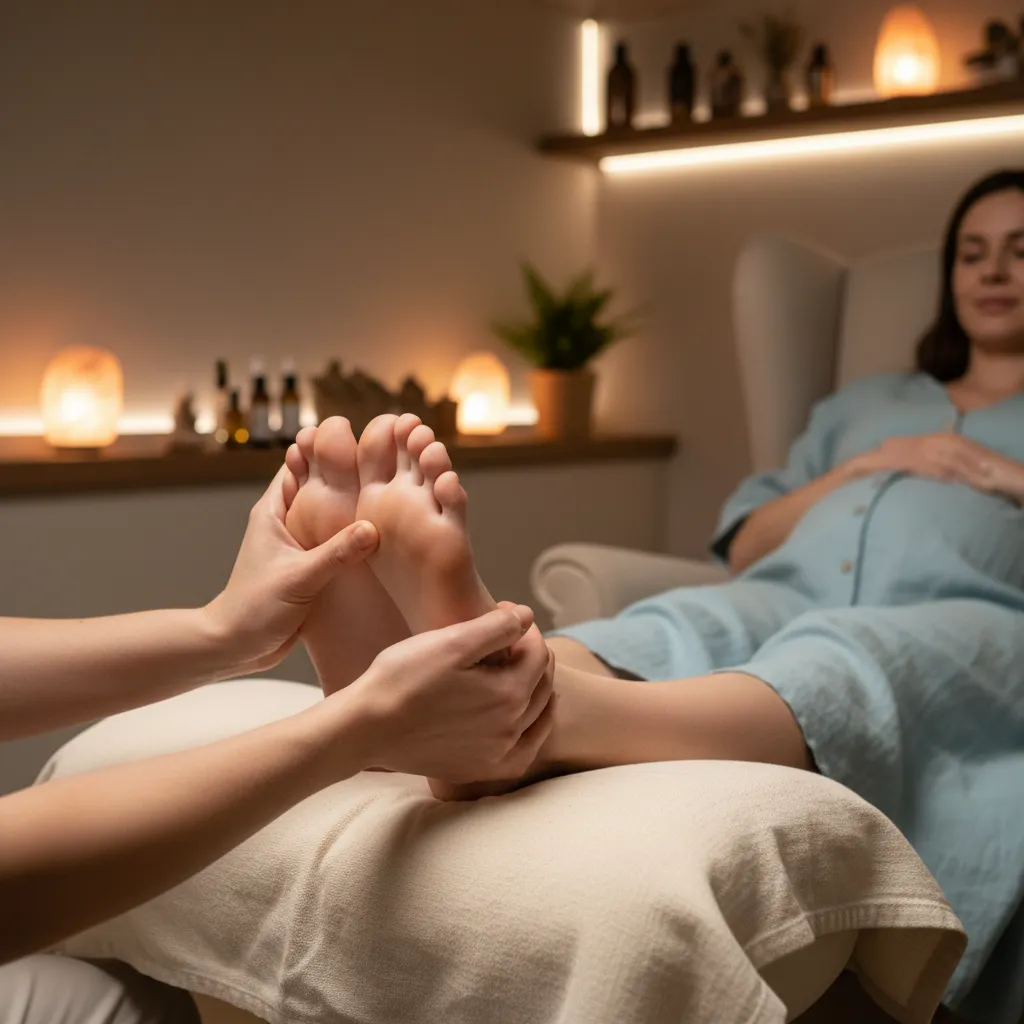
Lying flat on your back is generally discouraged after the second trimester to avoid compressing the vena cava. Instead, you will likely be positioned in a semi-reclined chair or propped up with bolsters. In some cases, you may lie on your side with pillows supporting your belly and legs.
3. The Treatment:
The pressure used in prenatal reflexology is typically lighter than in standard reflexology. The therapist will work on both feet, usually starting with relaxation techniques before moving to specific reflex points. The session lasts between 45 to 60 minutes.
4. Post-Treatment:
It is common to feel thirsty and frequent urgency to urinate after a session as the body eliminates toxins. Some women experience “Braxton Hicks” contractions or mild fatigue, which are normal signs that the body is responding to the therapy.

Frequently Asked Questions (PAA)
Below are common questions regarding the safety and efficacy of reflexology during pregnancy.
Can reflexology cause a miscarriage?
There is no scientific evidence linking professional reflexology to miscarriage. However, most practitioners avoid treating women in the first 12 weeks of pregnancy as a precaution, since the risk of spontaneous miscarriage is naturally highest during this time. Always consult a certified prenatal reflexologist.
When should I start reflexology during pregnancy?
The safest time to start reflexology is at the beginning of the second trimester (around week 13 or 14). This ensures the pregnancy is established. Treatments can continue weekly or bi-weekly right up until the birth of the baby.
What reflexology points should be avoided during pregnancy?
Until the mother is at full term (37+ weeks), practitioners avoid deep stimulation of the uterus and ovary reflex points located around the inner and outer ankles (malleolus). Aggressive stimulation of the pituitary point on the big toe is also modified to avoid premature oxytocin release.
Can reflexology induce labor?
Reflexology can help prepare the body for labor and may help initiate contractions if the body is ready (term). It works by stimulating the pituitary gland to release oxytocin and relaxing the pelvic area. It is often used as a natural alternative to medical induction for overdue pregnancies.
How often should I have reflexology while pregnant?
Frequency depends on individual needs. For general well-being, once every two weeks is standard. If treating specific conditions like severe edema or back pain, weekly sessions may be recommended. In the final weeks (37-40), weekly sessions are encouraged to prepare for labor.
Is foot massage the same as reflexology?
No. Foot massage focuses on manipulating muscles and soft tissue for relaxation. Reflexology is a clinical therapy that applies pressure to specific nerve endings to affect internal organs and systems. Reflexology requires specific training and certification, especially for prenatal care.
In conclusion, when asking “is reflexology safe during pregnancy,” the consensus among holistic health experts and many medical professionals is a resounding yes, provided safety guidelines are followed. By targeting specific ailments such as morning sickness, swelling, and labor anxiety, prenatal reflexology serves as a powerful tool in an expectant mother’s wellness toolkit. Always ensure you are working with a qualified therapist to maximize the benefits for both you and your baby. For more local information, refer to Reflexology for Pregnancy and Postpartum Care: Auckland Resources.