Understanding the distinctions between reflexology and massage in Auckland is crucial for anyone seeking targeted wellness solutions. While both are hands-on therapies offering relaxation and health benefits, their underlying philosophies, techniques, and therapeutic goals differ significantly, guiding Aucklanders to make informed choices for their specific needs.
Distinguishing Reflexology from General Massage Therapy
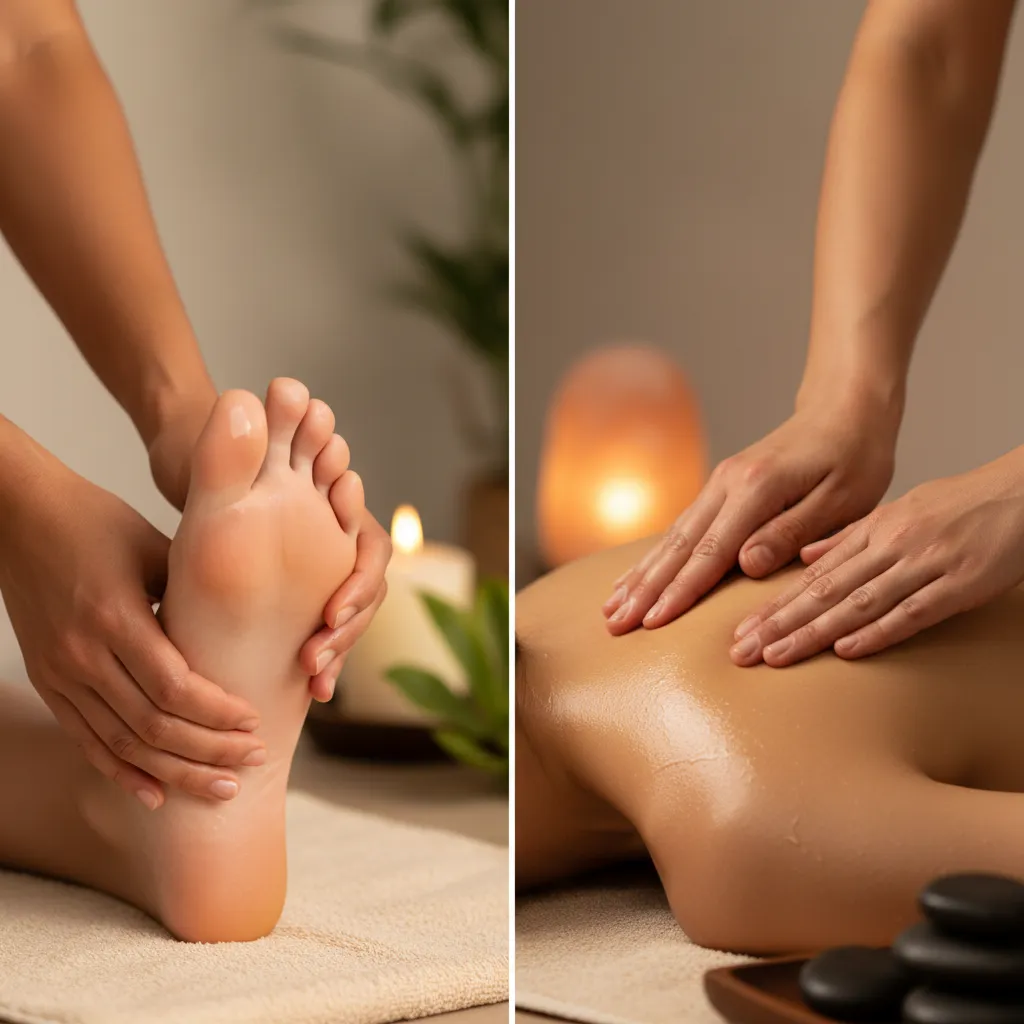
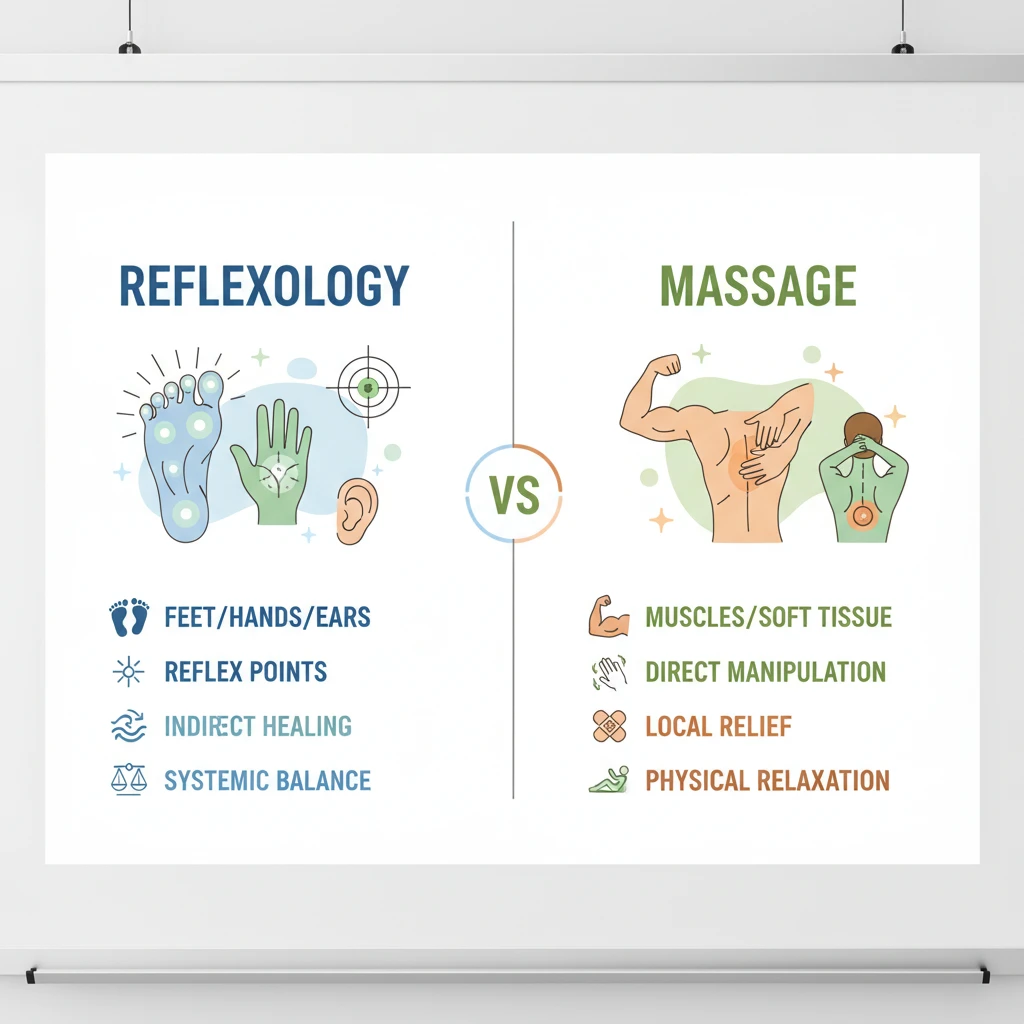
For many Aucklanders exploring holistic health, the terms ‘reflexology’ and ‘massage’ are often used interchangeably, yet they represent two distinct practices with unique approaches to healing and well-being. General massage therapy typically involves the manipulation of muscles, connective tissues, tendons, and ligaments throughout the body, aiming to relieve muscle tension, improve circulation, reduce stress, and promote overall physical relaxation. It’s a broad field encompassing various modalities like Swedish massage, deep tissue, sports massage, and remedial massage, all focused on the musculoskeletal system.
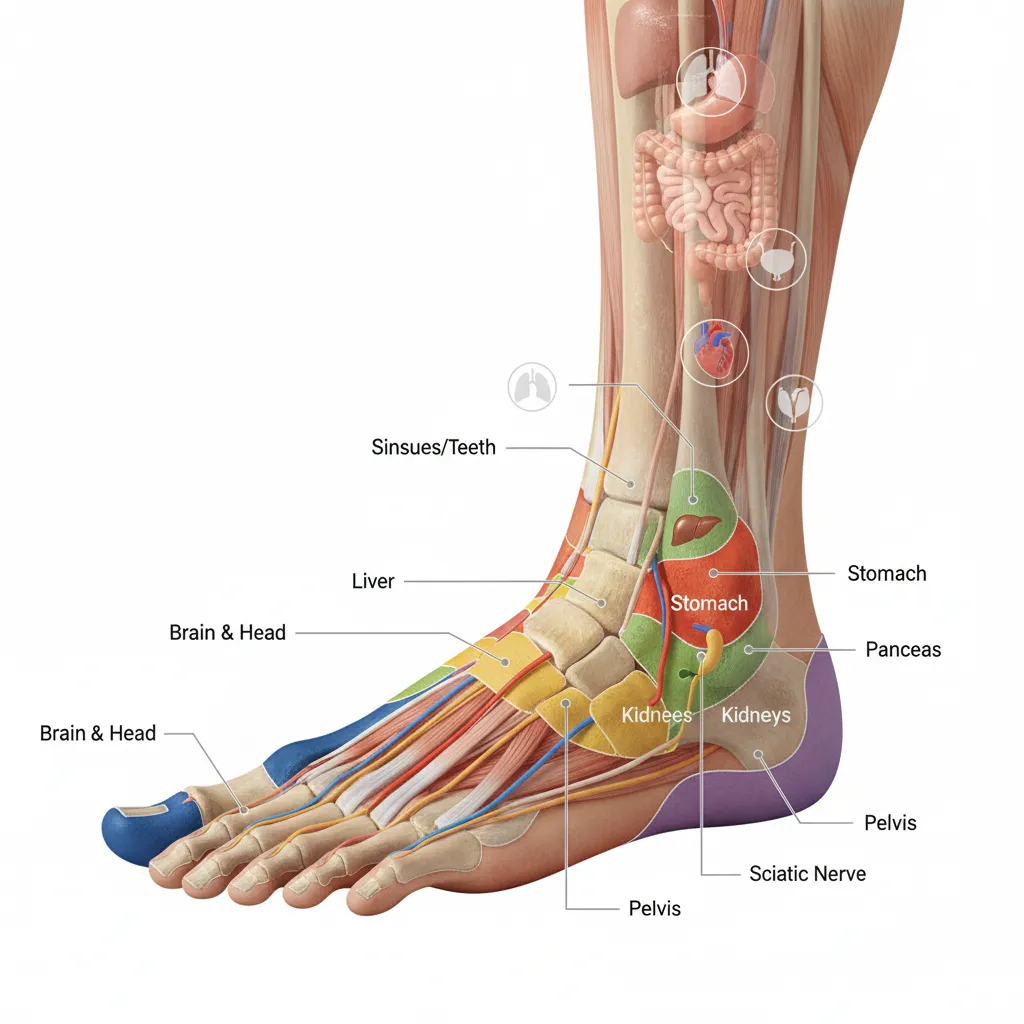
Reflexology, by contrast, is a non-invasive complementary therapy rooted in the principle that specific points on the feet, hands, and ears, known as reflexes, correspond to different organs, glands, and systems of the body. Rather than working on general muscle groups, a reflexologist applies precise pressure techniques to these reflex points. The aim is not just local relief but to stimulate the body’s natural healing processes, improve energy flow, and restore balance to the corresponding body parts. This fundamental difference means that while a general massage might address a sore back directly, reflexology on the feet might address back pain through its corresponding reflex points.
The history and theoretical underpinnings also diverge. Massage therapy has ancient roots across many cultures, evolving into a widely accepted therapeutic practice. Reflexology, while also ancient in its conceptual origins, gained modern prominence in the early 20th century, particularly through the work of Dr. William Fitzgerald and Eunice Ingham. They mapped out the body’s zones and reflex points, establishing the systematic approach practiced today. In Auckland, practitioners of both disciplines are highly trained, but their educational pathways and certification often focus on these distinct methodologies.
Different Therapeutic Goals and Techniques
The core objectives and the methods employed by reflexologists and massage therapists are perhaps the clearest indicators of their differences. Understanding these distinctions helps Aucklanders choose the most appropriate therapy for their specific health and wellness goals.
Reflexology: Techniques and Principles
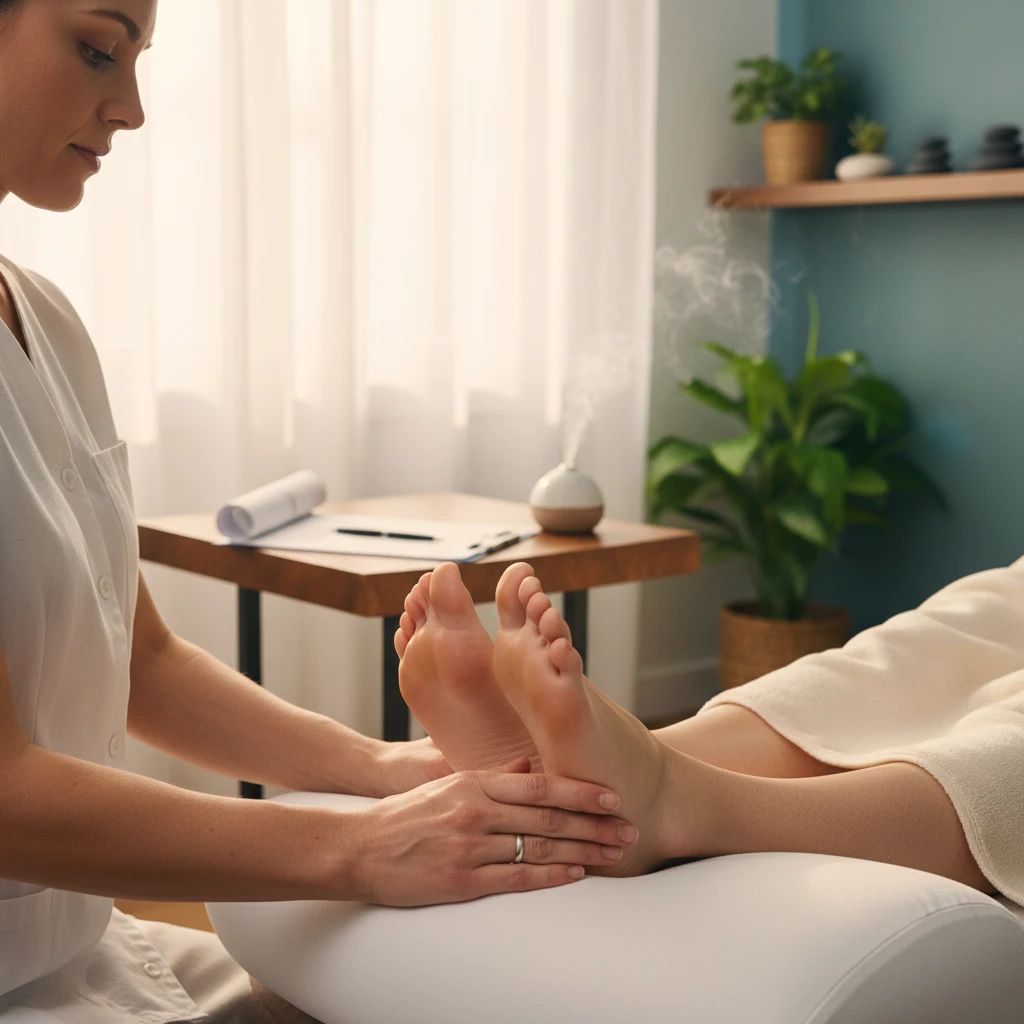
The primary goal of reflexology is to activate the body’s intrinsic healing capabilities and restore homoeostasis. Practitioners believe that applying pressure to reflex points can unblock energy pathways (similar to concepts in traditional Chinese medicine) and stimulate the nervous system, thereby improving function in distant organs or areas of the body. The techniques used are typically thumb and finger walking, hooking, and rotating movements, applied with varying degrees of pressure. These are often precise, gentle yet firm, and focused exclusively on the designated reflex areas on the feet, hands, or ears.
Reflexology is not about muscle manipulation; it’s about stimulating nerve endings and promoting systemic balance. For instance, a reflexologist working on the arch of your foot might be targeting the spinal reflexes, aiming to alleviate tension in your back, even though they are not directly touching your spine. This indirect approach makes it suitable for individuals who may not be able to receive full-body massage due to specific medical conditions, injuries, or discomfort with direct physical contact over certain areas. For a more detailed guide, see Understanding Reflexology: A Comprehensive Guide. For a deeper understanding of reflexology principles, resources like Wikipedia’s page on Reflexology provide excellent context.
Massage Therapy: Techniques and Approaches
Massage therapy, conversely, primarily aims to relax and rehabilitate muscles, improve blood and lymphatic circulation, reduce pain, increase flexibility, and alleviate general stress and anxiety. The techniques are varied and depend heavily on the modality. Swedish massage, for example, uses long gliding strokes, kneading, rhythmic tapping, and friction to promote relaxation. Deep tissue massage targets deeper layers of muscle and connective tissue to break down adhesions and relieve chronic muscle tension. Sports massage focuses on preventing and treating sports injuries, often incorporating stretching and more vigorous techniques.
In a typical massage session in Auckland, a therapist will use oils or lotions to facilitate smooth movements over larger areas of the body, directly working on the musculature. The focus is direct, hands-on manipulation of soft tissues, aiming for localized effects as well as systemic relaxation. The choice of massage type is often dictated by whether the client seeks general relaxation, pain relief, injury recovery, or improved athletic performance.
When to Choose Reflexology Over Massage (or Vice-Versa)
Deciding between reflexology and massage therapy in Auckland depends significantly on your individual health concerns, preferences, and desired outcomes. While both offer pathways to wellness, their distinct approaches make one potentially more suitable than the other for specific situations.
Choosing Reflexology for Specific Conditions
Stress and Anxiety: Reflexology is renowned for its profound relaxing effects, helping to calm the nervous system and reduce stress levels, which can also support Emotional Release & Trauma.
- Digestive Issues: By targeting reflex points corresponding to the digestive organs, reflexology may help alleviate symptoms like constipation, bloating, and indigestion.
- Hormonal Imbalances: Many Aucklanders turn to reflexology for support with menstrual irregularities, fertility issues, and menopausal symptoms, as it’s believed to help regulate endocrine function.
- Headaches and Migraines: Stimulation of head and neck reflex points can often provide relief for various types of headaches.
- Sleep Disorders: The deep relaxation induced by reflexology can significantly improve sleep quality.
- Foot Pain (indirectly): While not directly massaging the painful area, reflexology can improve circulation and reduce inflammation in the feet, contributing to relief.
- Individuals Sensitive to Full Body Touch: For those uncomfortable with full body massage or who have specific injuries that preclude direct pressure on certain body parts, reflexology on the feet or hands offers a safe and effective alternative.
It’s important to note that reflexology is a complementary therapy and should not replace conventional medical treatment but can work alongside it to support overall well-being. Many individuals in Auckland find reflexology particularly beneficial as a preventative measure or as a regular maintenance treatment to keep their body’s systems in balance. This includes exploring how reflexology supports Boosting Immunity Through Reflexology: Pathways and Practices.
Opting for Massage Therapy in Auckland
Massage therapy is generally more effective when the goal is direct physical intervention for muscle-related issues, injury recovery, or generalized relaxation. Consider massage if you are experiencing:
- Muscle Tension and Stiffness: For knots in the shoulders, tight hamstrings, or general muscle soreness from exercise or daily activities, massage directly targets and releases these areas.
- Back and Neck Pain: Most forms of back and neck pain stemming from muscle strain, poor posture, or stress respond well to direct muscle manipulation.
- Post-Injury Rehabilitation: After injuries or surgeries (once cleared by a doctor), remedial or sports massage can aid in recovery, improve range of motion, and reduce scar tissue formation.
- Stress Reduction and Relaxation: While reflexology is relaxing, a full-body relaxation massage can be deeply calming and effective for overall stress relief, especially for those who enjoy the feeling of direct skin and muscle contact.
- Improved Circulation and Lymphatic Drainage: Specific massage techniques can enhance blood flow and lymphatic drainage, which can reduce swelling and promote detoxification.
- Flexibility and Range of Motion: Regular massage can help to lengthen tight muscles and improve joint mobility, particularly beneficial for athletes or those with sedentary lifestyles.
Auckland offers a wide array of massage therapists specializing in various techniques, making it easy to find a practitioner whose expertise aligns with your specific physical needs. For further reading on the broader field of massage therapy and its benefits, Wikipedia’s overview of Massage Therapy is a good resource.
Combining Both Therapies for Enhanced Wellness
While reflexology and massage therapy serve different purposes, they are not mutually exclusive. In fact, for many Aucklanders, integrating both modalities into a personalized wellness routine can yield synergistic benefits, addressing both systemic balance and localized physical ailments. This combined approach often leads to a more comprehensive and holistic improvement in health and well-being.
For instance, an individual suffering from chronic stress and neck tension might benefit from regular relaxation massages to ease muscle tightness, complemented by reflexology sessions to calm the nervous system and promote deeper sleep. The massage directly addresses the physical manifestation of stress in the neck, while reflexology works on the underlying systemic imbalance contributing to the stress. This dual approach tackles the issue from both a symptomatic and a root-cause perspective.
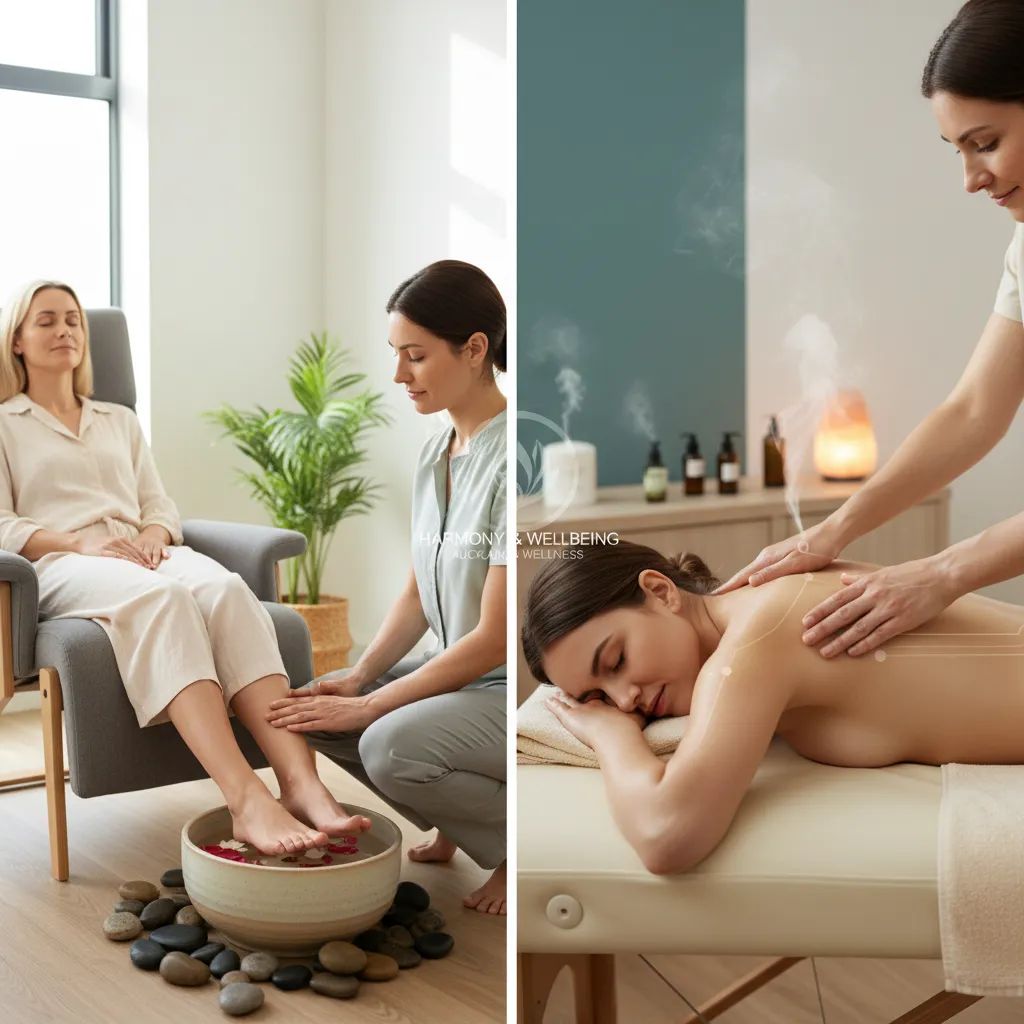
Another example could be someone recovering from a sports injury in Auckland. A remedial massage therapist might work directly on the injured muscle group to improve healing, reduce scar tissue, and restore function. Simultaneously, reflexology could be used to support the body’s natural healing processes, reduce inflammation systemically, and manage pain holistically. The reflexology would focus on stimulating the body’s self-repair mechanisms, while the massage provides localized, targeted physical therapy.
Integrated Approaches to Health
When considering an integrated approach, it’s advisable to consult with experienced practitioners in Auckland who can help tailor a treatment plan specific to your needs. Some clinics even offer combined sessions or packages that incorporate elements of both, allowing for a seamless transition between the therapies. For instance, a session might begin with specific reflexology techniques to promote deep relaxation and stimulate energy flow, followed by a targeted massage to address areas of muscle tension or discomfort.
The key is to listen to your body and understand what each therapy offers. While a massage provides tangible relief to aching muscles, reflexology often offers a subtler, more profound experience of inner balance and systemic healing. By embracing both reflexology and massage, Aucklanders can unlock a more comprehensive path to physical and mental wellness, leveraging the strengths of each distinct yet complementary modality.
Ultimately, whether you opt for reflexology, massage, or a combination of both, the goal remains the same: to foster a greater sense of well-being, alleviate discomfort, and support your body’s innate ability to heal. In a vibrant city like Auckland, where wellness is increasingly prioritized, numerous qualified practitioners are available to guide you on your personal health journey.