
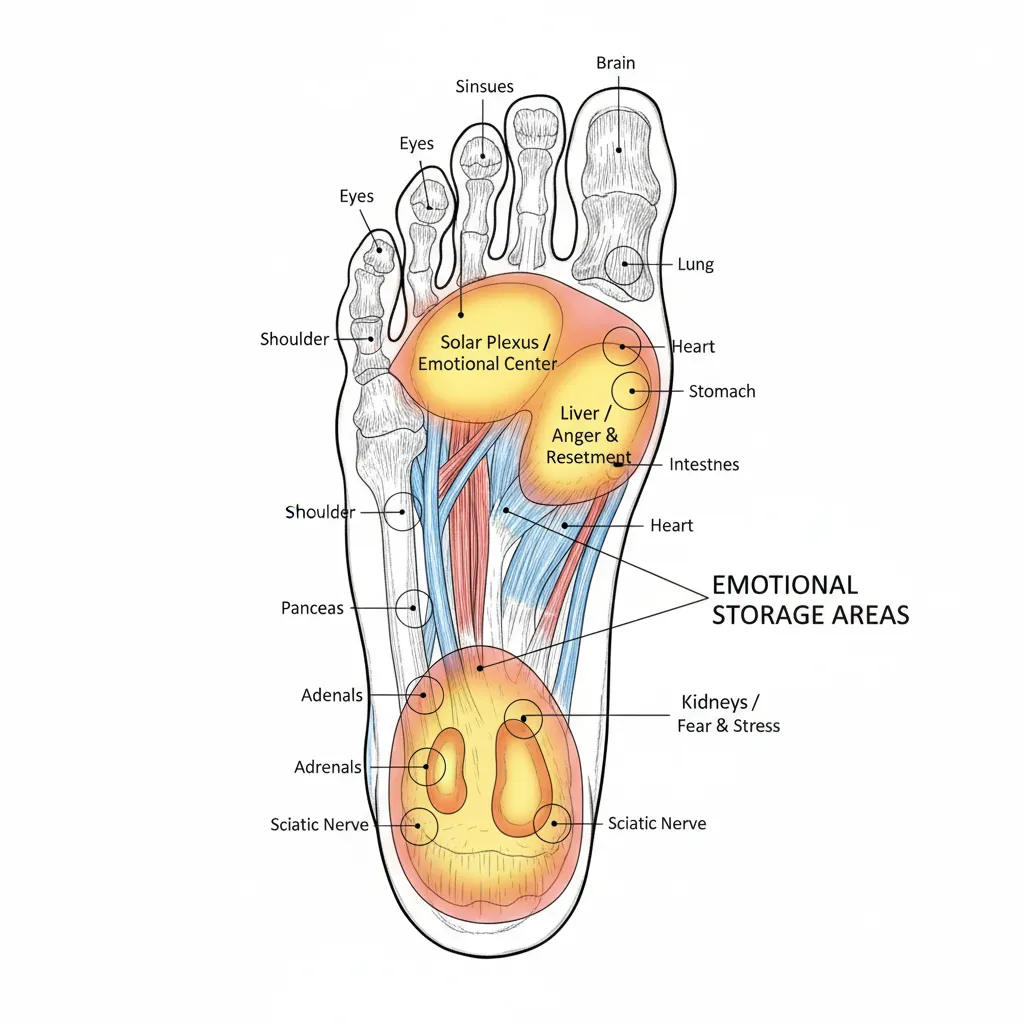
Emotional release reflexology is a holistic practice that uses targeted pressure on specific reflex points in the feet, hands, or ears to facilitate the release of stored emotional tension, stress, and past trauma. This therapeutic approach aims to restore balance within the body’s energy pathways, promoting profound mental, emotional, and physical well-being through non-invasive touch.
Introduction to Emotional Release Reflexology
In the realm of holistic health, the intricate connection between our physical bodies and our emotional states is increasingly recognized. While modern medicine often compartmentalizes the two, ancient healing traditions, including reflexology, have long understood that emotional experiences, particularly unresolved trauma or chronic stress, can manifest as physical blockages and discomfort. Emotional release reflexology offers a powerful, non-invasive pathway to address these deeply rooted issues, working with the body’s innate wisdom to facilitate healing and liberation.
This definitive guide delves into the profound practice of emotional release reflexology, exploring its theoretical underpinnings, practical application, and the transformative potential it holds for individuals seeking deeper healing. We will unpack how emotions are believed to be stored within the body, specifically referencing reflexology’s perspective on the feet, and shed light on significant concepts like the ‘crying point’. Furthermore, we will emphasize the critical importance of creating a nurturing environment for release and provide essential guidance for post-session self-care, ensuring a holistic and sustainable healing journey.

Where Emotions Are Stored in the Feet
The premise that emotions can be stored in the body is central to many holistic therapies, including reflexology. From this perspective, the feet are not merely anatomical structures but microcosms reflecting the entire body’s systems, organs, and energetic pathways. Each reflex point on the foot is believed to correspond to a specific part of the body, and critically, to associated emotional experiences.
Energy Meridians and Reflex Zones
Traditional Chinese Medicine (TCM), which heavily influences reflexology, posits the existence of meridians – invisible energy channels that circulate life force (Qi) throughout the body. When emotional trauma or prolonged stress occurs, this Qi can become stagnant or blocked in certain meridians, leading to physical symptoms and emotional dysregulation. In reflexology, these blockages can be detected as tender or sensitive areas on the corresponding reflex points in the feet.
- Solar Plexus Point: Often linked to stress, anxiety, and deeply held fears. This point, found near the center of the arch, can be highly sensitive when a person is carrying significant emotional weight.
- Adrenal Gland Point: Located near the solar plexus reflex, this area can indicate chronic stress and a body in a constant state of ‘fight or flight’, often associated with unresolved trauma.
- Diaphragm Point: Situated across the ball of the foot, this reflex relates to breathing and the ability to process emotions. Tension here can signify repressed feelings or difficulty expressing grief.
- Liver Reflex: Found on the right foot, this point is often associated with anger, frustration, and resentment.
- Lung Reflexes: On both feet, these points relate to grief and sadness. Deep tenderness here can indicate unresolved loss or melancholy.
The sensitivity encountered during a reflexology session on these points is not just physical discomfort; it is often interpreted as the body’s way of signaling emotional congestion. By applying gentle yet firm pressure, the reflexologist aims to break down these energetic blockages, encouraging the natural flow of Qi and facilitating a release of the stored emotional charge.
The ‘Crying Point’ Explained in Reflexology
One of the most profound phenomena encountered in emotional release reflexology is what practitioners often refer to as the ‘crying point’. This term describes a specific reflex area, or more accurately, any point that, when stimulated, elicits a strong, involuntary emotional response from the client. This response can range from a sudden wave of sadness, spontaneous tears, unexpected anger, or even a profound sense of relief or peace.
The Mechanism of Release
The ‘crying point’ is not a single, fixed anatomical location but rather an energetic hotspot where deeply suppressed emotions are held. While certain areas, like the solar plexus, diaphragm, or lung reflexes, are commonly associated with such releases, any reflex point could become a ‘crying point’ if it harbors significant emotional congestion for an individual. The stimulation of this point acts as a key, unlocking the energetic dam holding back these emotions.
When a reflexologist identifies a particularly tender point, and applies sustained, mindful pressure, it can trigger a neurological and energetic cascade. This can lead to a visceral emotional discharge. Clients often report feeling a sudden surge of emotion that seems to come from nowhere, sometimes accompanied by physical sensations like a lump in the throat, trembling, or a deep sigh. This is the body’s intelligent mechanism for purging what no longer serves it, a biological and psychological reset. For more information on the body’s stress response and emotional memory, refer to research on psychoneuroimmunology.
Creating a Safe and Supportive Space for Emotional Release
The effectiveness of emotional release reflexology hinges not just on technique, but fundamentally on the environment and the practitioner-client relationship. Emotional release, particularly when addressing trauma, requires immense vulnerability, and this can only occur within a truly safe and non-judgemental space.
The Practitioner’s Role: Empathy and Expertise
A skilled reflexologist for emotional release is far more than just a technician. They must embody qualities of deep empathy, compassion, and unwavering presence. Their role involves:
- Active Listening: Before and during the session, truly hearing the client’s experiences, concerns, and intentions.
- Non-Judgmental Approach: Creating an atmosphere where all emotions are welcome and validated, without analysis or criticism.
- Maintaining Boundaries: Professionalism and clear boundaries are crucial to ensure the client feels secure.
- Guidance and Support: Offering reassurance and simple guidance if the client becomes overwhelmed, such as encouraging deep breathing.
- Knowledge of Energy Dynamics: Understanding how energy moves and manifests, and how to gently facilitate its release.
The practitioner must be attuned to subtle cues from the client’s body and energy, adjusting their pressure and approach as needed. They are guides, not fixers, empowering the client’s own healing journey.
The Physical and Energetic Environment
Beyond the practitioner, the physical setting itself contributes significantly to safety:
- Comfort and Privacy: A quiet, private room with comfortable seating or a treatment table, ensuring the client feels secure and undisturbed.
- Gentle Ambiance: Soft lighting, calming colors, and perhaps subtle, soothing music can enhance relaxation.
- Cleanliness and Order: A tidy and hygienic space instills a sense of professionalism and care.
- Energetic Cleansing: Some practitioners use techniques like smudging or sound healing to clear and maintain positive energy in the treatment space.
Ultimately, the safe space is a container for vulnerability. It allows the client’s nervous system to relax enough to process and release emotions that may have been guarded for years. Without this foundation of safety, genuine emotional release is difficult, if not impossible.
Post-Session Self-Care and Integration
The journey of emotional release does not end when the reflexology session concludes. In fact, the hours and days following a session are crucial for integrating the shifts that have occurred. The body and mind will continue to process the released emotions, and thoughtful self-care can significantly enhance the long-term benefits.
Immediate and Ongoing Recommendations
Practitioners often provide clients with specific guidance for post-session care:
- Hydration: Drinking plenty of water is paramount. Emotional release can be detoxifying, and water helps flush toxins and supports cellular hydration.
- Rest: It’s common to feel tired, emotional, or even a bit ‘spaced out’ after a profound release. Prioritizing rest allows the body to recalibrate and integrate the energetic shifts. Avoid strenuous activities or demanding social engagements.
- Mindful Observation: Encourage clients to observe any lingering emotions, thoughts, or physical sensations without judgment. Journaling can be an excellent tool for processing these insights.
- Grounding Practices: Simple grounding techniques like walking barefoot in nature, gentle stretching, or deep breathing can help re-establish a sense of presence and stability.
- Nutritious Food: Opt for light, nourishing meals to support the body’s healing processes. Avoid heavy or processed foods that can tax the system.
- Warm Baths or Showers: These can be incredibly soothing, helping to relax the nervous system and further release any residual tension. Adding Epsom salts can enhance the detoxifying effect.
- Avoid Overstimulation: Limit exposure to stressful news, excessive screen time, or high-energy environments for at least 24-48 hours.
- Patience and Self-Compassion: Healing is not linear. There may be periods of fluctuation, and it’s essential for clients to treat themselves with kindness and understanding throughout the process.
The integration phase is a vital part of the healing cycle. By honoring the body’s need for care and creating space for reflection, clients can solidify the emotional releases and step forward with greater clarity, peace, and resilience. This process contributes significantly to overall well-being and is supported by holistic health principles, as detailed by resources like Mind’s guidance on trauma and the body.
Conclusion
Emotional release reflexology offers a profoundly effective and gentle pathway for individuals seeking to address and liberate themselves from the burden of stored emotional tension and trauma. By recognizing the intricate connection between our emotional landscape and our physical well-being, this therapeutic modality utilizes the wisdom of the feet to unlock and release blockages, fostering deep healing and restoration.
From understanding where emotions are energetically held in the body’s reflex zones to navigating the powerful experience of the ‘crying point’, and crucially, establishing a safe container for vulnerability, every aspect of this practice is designed to support a holistic journey toward emotional freedom. The importance of post-session self-care cannot be overstated, as it empowers clients to integrate their experiences and cultivate lasting peace. As we continue to explore the depths of mind-body connection, emotional release reflexology stands as a testament to the body’s innate capacity for self-healing, offering a beacon of hope for those on the path to profound emotional liberation and balanced health.
People Also Ask