Reflexology for immune system boost involves applying pressure to specific points on the feet, hands, or ears, which correspond to organs and systems throughout the body. This ancient practice aims to stimulate the body’s natural healing processes (which can include Accelerating Sports Injury Recovery), enhance circulation, and support the intricate mechanisms responsible for a robust immune response, contributing to overall wellness and disease prevention. For more info, see Understanding Reflexology: A Comprehensive Guide.
Reflexology’s Impact on Lymphatic System and Circulation
The immune system is a complex network of cells, tissues, and organs working in concert to protect the body from pathogens. At its core are the lymphatic system and the circulatory system, both of which are profoundly influenced by reflexology. Understanding this intricate connection is crucial to appreciating how reflexology can serve as a powerful tool in bolstering the body’s natural defenses.
Understanding the Lymphatic System’s Role in Immunity
The lymphatic system is often referred to as the body’s internal drainage system, but its role extends far beyond waste removal. It is a vital component of the immune system, comprising lymph vessels, lymph nodes, the spleen, thymus, and tonsils. Its primary functions include filtering waste products and toxins, transporting immune cells (lymphocytes) throughout the body, and collecting excess fluid from tissues, returning it to the bloodstream. When the lymphatic system becomes sluggish or congested, it can impede the immune response, making the body more susceptible to infections and illnesses. Efficient lymphatic flow ensures that immune cells can reach areas of infection quickly and that harmful substances are effectively removed, maintaining a clean and responsive internal environment.
How Reflexology Supports Lymphatic Flow
Reflexology techniques are believed to stimulate nerve pathways that connect to various organs and systems, including the lymphatic system. By applying targeted pressure to specific reflex points on the feet, hands, or ears corresponding to lymph nodes and lymphatic vessels, reflexology can encourage lymphatic drainage. This stimulation helps to clear blockages, promote the movement of lymph fluid, and enhance the overall efficiency of the lymphatic system. Improved lymphatic flow means better detoxification, reduced inflammation, and a more robust transportation network for immune cells. For instance, working reflex points related to the groin, armpits, neck, and major lymph node clusters can directly support lymphatic circulation, helping the body to more effectively combat invading pathogens and eliminate cellular waste. This non-invasive approach provides a gentle yet effective way to support a critical immune pathway.
Enhancing Blood Circulation for Optimal Immune Function
Beyond the lymphatic system, robust blood circulation is indispensable for a healthy immune response. Blood carries oxygen and essential nutrients to all cells and tissues, and crucially, it transports immune cells like white blood cells, antibodies, and complement proteins to sites of infection or injury. Poor circulation can hinder the delivery of these vital components, delaying the immune response and potentially prolonging illness. Reflexology has long been recognized for its ability to improve overall blood flow. The pressure techniques applied during a session are thought to dilate blood vessels, reduce constriction, and enhance capillary circulation. This improved vascularity ensures that oxygen, nutrients, and immune mediators are efficiently delivered throughout the body, optimizing cellular function and supporting the immune system’s ability to mount a rapid and effective defense. By stimulating nerve endings and promoting relaxation, reflexology can also mitigate stress-induced vasoconstriction, further contributing to better circulation. The immune system relies heavily on efficient transport mechanisms to function optimally.
Key Reflex Points for Immune System Support
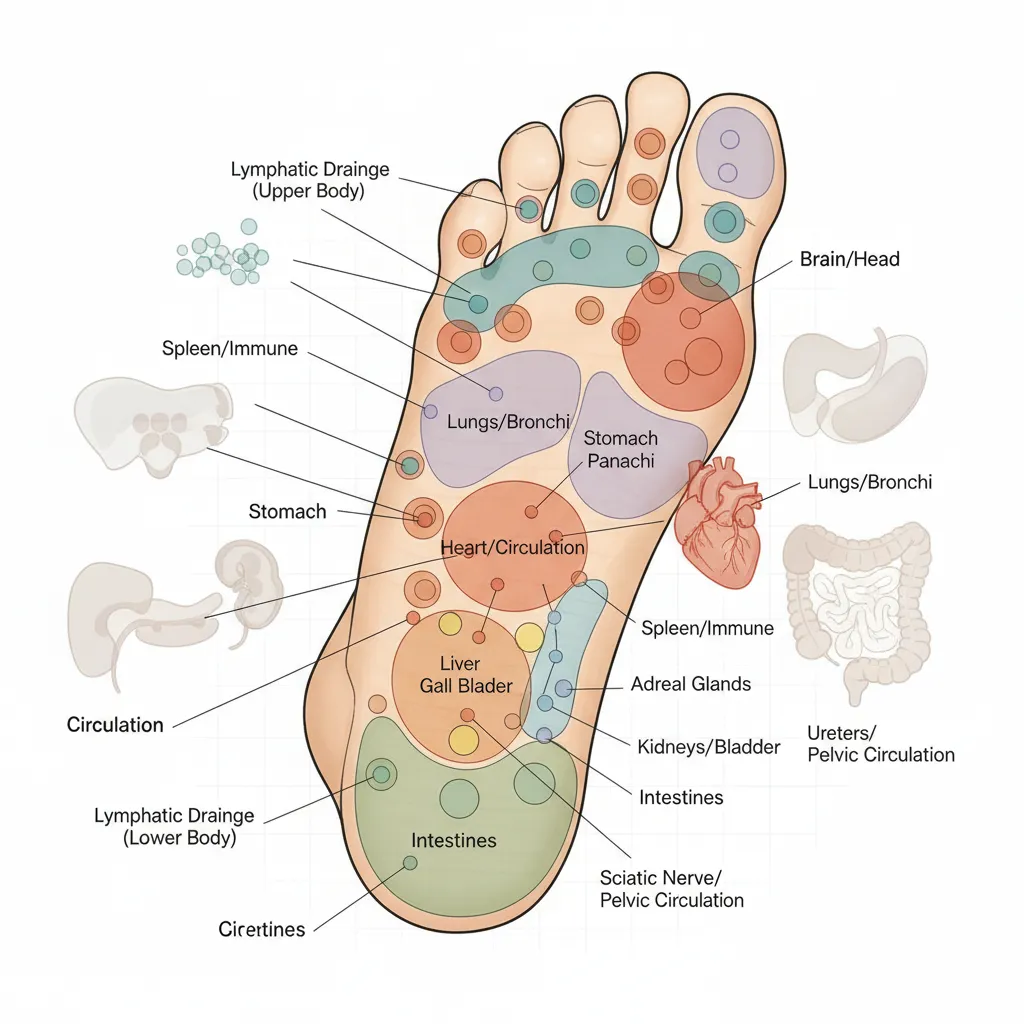
Targeting specific reflex points is fundamental to harnessing reflexology’s potential for immune system enhancement. Each point corresponds to a particular organ or gland critical to immune function, and by stimulating these areas, practitioners aim to optimize their performance. A comprehensive understanding of these key points allows for a more focused and effective treatment plan.
The Spleen and Thymus Gland Reflexes
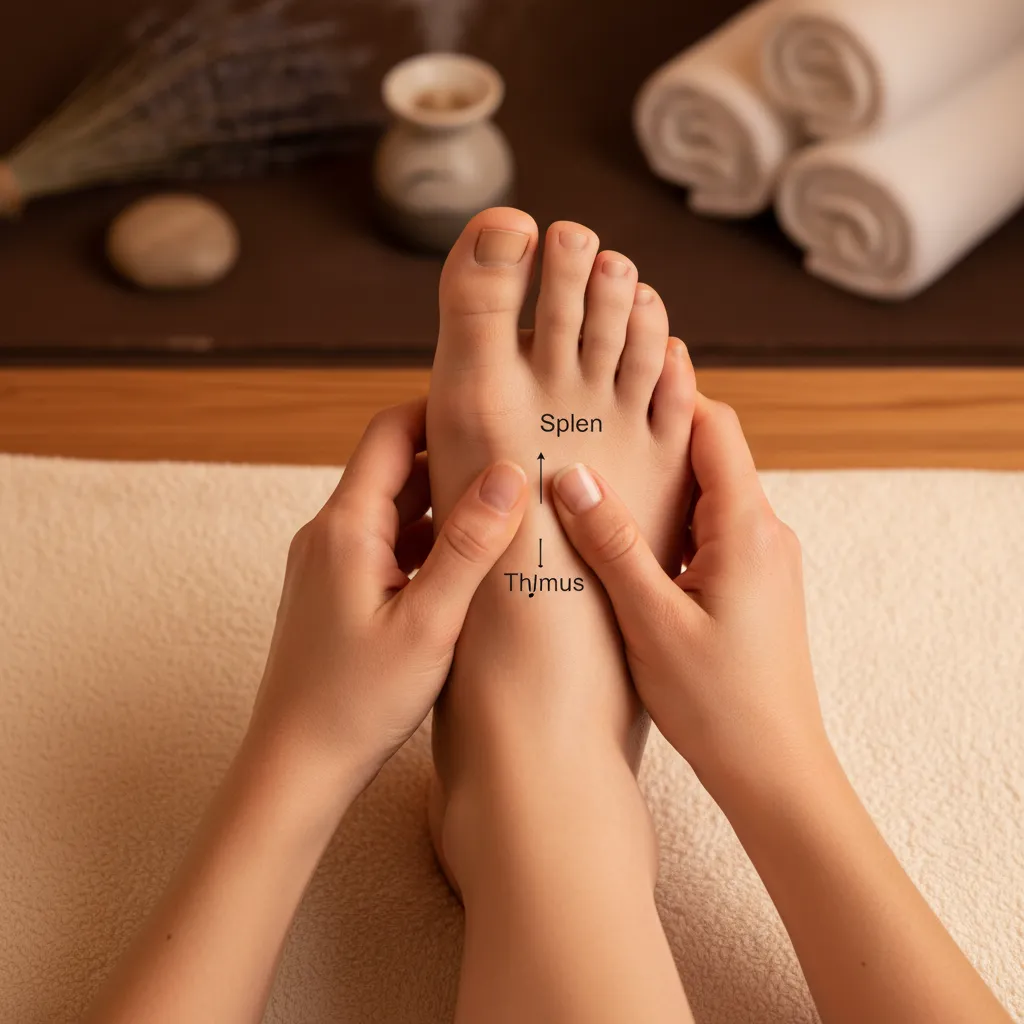
The spleen is a large lymphoid organ located in the upper left abdomen, playing a critical role in filtering blood, removing old red blood cells, and storing white blood cells, particularly lymphocytes, which are crucial for adaptive immunity. The reflex point for the spleen is typically found on the left foot, near the outer edge, below the little toe. Stimulating this area can support the spleen’s functions, aiding in detoxification and enhancing its capacity to produce and store immune cells. The thymus gland, situated behind the breastbone, is another cornerstone of immunity, particularly in childhood and adolescence, where T-lymphocytes mature. Even in adulthood, it plays a role in immune regulation. The thymus reflex point is often located on the ball of the foot, just below the big toe on both feet, or sometimes on the pads of the big toes themselves. Working this area aims to support thymus activity, promoting balanced immune cell development and function.
Adrenal and Lymph Gland Reflexes
The adrenal glands, located atop the kidneys, produce hormones like cortisol, which play a role in stress response and inflammation. While chronic stress can suppress immunity, proper adrenal function is vital for a balanced immune response. Reflex points for the adrenal glands are found on both feet, roughly in the center of the arch, near the kidney reflexes. Stimulating these points can help modulate stress responses, indirectly supporting immune health by preventing stress-induced immune suppression. The general lymph gland reflexes, as mentioned earlier, are scattered across the feet, mirroring the body’s major lymph node clusters. Key areas include the pads of the toes (head and neck lymphatics), the top of the foot (chest lymphatics), and the instep/ankle area (abdominal and pelvic lymphatics). Consistent work on these broad lymphatic areas is crucial for promoting comprehensive lymphatic drainage and ensuring the efficient transport of immune cells throughout the body.
Digestive System Reflexes and Gut Health Immunity
The gut is increasingly recognized as a central hub for the immune system, housing approximately 70-80% of the body’s immune cells. A healthy gut microbiome and an intact gut barrier are paramount for preventing pathogens from entering the bloodstream and for educating immune cells. Reflex points for the entire digestive system – including the stomach, small intestine, and large intestine – are prominently featured on both feet. The stomach reflex is on the sole of the left foot, just below the ball. The small intestine occupies a large area in the center of both soles, and the large intestine forms an arch around the heel and outer edge of both feet. Regular stimulation of these points can improve digestion, promote nutrient absorption, and support the balance of gut flora, thereby strengthening the gut’s immune defenses and contributing significantly to overall systemic immunity.
Respiratory System Reflexes for Immune Defense
The respiratory system, comprising the lungs, bronchi, and sinuses, is a primary entry point for airborne pathogens. A healthy respiratory tract with robust immune defenses is crucial for preventing respiratory infections. Reflex points for the lungs are found on the balls of both feet, while the bronchi and sinus points are located on the toes. Stimulating these areas can help improve respiratory function, enhance mucus clearance, and support the local immune responses within the respiratory passages. By ensuring optimal breathing and reducing congestion, reflexology can help the body more effectively clear irritants and pathogens, providing a critical first line of defense against common colds, flu, and other respiratory ailments.
Integrating Reflexology into a Preventative Wellness Plan
While reflexology offers significant benefits for immune support, its true power is unleashed when integrated thoughtfully into a holistic preventative wellness plan. It should be seen not as a standalone cure, but as a complementary practice that enhances other healthy lifestyle choices. Consistency and a multi-faceted approach are key to maximizing its impact on long-term immune resilience.
Regular Sessions: Frequency and Benefits
For optimal immune system support, consistency is far more impactful than sporadic sessions. Just as one doesn’t expect a single gym session to build lasting fitness, immune resilience through reflexology requires a sustained approach. Initially, weekly or bi-weekly sessions for a period of 4-6 weeks can help to kickstart detoxification, rebalance bodily systems, and establish a baseline of improved function. Following this, monthly maintenance sessions can help sustain the benefits, keeping the lymphatic and circulatory systems active and preventing stagnation. Regular sessions contribute to stress reduction, which is a powerful immune booster in itself, and provide ongoing stimulation to key immune-related reflex points. Furthermore, a consistent dialogue with a qualified reflexologist in Auckland can help tailor treatments to individual needs, addressing specific vulnerabilities and adapting to seasonal challenges or periods of higher stress.
Self-Reflexology Techniques for Daily Support
Empowering individuals with self-reflexology techniques is a crucial aspect of long-term immune maintenance. While professional sessions offer deep therapeutic benefits, daily self-care can bridge the gap between appointments and provide continuous support. Learning to apply gentle pressure to key immune points – such as those for the spleen, thymus, adrenals, and general lymphatics on the feet or hands – for 5-10 minutes each day can significantly amplify the effects. Simple hand reflexology techniques (for more, see Mastering Hand Reflexology: Techniques, Benefits, and Key Pressure Points), easily performed at a desk or while watching television, can keep energy flowing and reduce stress. Resources like online tutorials or workshops provided by local reflexology clinics in Auckland can teach proper techniques, ensuring safe and effective self-application. This proactive approach fosters a sense of agency over one’s health and ensures consistent immune support, even on busy days.
Complementary Lifestyle Practices (Diet, Exercise, Stress Management)
Reflexology thrives when supported by other pillars of health. A nutrient-dense diet rich in fruits, vegetables, whole grains, and lean proteins provides the essential building blocks for immune cells and antibodies. Regular physical activity, even moderate exercise like walking, enhances circulation, reduces stress, and promotes lymphatic flow. Crucially, effective stress management is non-negotiable for immune health. Chronic stress floods the body with cortisol, which can suppress immune function over time. Practices such as meditation, yoga, deep breathing exercises, and adequate sleep work synergistically with reflexology to lower stress levels, creating an optimal internal environment for a robust immune system. Combining reflexology with these foundational lifestyle choices creates a powerful, comprehensive strategy for sustained immune resilience and overall well-being. Consider consulting with holistic health practitioners for a well-rounded approach.
Research on Reflexology and Immune Response
While reflexology has a long history of anecdotal evidence supporting its benefits, scientific inquiry is increasingly exploring its physiological mechanisms, particularly concerning its effects on the immune system. The complex nature of immunity means that conclusive, large-scale studies can be challenging, but existing research and emerging insights offer promising directions.
Exploring Scientific Studies and Evidence
Research into reflexology’s impact on the immune system often focuses on markers of inflammation, stress hormones, and specific immune cell counts. Some studies have indicated that reflexology can lead to a reduction in stress hormones like cortisol, which is known to have immunosuppressive effects when elevated chronically. By mitigating stress, reflexology indirectly supports immune function. Other investigations have looked at changes in white blood cell counts or natural killer (NK) cell activity, finding some evidence of enhanced immune parameters in certain populations. For example, a review published in a reputable health journal might discuss how reflexology can improve sleep quality, which is intrinsically linked to immune health. While more rigorous, large-scale clinical trials are needed to fully elucidate the direct immunological effects of reflexology, preliminary findings suggest its potential as a complementary therapy. Institutions like the National Institutes of Health (NIH) often fund studies into complementary and alternative medicine, providing valuable insights.
Anecdotal Evidence and Practitioner Insights
Beyond formal research, a vast body of anecdotal evidence from both clients and reflexology practitioners consistently points to its immune-boosting benefits. Many individuals report feeling more energetic, experiencing fewer colds and infections, and recovering more quickly from illnesses after incorporating regular reflexology into their routine. Practitioners often observe direct changes in their clients, such as improved skin tone (indicating better circulation), reduced puffiness (suggesting enhanced lymphatic drainage), and a general sense of calm and well-being, all of which indirectly support a stronger immune system. Clients frequently share stories of reduced stress levels and better sleep, both critical factors for immune health. This qualitative data, while not clinical proof, forms a significant part of reflexology’s historical foundation and continues to inspire its use globally.
The Mind-Body Connection in Immune Health
The intricate interplay between the mind and body is a well-established concept in modern medicine, particularly in psychoneuroimmunology – the study of how psychological processes affect the nervous and immune systems. Reflexology, through its deeply relaxing and stress-reducing effects, powerfully engages this mind-body connection. When an individual experiences relaxation, the parasympathetic nervous system is activated, reducing the production of stress hormones and creating an optimal internal environment for immune cells to function effectively. The act of receiving therapeutic touch itself can stimulate positive neurochemical responses, further promoting well-being and immune resilience. By fostering a state of calm and balance, reflexology doesn’t just work on physical pathways; it directly influences the psychological state, which in turn profoundly impacts the immune system’s ability to protect and heal the body. This holistic effect is one of the most significant contributions of reflexology to immune health.
In conclusion, reflexology offers a powerful, non-invasive pathway to boosting the immune system by harmonizing the body’s natural processes. From enhancing lymphatic drainage and circulation to stimulating key immune-related reflex points and fostering a profound sense of relaxation, its benefits are far-reaching. When integrated into a holistic wellness plan alongside healthy lifestyle choices, regular reflexology sessions can contribute significantly to a more resilient, responsive, and robust immune defense, empowering individuals to take proactive steps towards sustained health and vitality. For those seeking reflexology in Auckland, exploring local practitioners can be a valuable step towards a stronger immune system.
People Also Ask
How does reflexology specifically affect the lymphatic system?
Reflexology stimulates nerve endings connected to the lymphatic system, encouraging the flow of lymph fluid. This helps to clear toxins, reduce swelling, and enhance the transport of immune cells throughout the body, ultimately improving the lymphatic system’s ability to filter waste and fight infection.
Which reflex points are most important for immune boosting?
Key reflex points for immune boosting include those corresponding to the spleen, thymus gland, adrenal glands, and general lymphatics. Additionally, working on digestive system reflexes (stomach, intestines) is vital, as gut health is strongly linked to overall immunity.
Can self-reflexology effectively boost immunity, or is professional help necessary?
While professional reflexology sessions offer deep therapeutic benefits due to a practitioner’s expertise, consistent self-reflexology can be highly effective for daily immune support. Learning specific techniques for immune points allows individuals to maintain benefits between sessions and actively participate in their wellness.
How often should one receive reflexology for immune benefits?
For initial immune system rebalancing, weekly or bi-weekly sessions for 4-6 weeks are often recommended. For maintenance, monthly sessions can sustain benefits. Consistency is key, and frequency can be tailored by a professional reflexologist based on individual health needs.
Is there scientific proof that reflexology boosts the immune system?
While extensive large-scale clinical trials are still emerging, some studies suggest reflexology can reduce stress hormones (which can suppress immunity), improve circulation, and enhance sleep quality, all of which indirectly support immune function. Anecdotal evidence and practitioner insights are also strong.
Are there any risks or side effects of using reflexology for immunity?
Reflexology is generally considered safe for most people, with few side effects, which are usually mild (e.g., temporary tenderness, increased urination). It’s a non-invasive complementary therapy. However, individuals with certain medical conditions (e.g., blood clots, specific foot injuries, pregnancy) should consult their doctor before starting sessions and inform their reflexologist.