Reflexology is a non-invasive complementary health practice rooted in ancient traditions, involving the application of pressure to specific reflex points, primarily on the feet, hands, and ears. This practice aims to promote relaxation, improve circulation, and support the body’s natural healing processes, drawing on a rich history that spans millennia from its earliest forms to modern systematic approaches.
What is Reflexology? A Holistic Overview
Reflexology stands as a distinctive holistic healing modality, a practice that transcends mere foot massage to engage with the body’s intricate network of energy pathways. At its core, reflexology operates on the premise that specific areas on the feet, hands, and ears, known as “reflex points,” correspond to various organs, glands, and body parts. By applying targeted pressure to these points, practitioners aim to stimulate the body’s innate healing capabilities, restore balance, and alleviate tension. This non-invasive therapy is increasingly recognized for its ability to induce deep relaxation, improve circulation, and support overall well-being. Unlike conventional medical treatments that often focus on symptom suppression, reflexology seeks to address the root causes of imbalances by encouraging the body to heal itself naturally. Its holistic approach means it considers the individual as a whole—mind, body, and spirit—rather than just isolated ailments, offering a gentle yet powerful path toward improved health and vitality. It’s a journey into self-healing, guided by the skilled hands of a trained practitioner who understands the intricate map of the human body reflected in its extremities.
The Ancient Roots: A Journey Through Reflexology’s History
The origins of reflexology are not confined to a single era or culture but rather emerge from a diverse tapestry of ancient healing practices across the globe. Tracing its lineage reveals a fascinating evolution from rudimentary pressure techniques to the sophisticated system practiced today. This historical journey underscores the enduring human understanding that external stimulation can profoundly impact internal health.
Early Beginnings: Ancient Egypt and China
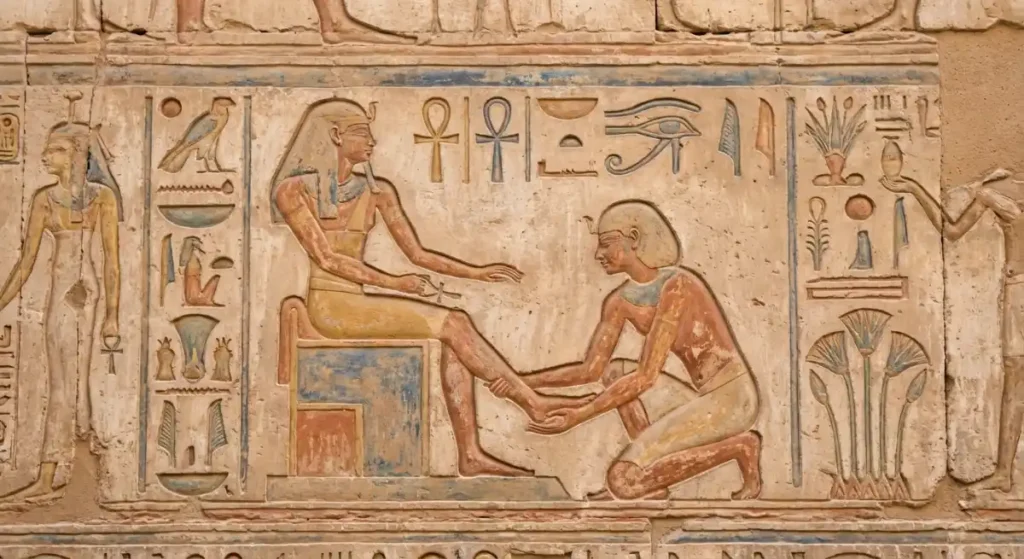
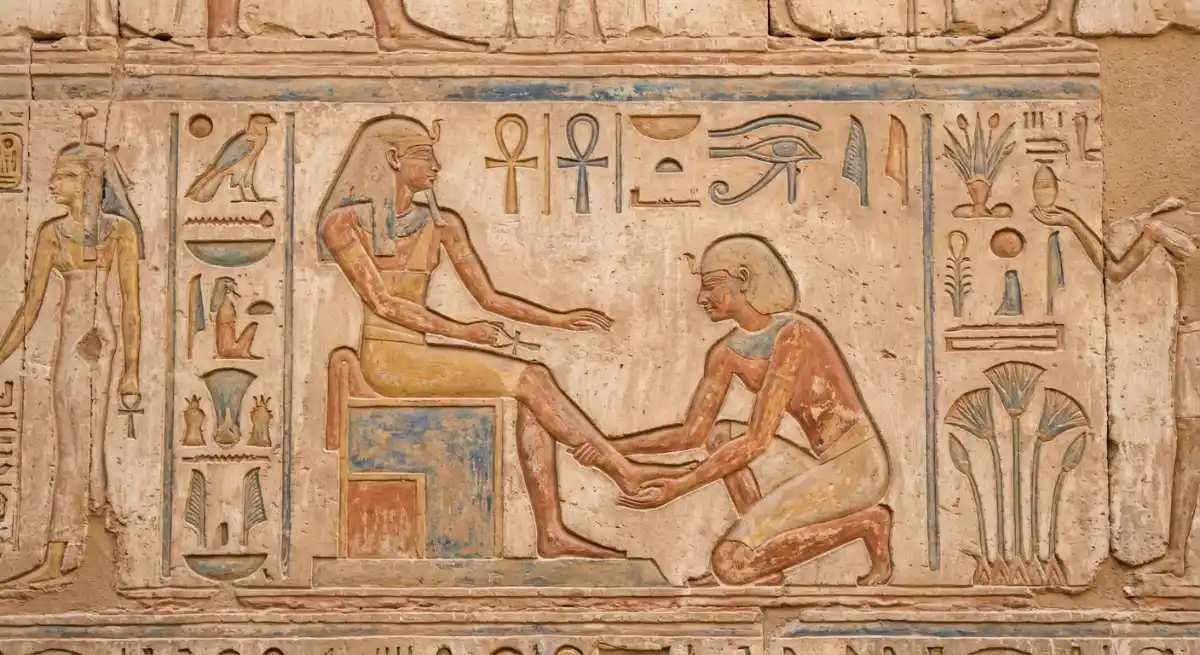
Evidence suggests that rudimentary forms of foot and hand therapy were practiced in ancient civilizations thousands of years ago. One of the most compelling pieces of evidence comes from an Egyptian tomb painting at Saqqara, dating back to approximately 2330 BC. This hieroglyph depicts two men receiving treatment on their feet and hands, accompanied by inscriptions that translate to “Don’t hurt me” and “I shall act so you praise me.” While not explicitly termed “reflexology,” this artwork strongly indicates the existence of therapeutic foot and hand work with medical intent. Similarly, ancient China is often cited as a cradle of various healing arts, including acupuncture and acupressure, which share conceptual similarities with reflexology, particularly concerning energy pathways and points on the body. Some historical accounts suggest that forms of foot massage were integral to traditional Chinese medicine practices as early as 4000 BC, aimed at balancing the body’s ‘Qi’ or life force.
Modern Revival: Dr. William Fitzgerald and Zone Therapy
The modern understanding and systematization of reflexology began to take shape in the late 19th and early 20th centuries. Dr. William H. Fitzgerald, an American ear, nose, and throat surgeon, is widely credited as the “father of modern reflexology.” In the early 1900s, Dr. Fitzgerald developed a system he called “Zone Therapy.” His clinical observations led him to discover that applying pressure to specific parts of the body, particularly the hands and feet, could produce an anesthetic effect in corresponding areas and even alleviate pain in distant parts of the body. He mapped the body into ten longitudinal zones, running from the head to the toes, asserting that each zone contained a specific set of organs and body parts. Applying pressure within a zone was believed to affect all structures within that zone. His work, detailed in his 1917 book “Zone Therapy, or Relieving Pain at Home,” laid the foundational scientific framework for what would later become reflexology.
For more detailed information on Zone Therapy, you can refer to authoritative sources such as Wikipedia’s entry on Zone Therapy.
Eunice Ingham: The Mother of Modern Reflexology
Building upon Dr. Fitzgerald’s Zone Therapy, physiotherapist Eunice D. Ingham further refined and developed the practice into what we recognize as modern reflexology. While working with Dr. Fitzgerald and Dr. Joe Riley, she observed that the reflex points on the feet were exceptionally sensitive and provided a precise map of the entire body. Ingham systematically charted the reflexes on the feet and hands, detailing how these points corresponded to specific organs and glands. She discovered that alternating pressure techniques were more effective than sustained pressure and developed the specialized thumb and finger walking techniques that are hallmarks of reflexology today. Her groundbreaking work, particularly her 1938 book “Stories the Feet Can Tell,” established the “Ingham Method” of reflexology, which emphasized the feet as a mirror of the body. Ingham dedicated her life to teaching and promoting reflexology, traveling extensively to educate health professionals and laypeople alike, thereby popularizing the practice globally and earning her the title “The Mother of Modern Reflexology.”
Understanding the Core Principles of Reflexology
To truly grasp reflexology, one must delve into the fundamental principles that govern its practice. For a more complete view, see Understanding Reflexology: A Comprehensive Guide. These concepts provide the theoretical backbone for why applying pressure to specific points on the extremities can yield systemic health benefits. It’s a system built on connections and energetic flows.
Zone Therapy: Mapping the Body’s Connections
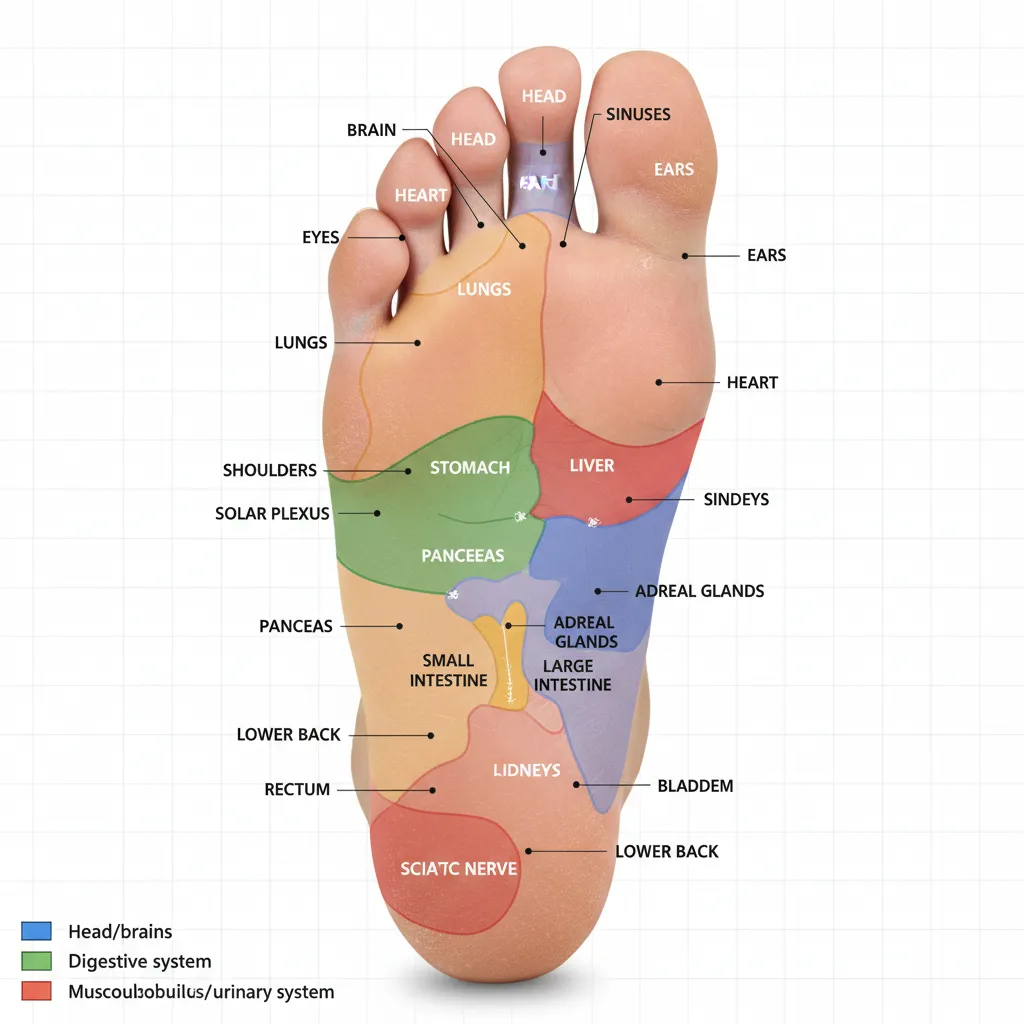
As pioneered by Dr. Fitzgerald and expanded by Eunice Ingham, Zone Therapy is the cornerstone of reflexology. This principle posits that the body is divided into ten longitudinal zones, five on each side of the body, extending from the fingertips to the toes and from the top of the head to the bottom of the feet. Any organ, gland, or body part located within a particular zone can be accessed through reflex points in that same zone on the hands or feet. For instance, the big toe might be in Zone 1, corresponding to the head and neck, while the little toe might be in Zone 5, relating to the shoulder and arm. This zonal arrangement implies an energetic pathway or nerve connection, suggesting that stimulating a reflex point within a zone can influence the entire zone, promoting balance and healing in corresponding areas of the body. Understanding these zones is crucial for practitioners to accurately locate and stimulate the appropriate reflex points for a client’s specific needs.
Reflex Points and Energy Pathways
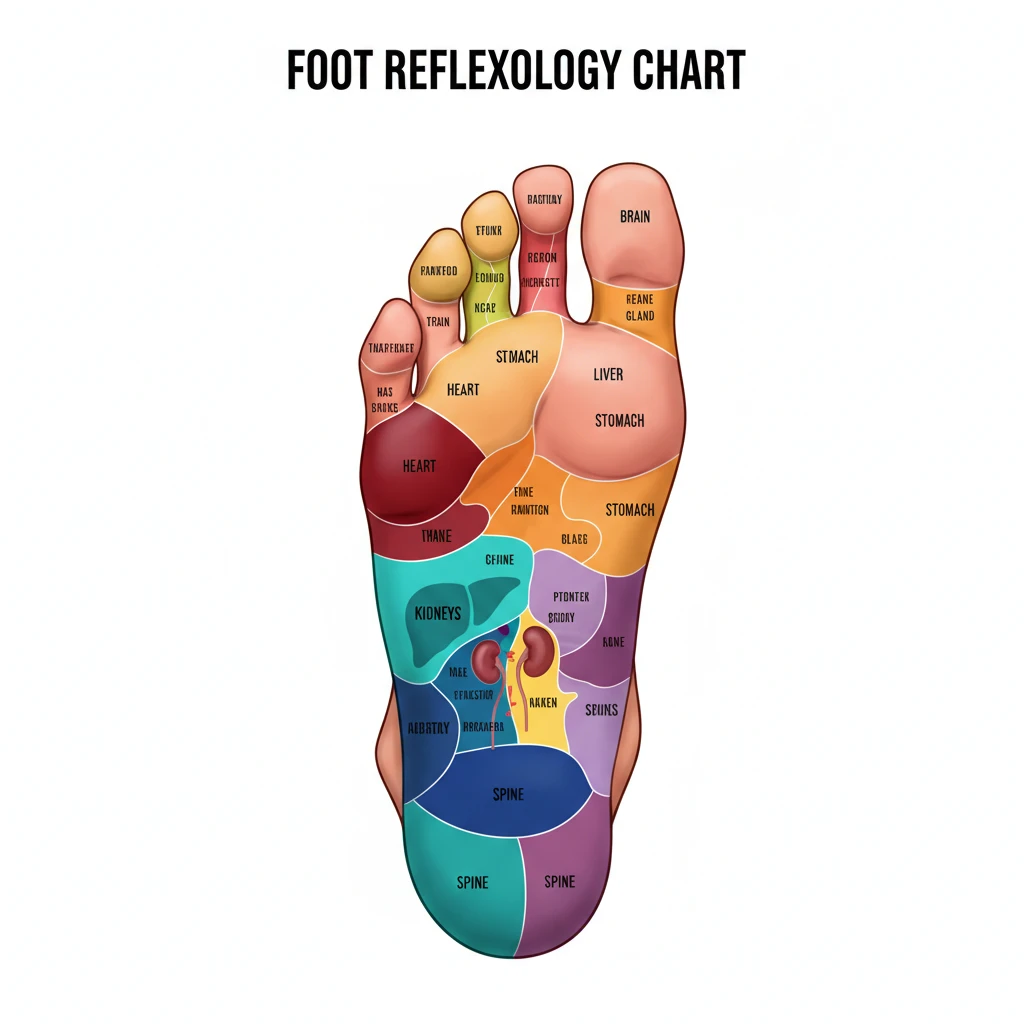
Beyond the overarching zones, reflexology identifies thousands of specific “reflex points” on the feet, hands, and ears. Each of these points is believed to correspond to a particular organ, gland, or anatomical structure. For example, the ball of the foot might relate to the lungs, the heel to the lower back, and specific areas of the arch to digestive organs. The theory suggests that applying pressure to these reflex points can clear blockages in the body’s energy pathways—often referred to as ‘Qi’ in traditional Chinese medicine or ‘life force’—allowing energy to flow freely. This improved energy flow is thought to enhance the body’s natural healing processes, reduce pain, and restore equilibrium. While modern science continues to explore the exact physiological mechanisms, many theories point to the involvement of the nervous system, biochemical releases, and improved circulation as key factors in reflexology’s efficacy.
The Role of the Central Nervous System
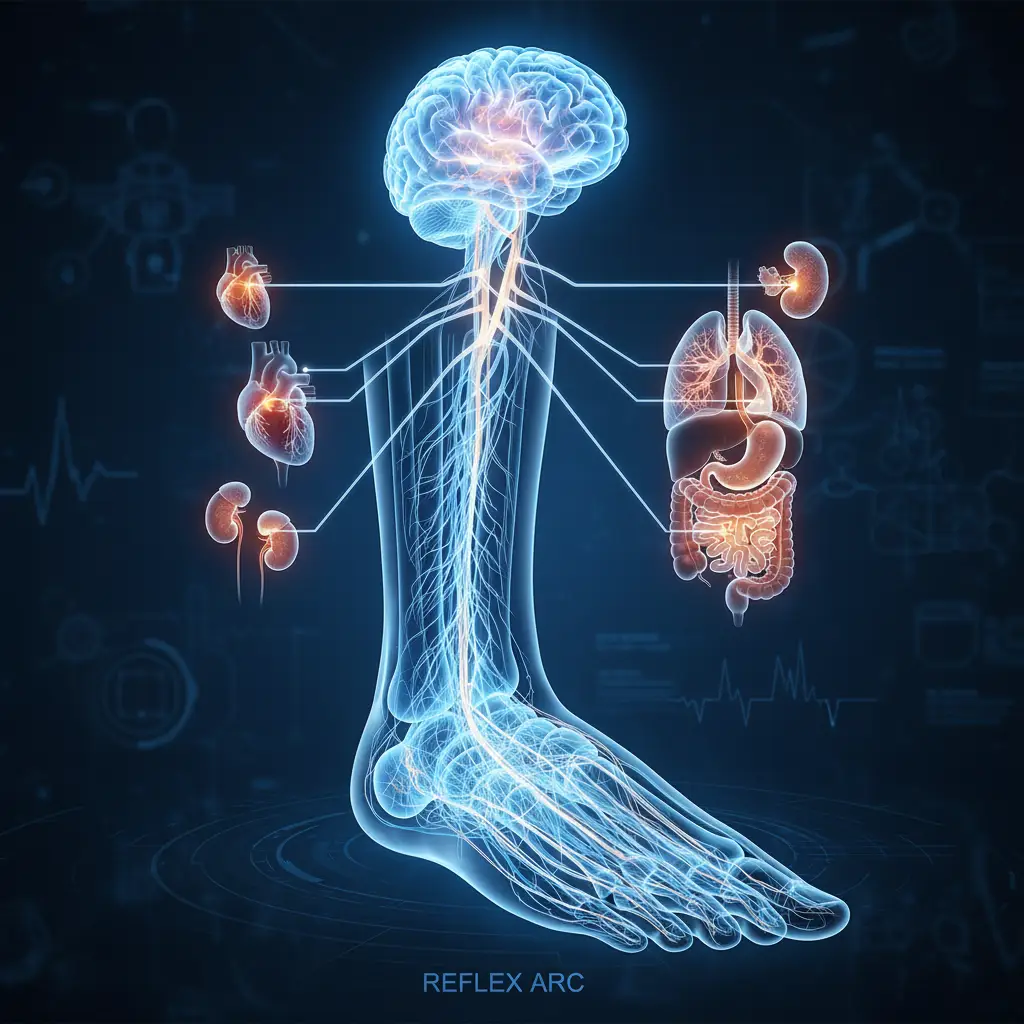
While often described in terms of energy pathways, the benefits of reflexology can also be understood through the lens of the central nervous system. The feet, hands, and ears are richly supplied with nerve endings, making them highly sensitive areas. When pressure is applied to a reflex point, it sends a signal through the peripheral nerves to the central nervous system, which then relays that signal to the corresponding organ or gland. This neurological connection can stimulate physiological responses such as increased blood flow, release of endorphins (natural painkillers), and a reduction in stress hormones like cortisol. By activating the parasympathetic nervous system, reflexology promotes a state of deep relaxation, allowing the body to shift from a “fight or flight” response to “rest and digest,” which is crucial for healing and recovery. This interplay between touch, nerve pathways, and brain response highlights the intricate scientific basis behind the holistic effects of reflexology. For further reading on the body’s stress response and the role of complementary therapies in wellness, the Mayo Clinic offers valuable insights into managing stress through various approaches.
What to Expect: A Typical Reflexology Session
For those new to reflexology, understanding the process can alleviate any apprehension and enhance the therapeutic experience. A typical session is designed to be a deeply relaxing and restorative experience, tailored to the individual’s specific health needs and preferences.
Initial Consultation and Assessment
Every professional reflexology session typically begins with a thorough initial consultation. The practitioner will discuss your health history, lifestyle, current health concerns, and any specific goals you have for the session. This might include questions about your diet, sleep patterns, stress levels, medications, and previous injuries or conditions. This comprehensive intake allows the reflexologist to gain a holistic understanding of your well-being and to identify areas of focus for the treatment. It also provides an opportunity for you to ask questions and express any concerns. Based on this assessment, the practitioner will devise a personalized treatment plan, ensuring the session is most beneficial for your unique situation.
The Treatment Process: Techniques and Sensations
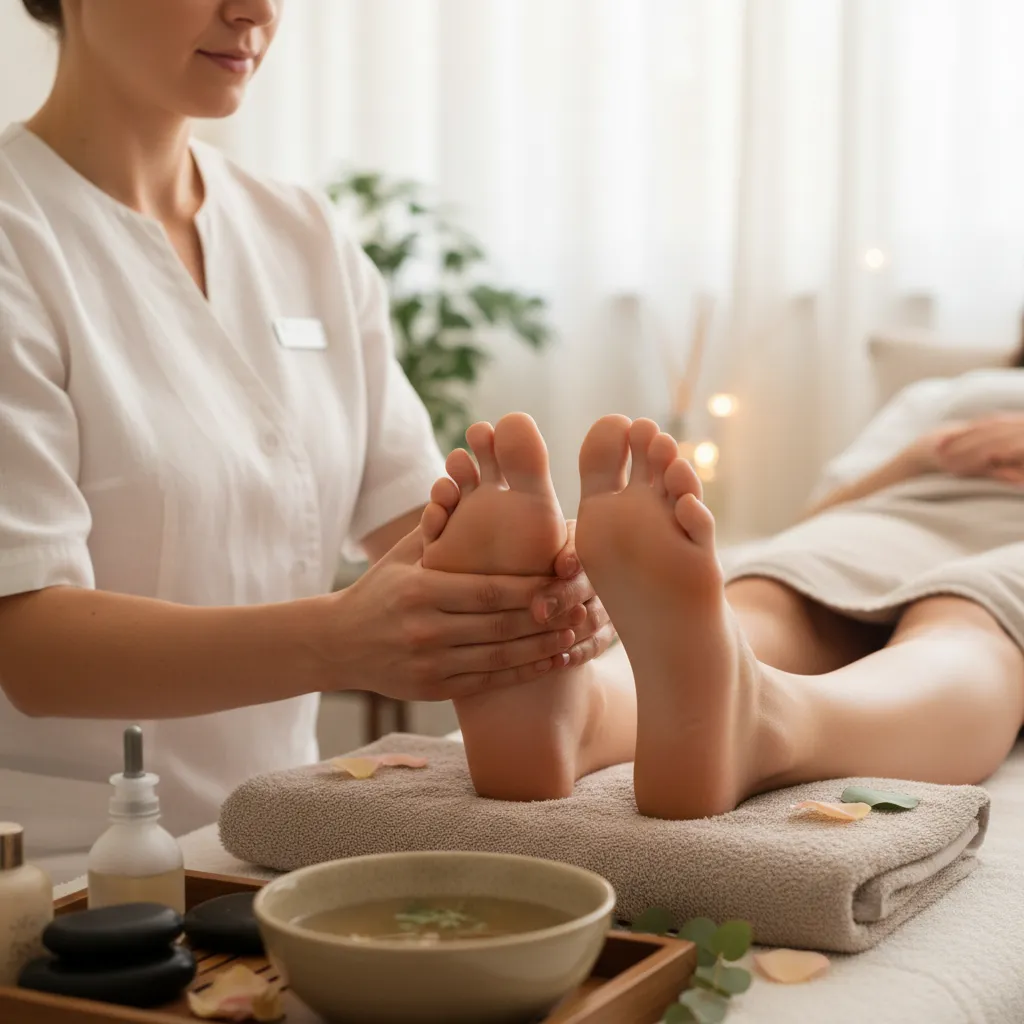
Once the consultation is complete, you will typically be asked to recline in a comfortable chair or on a massage table, usually remaining fully clothed except for your shoes and socks. The practitioner will then begin the treatment, most commonly focusing on the feet, though hands and ears can also be addressed. They will use their thumbs and fingers to apply various pressure techniques—often described as “thumb walking” or “finger walking”—to systematically work over the entire reflex map of the chosen area. The pressure can range from light to firm, depending on the client’s sensitivity and the practitioner’s technique. You may experience a range of sensations during the session, from pleasant warmth and tingling to a temporary tenderness or sharpness in certain reflex points. These tender spots often indicate areas of congestion or imbalance in the corresponding body part or organ, and the practitioner will work gently to encourage their release. The overall experience is usually one of profound relaxation, and many clients report feeling calm, grounded, or even falling asleep during the session. A typical session lasts between 45 to 60 minutes.
Post-Session Care and Recommendations
After the reflexology session, the practitioner will often offer a glass of water and encourage you to hydrate adequately over the next 24 hours. This helps to flush out toxins that may have been released during the treatment. You might feel deeply relaxed, energized, or even a little tired, as the body continues its healing processes. Some individuals may experience temporary detox symptoms, such as increased urination or slight emotional release, which are generally considered positive signs that the body is responding to the therapy. The reflexologist may provide personalized recommendations regarding lifestyle adjustments, self-care techniques, or suggestions for follow-up sessions to support your ongoing well-being. Regular reflexology sessions are often recommended for chronic conditions or for maintaining optimal health, with the frequency determined by individual needs and goals.
Reflexology vs. Other Complementary Therapies
While reflexology shares some common ground with other holistic practices, it possesses unique characteristics that set it apart. Understanding these distinctions is crucial for appreciating its specific benefits and for making informed choices about complementary health care.
Distinguishing from Massage Therapy
Perhaps the most common confusion arises when comparing reflexology to general massage therapy. While both involve touch and promote relaxation, their underlying philosophies and techniques differ significantly. Massage therapy typically focuses on manipulating muscles, connective tissue, and soft tissues across the entire body to relieve muscle tension, improve circulation, and promote overall relaxation. It often involves broad strokes, kneading, and friction. Reflexology, conversely, is a more targeted pressure technique applied specifically to reflex points on the feet, hands, and ears. It is not about muscular manipulation but rather about stimulating neurological pathways and energy zones to affect corresponding internal organs and systems. A reflexologist works with precision on specific points, aiming for a systemic effect beyond local muscle relaxation. While a foot massage might feel good, a reflexology session is a therapeutic treatment aimed at restoring balance throughout the entire body.
Differences from Acupressure and Acupuncture
Reflexology also shares conceptual similarities with traditional Chinese medicine practices like acupressure and acupuncture, particularly in their use of specific points on the body to influence health. However, key differences exist. Acupressure and acupuncture are based on the concept of ‘meridians’—invisible energy channels that run throughout the body, each associated with specific organs. Practitioners apply pressure (acupressure) or insert thin needles (acupuncture) into ‘acupoints’ located along these meridians to unblock energy flow and restore balance. While reflexology also works with ‘energy pathways’ and specific points, its primary framework is Zone Therapy, which divides the body into longitudinal zones, and it specifically focuses on the reflex maps on the feet, hands, and ears. The theoretical maps and the points used in reflexology are distinct from the meridian and acupoint systems of Chinese medicine, even if some points may overlap in location. Reflexology is also non-invasive, relying solely on hand pressure, unlike acupuncture.
To learn more about acupressure and its principles, you might explore resources from reputable health organizations or academic institutions that delve into traditional Chinese medicine.
Complementary, Not Alternative
It is important to emphasize that reflexology is a complementary therapy, not an alternative one. This means it is intended to be used alongside conventional medical care, not as a replacement for it. Reflexologists do not diagnose, prescribe, or treat specific medical conditions in the same way a medical doctor does. Instead, reflexology aims to support the body’s natural healing mechanisms, reduce stress, and improve overall well-being, thereby complementing conventional treatments. Many individuals find that reflexology helps manage symptoms, reduce side effects of medical treatments, and improve their quality of life. Always consult with your primary healthcare provider before starting any new complementary therapy, especially if you have existing health conditions or are undergoing medical treatment.
The Potential Benefits of Regular Reflexology
The consistent practice of reflexology offers a wide array of potential benefits that contribute to both physical and mental well-being. While individual experiences may vary, many clients report significant improvements in various aspects of their health.
- Stress Reduction and Deep Relaxation: One of the most immediate and universally reported benefits of reflexology is its profound ability to induce relaxation. By stimulating the parasympathetic nervous system, it helps to calm the mind, reduce anxiety, and alleviate the physical manifestations of stress, such as muscle tension and fatigue.
- Improved Circulation: The pressure techniques used in reflexology can enhance blood and lymphatic circulation throughout the body. Improved circulation means better delivery of oxygen and nutrients to cells and more efficient removal of waste products, contributing to overall vitality.
- Pain Management: Many individuals seek reflexology for chronic pain conditions, including back pain (and conditions like Supportive Therapy for Herniated Discs), headaches, migraines, and arthritis. By releasing tension and promoting the body’s natural painkillers (endorphins), reflexology can significantly reduce discomfort.
- Enhanced Detoxification: By stimulating organs like the liver, kidneys, and intestines, reflexology can support the body’s natural detoxification processes, helping to eliminate toxins and metabolic waste more efficiently.
- Better Sleep Quality: With its stress-reducing and relaxation-inducing effects, reflexology is often highly effective in improving sleep patterns and alleviating insomnia, leading to more restorative rest.
- Boosted Mood and Energy Levels: Regular sessions can help balance the nervous system and release emotional blockages, leading to improved mood, reduced symptoms of depression, and a natural increase in energy. This can also offer specific support, such as Reflexology for Grief and Loss.
- Support for Digestive Issues: Specific reflex points correspond to digestive organs, and their stimulation can help alleviate common issues such as constipation, bloating, and indigestion.
- Hormonal Balance: Reflexology is often used to support hormonal balance, particularly beneficial for women experiencing menstrual discomfort, PMS symptoms, or menopausal changes.
- Immune System Support: By reducing stress and improving circulation, reflexology can indirectly support the immune system, making the body more resilient to illness.
It’s important to remember that reflexology is a complementary therapy and should be part of a broader wellness strategy, not a substitute for medical advice or treatment.
Reflexology in Auckland: Finding a Practitioner
For residents of Auckland looking to experience the benefits of reflexology, finding a qualified and reputable practitioner is a straightforward process, ensuring you receive high-quality, professional care. Auckland’s vibrant wellness scene offers numerous options for holistic therapies, including dedicated reflexology clinics and practitioners within broader health centers.
When searching for a reflexologist in Auckland, consider the following:
- Qualifications and Certification: Look for practitioners who have completed accredited training programs. In New Zealand, reputable certifications ensure a high standard of education and ethical practice. Many practitioners will display their certifications and association memberships.
- Experience: An experienced reflexologist will have a deeper understanding of the intricate reflex maps and a more refined touch. Don’t hesitate to ask about their years of practice and specializations.
- Client Testimonials and Reviews: Online reviews and personal recommendations can offer valuable insights into a practitioner’s approach, effectiveness, and client satisfaction.
- Specialization: Some reflexologists may specialize in areas such as fertility reflexology, maternity reflexology, or working with specific conditions like stress or pain management. If you have a particular concern, look for a practitioner with relevant expertise.
- Initial Consultation: A good practitioner will always offer an initial consultation to discuss your health history and goals. This is an great opportunity to assess their professionalism, communication style, and whether you feel comfortable with them.
- Clinic Environment: The setting should be clean, calming, and conducive to relaxation. A professional and welcoming atmosphere enhances the therapeutic experience.
- Professional Associations: Check if the practitioner is a member of a professional reflexology association in New Zealand, such as Reflexology New Zealand. Membership often signifies adherence to a code of ethics and ongoing professional development.
Investing in your well-being with reflexology in Auckland can be a rewarding step towards a more balanced and healthier lifestyle. Take the time to find a practitioner who aligns with your needs and promotes a sense of trust and comfort.
Conclusion: Embracing Holistic Wellness with Reflexology
Reflexology stands as a powerful and ancient healing art, gracefully navigating the bridge between historical wisdom and modern holistic health. From its intriguing depictions in ancient Egyptian tombs and early Chinese medical texts to its systematic development by pioneers like Dr. William Fitzgerald and Eunice Ingham, its journey is a testament to the enduring human quest for natural wellness. Rooted in the principles of Zone Therapy and the intricate mapping of reflex points on the feet, hands, and ears, reflexology offers a unique pathway to stimulate the body’s inherent capacity for self-healing and balance. It is a non-invasive therapy that, through skilled and targeted touch, aims to reduce stress, improve circulation, manage pain, and support overall physiological and psychological equilibrium. By understanding its distinct identity, separate yet complementary to massage or acupressure, individuals can better appreciate its profound potential. Whether seeking relief from specific ailments or simply desiring a deeper state of relaxation and well-being, reflexology offers a gentle yet effective approach to enhancing vitality. As a cornerstone of complementary health, it encourages us to listen to our bodies, embrace holistic practices, and unlock the profound benefits that lie within our own two feet.
People Also Ask About Reflexology
Is reflexology scientifically proven?
While large-scale clinical trials are ongoing, a growing body of research supports reflexology’s effectiveness in managing stress, pain, and improving quality of life for various conditions. Studies suggest it can activate the parasympathetic nervous system, improve blood flow, and release endorphins. Many health organizations recognize its value as a complementary therapy.
What conditions can reflexology help with?
Reflexology is widely used to alleviate stress and anxiety, improve sleep disorders, reduce pain (e.g., headaches, back pain, arthritis), support digestive issues, and assist with hormonal imbalances (e.g., PMS, menopause). It is also used to enhance general well-being and boost energy levels.
Does reflexology hurt?
Typically, reflexology should not be painful, though some points may feel tender or sensitive, indicating an area of imbalance or congestion. The pressure applied is adjusted to your comfort level. Most people find the experience deeply relaxing and pleasant, even if a few spots feel momentarily sharp.
How often should I have reflexology sessions?
The frequency of sessions depends on individual needs and health goals. For acute conditions or initial treatment, weekly sessions might be recommended. For chronic issues or general wellness maintenance, bi-weekly or monthly sessions are common. Your practitioner will discuss a suitable plan with you.
Are there any side effects or contraindications for reflexology?
Reflexology is generally very safe. Mild side effects might include increased urination, slight fatigue, or heightened emotions as the body detoxifies. Contraindications include certain foot injuries, deep vein thrombosis, active infections, or pregnancy complications. Always inform your practitioner of your full health history and any medical conditions.