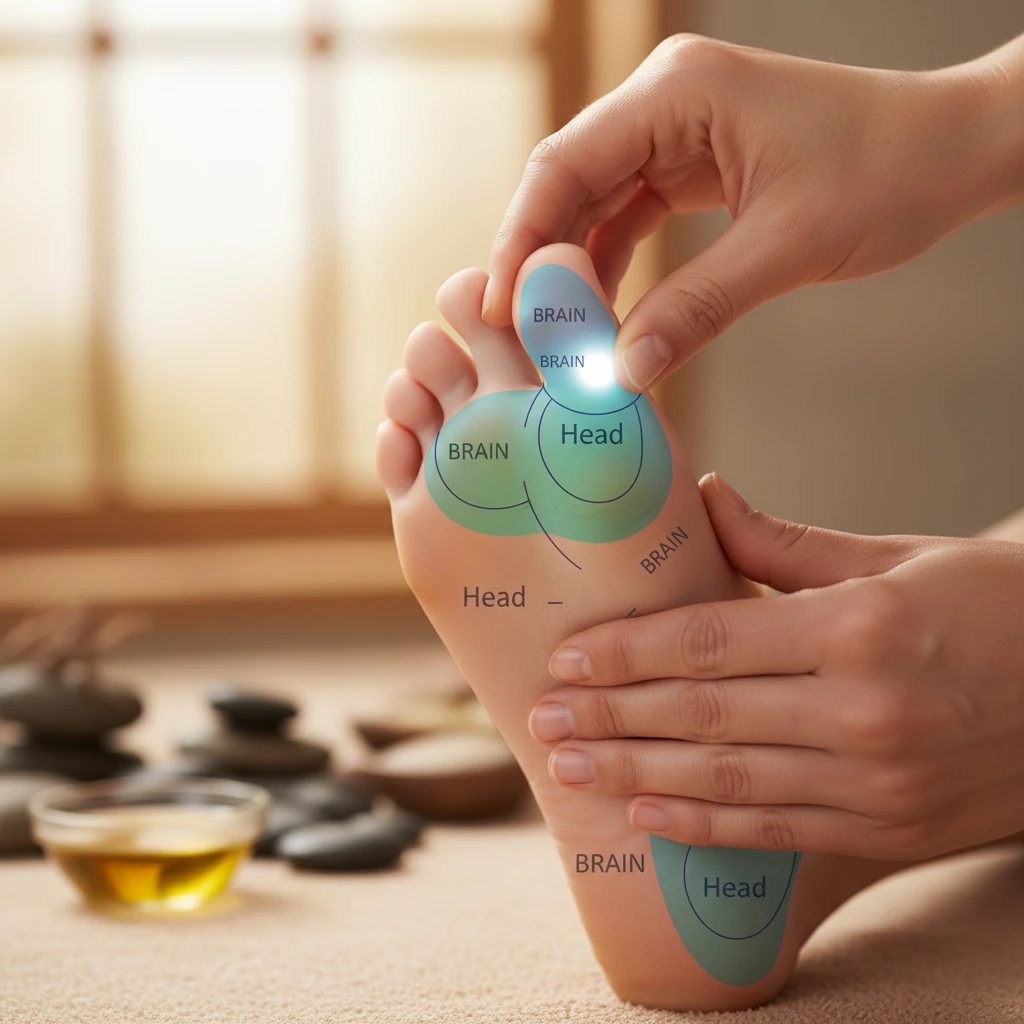
Reflexology for grief involves applying pressure to specific reflex points on the feet, hands, or ears that correspond to organs, glands, and energy zones in the body. This gentle, non-invasive therapy aims to support emotional release, reduce stress, and promote a sense of calm and balance for individuals navigating the profound experience of loss.
Understanding Reflexology for Grief and Loss
Grief is a profound and intensely personal journey, a natural human response to loss that can manifest in myriad physical, emotional, and spiritual ways. While there is no single “cure” for grief, various supportive therapies can offer comfort, alleviate symptoms, and provide a safe space for processing complex emotions. Reflexology, an ancient healing art, emerges as a remarkably gentle yet powerful complementary therapy in this context. By focusing on reflex points that map to the body’s systems, reflexology helps to restore equilibrium, reduce the overwhelming physical tension often accompanying sorrow, and encourage the body’s innate healing mechanisms.
In times of loss, the body often holds onto pain, manifesting as fatigue, anxiety, insomnia, digestive issues, and a general sense of unease. Reflexology offers a holistic approach, acknowledging the intricate connection between our physical and emotional states. A skilled reflexologist works with compassion and sensitivity, creating a nurturing environment where individuals can simply “be” with their grief, allowing the therapeutic touch to facilitate release and comfort. This practice doesn’t aim to erase grief but rather to support the grieving individual through their journey, providing moments of respite and fostering resilience.
Lung Reflexes and Processing Grief
The Lungs: Seat of Sorrow in Traditional Chinese Medicine
In Traditional Chinese Medicine (TCM), the lungs are deeply associated with the emotion of grief and sadness. This vital organ pair is believed to govern the inhalation of “Qi” (life force energy) and is responsible for respiration, immunity, and the distribution of energy throughout the body. When one experiences profound loss, it’s common to feel a constriction in the chest, shortness of breath, or a persistent cough, which TCM attributes to stagnant lung Qi. Unprocessed grief can reside in the lungs, leading to physical symptoms and a heavy, melancholic emotional state. Working on the lung reflexes can help to release this held emotion, allowing for deeper breaths and a sense of liberation.
Physical Manifestations of Grief in the Respiratory System
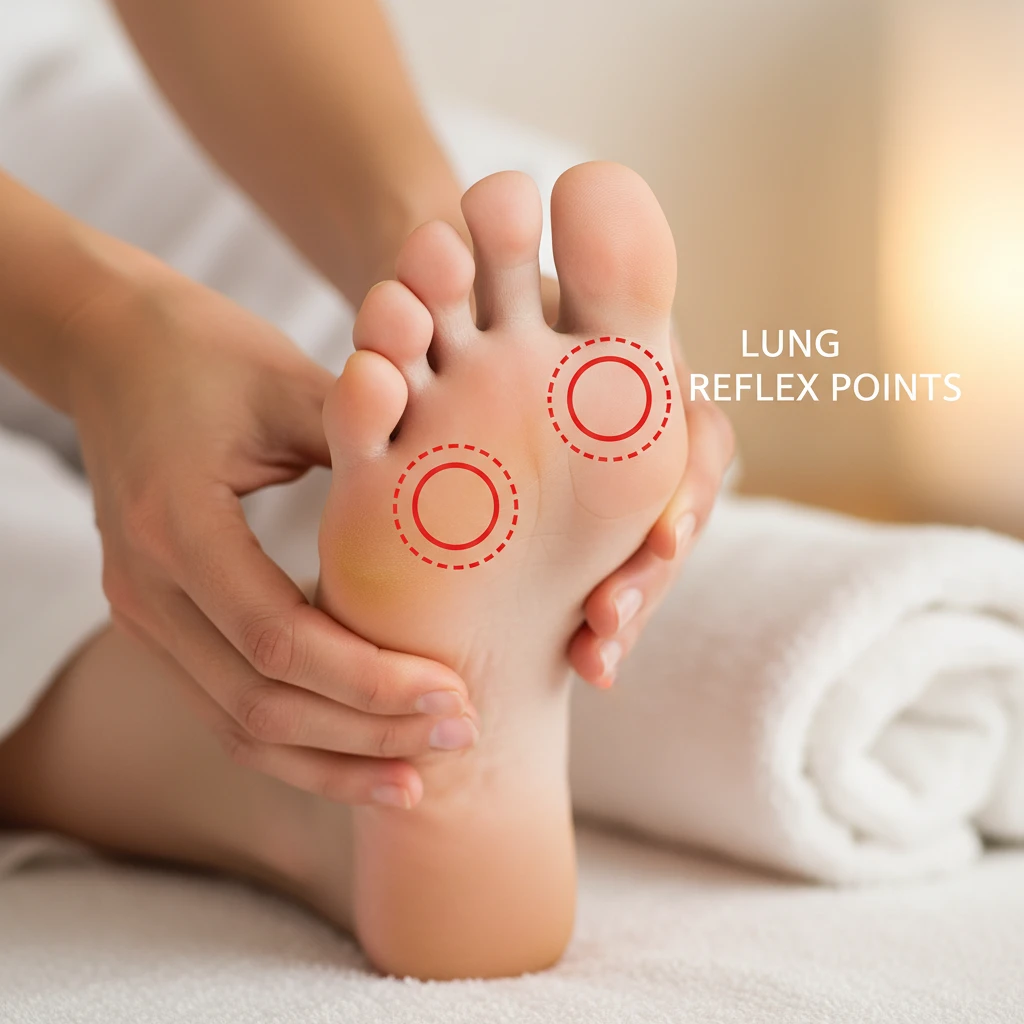
The physiological impact of grief often extends to the respiratory system. Individuals experiencing loss might report frequent sighing, a feeling of an oppressive weight on their chest, difficulty taking a full breath, or even conditions like asthma or chronic bronchitis worsening during intense periods of mourning. These are often direct reflections of emotional congestion. Reflexology targets the lung reflex points, primarily located on the balls of the feet and the pads of the fingers. Gentle, consistent pressure on these areas can stimulate energy flow, encourage deeper breathing, and help to physically release the tension and tightness associated with emotional pain. This encourages the diaphragm to relax, promoting more efficient oxygen intake and a calming effect on the nervous system.
Targeting Lung Reflex Points for Emotional Release
During a reflexology session focused on grief, a practitioner will pay particular attention to the lung reflexes. The techniques used are typically gentle compression, rotation, and kneading, designed to be deeply soothing rather than intensely stimulating. As these points are worked, clients may experience a sense of emotional release, which could manifest as tears, sighs, or a feeling of lightness. This is a natural and healthy part of the healing process, as the body lets go of stored sadness. Beyond the direct emotional benefits, stimulating lung reflexes can also improve circulation to the respiratory system, bolster immune function, and enhance overall vitality, providing much-needed physical support during a time when the body is often under immense stress.
Heart Chakra Balancing and Emotional Opening
The Heart Chakra and Its Role in Emotional Healing
In many spiritual and energetic traditions, including the chakra system, the heart chakra (Anahata) is considered the center of love, compassion, connection, and emotional balance. When we experience grief and loss, this energy center can become heavily impacted, leading to feelings of profound sadness, isolation, anger, or even numbness. A blocked or unbalanced heart chakra can manifest as a feeling of being shut down, an inability to give or receive love, or physical discomfort in the chest area. Reflexology offers a unique way to gently approach and support the heart chakra, encouraging its re-opening and the free flow of healing energy.
Addressing the Emotional Weight on the Heart
Grief often feels like a literal weight on the heart, a crushing burden that can lead to heartache, palpitations, or a general sense of vulnerability. This intense emotional pressure can disrupt the body’s natural rhythms and energetic balance. A reflexology session focused on grief will carefully address reflex points associated with the heart and surrounding areas. The aim is to alleviate physical tension, calm the nervous system, and create a sense of spaciousness within the chest, allowing for emotional release without overwhelming the individual. The practitioner’s compassionate touch serves as a gentle invitation for the heart to soften and begin its journey of healing, recognizing that this process occurs at its own pace.
Reflexology Techniques for Heart and Thymus Gland
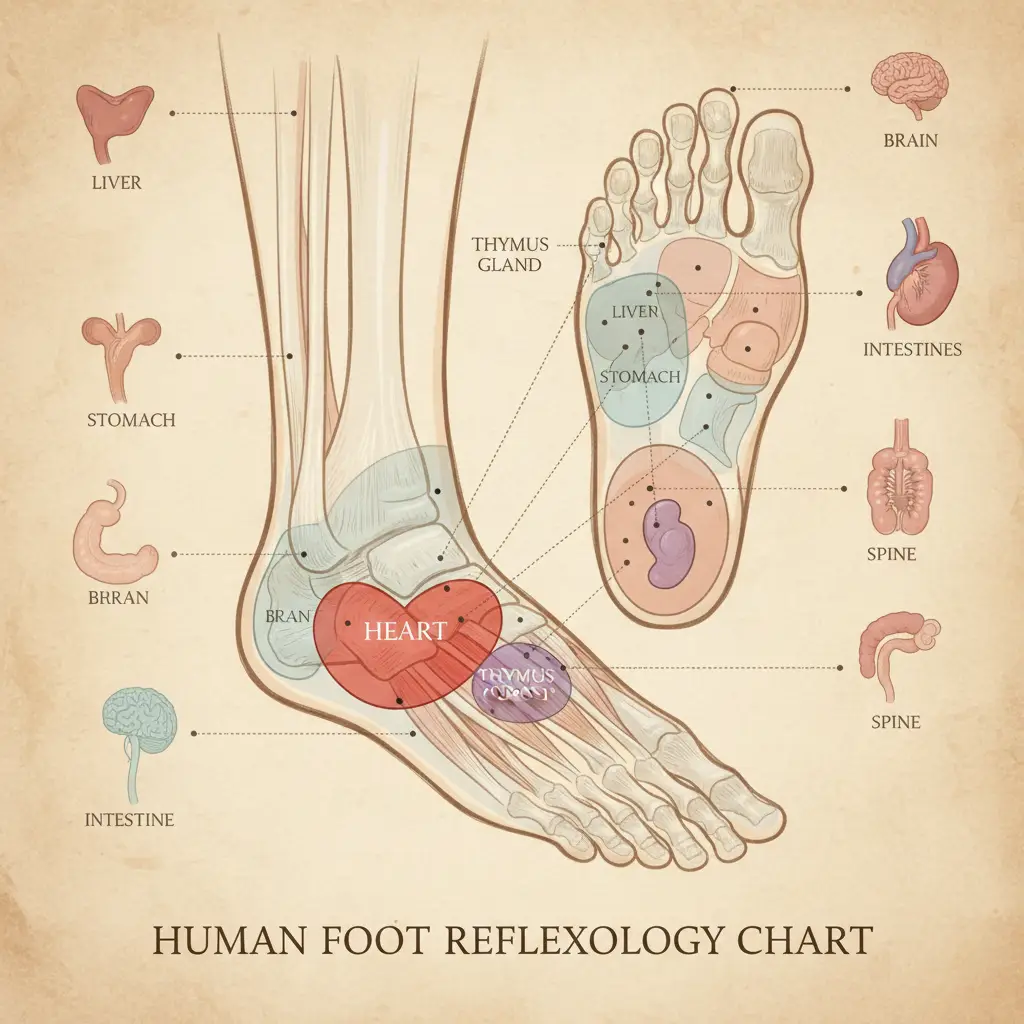
Key reflex points for supporting the heart chakra are found on the feet, typically beneath the ball of the foot, corresponding to the chest area. Additionally, the thymus gland, an important immune organ located behind the breastbone and often linked to the heart chakra’s energetic functions, also has corresponding reflex points. Gentle thumb walking and sustained pressure on these areas can help to stimulate energy flow, reduce congestion, and promote a sense of emotional warmth and connection. This work is performed with extreme sensitivity, recognizing the emotional vulnerability of someone in grief. The intention is to soothe, comfort, and provide energetic support, helping to release emotional blocks and foster a renewed sense of hope and capacity for love, even amidst profound sorrow. For more insights into how reflexology can support emotional well-being, explore resources from the Association of Reflexologists (AoR).
Grounding Techniques During Emotional Turmoil
The Importance of Grounding Amidst Grief
When experiencing grief, individuals often describe feeling disconnected, disoriented, or as if they are “floating” outside of their body. This sensation of ungroundedness is a natural response to emotional turmoil, as the mind struggles to cope with overwhelming feelings. Grounding is the practice of connecting with the present moment and the physical body, helping to bring a sense of stability, safety, and calm when emotions feel chaotic. For someone navigating intense grief, grounding can be a crucial tool for managing anxiety, panic, and the feeling of being overwhelmed. It helps anchor them, even momentarily, in the reality of the here and now, preventing them from being swept away by emotional tides.
Reflex Points for Stability and Calm
Reflexology is inherently a grounding therapy, particularly when applied to the feet. The feet are our primary connection to the earth, and working on them naturally promotes a sense of rootedness. Specific reflex points that aid in grounding include the adrenal glands (for calming the stress response), the solar plexus (often considered the energetic center for fear and anxiety), and the heel and base of the foot (associated with stability and connection to the earth). Applying gentle yet firm pressure to these areas can help to quiet an overactive mind, soothe the nervous system, and restore a sense of security. This physical connection to the earth through the feet can be incredibly therapeutic, especially when one feels adrift in their emotions.
Practical Grounding Protocols in Reflexology Sessions
During a reflexology session for grief, a practitioner will often integrate specific grounding protocols. This might involve longer, sustained holds on the heel and sole of the foot, deep but gentle thumb rotations on the adrenal and solar plexus points, and rhythmic, repetitive strokes along the spine reflex to promote deep relaxation. The environment of the session itself is designed to be grounding, with soft lighting, comforting aromas, and a quiet atmosphere. The entire experience of having one’s feet held and worked on can be profoundly grounding, bringing attention back to the physical body in a gentle and supportive way. This helps to re-establish a sense of presence and control, vital for those feeling emotionally unmoored. Learning more about effective grief processing can be found at resources like The Grief Recovery Institute.

Gentle, Non-Invasive Protocols for Grief Support
Tailoring Sessions for Vulnerable States
The experience of grief leaves an individual incredibly vulnerable, both emotionally and physically. Therefore, reflexology protocols for grief support must be exceptionally gentle, empathetic, and adaptable. A skilled reflexologist understands that what might be comforting one day could be overwhelming the next. Sessions are tailored to the client’s current emotional state, energy levels, and comfort. The pressure applied is always gentle, never causing pain or discomfort. The focus is on soothing the nervous system, encouraging relaxation, and creating a sense of safety rather than intense stimulation. This personalized approach respects the individual’s process, allowing them to lead the pace of their healing journey without feeling pushed or hurried.
Creating a Safe and Nurturing Environment
The therapeutic environment plays a critical role in supporting a grieving individual. A reflexology session for grief extends beyond just the physical touch; it encompasses the entire atmosphere created by the practitioner. This includes a quiet, private space free from distractions, where the client feels secure and unjudged. Soft lighting, calming music, and a comfortable temperature contribute to an ambiance of peace and sanctuary. The practitioner’s demeanor – compassionate, patient, and understanding – is paramount. By fostering an environment of unconditional acceptance, reflexology provides a haven where individuals can safely express their emotions, whether through tears, quiet reflection, or simply allowing themselves to feel a moment of peace.
The Art of Compassionate Touch
At the heart of reflexology for grief is the profound power of compassionate touch. In times of loss, many individuals may feel isolated or untouched, literally and figuratively. The gentle, consistent touch of a reflexologist can be incredibly affirming and comforting, reminding the individual that they are not alone and that their pain is acknowledged. This non-verbal communication fosters a deep sense of being cared for, which is a fundamental human need often overlooked in the intensity of grief. The therapeutic touch helps to release oxytocin, the “love hormone,” promoting feelings of connection and well-being. It is a powerful antidote to the emotional numbness or hypersensitivity that grief can bring, offering a pathway back to feeling a gentle, supportive presence.
The Holistic Impact of Reflexology on Grief
Alleviating Physical Symptoms of Grief
Grief manifests not only emotionally but also profoundly physically. Common somatic symptoms include headaches, muscle aches, digestive disturbances, fatigue, insomnia, and a weakened immune system. Reflexology, by working on specific reflex points, encourages the body’s natural healing mechanisms. By targeting points related to the nervous system, endocrine glands, and digestive organs, it helps to alleviate physical discomfort, improve sleep patterns, boost energy levels, and strengthen immunity. This physical relief is crucial, as it allows the grieving individual to regain some much-needed strength and resilience, making the emotional processing of loss more manageable. The reduction of physical stress creates a foundation for deeper emotional healing.
Promoting Emotional Release and Resilience
One of the most profound benefits of reflexology for grief is its ability to facilitate emotional release. By stimulating reflex points connected to various organs and energy pathways, it can help to unblock stagnant emotions that have become trapped in the body. Clients often report feeling a sense of catharsis, sometimes shedding tears during a session, followed by a feeling of lightness and calm. This gentle encouragement of emotional expression, without pressure or judgment, is vital for healthy grief processing. Furthermore, by balancing the nervous system and reducing stress hormones, reflexology helps to build emotional resilience, empowering individuals to navigate the fluctuating landscape of grief with greater inner strength and coping capacity.
Fostering a Sense of Peace and Well-being
Beyond alleviating specific symptoms, reflexology cultivates an overarching sense of peace and well-being. The deep relaxation induced by the therapy helps to shift the body from a “fight or flight” stress response to a “rest and digest” state. This physiological shift is vital for healing, promoting a sense of calm and mental clarity that is often elusive during grief. Regular sessions can help to restore a sense of balance and harmony, both internally and externally. This renewed sense of well-being doesn’t erase the pain of loss but provides moments of respite and a reminder of the body’s innate capacity for self-healing and adaptation. It offers a gentle pathway toward integrating the loss and finding a new sense of purpose and peace.
Integrating Reflexology into Your Grief Journey
Complementary Therapies and Holistic Support
Reflexology should be seen as a complementary therapy, enhancing the benefits of other forms of grief support rather than replacing them. It integrates seamlessly with counseling, support groups, mindfulness practices, and other forms of self-care. When combined with talk therapy, for instance, reflexology can help process emotions that are difficult to articulate verbally, providing a non-verbal outlet for pain and stress. It supports the whole person – mind, body, and spirit – recognizing that grief impacts every aspect of one’s being. A holistic approach to grief acknowledges that healing is multifaceted, and integrating various supportive modalities can provide the most comprehensive and compassionate care.
Finding a Qualified Reflexologist
When seeking reflexology for grief, it is paramount to find a qualified and compassionate practitioner. Look for reflexologists who are certified by reputable associations and who have experience working with clients experiencing emotional distress or trauma. Don’t hesitate to ask about their approach to working with grief and their philosophy of care. A good practitioner will prioritize your comfort, listen attentively to your needs, and adjust their techniques accordingly. Establishing a trusting relationship with your reflexologist is key to feeling safe and allowing yourself to fully experience the therapeutic benefits. Referrals from other healthcare professionals or grief counselors can also be a valuable resource in finding the right support.
Self-Care Practices for Ongoing Healing
While professional reflexology sessions are profoundly beneficial, integrating self-care reflexology techniques into your daily routine can provide ongoing support. Simple hand or foot massages, focusing on general relaxation points or specific points for stress relief and grounding, can be done at home. These self-care practices empower individuals to take an active role in their healing, fostering a sense of control and agency during a time when much may feel out of control. Combining these personal practices with professional sessions, adequate rest, nourishing food, gentle movement, and connection with supportive loved ones creates a powerful framework for navigating the complex and often lengthy journey of grief with greater ease and resilience.
People Also Ask About Reflexology for Grief
How does reflexology specifically help with emotional pain from grief?
Reflexology aids emotional pain by stimulating specific points on the feet, hands, or ears that correspond to emotional centers and organs like the lungs and heart. This stimulation can help release stagnant energy, reduce tension, promote relaxation, and facilitate the natural processing and release of trapped emotions associated with loss. It creates a safe space for the body to relax and begin healing.
Is reflexology painful when dealing with grief-related tension?
No, reflexology for grief is typically gentle and should not be painful. A skilled practitioner will use light to moderate pressure, adjusting techniques to your comfort level, especially given the emotional sensitivity associated with grief. The goal is to soothe and relax, not to cause discomfort.
How many reflexology sessions are recommended for someone experiencing grief?
The number of sessions varies greatly depending on the individual’s needs, the nature of their grief, and how they respond to the therapy. Initially, weekly sessions might be beneficial for a few weeks to establish support, then gradually spaced out to bi-weekly or monthly as comfort and stability improve. Your reflexologist can help create a personalized plan.
Can reflexology help with the physical symptoms of grief, like insomnia or fatigue?
Yes, reflexology is often highly effective in addressing the physical symptoms commonly associated with grief. By calming the nervous system and promoting deep relaxation, it can significantly improve sleep quality and reduce fatigue. Additionally, it can aid digestion, alleviate headaches, and ease muscle tension, providing comprehensive physical support during a difficult time.
Is reflexology a substitute for traditional grief counseling or therapy?
No, reflexology is a complementary therapy and should not be considered a substitute for traditional grief counseling, psychotherapy, or medical treatment. It works best as an adjunct, providing holistic support for the physical and emotional challenges of grief while other professionals address the psychological aspects. Always consult with your healthcare provider for comprehensive grief support.
What are the main benefits of using reflexology for grief and loss?
The main benefits of reflexology for grief include profound relaxation, reduction of stress and anxiety, improved sleep, alleviation of physical symptoms like muscle tension and digestive issues, promotion of emotional release, enhanced grounding, and fostering a sense of peace and overall well-being. It provides a nurturing space for the body and mind to process and integrate loss.