Self-reflexology techniques for beginners involve applying specific pressure to reflex points on the hands and feet to stimulate the body’s natural healing processes and promote overall well-being. These accessible methods offer a simple, non-invasive way to alleviate stress, manage discomfort, and enhance daily health from the comfort of your home, empowering individuals to take an active role in their wellness journey.
Understanding Self-Reflexology: A Gateway to Wellness
Reflexology is an ancient holistic healing practice rooted in the belief that specific points on the feet, hands, and ears correspond to different organs, glands, and parts of the body. By applying pressure to these reflex zones, practitioners aim to stimulate the body’s natural healing capabilities, improve circulation, and promote overall balance. While traditionally performed by a trained therapist, self-reflexology empowers individuals to tap into these benefits themselves, offering a convenient and personal approach to wellness.
The Science Behind Reflexology
While often considered an alternative therapy, reflexology’s underlying mechanisms are thought to involve the nervous system. The theory suggests that applying pressure to reflex points sends signals through nerve pathways to the corresponding body parts, helping to unblock energy pathways and restore equilibrium. Modern research continues to explore these connections, with many studies pointing to its efficacy in stress reduction and pain management. For a deeper dive into the historical and scientific context, one can explore resources like Wikipedia’s overview of Reflexology, which provides comprehensive insights into its development and applications.
Why Self-Reflexology? Accessibility and Empowerment
The beauty of self-reflexology lies in its accessibility. You don’t need special equipment or a dedicated appointment; your hands and feet are always with you. This makes it an incredibly empowering practice, allowing you to proactively address minor discomforts, manage daily stress, and foster a greater sense of well-being. It’s a personal toolkit for health that you can deploy whenever and wherever you need it, seamlessly integrating into your daily routine without external dependency.
Unlocking the Benefits of Practicing Self-Reflexology at Home
Engaging in regular self-reflexology offers a myriad of advantages that can significantly contribute to your daily wellness. It’s more than just a momentary relaxation technique; it’s a practice that can foster long-term health improvements and a deeper connection with your body’s signals.
Stress Reduction and Relaxation
One of the most immediate and profound benefits of self-reflexology is its ability to induce deep relaxation. The gentle, rhythmic pressure applied to reflex points calms the nervous system, reducing the production of stress hormones and promoting a state of tranquility. Many find that just a few minutes of focused self-treatment can melt away tension from a busy day, preparing the mind and body for restorative sleep.
Improved Circulation
By stimulating various reflex points, self-reflexology can help to enhance blood and lymphatic circulation throughout the body. Improved blood flow ensures that oxygen and nutrients are efficiently delivered to cells, while waste products are more effectively removed. This can lead to increased energy levels, better skin health, and a more robust immune response.
Pain Management and Symptom Relief
While not a cure, self-reflexology can be a powerful complementary therapy for managing various types of pain and discomfort. By targeting specific reflex zones, individuals may experience relief from headaches, back pain, digestive issues, and even menstrual cramps. It works by stimulating the body’s natural pain-relieving mechanisms and addressing underlying imbalances that contribute to symptoms.
Enhanced Well-being and Energy
Regular self-reflexology can contribute to an overall sense of enhanced well-being. By promoting balance across all body systems, it helps to boost vitality and energy levels. Many practitioners report feeling more grounded, focused, and resilient to daily challenges after incorporating reflexology into their routine. It’s a holistic approach that nurtures both physical and mental health.
Cost-Effective and Convenient Health Support
Unlike professional treatments that require appointments and fees, self-reflexology is entirely free and available whenever you choose. This makes it an incredibly cost-effective and convenient method for consistent health maintenance. You can practice it in your living room, during a lunch break, or even while traveling, ensuring that your wellness routine remains uninterrupted.
Basic Hand and Foot Self-Reflexology Routines for Beginners
Getting started with self-reflexology is simpler than you might think. The key is to be consistent and to listen to your body. These basic routines will give you a solid foundation for exploring the benefits.
Preparing for Your Session
Before you begin, find a quiet, comfortable space where you won’t be disturbed. You might want to wash your hands and feet to remove any dirt or oils. Apply a small amount of lotion or oil to your hands and feet to reduce friction and allow for smoother gliding during the massage. Take a few deep breaths to center yourself and set an intention for relaxation and healing.
Foot Reflexology: A Step-by-Step Guide
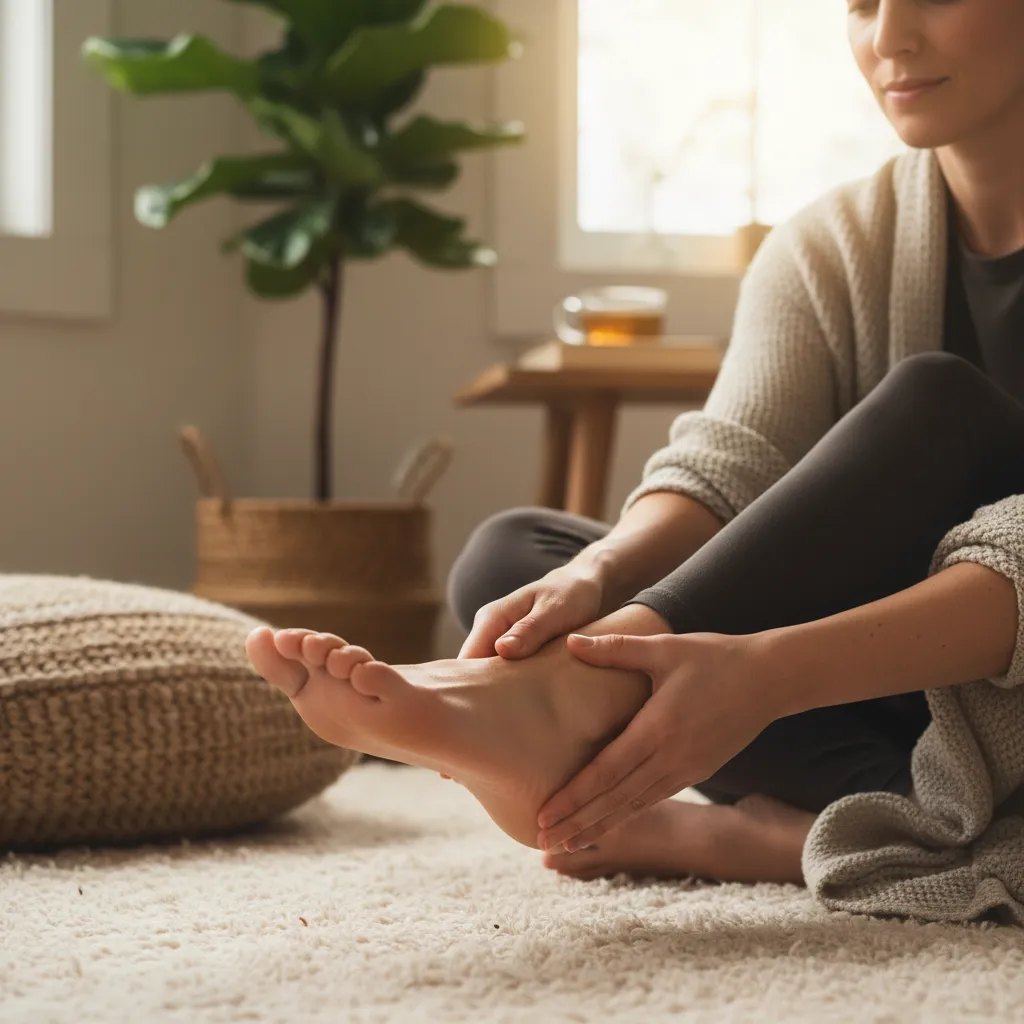
The feet are often considered the primary map for reflexology due to their large surface area and numerous nerve endings. Remember to work on both feet for a balanced effect.
- Warm-Up: Begin by gently massaging your entire foot, from toes to heel. Use both hands to squeeze, knead, and rub, warming the tissues.
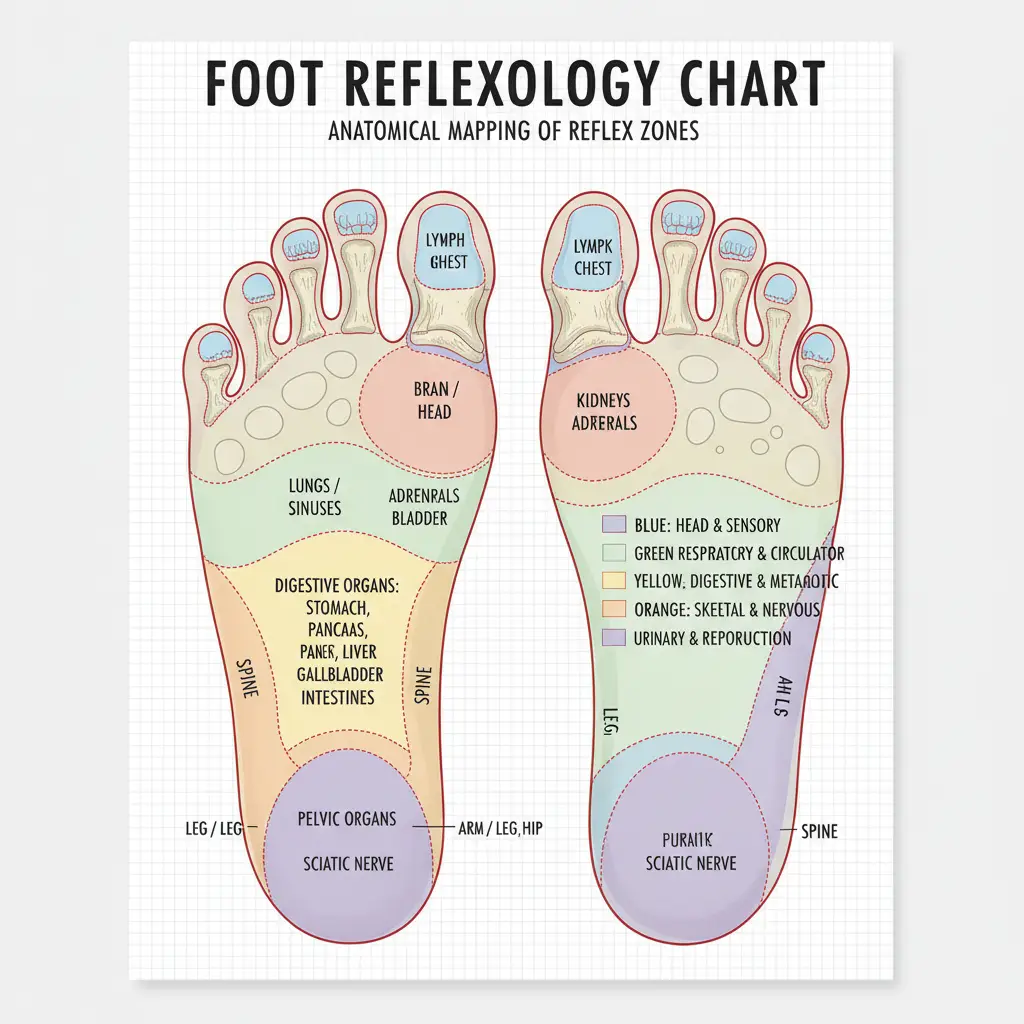
- Solar Plexus Point: This point, often considered the ‘stress button’, is located just below the ball of your foot in the center. Use your thumb to apply steady, firm pressure, holding for 5-10 seconds. Breathe deeply as you do this.
- Spinal Reflex: The spine is represented along the arch of your foot, from the big toe to the heel on the inside edge. Use your thumb to ‘walk’ (press and release in small steps) along this line, from top to bottom and back up.
- Head/Brain Points: The tips of your toes correspond to your head and brain. Gently squeeze and massage each toe, paying extra attention to the big toe which represents the brain and pituitary gland.
- Digestive Organs: The mid-section of your sole, below the ball and above the heel, generally corresponds to your digestive system. Use your thumb or knuckle to apply pressure and circular motions across this area, addressing potential stomach, intestine, and liver reflexes.
- Heel and Ankle: The heel often corresponds to the pelvis and lower back. Apply firm pressure to the entire heel area. The ankles contain reflexes for the reproductive organs and sciatic nerve. Gently rotate your ankle and massage around the ankle bone.
- Finishing Up: Conclude by gently stroking your entire foot with light pressure, moving from toes to ankle.
Hand Reflexology: Your Portable Wellness Tool
Hand reflexology is perfect for quick relief or when foot access is inconvenient. The principles are similar to foot reflexology, just on a smaller scale.
- Warm-Up: Start by gently massaging and squeezing your entire hand, fingers, and wrist.
- Spine and Neck/Shoulder Reflexes: The thumb represents the head and neck. Massage the entire thumb, especially the pad. The inner edge of the thumb and palm corresponds to the spine. Use your other thumb to ‘walk’ along this line. The base of the fingers and across the palm below them often reflects the shoulders and upper back.
- Digestive System: The center of your palm generally corresponds to the abdomen and digestive organs. Use your thumb or knuckle to apply pressure in circular motions across this area.
- Head/Sinus Points: The tips of your fingers represent the head and sinus areas. Squeeze and gently pull each fingertip.
- Stress Relief Points: The webbing between your thumb and index finger (a point known as Hegu in acupuncture) is excellent for general pain relief and stress. Pinch this area firmly for several seconds.
- Finishing Up: End by gently stroking your entire hand and fingers.
Essential Tools and Accessories for Self-Treatment
While self-reflexology primarily relies on your own hands, a few simple tools and accessories can enhance your practice and make it even more effective and enjoyable. You don’t need a lot to start, but these additions can deepen your experience.
What You Really Need (Minimalist Approach)
- Your Hands: The most important tools are your own thumbs and fingers. They provide the perfect combination of pressure, sensitivity, and control.
- Lotion or Oil: A good quality unscented lotion, body oil (like almond or jojoba), or even coconut oil can significantly reduce friction, allowing your hands to glide smoothly over your skin. This prevents irritation and enhances the sensory experience.
- Comfortable Seating: A chair that allows you to comfortably reach your feet (or a couch where you can prop your feet up) is essential. Your posture should be relaxed to avoid creating new tension.
Enhancing Your Practice (Optional Aids)
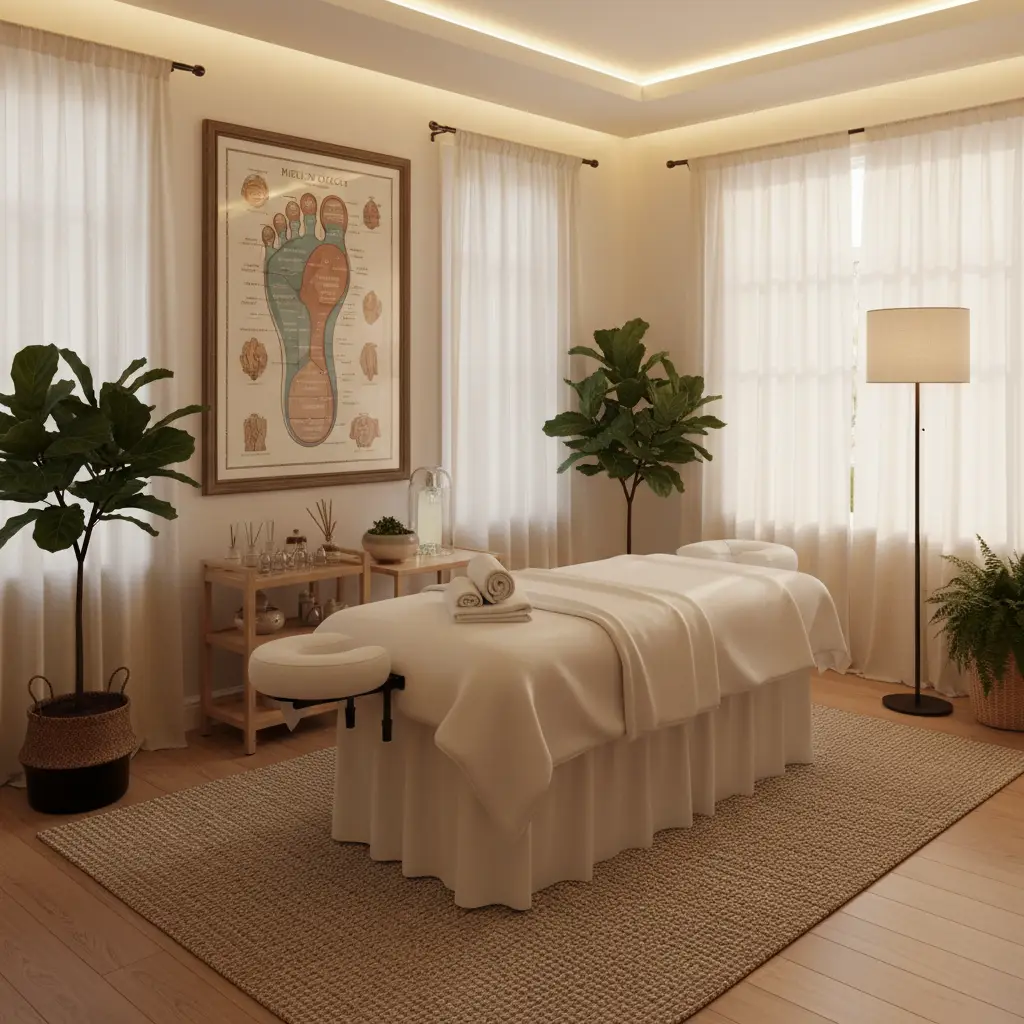
- Reflexology Chart: While not strictly a ‘tool’, having a detailed foot or hand reflexology chart handy can be incredibly helpful for beginners. It acts as a visual guide to locate specific points accurately.
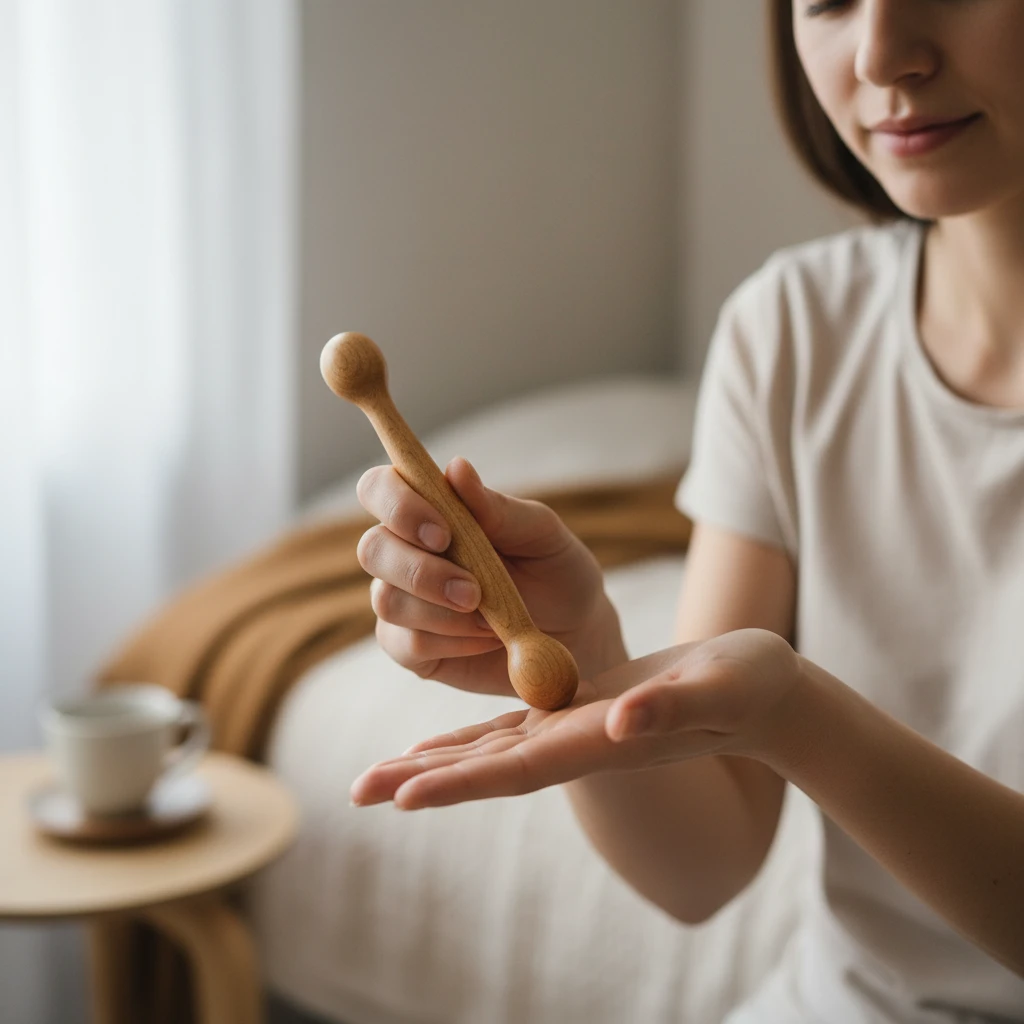
- Small Wooden or Plastic Reflexology Tools: These are designed to provide more targeted or deeper pressure without straining your thumbs. They come in various shapes, such as sticks with rounded ends or small rollers.
- Massage Balls: A golf ball, tennis ball, or specialized spiky massage ball can be excellent for rolling under your feet, applying pressure to broad areas, and stimulating circulation.
- Warm Towels or Foot Bath: Soaking your feet in warm water for a few minutes before a foot reflexology session can soften the skin, relax muscles, and increase circulation, preparing them for treatment.
Creating a Conducive Environment
The environment plays a significant role in your ability to relax and focus during self-reflexology. Consider these elements:
- Quiet Space: Minimize distractions. Turn off your phone or put it on silent.
- Comfortable Temperature: Ensure the room is neither too hot nor too cold.
- Soft Lighting: Harsh overhead lights can be jarring. Opt for softer, ambient lighting if possible.
- Aromatherapy: Diffusing essential oils like lavender for relaxation or peppermint for invigoration can enhance the therapeutic atmosphere.
- Calming Music: Gentle instrumental music or nature sounds can help you relax and focus.
When and How Often to Practice for Best Results
The consistency and timing of your self-reflexology practice can significantly impact the results you experience. Understanding the best moments to engage and how frequently to do so will help you integrate this powerful wellness technique into your daily life effectively.
Optimal Timing for Self-Reflexology
There isn’t a single ‘best’ time for everyone, as personal preferences and daily schedules vary. However, certain times can enhance the benefits:
- Morning Boost: Practicing self-reflexology in the morning can help awaken your body, improve circulation, and set a positive, energized tone for the day. A quick hand reflexology session can be done even before getting out of bed.
- Mid-Day Recharge: If you’re feeling a slump or experiencing stress during work, a short 5-10 minute hand reflexology session can provide a quick mental break and restore focus.
- Evening Wind-Down: This is arguably one of the most popular times. Practicing foot or hand reflexology in the evening, perhaps while watching TV or reading, can significantly promote relaxation, release accumulated tension, and prepare your body for a restful night’s sleep. It’s an excellent ritual to signal to your body that it’s time to unwind.
- Before or After Physical Activity: Some find it beneficial to do a quick session before exercise to warm up the feet and stimulate energy, or after to help soothe tired muscles and promote recovery.
Consistency is Key: Frequency Recommendations
For beginners, consistency is more important than duration or intensity. Regular, shorter sessions are often more beneficial than infrequent, long ones.
- Daily Practice: Aim for 5-15 minutes of self-reflexology daily. This could be a focused session on your feet in the evening or quick hand massages throughout the day. Daily engagement helps your body become more responsive to the pressure and allows you to better recognize your reflex points.
- Two to Three Times a Week: If daily practice isn’t feasible, committing to 2-3 sessions per week, each lasting 15-30 minutes, can still yield significant benefits. The key is to make it a regular part of your wellness routine.
- Listen to Your Body: Pay attention to how your body responds. If you’re feeling particularly stressed or unwell, you might increase the frequency or duration of your sessions. Conversely, if you feel overstimulated or notice any discomfort, you might reduce it.
Listening to Your Body
Self-reflexology is a journey of self-discovery. As you practice, you’ll become more attuned to your body’s signals. You might notice certain areas feel more sensitive or ‘gritty’ to the touch, which can indicate a corresponding imbalance in the body. While a professional reflexologist offers expert guidance, your own intuition and body awareness are invaluable tools in self-treatment. Always be gentle, especially when starting, and never apply pressure that causes sharp pain. The goal is comfort and gentle stimulation, not discomfort. Over time, you’ll develop a personalized routine that best suits your needs and promotes your daily wellness.
People Also Ask About Self-Reflexology
What is the best way to start self-reflexology?
The best way to start self-reflexology is by focusing on your feet, as they offer clear reflex zones and are highly responsive. Begin with a warm-up massage using lotion, then systematically apply pressure to key areas like the solar plexus, spine, and toes. Hand reflexology is also an excellent starting point for quick, on-the-go relief. Consistency, even for short durations daily, is more effective than infrequent, long sessions for beginners.
How long should a self-reflexology session last?
For beginners, a self-reflexology session can last anywhere from 5 to 15 minutes per foot or hand. As you become more familiar and comfortable, you might extend sessions to 20-30 minutes for a more comprehensive treatment. The most crucial aspect is consistency; even short, daily sessions can yield significant benefits over time.
Can self-reflexology help with anxiety?
Yes, self-reflexology is widely recognized for its stress-reducing and calming effects, which can significantly help manage anxiety. By stimulating specific reflex points, particularly those related to the nervous system and solar plexus, it can promote deep relaxation, lower stress hormones, and foster a sense of tranquility, thereby alleviating anxiety symptoms.
Are there any risks or side effects of self-reflexology?
Self-reflexology is generally safe and has very few risks or side effects, especially when performed gently. Some individuals might experience mild tenderness in sensitive reflex areas, or a temporary feeling of lightheadedness or increased urination as the body releases toxins. It is crucial to avoid applying overly firm pressure, especially if you have sensitive skin, open wounds, or certain medical conditions like deep vein thrombosis, and to consult a doctor if you have concerns.
What’s the difference between self-reflexology and massage?
While both involve touch and pressure, reflexology (including self-reflexology) focuses on specific reflex points that correspond to distant body parts, aiming to stimulate the body’s natural healing processes and balance energy. Massage, on the other hand, typically involves broader strokes and kneading of muscles to relieve tension, improve circulation, and relax tissues locally, without the direct correlation to specific organs or systems.
How can I find specific reflex points on my feet and hands?
To find specific reflex points, it’s helpful to use a detailed reflexology chart as a guide. These charts map out the corresponding body parts on your feet and hands. Begin by familiarizing yourself with the general zones (e.g., toes for the head, ball of foot for chest/lungs, arch for digestive organs). You’ll often feel a slight tenderness or grit when you apply pressure to an active reflex point, which helps you confirm its location. Consistent practice improves your ability to locate these points.