Reflexology for children offers a myriad of gentle, non-invasive benefits, tapping into the body’s natural healing capabilities. These benefits include improved sleep patterns, enhanced digestive function, reduced anxiety, and boosted overall well-being, making it a valuable complementary therapy for infants, toddlers, and older children alike.
Understanding the Safety and Benefits for Infants and Children
Pediatric reflexology is a specialized field that adapts the principles of traditional reflexology to suit the unique needs and delicate systems of infants and children. Unlike adult reflexology, which often involves firmer pressure, the approach for children is exceptionally gentle, focusing on stimulating specific reflex points on the feet, hands, and sometimes ears to promote balance and healing within the body. This gentle touch makes it a comforting and non-threatening therapy, ideal for young ones.
The Core Principles of Pediatric Reflexology
At its heart, pediatric reflexology operates on the premise that specific points on the feet and hands correspond to different organs, glands, and systems in the body. By applying light pressure to these reflex areas, a reflexologist aims to release blockages, improve circulation, and encourage the body’s innate ability to heal itself. For children, this involves adapting the pressure to be much lighter, akin to a feather-light touch or gentle stroking, ensuring maximum comfort and safety.
Why Reflexology for Children? A Gentle Approach
The benefits of reflexology for children are extensive and deeply rooted in its gentle, holistic nature. It offers a drug-free, non-invasive method to support children’s health and well-being, particularly beneficial when conventional treatments might be too harsh or have unwanted side effects. The primary benefits include enhancing relaxation, supporting immune function, improving sleep quality, easing digestive discomforts, and promoting a sense of calm. It can be a powerful tool for parents seeking natural ways to support their child’s development and address common childhood ailments.
Moreover, reflexology can be a wonderful way to foster connection and bonding between a parent and child. The act of gentle touch, combined with focused attention, creates a nurturing environment that can significantly contribute to a child’s emotional security and overall happiness. Learning these techniques empowers parents to actively participate in their child’s wellness journey.
Safety Considerations and Best Practices
When considering reflexology for children, safety is paramount. It is crucial to use extremely light pressure, especially with infants, as their systems are highly sensitive. Parents should always ensure their child is comfortable and receptive to the touch. If a child shows any signs of discomfort or resistance, the session should be stopped immediately. It’s also vital to distinguish between general comfort touch and targeted reflexology; while beneficial, it should always be gentle and respectful of the child’s body.
For children with specific health conditions or who are on medication, it is always recommended to consult with a pediatrician or healthcare provider before introducing reflexology. While generally safe, this ensures that the therapy complements any existing medical care and is appropriate for the child’s individual health status. For those interested in deeper understanding, the Wikipedia page on Reflexology provides a foundational overview of its history and principles, applicable across all ages.
Common Conditions Addressed: Sleep, Digestion, Calming
One of the most appealing aspects of pediatric reflexology is its versatility in addressing a wide range of common childhood complaints. From the restless nights of infancy to the anxieties of school-aged children, reflexology offers a non-invasive pathway to support equilibrium and comfort.
Enhancing Sleep Quality
Sleep disturbances are a frequent concern for parents, impacting both the child’s development and family well-being. Pediatric reflexology can be profoundly effective in promoting deeper, more restful sleep. By focusing on reflex points associated with the head, neck, and nervous system, gentle stimulation can help calm an overactive mind, release tension, and encourage the body to shift into a parasympathetic (rest and digest) state. Regular, short sessions before bedtime can become a soothing ritual, signaling to the child’s body that it’s time to unwind.
Supporting Digestive Health
Digestive issues such as colic, constipation, reflux, and tummy aches are incredibly common in infants and young children. Reflexology offers a gentle, natural way to support the digestive system. Specific reflex points on the feet correspond to the stomach, intestines, and other digestive organs. Applying soft, circular motions to these areas can help stimulate peristalsis, relieve gas, ease cramping, and promote regular bowel movements. This can bring significant relief to discomforted babies and children, helping them to feel more settled and comfortable.
Promoting Calm and Reducing Stress
Children, like adults, experience stress and anxiety, whether it’s related to new environments, separation, school pressures, or even just daily overstimulation. Pediatric reflexology can be a powerful tool for promoting emotional regulation and reducing stress. By activating relaxation responses in the body, it helps to lower cortisol levels and calm the nervous system. Reflex points related to the diaphragm, solar plexus, and adrenal glands can be gently stimulated to foster a sense of peace and emotional balance, helping children cope better with their environment and feelings.
Addressing Other Common Childhood Ailments
- Immune System Support: Stimulating lymph and immune-related reflex points can help strengthen the body’s natural defenses.
- Teething Discomfort: Gentle pressure on head and gum reflexes can provide relief from teething pain.
- Respiratory Issues: Reflexes for the lungs and sinuses can be gently worked to support clear breathing, especially during colds.
- Growth Pains: Relaxing the musculoskeletal reflexes can help ease general aches and pains associated with rapid growth.
Age-Appropriate Reflexology Techniques and Pressure
The beauty of pediatric reflexology lies in its adaptability. The techniques and pressure applied must always be tailored to the child’s age, sensitivity, and individual needs. What works for an infant will be different from what is appropriate for a school-aged child.
Reflexology for Infants (0-12 months)
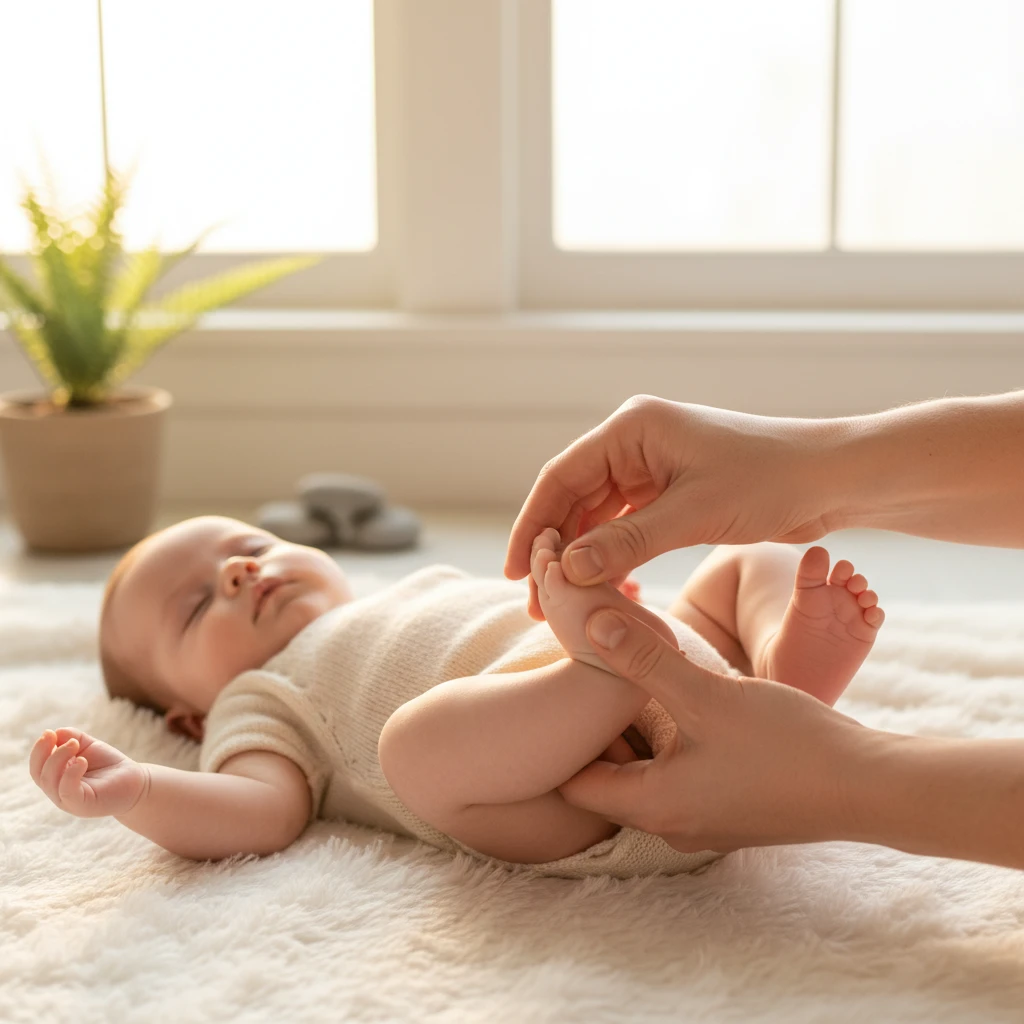
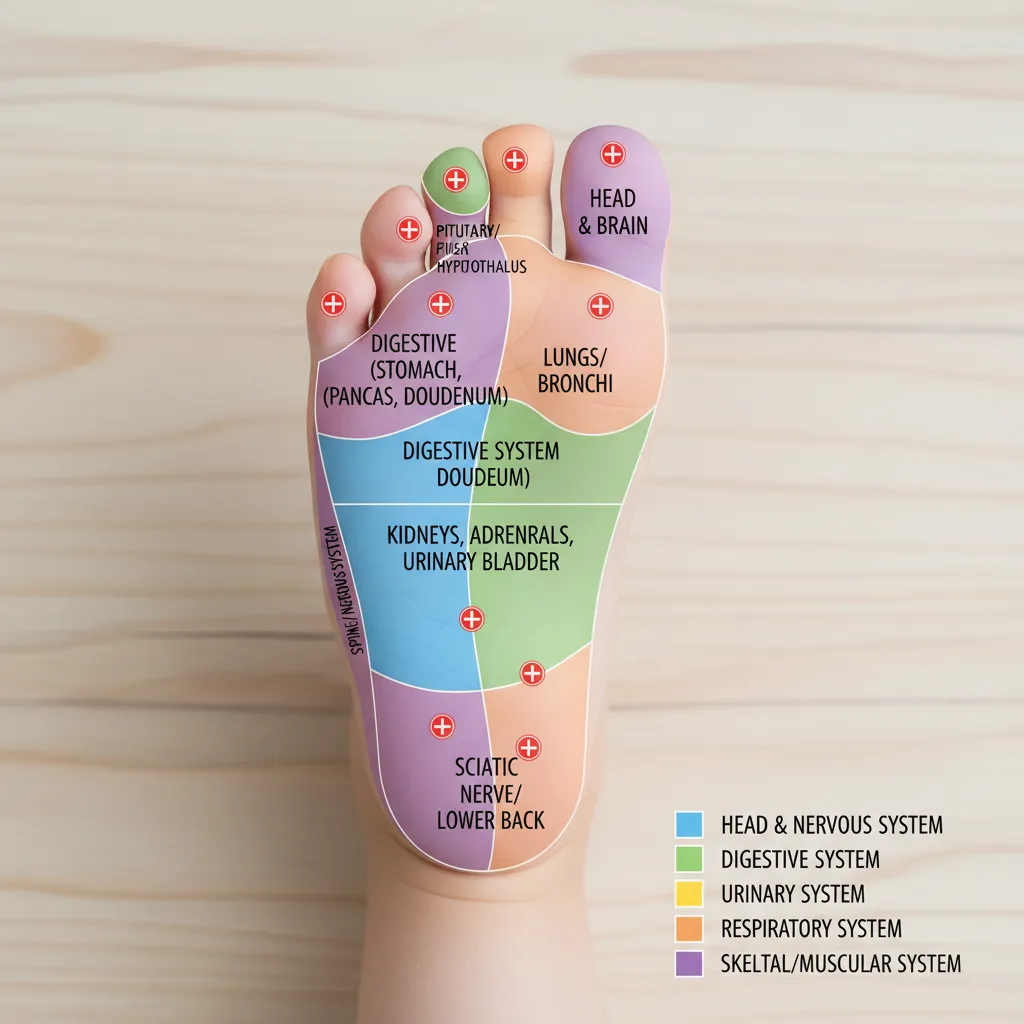
For newborns and infants, the touch must be exceedingly gentle – often no more than a light stroking or brushing motion. Their feet are tiny and incredibly sensitive, and their reflex points are very close to the surface. Focus on the pads of their toes for head/teeth relief, the ball of the foot for chest/lung areas, and the arch and heel for digestive support. Keep sessions very short, perhaps 2-5 minutes per foot, and always stop if the baby seems uncomfortable or falls asleep. This is more about soothing and connection than deep therapeutic work.
Reflexology for Toddlers (1-3 years)
As children grow into toddlers, their feet become a bit firmer, and they might tolerate slightly more pressure, though it should still remain light. The challenge with toddlers is their limited attention span. Incorporate reflexology into playful activities or story time. Their feet are still highly receptive, and you can begin to introduce more specific techniques, such as gentle thumb walking or finger kneading on the different zones. Focus on areas relevant to common toddler issues like constipation (gut reflexes) or calming (solar plexus reflex on the ball of the foot). Keep sessions to 5-10 minutes, adapting to their mood.
Reflexology for Preschool and School-Aged Children (3+ years)
For older children, reflexology sessions can become more interactive. You can explain which areas you are working on and why, empowering them to connect with their own bodies. The pressure can be a little firmer than for toddlers, but always well within their comfort threshold. These children often benefit from targeted work for anxiety (solar plexus, diaphragm), focus (head reflexes), or recovery from sports activities (muscle and joint reflexes). A session might last 10-20 minutes, depending on the child’s willingness and the specific concerns being addressed. Always observe their reactions and maintain open communication.
Key Principles of Gentle Application
- Light Touch: Always start with the lightest touch imaginable and gradually increase only if the child tolerates and seems to enjoy it.
- Warm Hands: Ensure your hands are warm and clean.
- Comfortable Environment: Choose a quiet, warm, and comfortable space where the child feels safe and relaxed.
- Lubrication: A small amount of natural, unscented oil or lotion (e.g., coconut oil, almond oil) can help your hands glide smoothly and add to the sensory experience.
- Observation: Pay close attention to the child’s cues – their breathing, facial expressions, and body language.
- Flexibility: Be prepared to stop or change your approach at any moment. The goal is relaxation and well-being, not adherence to a strict protocol.
Empowering Parents with Gentle Home Reflexology
One of the most significant advantages of pediatric reflexology is the ability for parents to learn and apply simple techniques at home. This not only offers immediate support for their child but also strengthens the parent-child bond through nurturing touch.
Preparing for a Home Reflexology Session
Before you begin, ensure you and your child are in a relaxed state. Choose a time when your child is calm, fed, and not overly tired or agitated. A warm bath beforehand can be ideal. Create a peaceful atmosphere: perhaps dim the lights, play soft music, and minimize distractions. Have a comfortable place to sit or lie down where you can easily reach your child’s feet. A small amount of natural oil or lotion can make the massage more enjoyable and facilitate smooth movements.
Step-by-Step Guide for Parents
Here’s a basic guide for parents wishing to apply gentle reflexology at home:
- Warm-up: Gently stroke the top and bottom of your child’s foot with your whole hand. This helps to relax the foot and prepare it for deeper touch.
- Toes (Head/Teeth): Gently massage each toe with your thumb and index finger. For teething pain, focus on the pads of the big toe.
- Ball of the Foot (Chest/Lungs/Solar Plexus): Use your thumb to apply very light, circular motions or gentle pressure on the ball of the foot. The area directly under the toes corresponds to the chest and lungs. The center of the ball of the foot (solar plexus) is excellent for relaxation.
- Arch (Digestive System): The arch of the foot is where many digestive reflexes are located. Use your thumb to gently ‘walk’ or make small circular motions from the ball of the foot down to the heel. For constipation, you can work in a generally upward direction along the inner arch.
- Heel (Pelvis/Lower Back): Gently massage the heel area, which corresponds to the pelvis and lower back. This can be soothing for general discomfort or growth pains.
- Finish: Conclude the session with light, sweeping strokes over the entire foot.
Remember, the pressure should be feather-light, especially for infants. The goal is comfort and relaxation, not deep tissue work. Each session should be brief, ranging from 5 to 15 minutes, depending on the child’s age and tolerance.
Building a Routine and Observing Responses
Consistency can amplify the benefits. Integrating a short reflexology session into a daily routine, such as before bedtime or after a bath, can establish a powerful calming ritual. Keep a simple mental note of your child’s responses. Are they more relaxed? Is their sleep improving? Are digestive issues easing? Your observations are crucial in understanding what works best for your child. The National Center for Complementary and Integrative Health offers valuable insights into complementary health approaches, reinforcing the importance of informed practice.
When to Seek Professional Guidance
While home reflexology is highly beneficial, there are times when seeking a professional pediatric reflexologist is advisable. If your child has a chronic condition, if you are unsure about specific techniques, or if you feel your child could benefit from more targeted therapeutic work, a qualified practitioner can provide expert guidance. They can assess your child’s specific needs, demonstrate advanced techniques, and offer personalized advice, ensuring the safest and most effective approach. Many qualified reflexologists are available, including those in regions like Auckland, who specialize in working with children.
The Future of Pediatric Reflexology
As research continues to validate the efficacy of complementary therapies, pediatric reflexology is gaining increasing recognition as a valuable adjunct to conventional pediatric care. The growing demand for gentle, natural health solutions for children fuels its expansion, both in professional clinical settings and in home-based wellness routines.
The emphasis on holistic well-being, preventative health, and empowering parents is aligning perfectly with the principles of pediatric reflexology. Expect to see more training programs for practitioners, increased integration into wellness centers, and greater public awareness campaigns highlighting its myriad benefits for children’s physical and emotional health. As parents increasingly seek non-pharmacological approaches to support their children, the gentle touch and profound benefits of reflexology for children will undoubtedly play a significant role in nurturing healthier, happier future generations.
People Also Ask About Pediatric Reflexology
Is reflexology safe for babies?
Yes, pediatric reflexology is considered very safe for babies when performed by a qualified professional or by parents using extremely light, gentle pressure. The key is to use a feather-light touch, observe the baby’s comfort, and stop if there’s any sign of discomfort.
What are the benefits of foot reflexology for children?
Foot reflexology for children offers numerous benefits, including improved sleep, enhanced digestion (e.g., relief from colic or constipation), reduced anxiety and stress, boosted immune function, and overall relaxation and well-being. It’s a gentle way to support the body’s natural healing.
How often can I do reflexology on my child?
For general wellness and relaxation, short daily sessions (5-15 minutes) are often beneficial. For acute issues like a tummy ache or difficulty sleeping, you might do it more frequently for a few days. Always observe your child’s response; if they enjoy it, more often is fine; if they resist, reduce the frequency.
Can reflexology help a child with anxiety?
Yes, reflexology can be very effective in helping children manage anxiety. By stimulating reflex points related to the nervous system, diaphragm, and solar plexus, it encourages deep relaxation, reduces stress hormones, and promotes a sense of calm and emotional balance, helping children cope better with anxious feelings.
Are there any side effects of reflexology for kids?
Generally, pediatric reflexology has no adverse side effects when performed gently. Very occasionally, a child might feel a bit more tired or thirsty after a session as their body processes the relaxation. Always ensure the child is well-hydrated and allow them to rest. If any unusual reactions occur, consult a healthcare professional.
How do I learn basic reflexology for my child at home?
To learn basic home reflexology, start by researching reputable online guides or books on pediatric reflexology. Many certified reflexologists offer workshops for parents. Focus on understanding the primary reflex points for common ailments like sleep and digestion, and always practice with a very light, soothing touch. Observing your child’s reactions is key to successful home practice.