
When considering reflexology in Auckland, individuals often have a range of pressing questions about the treatment’s nature, safety, and efficacy. Reflexology is a holistic therapy rooted in the principle that specific points on the feet, hands, or ears correspond to organs and systems of the body, offering a non-invasive path to improved well-being and stress reduction for many.
Is Reflexology Painful? Understanding Sensations During Treatment
One of the most common concerns for those new to reflexology, particularly in Auckland, is whether the treatment will be painful. It’s important to clarify that reflexology is not typically described as painful in the way an injury might be. Instead, sensations during a session can range from deep relaxation to slight tenderness or discomfort in specific areas. This tenderness is often insightful, as it can indicate an imbalance or congestion in the corresponding body part or system.
A skilled reflexologist applies pressure to reflex points using their thumbs, fingers, and hands. The intensity of pressure is always adjusted to the individual’s comfort level. While some points may feel more sensitive than others, especially if there’s an underlying issue, this sensation is generally manageable and often described as a ‘good pain’ or a releasing pressure rather than sharp or unbearable pain. For instance, if you have digestive issues, the reflex points related to the digestive system on your feet might feel more tender. This tenderness serves as a diagnostic indicator for the practitioner, guiding them to focus on areas that may require more attention.
Clients are always encouraged to communicate openly with their reflexologist about any discomfort they experience. This ensures the pressure is appropriate and the session remains beneficial and relaxing. Many people report that even if a point is initially tender, the sensation often subsides as the treatment progresses, giving way to a profound sense of relief and relaxation. The aim of reflexology is to promote healing and balance, and while some tenderness can occur, it is usually a sign that the body is responding to the treatment and beginning to release tension or blockages. In Auckland, reputable reflexologists are well-versed in adjusting their technique to provide a comfortable and effective experience for all clients.
How Many Reflexology Sessions Are Needed for Optimal Results?
The number of reflexology sessions required for optimal results is highly individual and depends on several factors, including the client’s current health status, the nature and chronicity of their concerns, and their overall response to the therapy. There isn’t a one-size-fits-all answer, but practitioners in Auckland typically recommend an initial course of treatments to assess effectiveness and achieve noticeable improvements.
For acute conditions or general stress reduction, a series of 4-6 weekly or bi-weekly sessions is often suggested. This initial phase allows the body to begin responding to the therapy consistently and build upon the benefits of each session. During this period, the reflexologist can observe changes and adjust the treatment plan accordingly. Many clients report feeling significant improvements in their symptoms or overall well-being after just a few sessions.
For chronic conditions or long-standing imbalances, a longer course of treatment may be beneficial, potentially extending over several months. Once the initial concerns have improved, many individuals choose to continue with maintenance sessions, perhaps monthly or quarterly, to sustain the benefits, manage stress, and promote ongoing wellness. Think of it like regular tune-ups for your body. The goal is not just to alleviate symptoms but to foster a state of balanced health. A thorough consultation with your chosen reflexologist in Auckland will help determine the most suitable treatment plan tailored to your unique needs and health goals, ensuring you get the most out out of your reflexology journey.
Are There Any Contraindications for Reflexology? When to Exercise Caution
While reflexology is a safe and gentle therapy for most people, there are certain situations where it may be contraindicated or require modification. A contraindication is a specific situation in which a procedure or treatment should not be used because it may be harmful to the person. It is crucial to have an open and honest discussion with your reflexologist about your full medical history and any current health conditions before beginning treatment.
General contraindications include acute infections with fever, active deep vein thrombosis (DVT) or severe varicose veins (especially in the treatment area), recent surgery (particularly on the feet or hands), open wounds, fractures, or recent injuries to the treatment area. In these cases, applying pressure could potentially exacerbate the condition or interfere with the healing process. For individuals with certain unstable heart conditions, specific pressure points might need to be avoided or modified. For example, individuals with pacemakers or severe, uncontrolled hypertension may need a modified approach. Severe diabetes with neuropathy could also require gentle treatment.
Other conditions may not be outright contraindications but require caution and consultation with a medical professional. These include epilepsy, severe osteoporosis, severe mental health conditions, and certain types of cancer. In many instances, reflexology can be adapted to be incredibly beneficial, even for individuals with serious health challenges, but it must be done with the explicit consent and awareness of their primary healthcare provider and by a highly experienced reflexologist. For instance, gentle reflexology can offer comfort and pain relief to cancer patients undergoing treatment, but it’s essential to ensure the practitioner is trained in oncology reflexology and works in conjunction with the medical team.
Always inform your reflexologist in Auckland about all medications you are taking, any allergies, and any medical procedures you have undergone. This information allows the practitioner to tailor the session to your needs, ensuring your safety and maximizing the therapeutic benefits. When in doubt, consulting your doctor before starting reflexology is always recommended.
Can Children or Pregnant Women Have Reflexology? Safety and Benefits
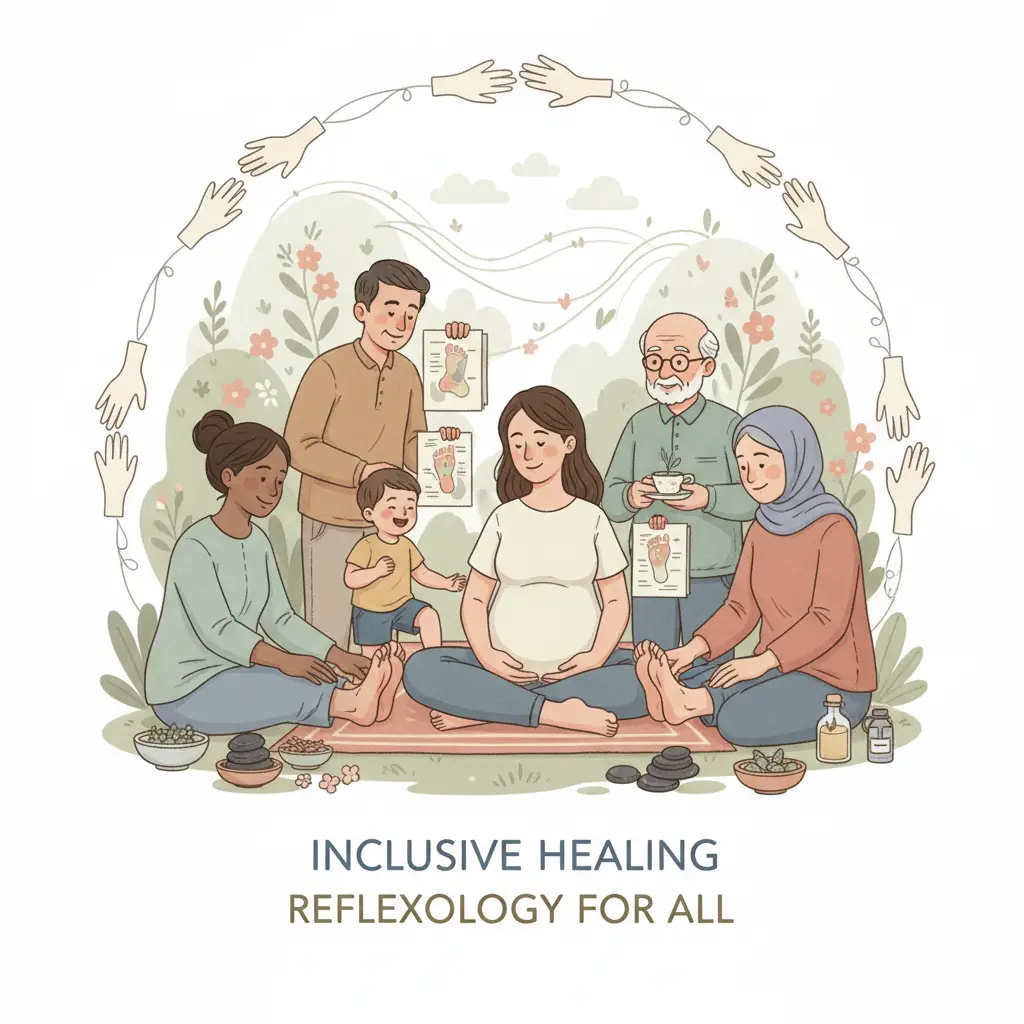
Reflexology is a wonderfully adaptable therapy, and with appropriate modifications and a skilled practitioner, it can be safely and effectively administered to both children and pregnant women. However, specific considerations apply to these sensitive populations.
Reflexology for Children
Children can greatly benefit from reflexology, which can help with a variety of common childhood issues such as sleep disturbances, digestive problems (colic, constipation), anxiety, and general restlessness. For infants and very young children, the sessions are typically much shorter (5-20 minutes) and involve very gentle pressure. The practitioner will focus on soothing and calming techniques. As children grow, reflexology can assist with concentration, emotional regulation, and even support during growth spurts or minor ailments.
It is paramount that children’s reflexology sessions are conducted by a practitioner who has specific training and experience working with minors. Parental consent is always required, and parents are often encouraged to be present during the session, which can be a lovely bonding experience. The approach is always gentle, non-invasive, and playful, ensuring the child feels comfortable and secure throughout the treatment. In Auckland, many reflexology clinics offer specialized services for children, understanding their unique needs and sensitivities.
Reflexology for Pregnant Women
Reflexology during pregnancy can be incredibly beneficial, offering relief from many common discomforts and supporting overall well-being. It can help alleviate morning sickness, fatigue, back pain, sciatica, swelling in the ankles and feet, and emotional stress or anxiety. Towards the end of pregnancy, it can also be used to prepare the body for labor, potentially promoting a smoother and more efficient delivery.
However, it is crucial that pregnant women seek a reflexologist who is specifically trained and experienced in prenatal reflexology. There are certain points on the feet that are traditionally avoided, particularly during the first trimester, to ensure maximum safety. A qualified prenatal reflexologist will understand these nuances and adjust the treatment accordingly. Communication with your primary healthcare provider (midwife or obstetrician) is also essential, and it is always advisable to inform them of your intention to have reflexology. Most healthcare professionals recognize the benefits of complementary therapies like reflexology when administered by a competent practitioner. Many expectant mothers in Auckland find significant relief and relaxation through specialized prenatal reflexology services, helping them navigate the physical and emotional changes of pregnancy with greater ease. More information on the benefits and safety of reflexology during pregnancy can often be found through reputable organizations like the Reflexology New Zealand Association.
Beyond the Basics: Preparing for Your Reflexology Session in Auckland
Beyond understanding the fundamental questions, knowing what to expect and how to prepare can enhance your reflexology experience in Auckland. A typical session begins with a brief consultation where your reflexologist will discuss your health history, current concerns, and desired outcomes. This ensures a personalized approach tailored to your specific needs.
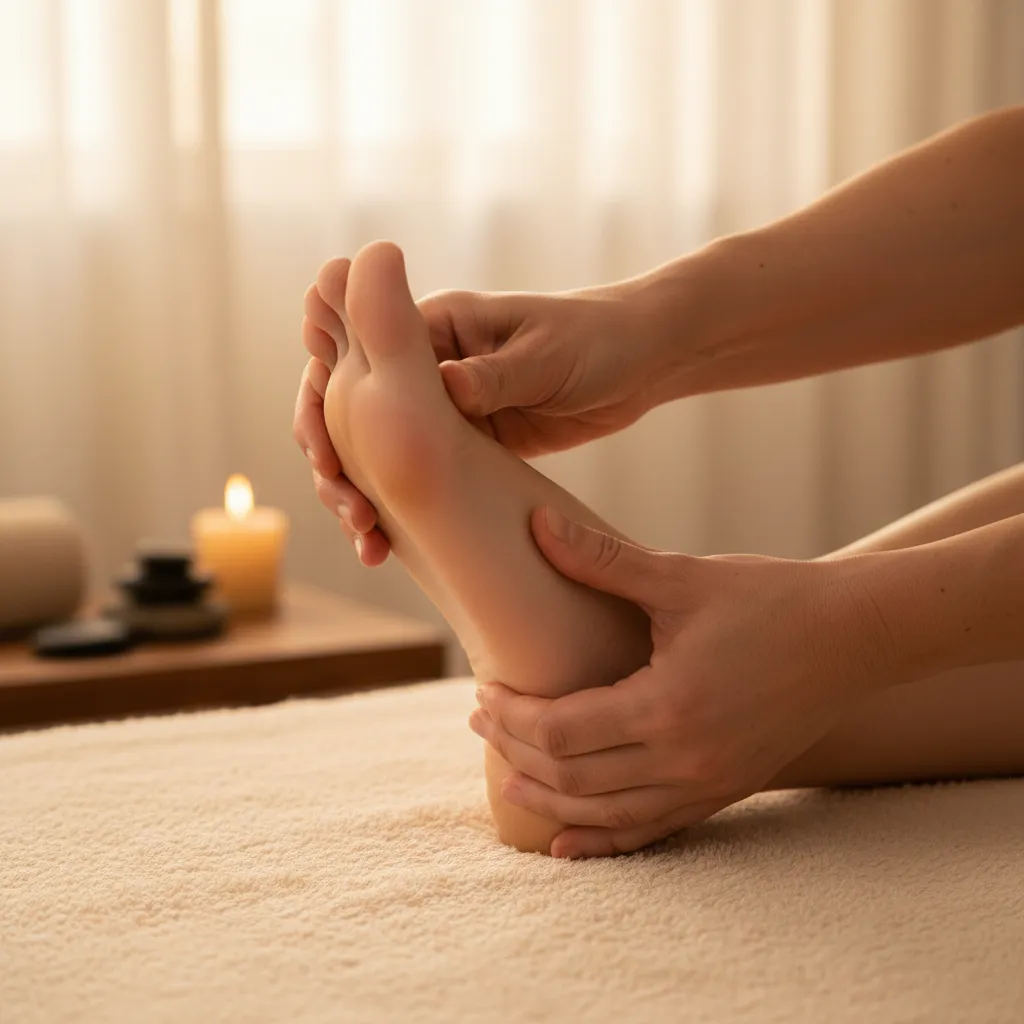
During the session, you will usually recline comfortably on a massage table or in a reclining chair, fully clothed except for your shoes and socks. The practitioner will then examine your feet (or hands, if that’s the focus), looking for visual cues or areas of tenderness before beginning the treatment. The environment is usually calm and quiet, often with soft lighting and soothing music to encourage deep relaxation. You might drift off to sleep, which is a common and positive sign of relaxation.
After the session, it’s common to feel deeply relaxed, refreshed, or sometimes even a little tired. It’s important to drink plenty of water to help flush out toxins that may have been released during the treatment. Some individuals might experience a ‘healing crisis’ where symptoms temporarily worsen before improving, or notice changes in sleep patterns or digestion – these are often considered positive signs that the body is responding and rebalancing itself. However, such reactions are usually mild and short-lived. Choosing a qualified and registered reflexologist in Auckland is crucial for a safe and effective experience. Look for practitioners who are members of professional bodies, such as Reflexology New Zealand, which ensures they meet high standards of training and conduct. Feel free to ask about their qualifications and experience, especially if you have specific health concerns.
Reflexology offers a profound pathway to holistic wellness, addressing not just symptoms but the underlying imbalances in the body. By understanding the answers to these frequently asked questions and preparing adequately, you can embark on a beneficial journey to improved health and vitality. To delve deeper into the scientific understanding and mechanisms of reflexology, authoritative resources like Wikipedia’s article on Reflexology provide excellent foundational knowledge.
Frequently Asked Questions about Reflexology: Expert Answers
What are the benefits of reflexology?
Reflexology offers numerous benefits, including stress reduction, improved circulation, pain relief, detoxification, and enhanced sleep quality. It promotes overall relaxation and helps to restore the body’s natural balance, supporting the body’s self-healing mechanisms.
How does reflexology actually work?
Reflexology operates on the principle that specific points on the feet, hands, and ears correspond to different organs, glands, and parts of the body. By applying pressure to these reflex points, a reflexologist stimulates nerve pathways, encourages the release of endorphins, improves blood and lymphatic circulation, and helps clear energy blockages, thereby promoting healing and balance throughout the body.
Is reflexology scientifically proven?
While more large-scale research is always beneficial, numerous studies have indicated positive physiological effects of reflexology, particularly in areas like pain management, stress reduction, and improving quality of life for individuals with various health conditions. It’s widely accepted as a complementary therapy that supports the body’s natural healing processes, though the exact mechanisms are still subjects of ongoing scientific inquiry.
What’s the difference between reflexology and massage?
The key difference lies in their approach. Massage therapy typically focuses on muscles and soft tissues across the whole body to relieve tension and improve circulation. Reflexology, however, targets specific reflex points on the feet, hands, or ears, which are believed to correspond to distant organs and body systems. It’s a more targeted therapy aiming to stimulate the body’s internal healing responses through these specific points, rather than just working on the immediate area.
Can reflexology help with anxiety?
Yes, reflexology is highly regarded for its ability to reduce stress and anxiety. The deep relaxation induced during a session can lower cortisol levels, calm the nervous system, and promote a sense of well-being. Regular sessions can help manage chronic anxiety and improve mood by fostering a state of balance and tranquility.
How do I find a good reflexologist in Auckland?
To find a good reflexologist in Auckland, start by looking for practitioners who are certified and registered with professional bodies like Reflexology New Zealand. You can check their websites for a directory of qualified therapists. Reading reviews, asking for recommendations, and scheduling an initial consultation can also help you find a practitioner whose approach and expertise align with your needs.