Reflexology is a complementary therapy that involves applying pressure to specific points on the feet, hands, and ears that correspond to different body organs. To navigate this practice safely, expert answers clarify that standard sessions last 45 to 60 minutes, practitioners must hold accredited diplomas, and the therapy is intended to support homeostasis rather than medically diagnose conditions.
Entering the world of holistic health often brings a myriad of questions, particularly regarding modalities like reflexology which bridge the gap between relaxation and therapeutic intervention. Whether you are seeking relief from chronic stress in Auckland or looking to address specific physiological imbalances, understanding the mechanics, limitations, and standards of this practice is essential. This definitive guide provides expert answers to the most frequently asked questions about reflexology, ensuring you have the knowledge to make informed decisions about your health journey.
Understanding the Fundamentals of Reflexology
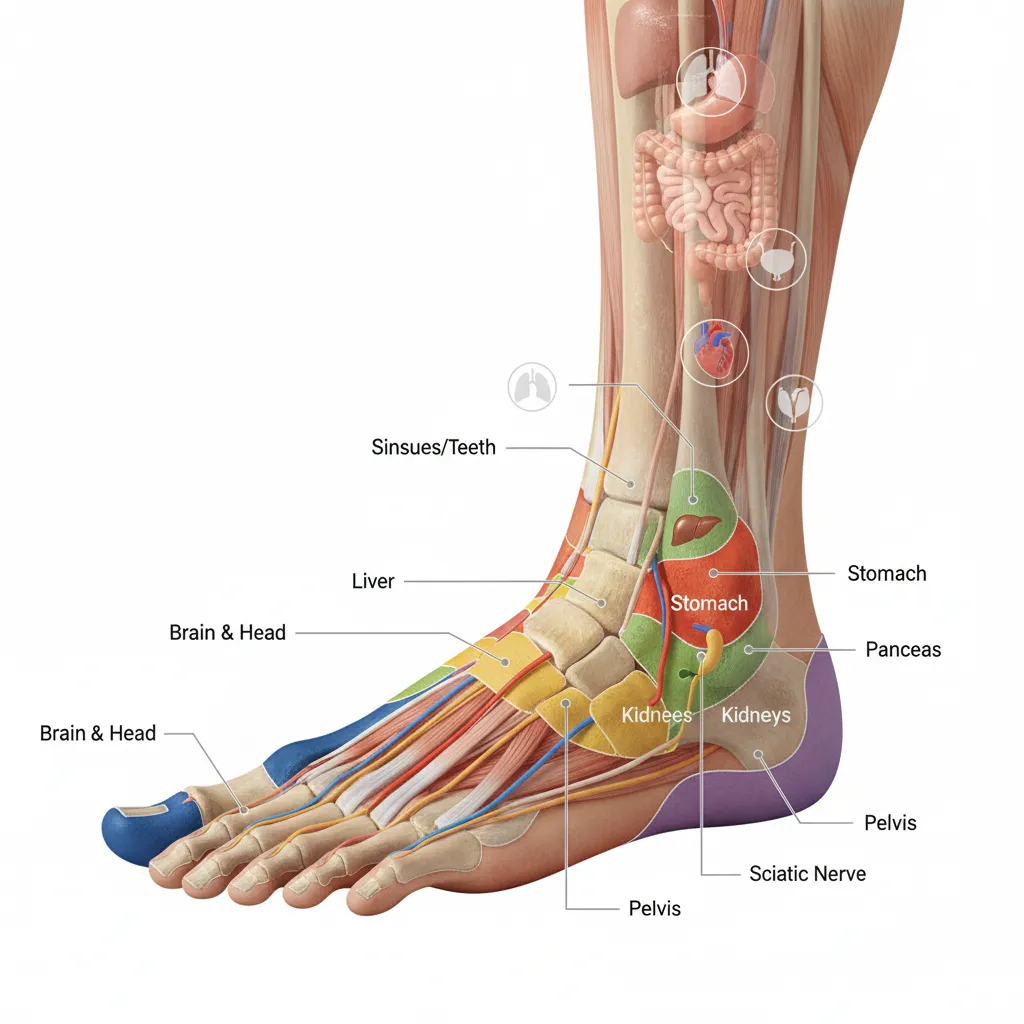
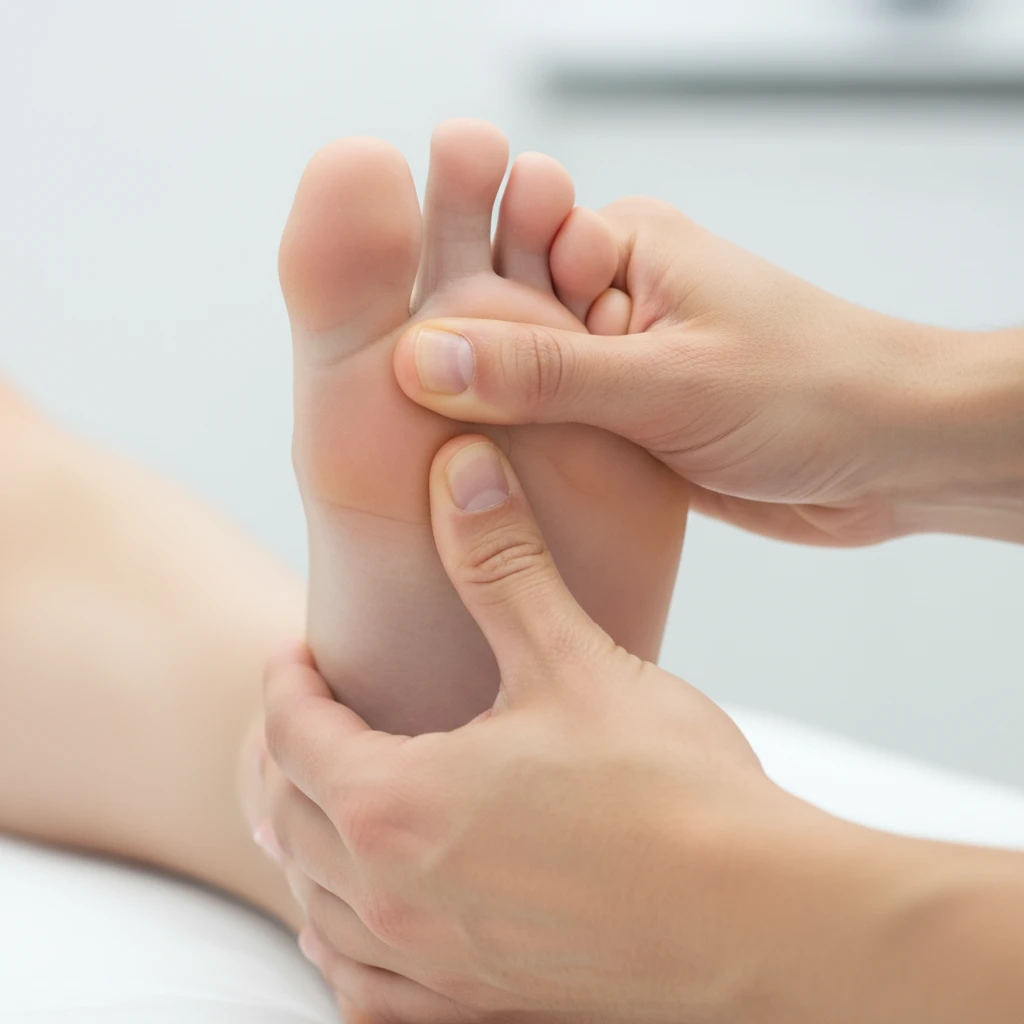
Reflexology is far more than a simple foot rub; it is a sophisticated discipline based on the principle that there are reflexes in the feet, hands, and ears that map directly to every part, gland, and organ of the body. By applying specific thumb and finger techniques to these reflexes, a practitioner aims to trigger a physiological response in the body.
The primary goal is to return the body to a state of homeostasis or balance. When the body is stressed, energy pathways can become blocked, preventing the system from functioning at its peak. Reflexology works to clear these blockages. It stimulates the nervous system, improves circulation, and encourages the release of endorphins, the body’s natural painkillers.
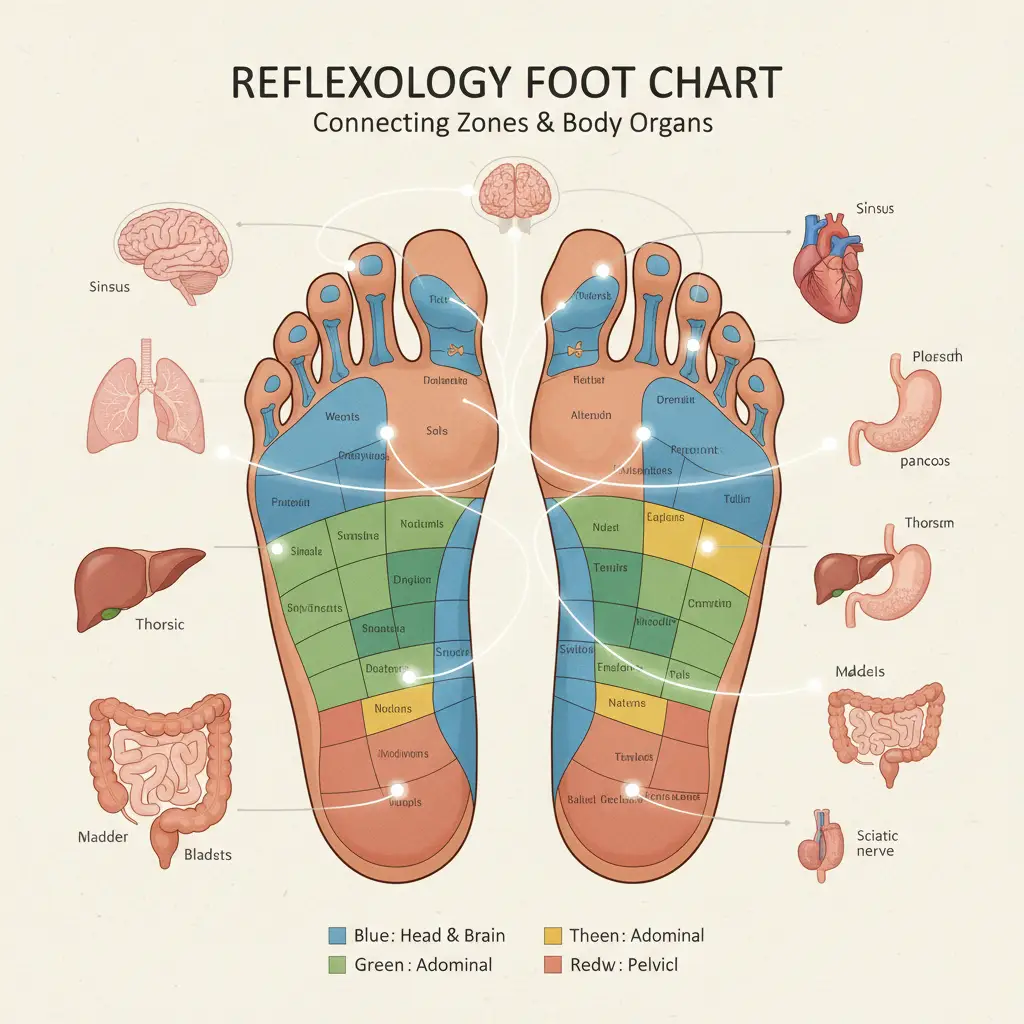
While ancient in origin, with roots tracing back to Egypt and China, modern reflexology was refined in the 20th century. It operates on the zone theory, dividing the body into ten vertical zones. This theoretical framework allows practitioners to target specific issues—such as headaches, digestive problems, or back pain—by working on the corresponding zone on the foot. It is a non-invasive therapy that complements conventional medical treatments rather than replacing them.
Session Duration: How Long Does a Treatment Last?
One of the most common inquiries regarding reflexology appointments is the time commitment required. A standard, professional reflexology session typically lasts between 45 and 60 minutes. However, this timeframe can vary depending on the client’s specific needs and the practitioner’s protocol.
The Breakdown of a Session
The allocated time is not solely spent on physical treatment. A comprehensive session usually follows this structure:
- Consultation (10-15 minutes): For a first visit, the practitioner will take a detailed medical history. They will ask about your lifestyle, diet, current medications, and specific health concerns. This ensures the treatment is safe and tailored to you.
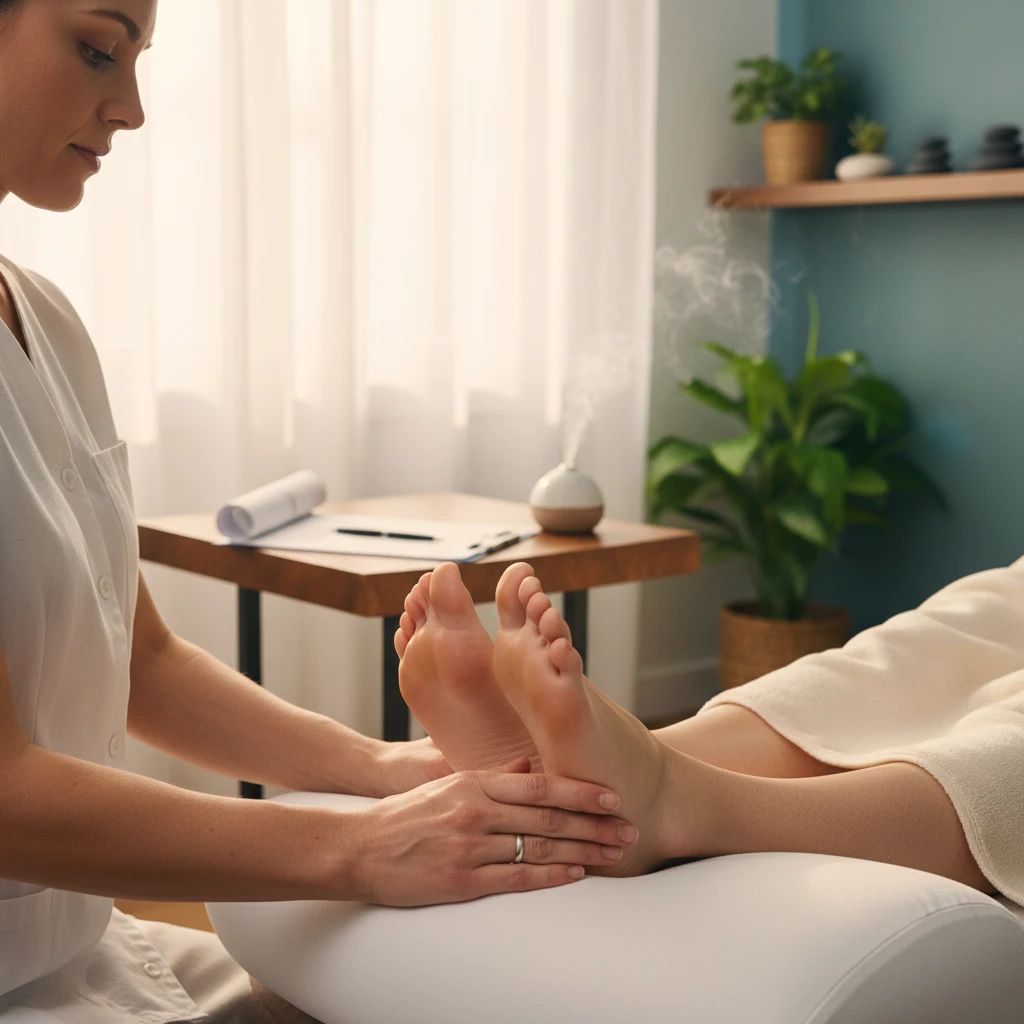
- The Treatment (40-50 minutes): The core of the session involves the application of pressure techniques. The client usually reclines in a special chair or lies on a massage table, remaining fully clothed except for shoes and socks. The therapist will work through the entire foot, often starting with relaxation techniques before moving to specific reflex points.
- Post-Treatment Feedback (5-10 minutes): After the physical work is done, there is a period for the client to rest and drink water. The practitioner will then discuss what they felt (such as areas of tension or “crystals”) and provide aftercare advice.
Shorter sessions, often called “taster” sessions, might last 30 minutes and focus solely on relaxation or a specific acute issue. Conversely, extended sessions of 90 minutes may be booked for deep therapeutic work combining reflexology with other modalities like aromatherapy.
Frequency Guide: How Often Should You Visit?
Determining the frequency of reflexology treatments is subjective and depends largely on your health goals, budget, and the nature of the condition you are addressing. Unlike a one-off spa treatment, the benefits of reflexology are often cumulative.
Acute vs. Chronic Conditions
For acute conditions—such as a recent sports injury, a sudden flare-up of digestive issues, or high-stress periods—practitioners often recommend a more intensive initial schedule. This might look like one session per week for four to six weeks. This frequency helps to “retrain” the body’s response systems and encourages a quicker return to balance.
For chronic issues—such as hormonal imbalances, long-term anxiety, or arthritis—consistency is key. After an initial block of weekly sessions to establish a baseline of improvement, clients often transition to a maintenance schedule.
Maintenance and Preventative Care
Many clients in the Auckland area utilize reflexology as a form of preventative healthcare. Once their primary concerns have been alleviated, they may switch to a fortnightly or monthly schedule. This regular “tune-up” helps to manage stress levels before they become overwhelming and maintains the improved circulation and nerve function achieved in earlier sessions.
The Diagnostic Myth: Can Reflexology Detect Illness?
A critical distinction must be made regarding diagnosis. Reflexologists cannot and should not diagnose medical conditions. This is a strict boundary in the code of ethics for professional reflexologists.
During a session, a practitioner may detect subtle changes in the texture of the foot tissue. They might feel “crunchy” deposits (often referred to as crystals), areas of heat, lack of tone, or tautness. In reflexology theory, these tactile indicators suggest an energy imbalance or congestion in the corresponding body part. For example, tenderness in the ball of the foot might indicate tension in the chest or lung area.
However, an imbalance is not a disease. Tenderness in the kidney reflex does not mean you have kidney disease or stones; it could simply imply the body is processing fluids heavily or that the lower back muscles (which share the same zone) are tight. A responsible expert will say, “I felt some congestion in the area corresponding to your digestion,” rather than “You have a stomach ulcer.” If they suspect a serious issue based on your symptoms and their findings, they will refer you to a General Practitioner (GP) for a medical diagnosis.
Practitioner Qualifications and Standards
In an unregulated industry, finding a qualified expert is paramount for safety and efficacy. In New Zealand and many other jurisdictions, anyone can technically claim to offer reflexology, but there is a vast difference between a weekend workshop certificate and a professional diploma.

What to Look For
A qualified reflexologist should hold a Diploma in Reflexology from an accredited institution. This training typically involves at least one year of study, covering:
- Anatomy and Physiology: A deep understanding of the human body’s systems is required to understand how reflexes correlate to organs.
- Pathology: Knowledge of diseases is necessary to know when not to treat (contraindications).
- Clinical Practice: Hundreds of hours of supervised hands-on practice.
For those seeking services in New Zealand, looking for membership with Reflexology New Zealand (RNZ) is a strong indicator of quality. Members of such professional bodies are required to hold valid first aid certificates, maintain ongoing professional development, and adhere to a strict code of ethics and conduct.
Sensations and Side Effects: What is Normal?
Clients often wonder what they will feel during and after a session. While the experience is generally deeply relaxing, certain sensations are common and indicate the therapy is working.
During the Session
Reflexology should not be excruciatingly painful. However, it is not uncommon to feel momentary sharpness or a “bruised” feeling when the therapist works on a congested reflex point. This is often described as “good pain”—a release of tension. If the pressure is too intense, you should always communicate this to the therapist, who can adjust their technique to work within your comfort zone.
The Healing Crisis
After a session, some people experience a “healing crisis” or a detoxification reaction. This typically occurs within 24 hours of treatment and is a sign the body is eliminating toxins. Symptoms can include:
- Increased urination or bowel movements.
- Fatigue or needing to sleep deeply.
- Mild headache.
- Emotional release (tearfulness).
These side effects are usually mild and temporary. Staying well-hydrated after your appointment helps to flush out these metabolic wastes and mitigate these symptoms.
Reflexology vs. Foot Massage: The Key Differences
It is easy to confuse reflexology with a standard foot massage, but the intentions and techniques differ significantly. A foot massage is primarily manipulating muscles to relieve tension and improve local circulation. It is generally unstructured and focuses on the soft tissue.
Reflexology, by contrast, is a specific pressure-point therapy. The practitioner is not just rubbing the skin; they are using caterpillar-walking movements with their thumbs to stimulate nerve endings. The intent is systemic—aiming to affect the liver, the sinuses, or the hormonal system—rather than just relaxing the foot muscles. While a foot massage is a luxurious treat, reflexology is a clinical modality used to address health concerns.
For more information on the physiological mechanisms of such therapies, reputable sources like the Mayo Clinic provide extensive overviews on how integrative medicine supports general wellness.
Expert Answers to Common Questions
Below are detailed answers to specific questions often asked by new clients. These cover safety, science, and practicalities.
Is reflexology scientifically proven?
While large-scale clinical trials are still growing, several studies suggest reflexology is effective for pain management, anxiety reduction, and palliative care. Research indicates it can lower blood pressure and improve sleep quality, though it is viewed as a complementary therapy rather than a cure-all.
Who should not get reflexology?
Reflexology is generally safe, but it is contraindicated for people with active Deep Vein Thrombosis (DVT) or blood clots, severe cellulitis or foot infections, unstable pregnancies (especially in the first trimester without specialist approval), and certain acute foot injuries like fractures.
Can reflexology induce labor?
Many pregnant women seek reflexology to encourage labor if they are overdue. By stimulating the pituitary and uterine reflexes, it can help prepare the body for birth and reduce stress, which may naturally facilitate the onset of labor, though it cannot force the body to do something it isn’t ready for.
Why does reflexology hurt sometimes?
Pain during reflexology usually indicates congestion or imbalance in the corresponding organ or body part. The sensation is often described as a sharp prick or a bruise-like feeling. This sensitivity decreases as the blockage clears over subsequent sessions.
Do you keep your socks on for reflexology?
No, you typically remove your socks and shoes for foot reflexology to allow the therapist direct contact with the skin. However, you remain fully clothed otherwise. For hand or ear reflexology, no clothing removal is necessary.
How do I feel after reflexology?
Most clients feel deeply relaxed, lighter, and calmer immediately after a session. Some may experience increased energy, while others might feel tired as their body processes the treatment. Increased thirst and more frequent urination are also common post-session effects.