Anxiety, a pervasive challenge in modern life, can manifest in overwhelming ways, often leading to debilitating anxiety attacks. While conventional treatments offer vital support, many individuals seek complementary therapies to manage their symptoms and foster a greater sense of calm. Among these, reflexology stands out as a promising holistic practice, utilizing the body’s innate healing capabilities to restore balance.
This definitive guide explores the powerful role of reflexology points in alleviating anxiety, offering practical techniques and insights into how targeted pressure on specific areas of the feet, hands, and ears can contribute to profound relaxation and emotional stability. We will delve into the science, methods, and integration of reflexology into a comprehensive wellness strategy, empowering you with knowledge to regain control over your well-being.
Reflexology points for anxiety are specific areas on the feet, hands, and ears that, when stimulated, are believed to help calm the nervous system, reduce stress hormones, and foster a sense of tranquility. By applying pressure to these zones, individuals may alleviate symptoms of anxiety attacks and promote overall emotional balance, making it a valuable tool in holistic stress management.
Understanding Anxiety and the Body’s Response
Anxiety is more than just feeling stressed; it’s a complex mental health condition characterized by persistent worry, fear, and apprehension. Its physical manifestations can be equally distressing, often including a racing heart, shortness of breath, dizziness, sweating, muscle tension, and digestive issues.
During an anxiety attack or panic attack, the sympathetic nervous system goes into overdrive, releasing a surge of adrenaline and cortisol. This hormonal cascade prepares the body for perceived danger, even when no actual threat exists. Understanding this intricate interplay between the mind and body is crucial for effective management. Holistic approaches, such as reflexology, aim to interrupt this stress cycle by promoting deep relaxation and activating the parasympathetic nervous system, which is responsible for the body’s ‘rest and digest’ functions.
Chronic anxiety can deplete the body’s resources, impact sleep quality, and weaken the immune system. For insights into strengthening your body’s defenses, consider Boosting Immunity Through Reflexology: Pathways and Practices. Therefore, finding sustainable, non-pharmacological methods to mitigate its effects is increasingly important for long-term health and well-being. Reflexology offers a hands-on method to gently guide the body back into a state of equilibrium, addressing not just the symptoms but also contributing to a more resilient physiological state.
The Science Behind Reflexology and Stress Relief
Reflexology is an ancient healing art based on the principle that specific points on the feet, hands, and ears correspond to organs, glands, and systems throughout the body. For a comprehensive overview of this practice, see Understanding Reflexology: A Comprehensive Guide. While not a cure for anxiety, the practice is thought to promote relaxation and help the body regulate its internal processes, thereby reducing stress and anxiety symptoms. The scientific community continues to explore the exact mechanisms, but several theories prevail.
One prominent theory suggests that reflexology works by stimulating nerve endings. The human body is rich in nerve connections, and pressure applied to reflex points may send signals along these neural pathways to the central nervous system. This signaling could encourage the release of endorphins, the body’s natural painkillers and mood elevators, leading to a sense of calm and well-being. Furthermore, it’s believed to improve blood circulation, ensuring better oxygen and nutrient delivery to cells while aiding in the removal of waste products, which can contribute to reducing physical tension often associated with anxiety.
Another perspective posits that reflexology helps in balancing the body’s energy pathways, or ‘qi’ as understood in Traditional Chinese Medicine. Blockages in these pathways are thought to contribute to illness and emotional distress. By clearing these blockages through targeted pressure, reflexology aims to restore the harmonious flow of energy, promoting physical and emotional healing. Regardless of the precise mechanism, countless individuals report significant reductions in stress and anxiety following reflexology sessions. Studies, such as those often referenced by organizations like the American Academy of Reflexology, point to its efficacy in managing symptoms related to stress, pain, and various conditions. This consistent anecdotal and emerging clinical evidence underscores its potential as a valuable complementary therapy for mental well-being.
Key Reflexology Points for Calming Anxiety
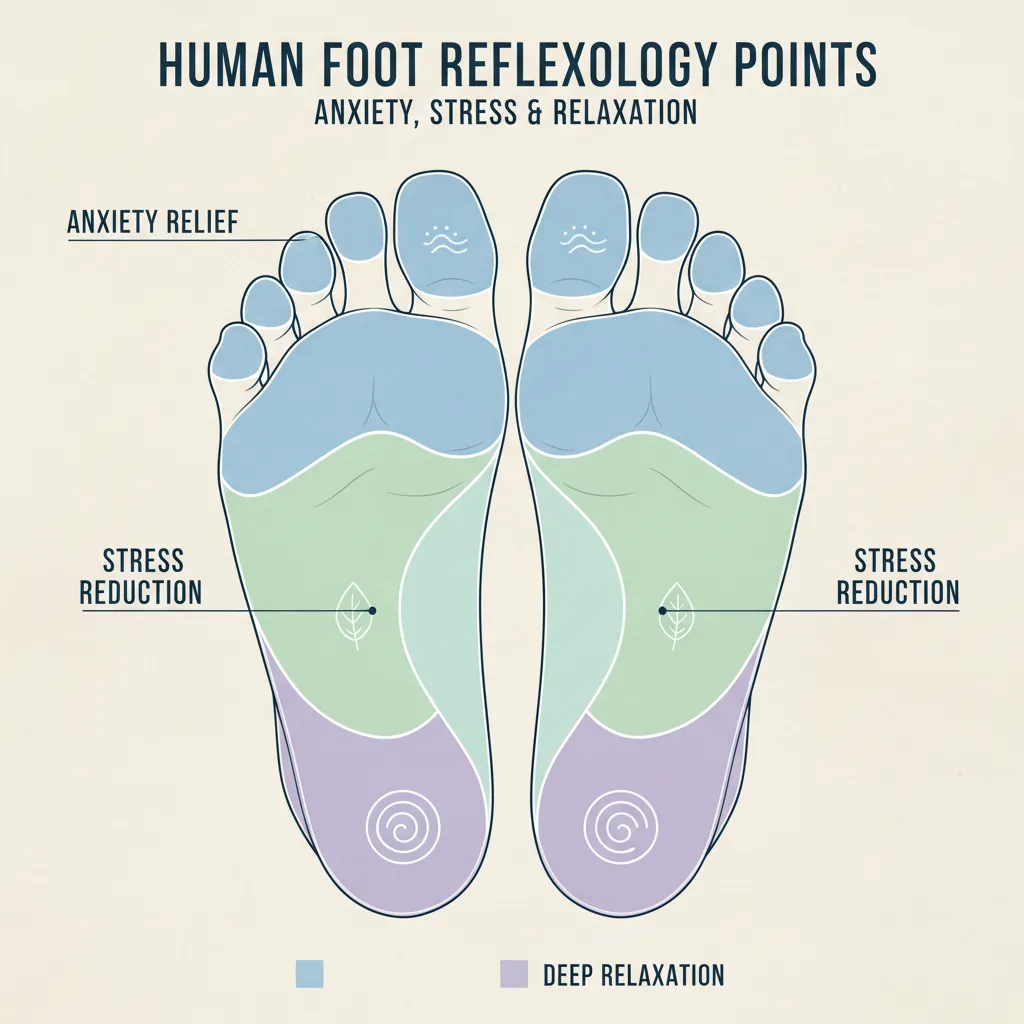
Specific reflexology points are particularly potent in addressing anxiety and its physical manifestations. Understanding where these points are and how to stimulate them can empower you to find relief.
The Solar Plexus/Diaphragm Point: The Anxiety Release Valve
Perhaps one of the most crucial points for general anxiety and immediate stress relief is the solar plexus reflex. Located just below the ball of each foot, in the center, and on the palms of the hands just below the base of the middle finger, this area corresponds to the body’s central energy distribution hub. Stimulating this point can help release pent-up tension, quiet a racing mind, and foster a deep sense of calm. Many people hold stress in their diaphragm, leading to shallow breathing; working this point can encourage deeper, more relaxed breaths. For those seeking targeted relief for specific areas, methods for Releasing Neck and Shoulder Tension through reflexology can be particularly beneficial. To stimulate, apply gentle, sustained pressure with your thumb or finger, breathing deeply for several minutes.
Heart Reflex for Palpitations
Anxiety often manifests as a racing heart or palpitations, which can be incredibly frightening during an attack. The heart reflex point is located on the sole of the left foot, just below the little toe and ring toe, slightly to the outside of the ball of the foot. On the hands, it’s on the palm of the left hand, just below the ring and little finger. Gently massaging or applying rhythmic pressure to this area can help regulate heart rhythm and calm the cardiovascular system. It’s important to remember that reflexology is a complementary therapy and should not replace medical advice for persistent heart issues. Focus on slow, circular motions or gentle thumb walking across this zone to promote a sense of security and stability, directly addressing the physical discomfort of palpitations.
Adrenal Calming Points
The adrenal glands, located atop the kidneys, are responsible for producing stress hormones like adrenaline and cortisol. During prolonged stress or anxiety attacks, these glands can become overactive and fatigued. The reflex points for the adrenal glands are found on the sole of each foot, about halfway down and slightly towards the inner arch, roughly between the ball and the heel. On the hands, they are similarly positioned in the palm, below the middle finger and ring finger. Applying steady, firm pressure to these points can signal the adrenals to temper their activity, helping to normalize hormone levels and reduce the physical symptoms of anxiety. This is a critical area to work on for those experiencing chronic stress, as it directly influences the body’s physiological stress response. Regular stimulation can support the adrenal glands in maintaining a healthier balance, preventing the ‘burnout’ sensation often associated with sustained anxiety.
Head/Brain Points: Clearing the Mind
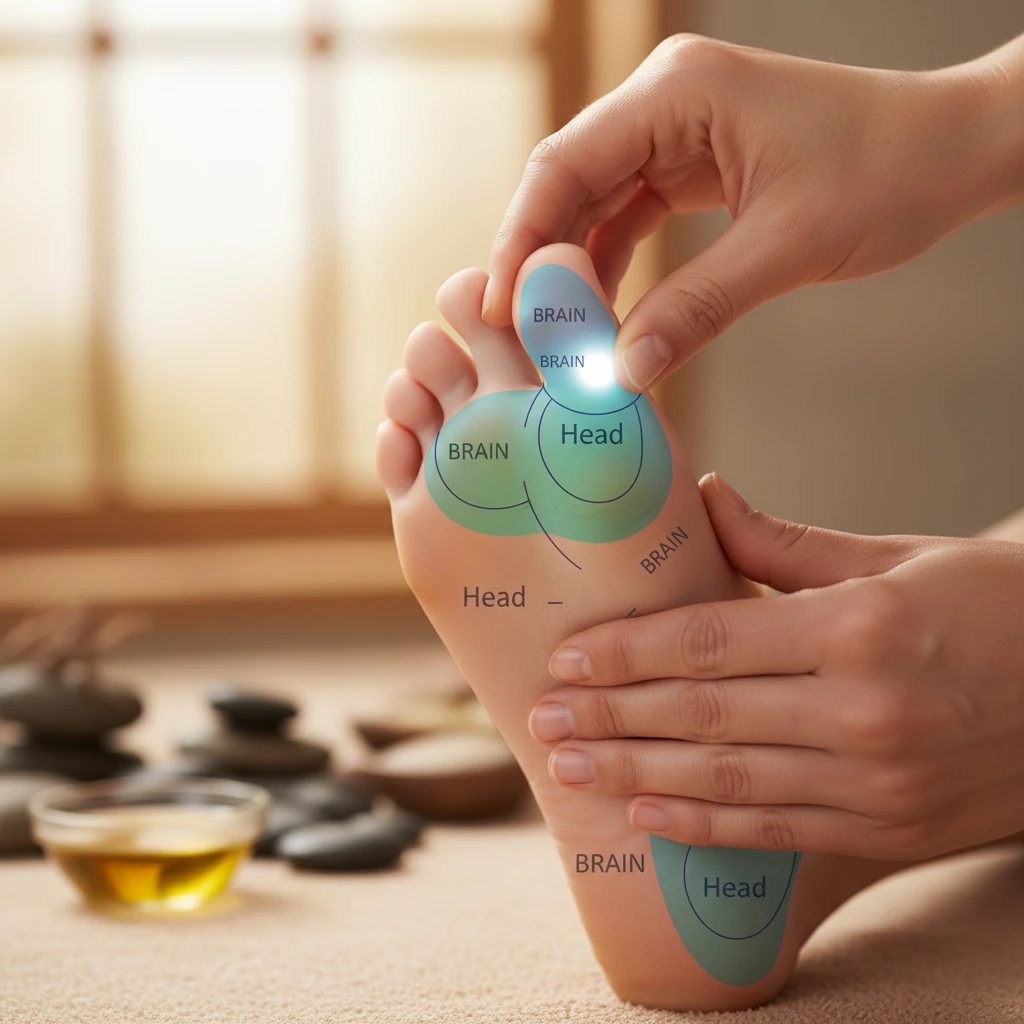
For the mental aspect of anxiety, particularly racing thoughts, worry, and difficulty concentrating, stimulating the head and brain reflex points can be highly beneficial. These points are primarily located on the tips of all toes (and fingers) and across the pads of the toes (and fingers). The big toe, in particular, corresponds to the brain. Gently squeezing, rubbing, or using a thumb-walking technique across the entire surface of your toes can help clear mental fog, reduce overthinking, and promote mental clarity. Focusing on the big toe can be particularly effective for calming the mind and alleviating headaches often accompanying anxiety.
Spine/Nervous System Points: Balancing the Body
The spinal reflex points run along the inner edge of each foot, from the tip of the big toe down to the heel, mirroring the curve of the spine. Working this entire line, by ‘thumb walking’ from top to bottom, can have a profoundly relaxing effect on the entire nervous system. This helps to release tension held along the spine, improve nerve communication, and foster an overall sense of balance and calm throughout the body, providing systemic relief from anxiety’s physical toll.
Grounding Techniques for Panic Attacks with Reflexology Integration
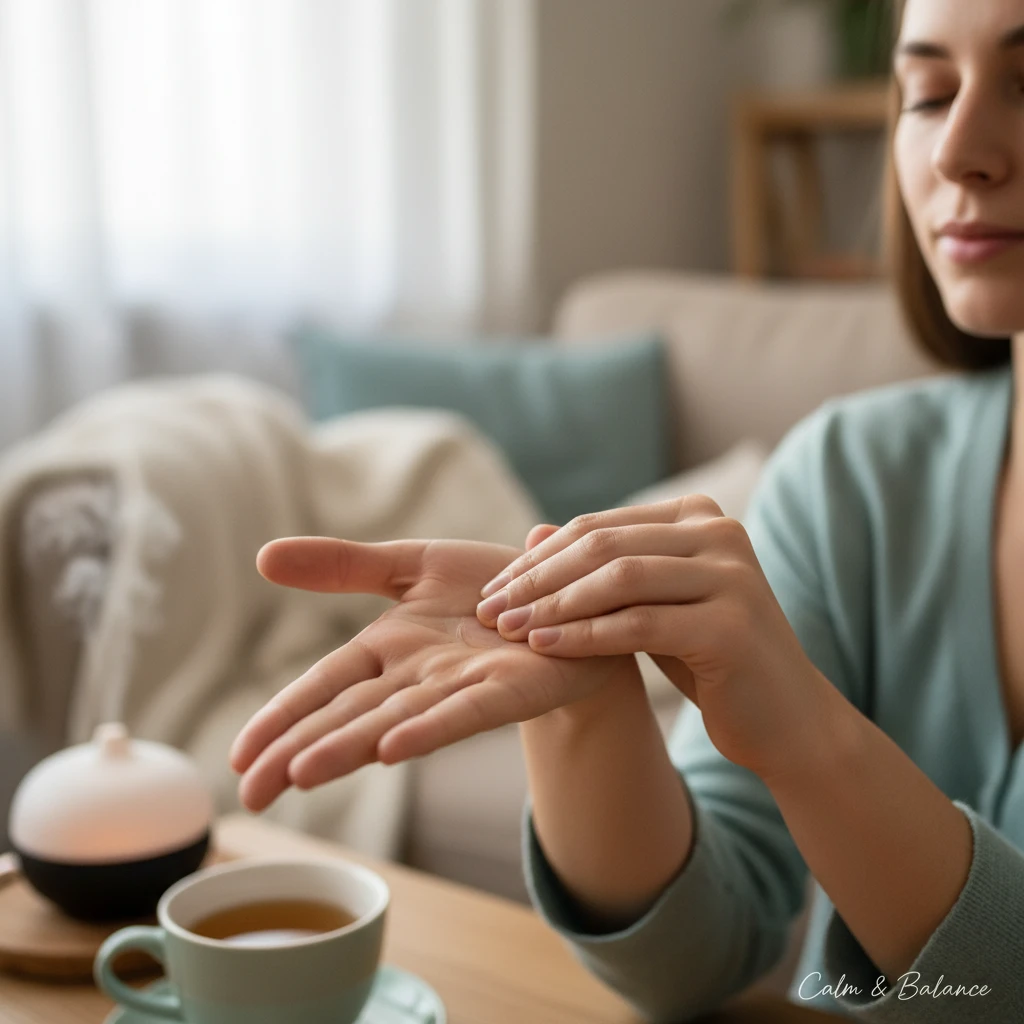
During a panic attack, the sensation of losing control can be overwhelming. Grounding techniques are crucial for bringing your awareness back to the present moment and restoring a sense of safety. Integrating reflexology into these techniques can amplify their effectiveness, providing a powerful dual approach to managing acute anxiety.
When an attack strikes, the first step is to find a safe, quiet place if possible. Sit down and focus on your breath. Then, you can begin to apply pressure to key reflexology points. A particularly effective point for immediate grounding is the Solar Plexus/Diaphragm point. As you apply firm, consistent pressure to this point on your feet or hands, visualize yourself connecting to the earth. Feel the weight of your body, the sensation of your touch, and the rhythm of your breath. This deliberate focus on physical sensation can help disrupt the overwhelming cycle of anxious thoughts.
Another potent grounding reflexology technique involves stimulating the tips of your toes and fingers, which correspond to the head and brain. As you gently squeeze each toe or finger, name five things you can see, four things you can feel (including the pressure of your fingers), three things you can hear, two things you can smell, and one thing you can taste. This 5-4-3-2-1 technique, combined with the physical sensation of reflexology, deeply anchors you in the present moment, pulling your focus away from internal fear and towards external reality. You can also press firmly into the heel of your foot, which is a strong grounding area, simultaneously reminding your body of its stability and connection to the ground beneath you. Combining these tactile sensations with conscious breathing and sensory awareness creates a formidable strategy against the spiraling effects of a panic attack, offering a tangible pathway back to calm.
Daily Maintenance for Anxiety with Reflexology
While reflexology can offer immediate relief during acute anxiety, its true power lies in its consistent application as a daily maintenance strategy. Regular self-care using reflexology can help build resilience against stress, prevent anxiety from escalating, and promote overall emotional well-being. Incorporating these practices into your routine can be a transformative step towards sustained calm.
One simple yet effective daily practice involves dedicating 5-10 minutes each morning or evening to working on your feet or hands. Start with the solar plexus point to set a calm tone for the day or release accumulated tension before sleep. Follow this by ‘thumb walking’ along the spinal reflex line on the inner edge of your feet, from heel to toe, to balance your nervous system. Conclude by gently massaging the adrenal points to support healthy stress hormone regulation. This routine can be done while watching TV, reading, or simply sitting quietly, making it easy to integrate into a busy schedule.
For those who prefer a quicker approach, focusing on the tips of the fingers and toes, and the pads of the thumbs, can be done anywhere, anytime. Squeezing and massaging these areas for a minute or two can provide a quick mental reset during moments of stress or before a challenging task. Moreover, using a reflexology ball or even a golf ball to roll under your feet while seated can provide passive stimulation to multiple points simultaneously, offering a convenient way to maintain a calm state throughout the day. Consistency is key; just like regular exercise strengthens the body, regular reflexology strengthens your capacity for peace and emotional stability. For additional insights on maintaining mental wellness, reliable resources such as the National Institute of Mental Health provide valuable information on managing anxiety over time.
Integrating Reflexology into a Holistic Anxiety Management Plan
Reflexology is a powerful tool, but it is most effective when viewed as one component within a broader, holistic anxiety management plan. True well-being emerges from addressing multiple facets of health – physical, mental, emotional, and spiritual. Integrating reflexology with other supportive practices can create a synergistic effect, amplifying your capacity to manage anxiety and live a more balanced life.
Consider combining regular reflexology sessions (or self-reflexology) with practices like mindfulness meditation and deep breathing exercises. Mindfulness helps you stay present and observe anxious thoughts without judgment, while deep breathing directly activates the parasympathetic nervous system, complementing the calming effects of reflexology. Physical activity, even moderate exercise like walking or yoga, also plays a crucial role in reducing stress hormones and improving mood. Ensure you are getting adequate sleep, as sleep deprivation can significantly exacerbate anxiety symptoms.
Nutrition is another foundational pillar. A balanced diet rich in whole foods, lean proteins, and healthy fats can stabilize blood sugar and support brain health, while reducing caffeine and sugar intake can prevent anxiety spikes. Herbal remedies, under the guidance of a qualified practitioner, may also offer additional support. Furthermore, establishing a strong support system, whether through therapy, support groups, or trusted friends and family, provides emotional resilience. Reflexology doesn’t replace these vital components but rather enhances them, offering a tangible, self-empowering method to directly influence your body’s stress response. By weaving reflexology into this tapestry of wellness practices, you cultivate a comprehensive and personalized strategy for sustained mental and emotional health.
Precautions and When to Seek Professional Help
While reflexology is generally considered safe and beneficial for most individuals, it’s essential to approach it with awareness and discretion. Certain conditions or circumstances warrant caution, and reflexology should never be used as a substitute for conventional medical treatment, especially for severe or chronic anxiety disorders. Always consult with your healthcare provider before starting any new complementary therapy, particularly if you have pre-existing health conditions or are pregnant.
Individuals with certain medical conditions, such as deep vein thrombosis, open wounds on the feet or hands, or severe circulation problems, should avoid reflexology or seek advice from their doctor. While gentle, reflexology can stimulate the body, and in some cases, it might not be appropriate. Pregnant women, especially in their first trimester, should consult their physician, as some reflex points are believed to stimulate contractions, though this is often debated within the reflexology community.
It’s crucial to recognize when anxiety symptoms extend beyond what self-care practices can effectively manage. If you experience persistent, overwhelming anxiety, panic attacks that disrupt your daily life, thoughts of self-harm, or if reflexology and other self-help methods aren’t providing sufficient relief, it’s imperative to seek professional medical or psychological help. Therapists, psychiatrists, and doctors can offer diagnosis, counseling, medication, and other evidence-based treatments tailored to your specific needs. Reflexology serves as an excellent complementary tool to support your overall well-being, but it is part of a comprehensive care plan, not a standalone solution for severe mental health challenges. Always prioritize your safety and consult with experts when in doubt.
Conclusion
Navigating the complexities of anxiety can be a challenging journey, but the integration of practices like reflexology offers a beacon of hope and a pathway to greater calm. By understanding and stimulating specific reflex points on the feet, hands, and ears, individuals can proactively engage with their body’s innate healing mechanisms to alleviate stress, reduce anxiety symptoms, and foster a profound sense of tranquility. From the immediate grounding relief during a panic attack to the sustained benefits of daily maintenance, reflexology empowers you to take an active role in your mental and emotional well-being.
This holistic approach, when combined with other healthy lifestyle choices and, where necessary, professional support, creates a robust framework for managing anxiety. Embrace the power of touch, listen to your body, and allow the ancient wisdom of reflexology to guide you towards a more balanced, peaceful, and resilient state of being. Your journey to calm is a continuous one, and reflexology can be a trusted companion every step of the way.
People Also Ask
What reflexology points help with anxiety and panic attacks?
Key reflexology points for anxiety and panic attacks include the solar plexus/diaphragm point (in the center of the ball of each foot/palm), the adrenal points (mid-foot/palm below middle fingers), and the brain/head points (tips of all toes/fingers). Stimulating these areas can help calm the nervous system and reduce stress hormones.
How long does it take for reflexology to work for anxiety?
The effects of reflexology can vary from person to person. Some individuals report feeling immediate relaxation and a reduction in anxiety symptoms during or shortly after a session. For chronic anxiety, consistent daily self-reflexology or regular sessions over several weeks may be needed to experience more sustained and profound benefits.
Can I do self-reflexology for anxiety at home?
Yes, self-reflexology for anxiety is an effective and accessible practice. You can easily stimulate points on your hands and feet using your thumbs and fingers. Online guides, books, and workshops can teach you proper techniques, empowering you to manage your anxiety proactively from the comfort of your home.
Is reflexology scientifically proven for anxiety?
While more large-scale clinical trials are needed, existing research and numerous anecdotal reports suggest that reflexology can be effective in reducing stress, improving mood, and alleviating anxiety symptoms. Studies have shown positive impacts on physiological markers of stress, though it’s often considered a complementary therapy rather than a primary medical treatment.
Are there any side effects of reflexology for anxiety?
Reflexology is generally considered safe with minimal side effects. Some individuals might experience temporary light-headedness, increased urination, or heightened emotions as the body releases tension. These are usually mild and short-lived. It’s important to consult a healthcare provider if you have underlying medical conditions or concerns.
How often should I do reflexology for chronic anxiety?
For chronic anxiety, many practitioners recommend starting with weekly reflexology sessions for a period (e.g., 4-6 weeks) to establish a baseline of relaxation. For self-care, daily short sessions (5-10 minutes) on specific points can be highly beneficial for ongoing maintenance and prevention of anxiety escalation. Consistency is more important than duration.