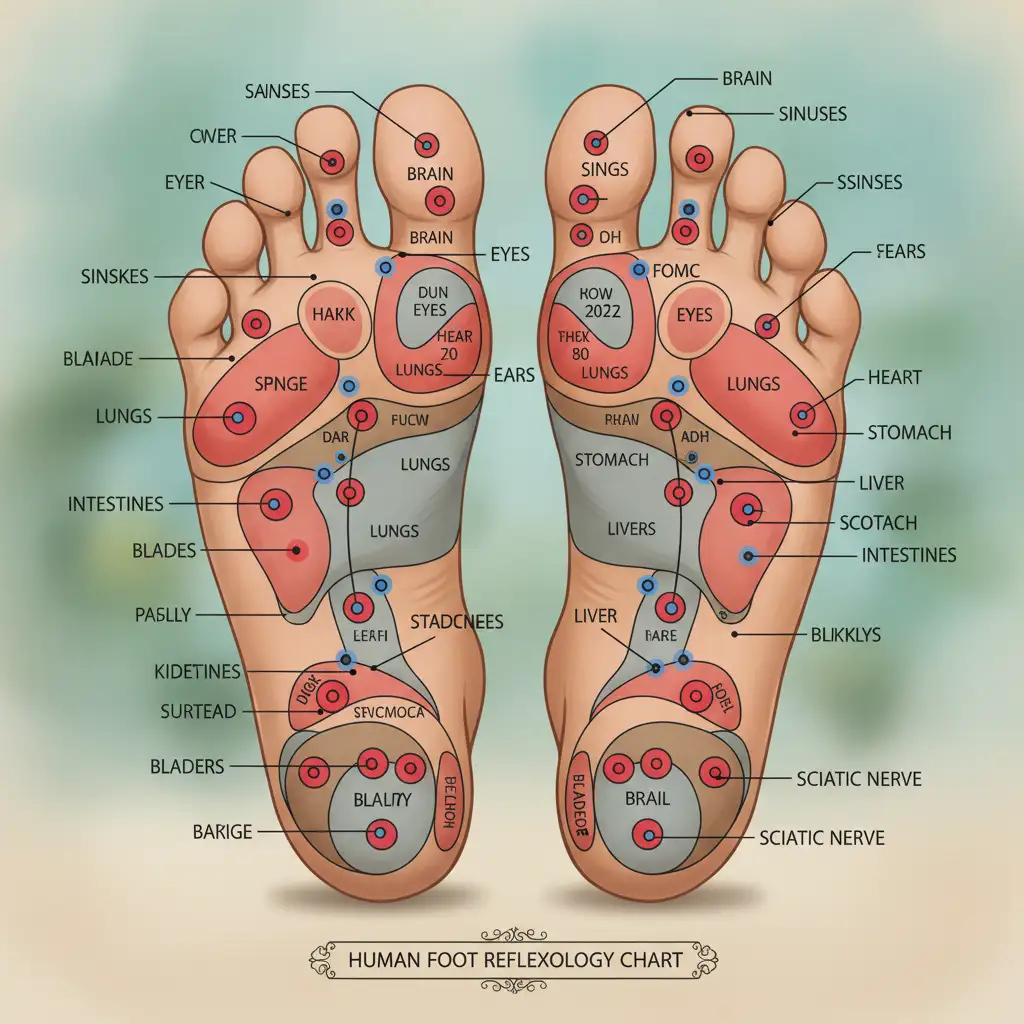
Your first reflexology session in Auckland is a holistic journey designed to promote deep relaxation and well-being by applying pressure to specific points on your feet, hands, or ears. This introductory guide will demystify the process, ensuring you feel prepared and comfortable for a truly beneficial experience in Auckland.
Preparation Before Your First Reflexology Appointment in Auckland
Embarking on your first reflexology session is an exciting step towards enhanced well-being. To ensure you gain the maximum benefit from your initial visit to an Auckland practitioner, a little preparation goes a long way. Understanding what to do and what to avoid can significantly enhance your comfort and the efficacy of the treatment, allowing you to fully relax and receive the therapeutic benefits.
What to Wear and Hydration Tips
Comfort is paramount. Opt for loose-fitting, comfortable clothing that allows you to relax fully on the treatment couch or recliner. While reflexology primarily focuses on the feet (or sometimes hands and ears), tight clothing around your waist or legs can restrict circulation and hinder your ability to settle into a state of deep relaxation. You’ll likely be asked to remove your shoes and socks, but your clothing will remain on. Hydration is also key, both before and after your session. Drinking plenty of water in the hours leading up to your appointment can help your body’s systems operate efficiently, which is beneficial as reflexology is believed to support the body’s natural detoxification processes.
Food, Drink, and Other Considerations
It’s generally recommended to avoid heavy meals, excessive caffeine, and alcohol for a few hours before your session. A light meal is fine, but a full stomach can sometimes make you feel uncomfortable when lying down for an extended period. Caffeine and alcohol can also interfere with your body’s natural state of relaxation, which is the primary goal of reflexology. If you are on any medication, it’s crucial to continue taking it as prescribed and inform your reflexologist during the consultation. Consider making notes about any health concerns, recent changes in your health, or specific areas of discomfort you wish to address. This information will be invaluable for your therapist in tailoring the session to your needs.
Planning your journey to the clinic in Auckland is also a good idea. Allow ample time for travel, parking, and a few minutes to settle in before your appointment. Rushing can elevate stress levels, counteracting the relaxation you’re seeking. Aim to arrive 5-10 minutes early to complete any initial paperwork without feeling hurried.
The Consultation Process and Health Assessment
The initial consultation is a cornerstone of your first reflexology session. It’s a vital opportunity for your Auckland reflexologist to understand your unique health profile, concerns, and expectations. This collaborative discussion ensures the treatment is not only safe but also specifically tailored to support your individual well-being goals.
Detailed Health History and Lifestyle Discussion
Upon arrival, you’ll typically be greeted by your therapist and asked to fill out a comprehensive health questionnaire. This document covers various aspects of your health, including past medical conditions, current medications, lifestyle habits (such as diet, exercise, and stress levels), and any specific symptoms or discomforts you might be experiencing. Be as thorough and honest as possible, as this information is crucial for your therapist to provide safe and effective care. For instance, knowing if you have diabetes, heart conditions, or are pregnant will influence how the therapist approaches the session. All information shared is confidential and handled with professional discretion.
Discussing Your Goals and Expectations
Following the paperwork, you’ll have a one-on-one discussion with your reflexologist. This is your chance to articulate why you’ve sought reflexology. Are you looking for stress reduction, relief from specific ailments like headaches or digestive issues, or simply deep relaxation? The therapist will listen attentively to your concerns, answer any questions you may have about reflexology itself, and explain what to expect during the session. They may also conduct a brief visual inspection of your feet to note any obvious conditions, such as corns, calluses, or swelling, which can provide additional insights into your overall health.
This initial dialogue is critical for establishing trust and ensuring both you and your therapist are on the same page. It allows the practitioner to formulate a personalized treatment plan, focusing on areas of the feet that correspond to your stated concerns, while also working reflex points to promote overall systemic balance. For more general information on reflexology and its history, you might find resources like Wikipedia’s page on Reflexology helpful in understanding its foundational principles. For a deeper dive into the subject, consider our Understanding Reflexology: A Comprehensive Guide.
Description of the Reflexology Treatment Experience
With the consultation complete, you’ll transition into the treatment phase, which is where the magic of reflexology truly unfolds. The experience is designed to be deeply relaxing and restorative, guiding your body and mind towards a state of balance and calm. Your Auckland reflexologist will create an environment conducive to this, ensuring your comfort throughout.
Setting the Scene and Client Positioning
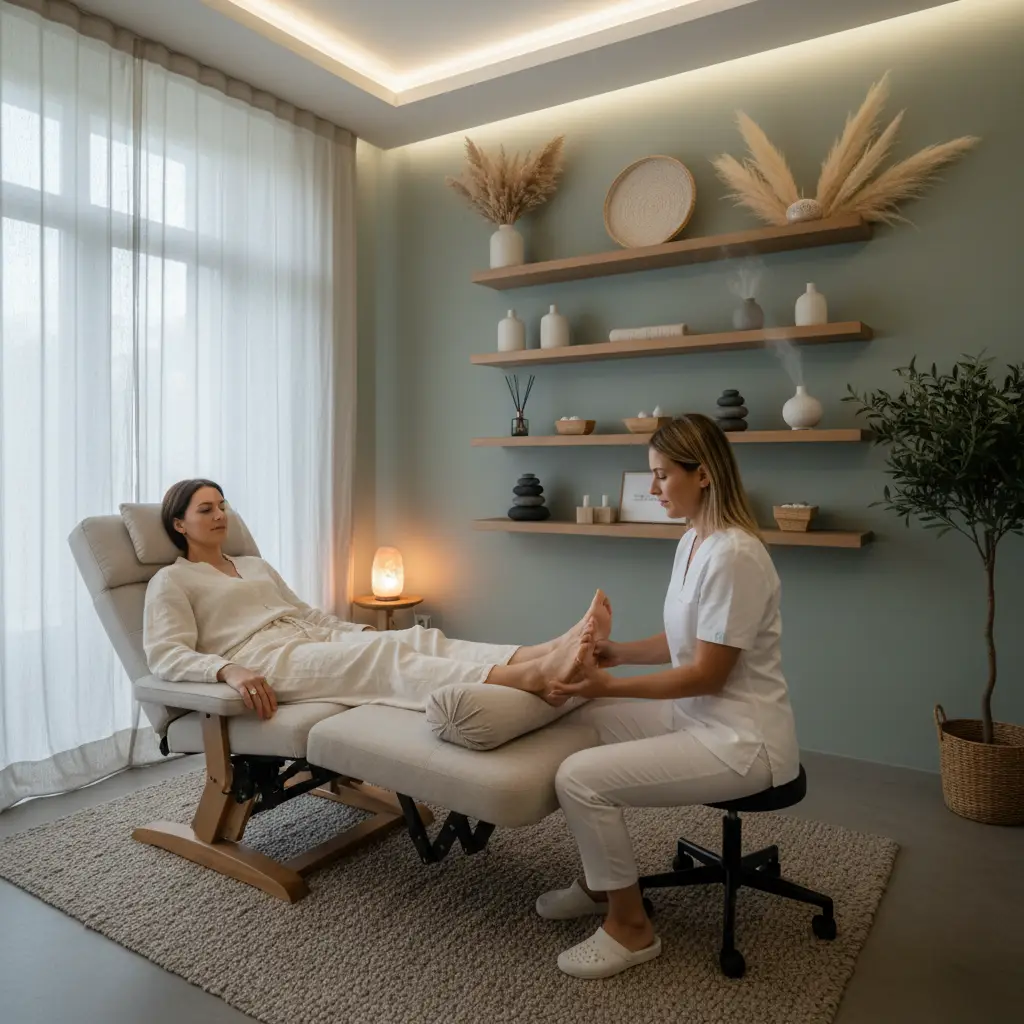
The treatment room itself is usually a tranquil sanctuary. Expect soft lighting, calming music (or silence, if preferred), and a comfortable, heated treatment couch or recliner. You’ll be invited to lie back or recline, ensuring you are completely comfortable and supported. Pillows and blankets may be offered to enhance your comfort. Once settled, your therapist will typically clean your feet with a warm towel or wipe, a soothing start to the session that also serves to inspect the feet more closely.
Reflexology Techniques and Expected Sensations
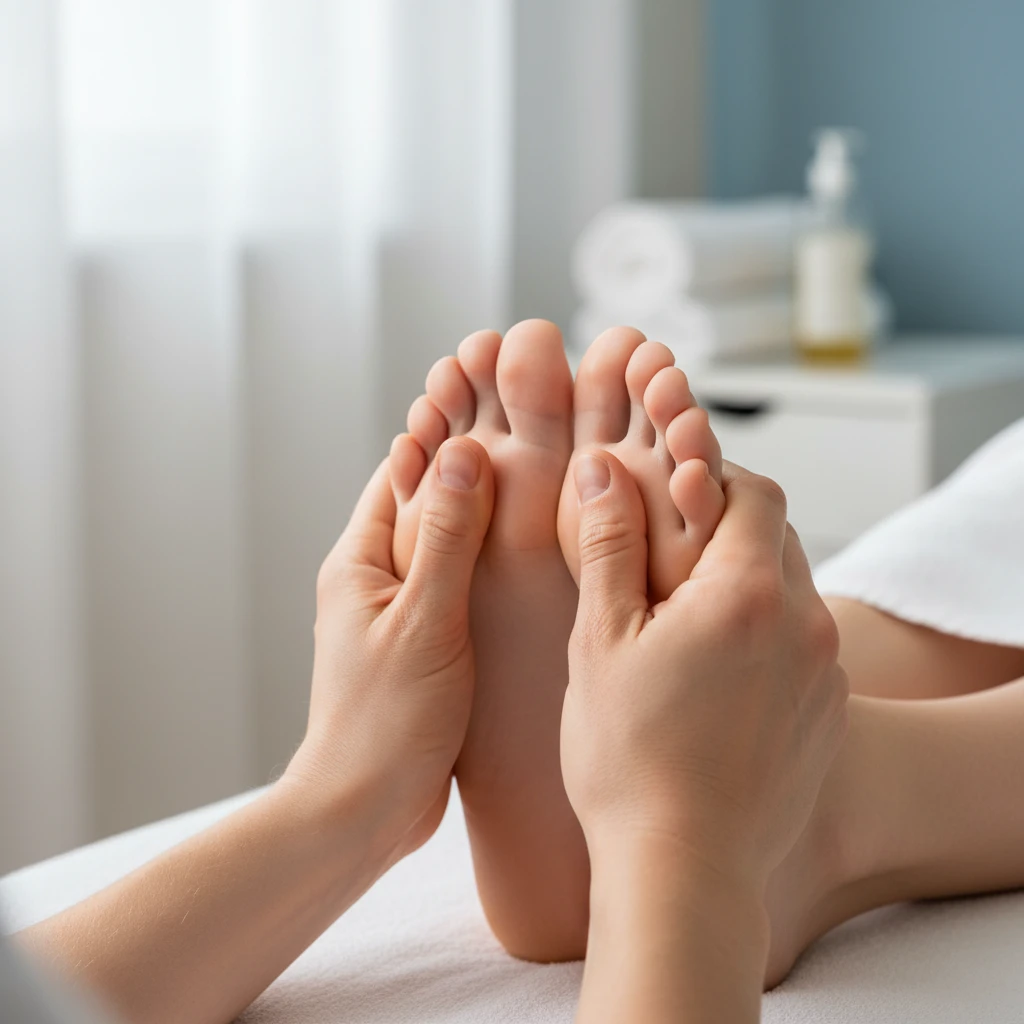
The core of the session involves the application of specific pressure techniques to your feet, using thumbs, fingers, and knuckles. Your therapist will use a ‘thumb walking’ or ‘finger walking’ technique, systematically working across the entire foot, from the toes to the heel, covering all the reflex points. They may also apply gentle massage strokes or hold certain points. A small amount of cream, oil, or powder might be used to facilitate smooth movement across the skin. The pressure applied is firm but generally should not be painful. However, some areas might feel more tender or sensitive than others; these often correspond to areas of imbalance or congestion in the body.
Sensations during the treatment can vary greatly from person to person and even from session to session. You might experience:
- Deep relaxation, even drifting off to sleep.
- Warmth, tingling, or a pulsing sensation in your feet or other parts of your body.
- A feeling of lightness or heaviness.
- Emotional releases, such as tears or laughter, which are a natural part of releasing tension.
- Tenderness or slight discomfort in certain reflex points, which the therapist will note and adjust pressure accordingly.
It’s important to communicate with your therapist if the pressure is too much or too little, or if you feel any discomfort. A typical reflexology session usually lasts between 45 to 60 minutes, with the first session often being on the longer side due to the initial consultation. The therapist will usually work on both feet, ensuring a balanced treatment across all reflex zones of the body.
Post-Session Care and Recommendations
The benefits of your reflexology session extend beyond the treatment room. How you care for yourself in the hours and days following your appointment in Auckland can significantly influence how effectively your body integrates the therapeutic work and sustains the feelings of well-being. Understanding potential reactions and optimal self-care strategies is key to maximizing your experience.
Immediate Feelings and Continued Hydration
Immediately after your session, it’s common to feel deeply relaxed, perhaps even a little light-headed or ‘spaced out’. Some people report feeling a surge of energy, while others feel a pleasant tiredness. These are all normal responses as your body begins to process the treatment. Take your time getting up from the treatment couch and re-orient yourself. Avoid rushing immediately back into strenuous activities or work. Just as before the session, staying well-hydrated is crucial post-reflexology. Drinking plenty of water helps your body flush out toxins that may have been stimulated during the session, aiding the natural detoxification process.
Observing Changes and Long-Term Recommendations
Over the next 24-48 hours, pay attention to any subtle changes in your body or emotional state. You might notice:
- Improved sleep quality.
- Enhanced mood or a sense of calm.
- Changes in digestion or increased urination (a sign of detoxification).
- Temporary mild headaches or heightened emotions, sometimes referred to as a ‘healing crisis’. These are generally short-lived and indicate your body is working to rebalance.
- Alleviation of specific symptoms you initially sought treatment for.
Your reflexologist in Auckland will likely offer personalized post-care advice, which may include specific stretches, dietary suggestions, or recommendations for follow-up sessions. For chronic conditions or deeply ingrained stress patterns, a course of several sessions is often recommended to achieve lasting results, rather than just a single treatment. Regular reflexology can be a powerful tool for maintaining overall health and preventing imbalances from taking hold. Discussing a treatment plan with your therapist can help you set realistic expectations and work towards your long-term wellness goals.

People Also Ask About First Reflexology Sessions
What should I expect immediately after a reflexology session?
Immediately after a reflexology session, you might feel deeply relaxed, calm, or even slightly sleepy. Some individuals report feeling energized and invigorated, while others experience a pleasant tiredness. It’s common to feel light-headed, so take your time standing up. Increased thirst and a need to urinate are also normal as your body processes the treatment and begins to detoxify.
How long does a typical reflexology session last in Auckland?
A typical reflexology session in Auckland usually lasts between 45 to 60 minutes. Your very first appointment might be slightly longer, as it includes an initial consultation where your therapist will gather your health history and discuss your wellness goals before the hands-on treatment begins.
Is reflexology painful, especially for a first-timer?
Reflexology should generally not be painful, but rather a firm and comfortable pressure. However, some areas corresponding to imbalances in your body might feel more sensitive or tender. It’s crucial to communicate any discomfort to your reflexologist so they can adjust their pressure to ensure your comfort while still being effective.
What should I wear to my first reflexology appointment?
For your first reflexology appointment, wear loose-fitting, comfortable clothing that allows you to relax fully. You’ll need to remove your shoes and socks, so ensure your clothing isn’t restrictive around your ankles or calves. Your upper body clothing will remain on throughout the session.
How often should I get reflexology sessions?
The frequency of reflexology sessions depends on your individual needs and health goals. For acute issues, a series of weekly sessions might be recommended initially. For general well-being and maintenance, many people opt for monthly or bi-monthly sessions. Your reflexologist will discuss a personalized treatment plan with you during your consultation.
What are the benefits of reflexology for beginners?
For beginners, reflexology offers numerous benefits, including profound relaxation and stress reduction, improved sleep quality, enhanced circulation, and a boost to the body’s natural healing processes. It can help alleviate common ailments like headaches and digestive issues, and promote an overall sense of balance and well-being as your body rebalances itself.