
Reflexology is a complementary health therapy that involves applying pressure to specific points on the feet, hands, or ears. These points, known as reflex areas, correspond to different organs, glands, and body parts. The practice aims to promote relaxation, alleviate stress, and support the body’s natural healing processes by restoring balance and improving energy flow.
What is Reflexology? Unpacking the Core Concepts
Reflexology stands as a unique therapeutic modality within the realm of complementary and alternative medicine. Rooted in ancient practices, its contemporary application is grounded in the principle that our extremities serve as miniature maps of our entire body. By understanding and manipulating these intricate maps, practitioners aim to influence the well-being of corresponding internal structures and systems.
Definition and Principles of Reflexology
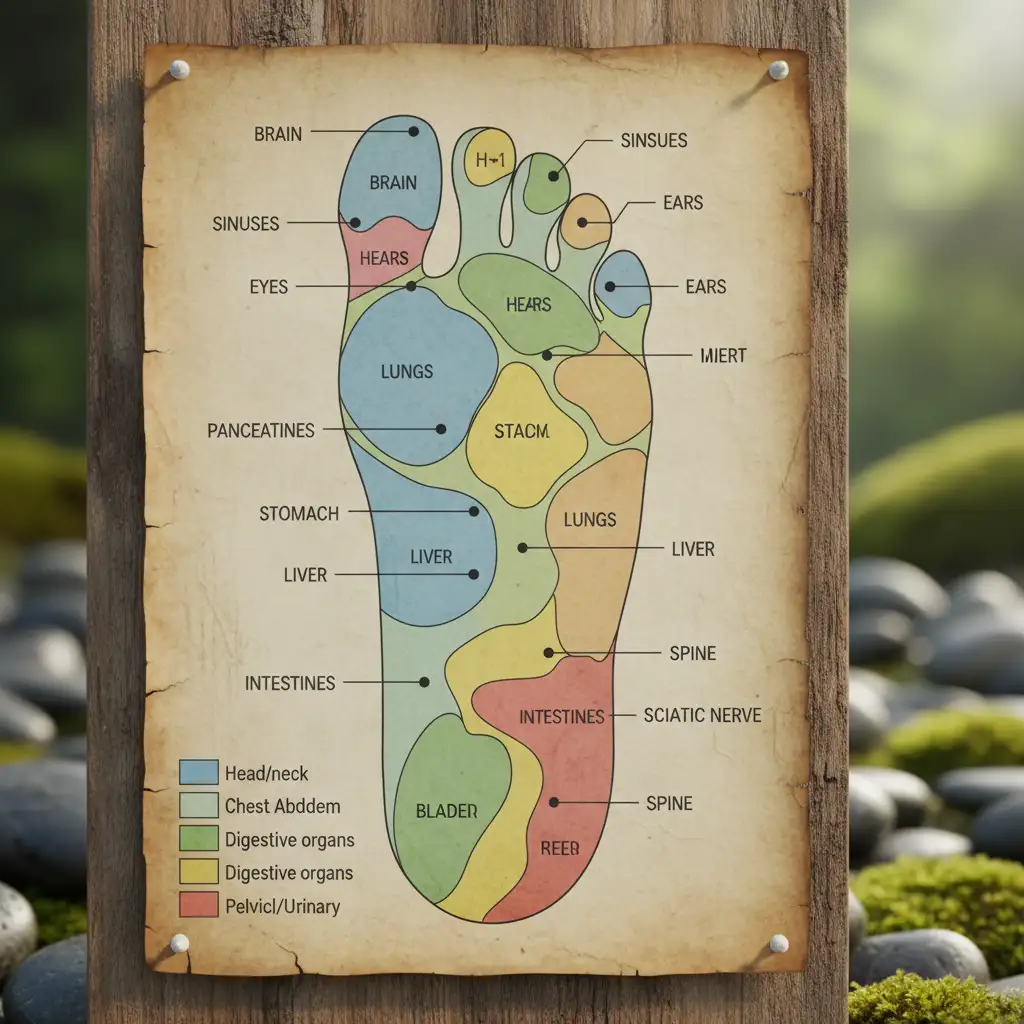
At its core, reflexology is a non-invasive holistic therapy based on the premise that distinct zones and reflex areas on the feet, hands, and outer ears are energetically connected to specific organs, glands, and parts of the body. A certified reflexologist applies varying degrees of pressure to these reflex points using thumb, finger, and hand techniques. This targeted pressure is believed to stimulate nerve function, improve circulation, and encourage the body to return to a state of homeostasis or natural balance.
Key principles guiding reflexology include:
- Zone Theory: Developed by Dr. William Fitzgerald in the early 20th century, this theory divides the body into ten longitudinal zones, each ending in the fingers and toes. Pressure applied to a point within a zone is believed to affect other areas within that same zone.
- Reflex Points: Specific areas on the feet, hands, and ears that directly correspond to particular body parts, such as the liver, kidneys, stomach, or spine.
- Energy Pathways: Similar to concepts in Traditional Chinese Medicine (TCM), reflexology posits that energy (or ‘qi’) flows through these zones and pathways. Blockages in this flow can lead to imbalances and ill health, which reflexology seeks to clear.
The Holistic Approach
Unlike conventional medical treatments that often target specific symptoms or diseases, reflexology embraces a holistic perspective. It views the individual as an integrated whole, recognizing the interconnectedness of physical, mental, and emotional health. Practitioners do not diagnose or prescribe but rather work to support the body’s innate healing capabilities. By addressing the root causes of imbalance rather than just the symptoms, reflexology aims to foster overall well-being. This approach often leads to deep relaxation, reduced stress, and an enhanced sense of vitality, influencing various aspects of a person’s life.
The Scientific Basis and Theories Behind Reflexology
While the empirical evidence for reflexology’s specific mechanisms is still an area of ongoing research, several theories attempt to explain its effectiveness. These theories often bridge ancient understanding with modern physiological knowledge, providing a framework for how applying pressure to reflex points might influence distant parts of the body and overall health.
Energy Pathways and Nerve Endings
One prominent theory suggests that reflexology works by stimulating nerve endings. The human body is rich with an intricate network of nerves, particularly in the feet and hands. When pressure is applied to reflex points, it is thought to send signals through the nervous system to the corresponding organs and glands, thereby stimulating or calming them. This nerve impulse transmission could help unblock neural pathways and optimize nerve function, facilitating communication throughout the body.
Another theory draws parallels with the concept of meridians or energy channels found in Traditional Chinese Medicine (TCM). Although reflexology itself is not TCM, proponents suggest that applying pressure to reflex points can influence the flow of ‘qi’ (life energy) through these invisible pathways. Blockages in these energy channels are believed to contribute to illness, and reflexology aims to clear these blockages, restoring harmonious energy flow.
Endorphin Release and Stress Reduction
Perhaps one of the most widely accepted physiological explanations for reflexology’s benefits lies in its profound ability to induce relaxation and reduce stress. When the body enters a state of deep relaxation, several positive physiological changes occur:
- Endorphin Release: Pressure on reflex points can trigger the release of endorphins, the body’s natural painkillers and mood elevators. This can lead to reduced pain perception and an enhanced sense of well-being.
- Reduced Cortisol Levels: Chronic stress elevates cortisol, a hormone that can have detrimental effects on immune function and overall health. Reflexology can help lower cortisol levels, mitigating the physiological impact of stress.
- Improved Circulation: Relaxation allows blood vessels to dilate, improving blood flow and oxygen delivery to cells and tissues throughout the body. This enhanced circulation aids in nutrient delivery and waste removal.
- Parasympathetic Nervous System Activation: Reflexology helps shift the body from a ‘fight or flight’ (sympathetic) state to a ‘rest and digest’ (parasympathetic) state. This promotes healing, reduces inflammation, and supports various bodily functions.
These physiological responses contribute to many of the reported benefits of reflexology, particularly its efficacy in stress management and promoting a sense of calm.
Common Benefits of Reflexology and What to Expect
Individuals seek reflexology for a wide array of reasons, ranging from general stress reduction to alleviating specific discomforts. While it is not a cure-all, many report significant improvements in various aspects of their health and well-being after sessions.
Alleviating Stress and Promoting Relaxation
One of the most immediate and profound benefits of reflexology is its ability to induce deep relaxation. In today’s fast-paced world, chronic stress is a prevalent issue that can manifest in numerous physical and emotional symptoms. Reflexology helps to calm the nervous system, reduce muscle tension, and quiet the mind. Clients often report feeling a profound sense of peace and tranquility during and after a session, which can have lasting positive effects on their stress resilience.
Pain Management and Improved Circulation
Many individuals turn to reflexology for assistance with pain management. By stimulating nerve endings and promoting the release of endorphins, reflexology can help reduce the perception of pain throughout the body. This can be particularly beneficial for conditions like headaches, back pain, and musculoskeletal discomfort. Furthermore, the techniques used in reflexology can improve blood and lymphatic circulation. Enhanced circulation means more efficient delivery of oxygen and nutrients to cells and better removal of metabolic waste products, contributing to reduced inflammation and faster healing.
Enhancing General Well-being and Sleep Quality
Beyond specific ailments, reflexology is widely sought for its ability to foster an overall sense of balance and well-being. Regular sessions can lead to increased energy levels, improved mood, and a greater capacity to cope with daily challenges. A significant number of clients also report improved sleep quality. By reducing stress and promoting relaxation, reflexology helps to regulate sleep patterns, making it easier to fall asleep and experience more restorative rest.
What Happens During a Reflexology Session?
A typical reflexology session usually lasts between 45 to 60 minutes. You will typically be asked to recline in a comfortable chair or lie on a massage table. The practitioner will usually begin by cleaning your feet (or hands), then visually inspect them before starting the application of pressure. Using various thumb and finger techniques, they will systematically work through the reflex points on your feet, paying attention to areas of sensitivity or