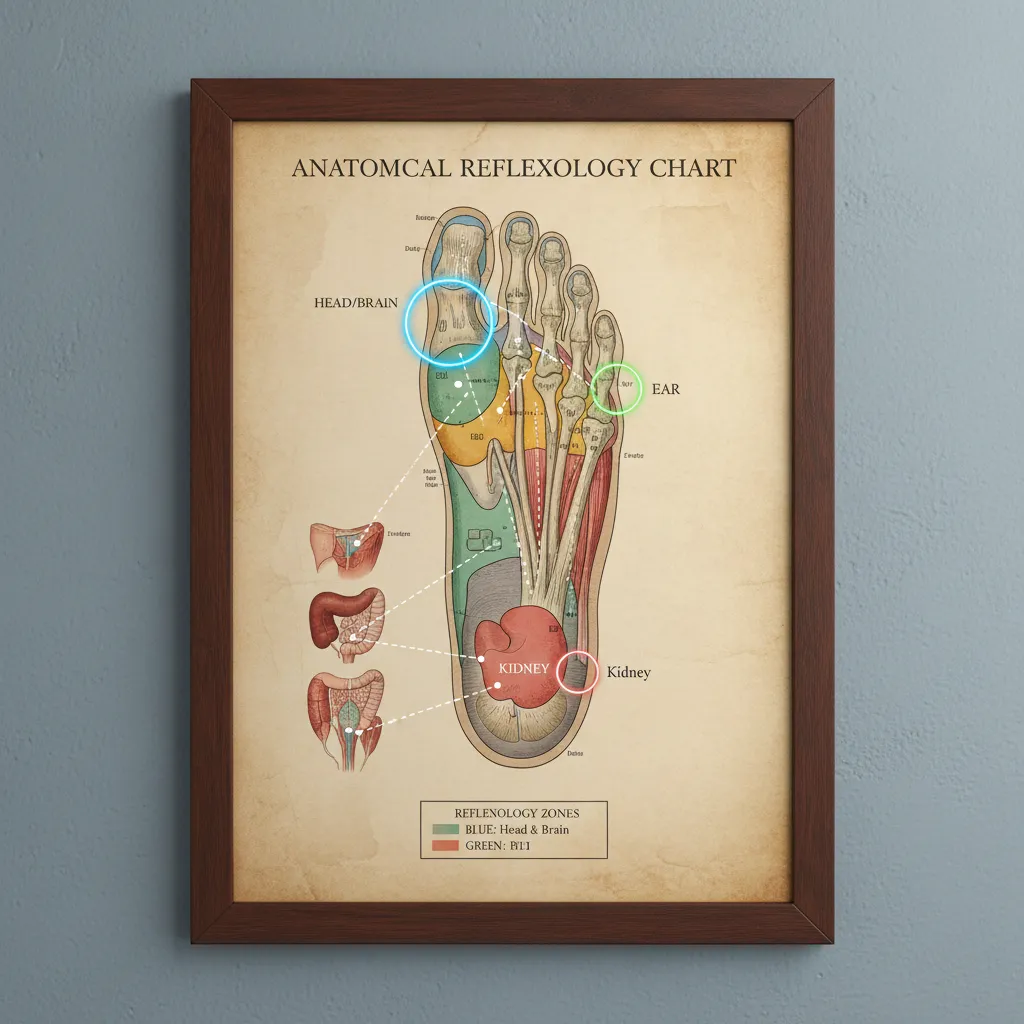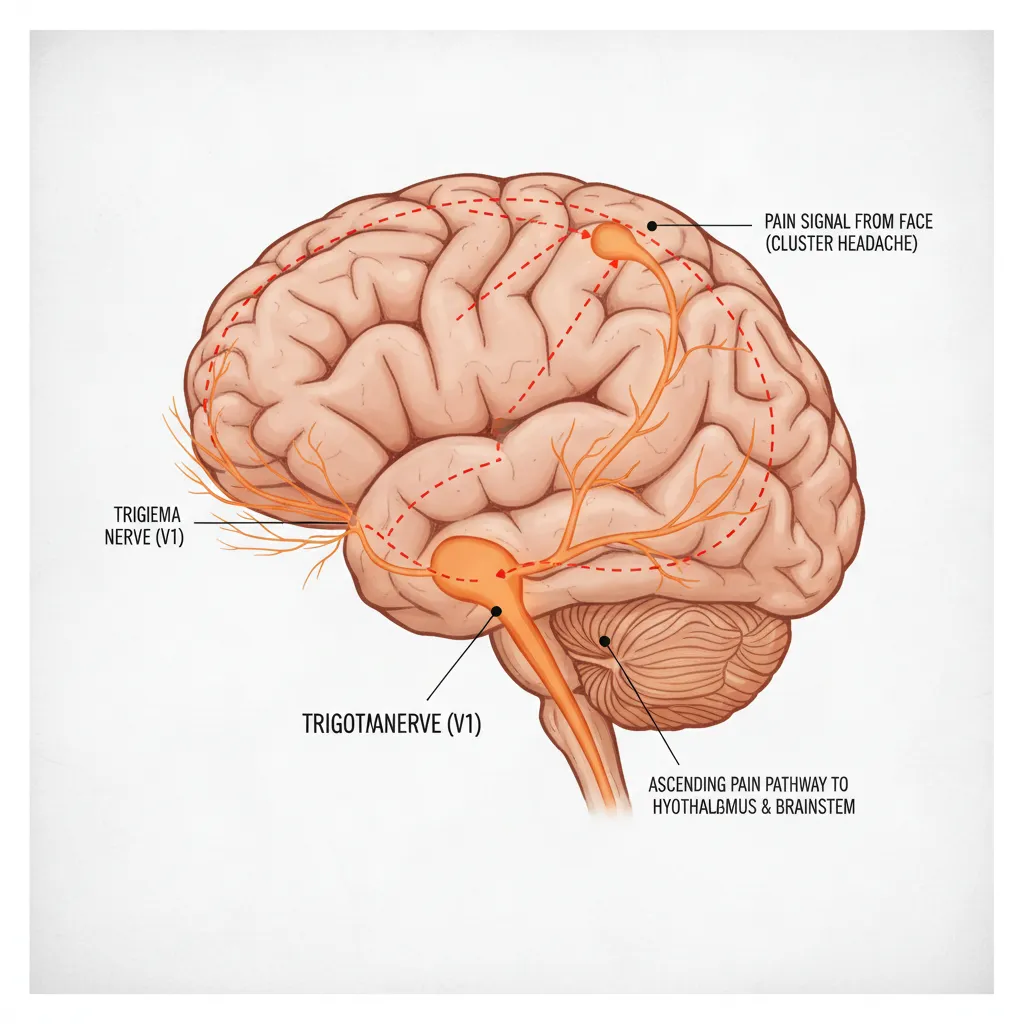

Reflexology for hormonal headaches involves stimulating specific pressure points on the feet and hands that correspond to the endocrine system. By targeting the pituitary gland, ovaries, and liver reflexes, this holistic therapy aims to regulate hormone fluctuations, improve systemic circulation, and alleviate the neurological tension associated with menstrual migraines.
Understanding the Physiology of Hormonal Headaches
Hormonal headaches, often referred to as menstrual migraines, are a debilitating reality for millions of women worldwide. Unlike tension headaches caused by stress or muscular tightness, hormonal headaches are triggered by the dramatic fluctuation of estrogen and progesterone levels. These chemical shifts typically occur just before the onset of menstruation, during ovulation, or in the days leading up to menopause.
When estrogen levels drop precipitously, it affects the production of serotonin and endorphins in the brain—neurotransmitters that regulate pain perception. This biochemical crash results in vasodilation (the widening of blood vessels) and inflammation, leading to the throbbing, intense pain characteristic of hormonal migraines. While pharmaceutical interventions are common, they often address the symptom rather than the root cause. This is where holistic modalities, specifically reflexology for hormonal headaches, offer a compelling alternative by seeking to restore homeostasis within the endocrine system.
How Reflexology Addresses Endocrine Imbalances
Reflexology is far more than a simple foot massage. It is a precise therapeutic practice based on the principle that specific areas on the feet, hands, and ears (known as reflex zones) correspond to different organs and systems within the body. By applying targeted pressure to these zones, a reflexologist aims to clear blockages in the flow of energy (Qi) and stimulate the body’s self-healing mechanisms.

Tracking Headaches with the Menstrual Cycle
To effectively utilize reflexology for hormonal headaches, one must first understand the timing of the pain. The efficacy of the treatment increases significantly when it is applied preventatively, rather than solely as a reactive measure to acute pain.
The Estrogen Withdrawal Phase
The most common window for hormonal headaches is the late luteal phase, roughly two to three days before menstruation begins. During this time, estrogen and progesterone levels plummet to allow the uterine lining to shed. If you consistently track your cycle and notice headaches occurring during this window, you can begin your reflexology routine 3–5 days prior to your expected period to mitigate the severity of the drop.
The Ovulation Spike
Some individuals experience headaches during ovulation (mid-cycle) due to the rapid surge in estrogen followed by a drop. Tracking your basal body temperature or using ovulation strips can help identify this window. Reflexology applied during the follicular phase can help prepare the body for this transition.
According to the National Institute of Neurological Disorders and Stroke, understanding these cyclical patterns is crucial for managing chronic migraine conditions effectively. By pairing cycle tracking with targeted reflexology, you move from passive suffering to active management.
Balancing the Pituitary and Ovary Reflexes
The core of treating hormonal headaches lies in balancing the endocrine system. There are two primary reflex points that must be stimulated to achieve this: the pituitary reflex and the ovarian reflex.
The Pituitary Point (The Master Switch)
The pituitary reflex is located in the center of the fleshy pad of the big toe (hallux). In reflexology theory, the big toe represents the head and brain. Stimulating this point is believed to send a signal to the pituitary gland to regulate the release of follicle-stimulating hormone (FSH) and luteinizing hormone (LH).
Technique: Support the big toe with one hand. With the thumb of your working hand, locate the center of the toe print. Press firmly and rotate your thumb in a clockwise direction for 30–60 seconds. You may feel a sensation of “grains of sand” or crystals under the skin; this indicates congestion in the reflex point. Continue working gently until the area feels softer.
The Ovarian/Uterine Reflexes
The reproductive reflexes are located on the sides of the heels. The ovarian reflex is found on the outside of the foot, midway between the ankle bone and the heel. The uterine reflex is in the same location but on the inside of the foot.
Technique: Use your index finger or thumb to apply pressure in a diagonal line across the heel area. A “caterpillar walk” technique—inching your thumb forward while maintaining pressure—is highly effective here. Stimulating these areas helps reduce pelvic congestion and signals the ovaries to balance hormone output.
The Liver Detox Connection in Reflexology
In Traditional Chinese Medicine (TCM), the liver plays a critical role in the smooth flow of Qi and blood throughout the body. Furthermore, from a physiological perspective, the liver is responsible for metabolizing excess hormones, including estrogen. If the liver is sluggish or overburdened, it cannot effectively filter old hormones from the bloodstream, leading to a condition known as “estrogen dominance,” a primary trigger for hormonal headaches.
Therefore, reflexology for hormonal headaches must include the liver reflex to support detoxification.
Locating the Liver Point
The liver reflex is located primarily on the right foot only. It is a large area found on the sole of the foot, just below the ball of the foot (metatarsal heads) on the outer edge, extending toward the center.
Technique for Liver Stimulation
To work the liver reflex, hold the right foot firmly. Use your thumb to press deeply into the area below the ball of the foot. Work in small, overlapping circles or use a sweeping motion from the inside of the foot toward the outer edge. This action is thought to encourage the liver to release toxins and process excess estrogen more efficiently.
A Step-by-Step Reflexology Routine for Relief
For maximum benefit, perform this routine daily for the 5 days leading up to your menstruation. Ensure you are in a quiet environment and have hydrated well before starting.
- Warm-Up (Solar Plexus): Begin by pressing your thumb into the center of the solar plexus point (the hollow just below the ball of the foot in the center) on both feet. Take deep breaths. This calms the nervous system.
- Head and Brain Clearing: Massage the tips of all toes to stimulate the brain reflexes and alleviate head tension.
- Pituitary Stimulation: Spend 60 seconds on the center of each big toe to activate the master gland.
- Thyroid Balance: Work the area at the base of the big toe and along the ball of the foot to support metabolism and energy.
- Liver Detox (Right Foot Only): Spend 2–3 minutes thoroughly working the liver area to aid in hormone metabolism.
- Reproductive Support: Massage the inner and outer ankle areas on both feet to support the uterus and ovaries.
- Kidney Flush: Finish by tracing the line from the center of the foot (kidney point) down to the inner heel (bladder) to encourage the elimination of toxins.
Holistic Prevention Strategies
While reflexology is a powerful tool, it works best when integrated into a broader lifestyle strategy. To prevent hormonal headaches from returning, consider these complementary approaches.
Magnesium Supplementation
Magnesium is often called the “relaxation mineral.” Studies suggest that magnesium levels drop prior to menstruation, which can trigger migraines. Supplementing with magnesium glycinate or applying topical magnesium oil to the feet after your reflexology session can enhance the effects.
Hydration and Electrolytes
Hormonal shifts affect fluid retention and hydration levels. Dehydration is a major headache trigger. Ensure you are drinking at least 2.5 liters of water daily, especially during the luteal phase.
Reducing Xenoestrogens
To support your liver and reflexology efforts, minimize exposure to xenoestrogens—synthetic chemicals that mimic estrogen. These are found in certain plastics, parabens in cosmetics, and pesticides. Reducing this toxic load makes the liver’s job easier, rendering your reflexology sessions more effective.
For further reading on non-invasive pain management techniques, the National Center for Complementary and Integrative Health provides excellent resources on the efficacy of reflexology and other body-based therapies.
Frequently Asked Questions
Does reflexology really work for menstrual migraines?
Yes, many women find relief through reflexology. By reducing stress, improving circulation, and balancing the endocrine system, reflexology can decrease the frequency and intensity of menstrual migraines, although individual results vary.
Where do I press for hormonal headaches?
The key points to press are the pituitary point (center of the big toe), the ovarian points (sides of the heels), and the liver point (right foot, below the ball of the foot). Working these areas helps regulate hormones and detoxify the body.
How often should I do reflexology for hormonal balance?
For maintenance, 1-2 times a week is beneficial. However, in the week leading up to your period, daily sessions of 10-15 minutes are recommended to prevent the onset of hormonal headaches.
Can reflexology make a headache worse?
Occasionally, a “healing crisis” can occur where symptoms briefly intensify as the body releases toxins. This is usually mild and temporary. Drinking plenty of water after a session helps flush these toxins and prevents grogginess.
Is reflexology safe during pregnancy?
Reflexology is generally safe, but specific precautions are necessary during pregnancy, especially regarding the reproductive points on the ankles. It is crucial to consult with a certified prenatal reflexologist before attempting self-treatment while pregnant.
What is the liver point for headaches?
The liver point is located on the sole of the right foot, just below the the pads of the toes on the outer mid-section. Stimulating this point aids the liver in metabolizing excess estrogen, which is a common cause of hormonal headaches.