Lower back pain reflexology points are specific zones located primarily along the medial aspect (inner edge) of the foot which correspond directly to the lumbar vertebrae and surrounding musculature. Stimulating these areas through precise thumb-walking and pressure techniques is believed to reduce inflammation, interrupt pain signals, and promote relaxation in the lower back.
Chronic lower back pain affects millions of adults worldwide, often driving sufferers to seek relief beyond the medicine cabinet. While conventional treatments focus on the site of the pain, holistic modalities like reflexology look to the foundations of the body—the feet—to effect change. By understanding the intricate map of the foot, you can access remote control switches for your lumbar spine, offering a non-invasive path to pain management.
The Anatomy of Reflexology and Back Pain
Reflexology is more than a simple foot massage; it is a systematic practice based on the theory that the feet are microcosms of the entire body. Practitioners believe that specific points, known as reflex zones, connect to organs, glands, and skeletal structures via energy pathways and the nervous system. When it comes to the spine, the foot provides a remarkably literal map.
How the Foot Mirrors the Body
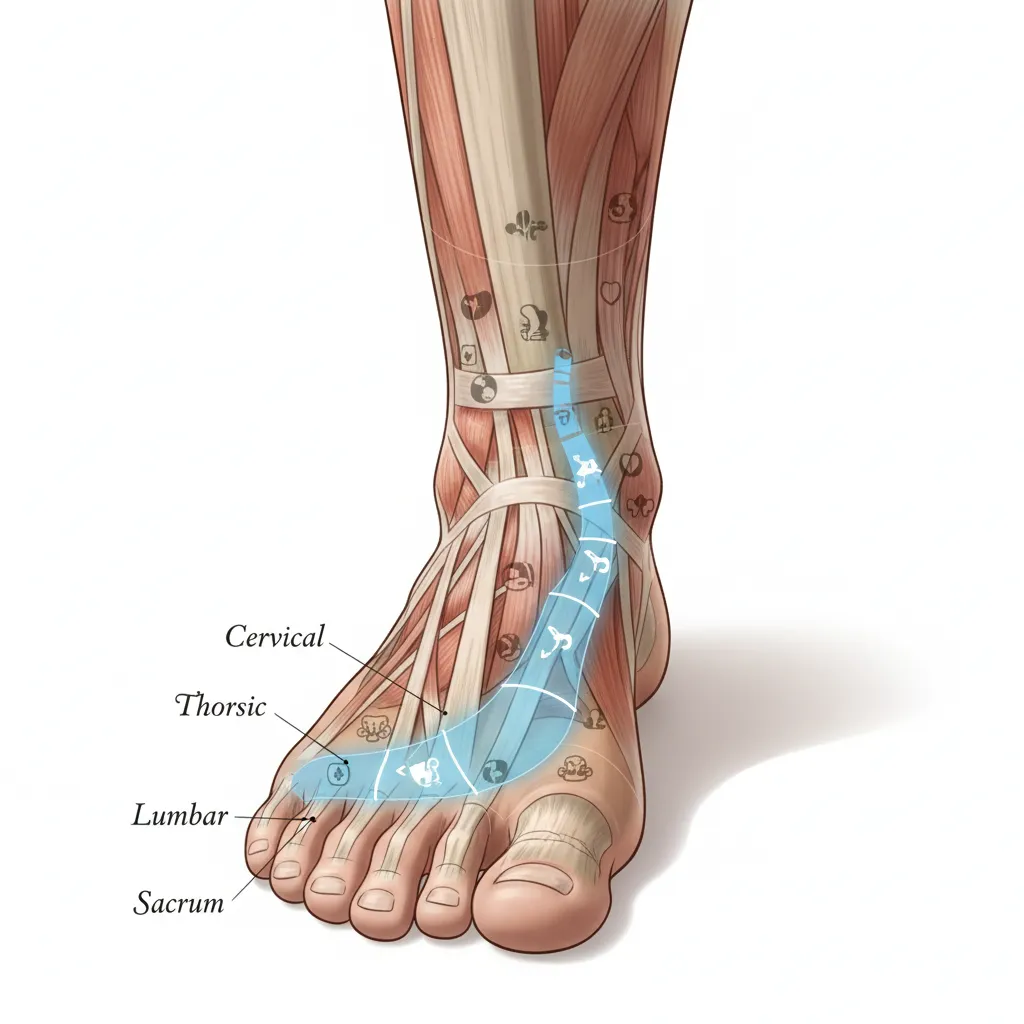
The structural layout of the foot parallels the human body. The toes represent the head and neck, the ball of the foot corresponds to the chest and lungs, the arch houses the internal organs, and the heel relates to the pelvic region and sciatic nerve. Most importantly for back pain sufferers, the inner edge of the foot—running from the base of the big toe to the heel—represents the spine.
In this mapping system, the curvature of your inner foot arch correlates directly with the curvature of your spine. The upper part of the arch reflects the thoracic spine (upper back), while the lower section of the arch, closer to the heel, corresponds to the lumbar spine (lower back). This physiological mirroring allows for targeted therapy where manipulating the foot can influence the tension levels in the back.
The Nervous System Connection
From a physiological standpoint, the feet are densely packed with nerve endings—over 7,000 in each foot. These nerve endings communicate with the central nervous system. By applying pressure to these specific endings, you stimulate the parasympathetic nervous system, which moves the body out of the “fight or flight” stress response and into a state of “rest and digest.”
This shift is crucial for back pain. Stress and anxiety often manifest as physical tension in the lumbar region. By calming the nervous system through foot work, the body naturally releases the muscular guarding that exacerbates back issues. According to the National Center for Complementary and Integrative Health, reflexology may help with relaxation and symptom management, serving as a valuable adjunct to standard medical care.
Locating Lower Back Pain Reflexology Points
To effectively target lower back pain, you must identify the precise locations on the foot that correspond to the lumbar region and the sciatic nerve. Precision is key; applying pressure to the wrong area may feel good, but it will not address the specific source of your back pain.
The Spinal Reflex Zone (Inner Arch)
- Sit comfortably and cross one leg over the other so the foot is accessible.
- Trace the bone along the inside edge of your foot.
- Cervical Spine (Neck): Located at the base of the big toe.
- Thoracic Spine (Upper Back): Located along the ball of the foot joint.
- Lumbar Spine (Lower Back): This is your target area. It is located along the medial cuneiform and navicular bones—essentially the highest point of your arch down toward the beginning of the heel.
- Sacrum and Coccyx (Tailbone): Located at the very base of the heel on the inner side.
When you have lower back pain, the lumbar section of this line often feels “crunchy” or sensitive to the touch. These granular deposits are often interpreted in reflexology as uric acid crystals or energy blockages indicating stress in the corresponding body part.
The Sciatic Nerve Reflex (Heel Area)
Sciatica is a common companion to lower back pain, characterized by shooting pain radiating down the leg. The reflex point for the sciatic nerve is not on the spine line but runs across the heel.
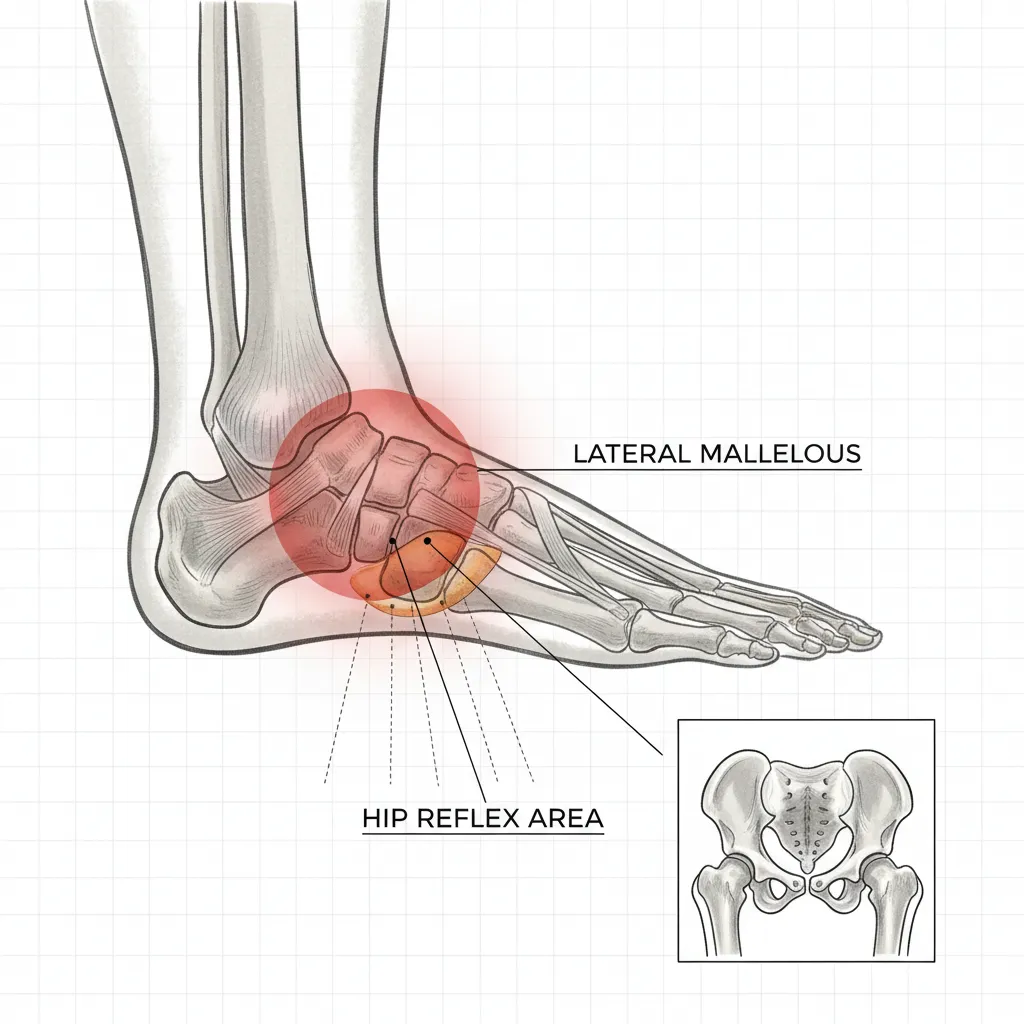
Imagine a stirrup running under your heel from the inner ankle bone to the outer ankle bone. This band represents the sciatic nerve. Working this area is critical for those whose back pain involves nerve compression or radiating symptoms.
Hip and Pelvic Reflexes (Ankle Area)
The lower back does not function in isolation; it is supported by the hips and pelvis. The reflex points for these structures are located around the ankles. Specifically, the area just below the inner and outer ankle bones corresponds to the hip joints. Massaging these hollows can help release tension in the glutes and hips, which often pull on the lower back and cause misalignment.
Addressing Muscular Strain vs. Structural Issues
Not all back pain is created equal. Understanding whether your pain is muscular or structural can help you adjust your reflexology approach.
Targeting Muscular Strain
Muscular strain usually results from overuse, improper lifting, or poor posture. In reflexology, this often manifests as a general tenderness over the entire arch area rather than a sharp, localized pain point.
To address muscular strain, the approach should be broader. You should work the entire spinal reflex zone gently but rhythmically to encourage blood flow. Additionally, working the reflex points for the adrenal glands (located just above the center of the foot, near the solar plexus point) can be beneficial. The adrenals produce cortisol, the body’s natural anti-inflammatory hormone. Stimulating this point can help the body manage the inflammation associated with strained muscles.
Addressing Structural Alignment
Structural issues involve the vertebrae, discs, and alignment of the spine. In the foot, this often presents as distinct, sharp points of tension or “crystals” along the bone of the inner arch.
For structural issues, the technique shifts to “thumb-walking” (described below) with more precision. The goal is to break down the deposits along the spinal line. You may also need to focus heavily on the tailbone reflex area (inner heel) to help ground the spine and release compression in the sacral region.
Self-Massage Techniques for Immediate Relief
You do not always need a professional therapist to experience relief. Self-reflexology is highly effective if done consistently. Below are the specific techniques to target lower back pain reflexology points.
Preparation and Warm-up
Before diving into deep pressure work, prepare the foot. Cold, stiff feet are less responsive to reflexology.
- Soak: Soak your feet in warm water with Epsom salts for 10 minutes. This relaxes the fascia.
- General Massage: Use a small amount of oil or lotion. Rub the entire foot vigorously to stimulate circulation. Rotate the ankles and wiggle the toes to loosen the joints.
The Thumb-Walking Technique
This is the cornerstone of reflexology. It differs from a standard rub because it provides consistent, creeping pressure.
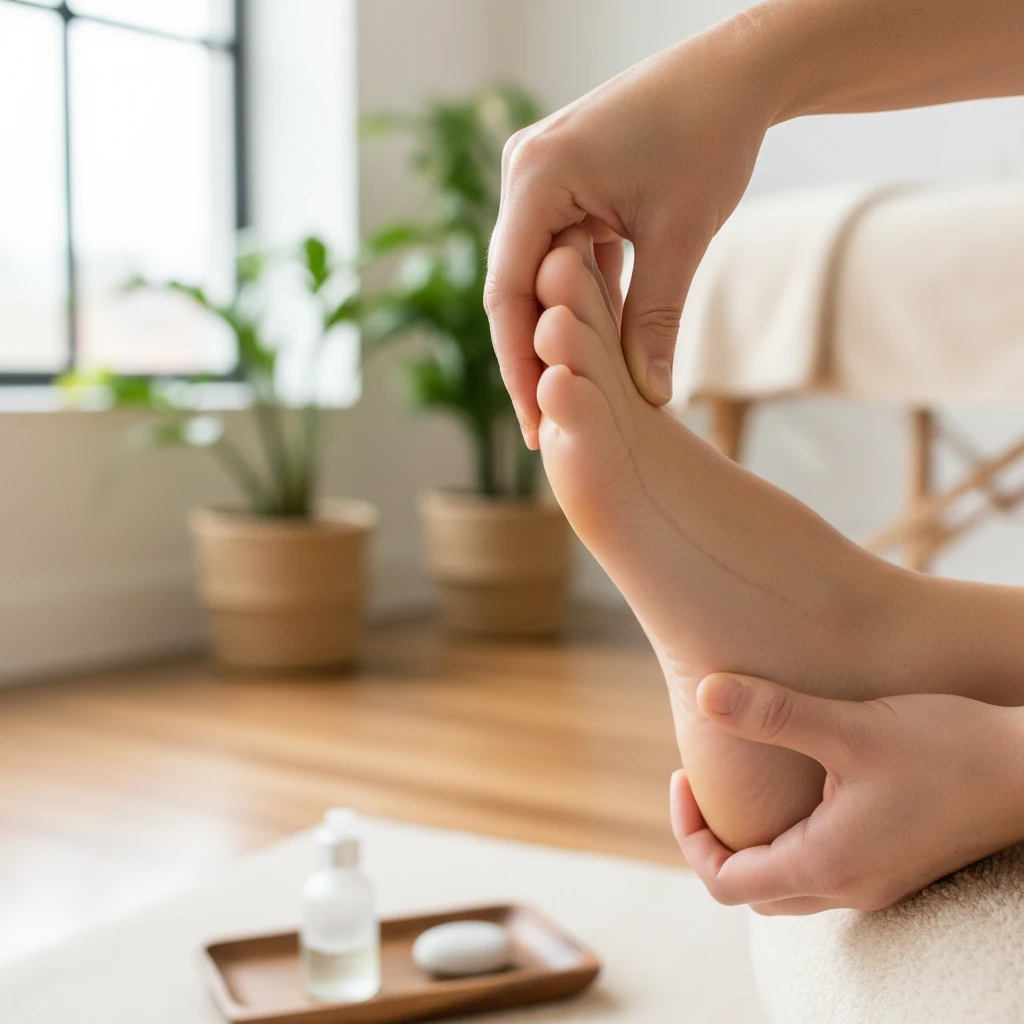
- Position: Support the foot with one hand. Place the thumb of your working hand on the inner edge of the heel (the sacrum point).
- The Motion: Bend and unbend your thumb joint, inching your way forward like a caterpillar. Do not slide the thumb over the skin; press in, release slightly, move forward, and press again.
- The Path: Walk your thumb up along the inner arch, tracing the curvature of the bone. When you reach the toe, lift your thumb and return to the heel.
- Repetition: Repeat this upward path 5 to 10 times. If you find a tender spot (a “hot spot”), stop and apply gentle, rotating pressure for 10 seconds, then continue.
Rotational Massage for the Ankles
To release the hips and lower back:
- Place your index and middle fingers just below the outer ankle bone and your thumb just below the inner ankle bone.
- Apply firm pressure and move your fingers in a circular motion.
- This area can be very tender for those with tight hips. Work this area for 1–2 minutes on each foot.
Enhancing Relief with Complementary Therapies
Reflexology is most effective when part of a broader holistic strategy. To maximize the benefits of stimulating your lower back pain reflexology points, consider integrating these practices immediately after your session.
Hydration is Non-Negotiable: Reflexology is believed to release toxins and metabolic waste from the tissues. Drinking a large glass of water after a session helps flush these byproducts from your system. Failure to hydrate can sometimes lead to a mild headache or sluggishness post-massage.
Epsom Salt Baths: As mentioned in the warm-up, magnesium-rich Epsom salts can help relax muscles. A post-reflexology bath reinforces the relaxation signals sent to the nervous system.
Gentle Stretching: While reflexology relaxes the muscles, gentle yoga poses like Child’s Pose or Cat-Cow can help realign the physical structure of the back while the muscles are in a receptive state.
When to See a Professional
While self-massage is a powerful tool for maintenance and minor strains, it is not a cure-all. Reflexology should be used as a complementary therapy, not a replacement for medical intervention in severe cases.
If you experience any of the following, consult a healthcare provider or a certified reflexologist immediately:
- Numbness or Weakness: Loss of sensation in the legs or foot drop indicates significant nerve compression that requires medical evaluation.
- Unrelenting Pain: Pain that does not improve with rest or wakes you up at night.
- Trauma: If your back pain is the result of a fall or accident.
For chronic conditions, seeing a certified reflexologist is recommended. A professional can detect subtle imbalances you might miss and can apply the correct amount of pressure without causing damage. Organizations like the Mayo Clinic acknowledge that while scientific evidence is still evolving, many patients report significant reduction in pain and anxiety through these integrative therapies.
Frequently Asked Questions
Where are the reflexology points for lower back pain?
The primary reflexology points for lower back pain are located along the inner arch of the foot, specifically the area connecting the heel to the middle of the foot. This zone corresponds to the lumbar spine.
Can foot massage really help back pain?
Yes, foot massage can help back pain by stimulating nerve endings that relax the nervous system, reducing overall muscle tension, and releasing natural painkillers like endorphins.
How often should I do reflexology for back pain?
For acute pain, short daily sessions of 10-15 minutes are recommended. For chronic maintenance, 2-3 times a week is generally sufficient to maintain relief.
What is the sciatic nerve point on the foot?
The sciatic nerve reflex point runs across the heel of the foot, resembling a stirrup strap extending from the inner ankle bone to the outer ankle bone.
Does reflexology hurt if you have back pain?
Reflexology points corresponding to injured or inflamed areas may feel tender or “crunchy” when pressed. The pressure should be “good pain”—firm but tolerable, not excruciating.
Can I do reflexology on myself?
Yes, self-reflexology is very effective. Using techniques like thumb-walking on the inner arch of your foot can provide significant relief from lower back tension.