Reflexology for Different Ages: An Introduction
Reflexology for different ages involves adapting this ancient healing practice to suit the unique physiological and developmental needs of individuals across their entire lifespan. From the delicate systems of newborns to the complex requirements of seniors, specialized reflexology techniques offer tailored support for well-being, promoting balance and natural healing at every stage.
The journey of life is marked by distinct phases, each presenting its own set of physical, emotional, and mental challenges and opportunities. While the core principles of reflexology – applying pressure to specific points on the feet, hands, or ears to promote healing in corresponding body parts – remain constant, the application must evolve. A world-class reflexologist understands that what benefits a newborn with colic is vastly different from what an athlete needs for recovery or a senior requires for pain management. This specialization ensures not only efficacy but also safety and comfort, making reflexology a truly adaptable and powerful complementary therapy. In Auckland, a growing number of practitioners are recognizing and catering to these diverse needs, ensuring that comprehensive, age-appropriate care is accessible.
Gentle Reflexology for Infants and Children
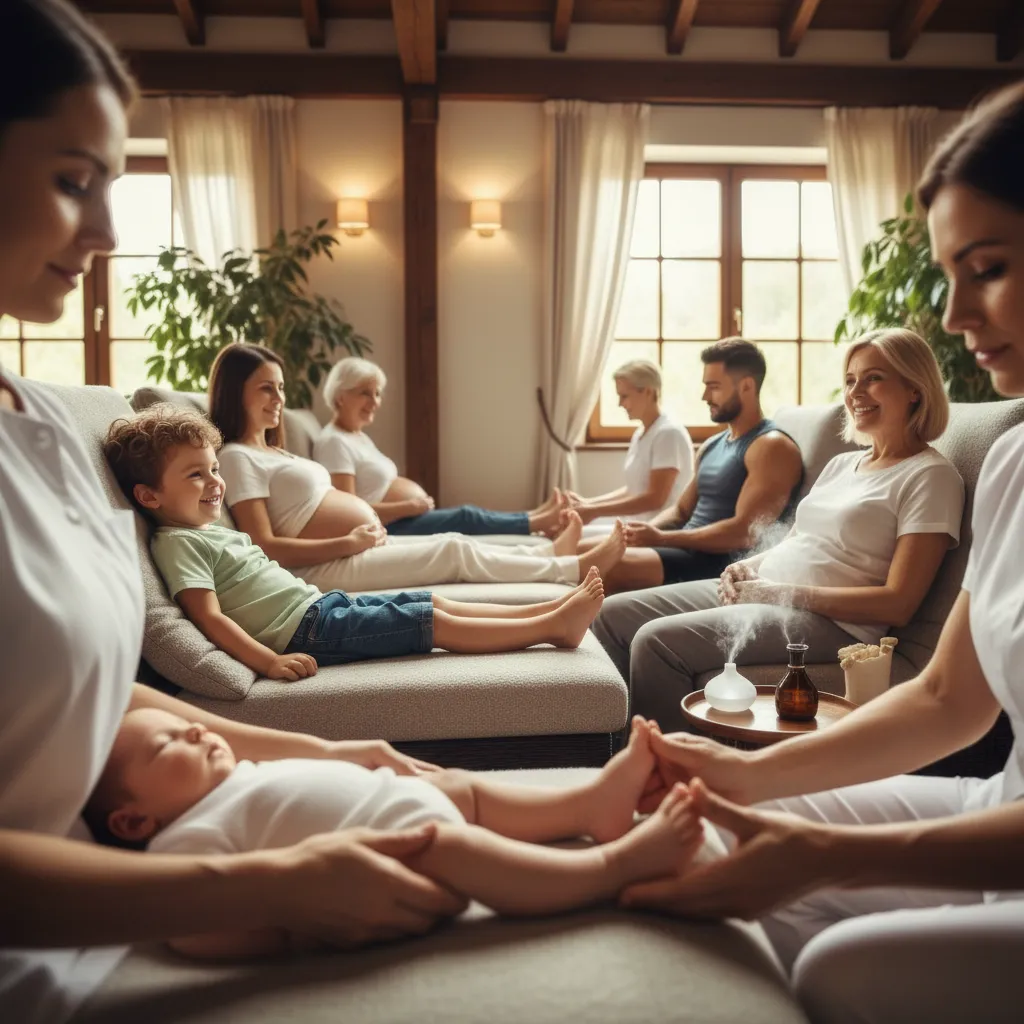
Infants and children are incredibly responsive to reflexology, often requiring lighter pressure and shorter session durations due to their developing nervous systems. The focus shifts from deep tissue manipulation to gentle, soothing techniques aimed at promoting comfort, better sleep, and digestive health. This gentle approach helps to calm young ones, strengthen their immune systems, and support their natural growth.
Benefits for Babies: Colic, Sleep, Bonding
For newborns and infants, reflexology can be a profound tool for easing common discomforts. Issues like colic, reflux, constipation, and sleeplessness can be distressing for both baby and parents. Targeted, gentle pressure on specific foot reflexes can help to soothe digestive upsets, encourage relaxation, and improve sleep patterns. Beyond physical relief, these sessions offer a wonderful opportunity for bonding, as parents can learn simple techniques to use at home, fostering a deeper connection through touch. This non-invasive approach provides a natural alternative to support an infant’s early development without relying on medication.
Reflexology for Toddlers and School-Aged Children
As children grow into toddlers and school-aged individuals, their needs evolve. Reflexology can assist with a range of concerns, from boosting immunity during cold and flu season to managing anxiety related to school or social pressures. It can help improve concentration, alleviate growing pains, and even support children dealing with hyperactivity or emotional regulation challenges. The sessions are often more playful, incorporating storytelling or interactive elements to keep children engaged. By addressing imbalances early, reflexology helps lay a foundation for lifelong wellness and resilience.
Prenatal and Postnatal Reflexology Benefits
Pregnancy is a transformative period that brings significant physiological and emotional changes. Reflexology during this time is specifically adapted to support both the mother’s well-being and the healthy development of the baby. Similarly, the postnatal period presents its own set of challenges, and reflexology offers invaluable support for recovery and adjustment.
Reflexology During Pregnancy
Prenatal reflexology is a gentle, nurturing therapy that can alleviate many common pregnancy discomforts. Expectant mothers often experience nausea, morning sickness, fatigue, back pain, sciatica, swollen ankles, and anxiety. Specialized techniques can help to reduce these symptoms, improve circulation, balance hormones, and promote relaxation. Sessions are typically adapted to ensure the utmost safety and comfort, with positioning adjusted as pregnancy progresses. Many women find that regular prenatal reflexology helps them manage stress, sleep better, and prepare their bodies for labor, fostering a sense of calm and well-being throughout their pregnancy journey. It’s a wonderful way to connect with the body and baby.
Postnatal Support with Reflexology
The postnatal period is crucial for recovery, often fraught with exhaustion, hormonal shifts, and the demands of caring for a newborn. Postnatal reflexology provides essential support by aiding in physical healing, promoting lactation, balancing mood, and boosting energy levels. It can assist with uterine recovery, ease perineal discomfort, and help mitigate symptoms of postnatal depression and anxiety. For new mothers, these sessions offer a much-needed respite, allowing them to relax, recharge, and regain a sense of balance. The focus is on holistic recovery, helping the body and mind adjust to new motherhood while nurturing the mother’s own well-being.
Reflexology for Athletes and Active Individuals
For athletes and those with active lifestyles, reflexology transcends mere relaxation, becoming a vital component of performance enhancement, injury prevention, and accelerated recovery. The demands placed on the body during intense physical activity require specialized care to maintain peak condition and resilience.
Enhancing Performance and Recovery
Athletic performance is often limited by muscle fatigue, delayed recovery, and chronic tension. Reflexology can significantly impact these areas by improving circulation, reducing lactic acid buildup, and promoting deeper relaxation for muscle repair. By stimulating nerve pathways, it helps to release tension in specific muscle groups, enhance flexibility, and alleviate soreness. Pre-event reflexology can help athletes feel grounded, focused, and mentally prepared, while post-event sessions accelerate the removal of toxins and reduce inflammation, leading to quicker recuperation and readiness for the next challenge. This targeted approach supports the body’s natural healing mechanisms, helping athletes push their limits safely and effectively.
Targeted Reflex Points for Athletes
Specialized reflexology for athletes often involves focusing on specific reflex points corresponding to muscles, joints, and organs under stress during particular sports. For runners, attention might be given to knee, ankle, and hip reflexes. Swimmers might benefit from work on shoulder and lung reflexes. This precise application helps address existing strains and prevent future injuries by ensuring optimal energy flow and reducing imbalances in the musculoskeletal system. Furthermore, reflexology can aid in stress reduction, which is crucial for mental fortitude and maintaining focus during competition, ultimately contributing to a more holistic and robust athletic experience. For more insights into how complementary therapies can aid athletes, consider resources from reputable sports medicine organizations.
Supportive Care for Seniors and Elderly
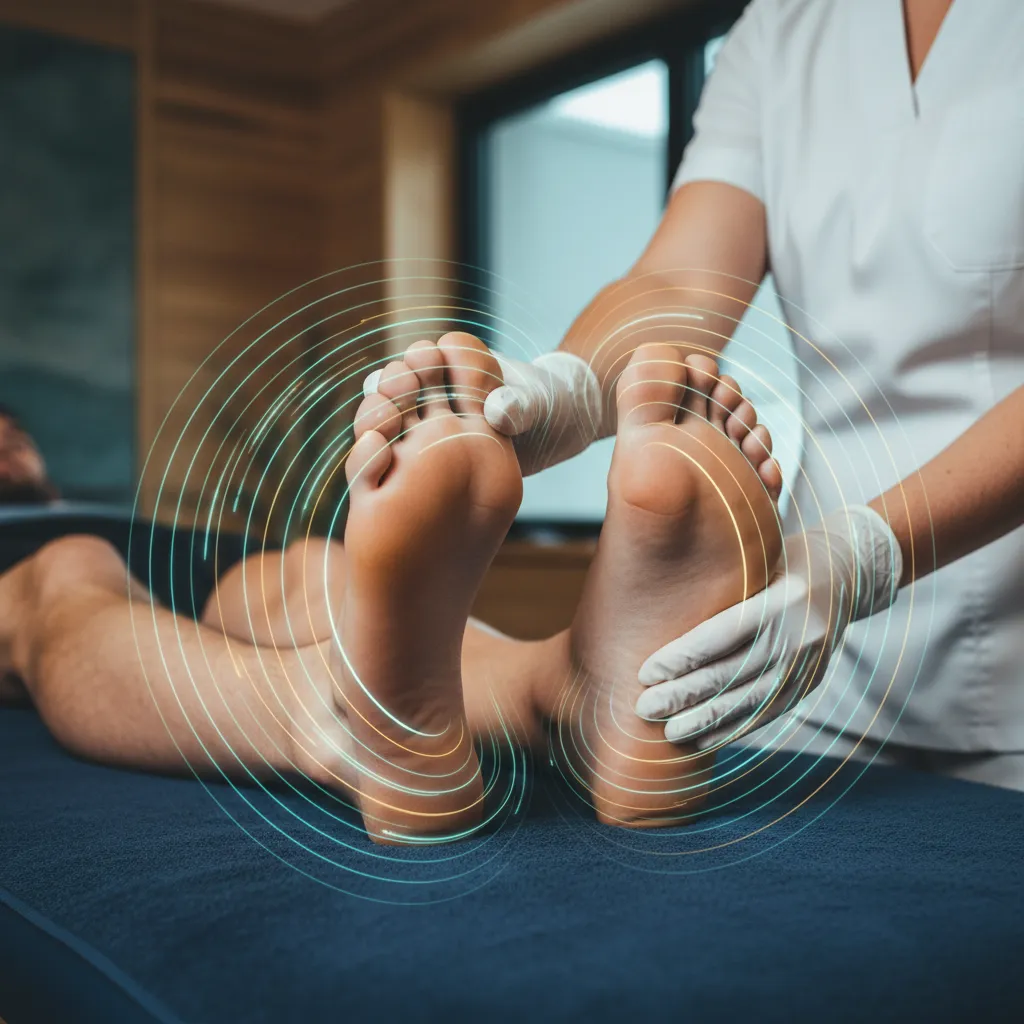
As individuals age, their bodies undergo natural changes that can lead to various health concerns, from reduced mobility to chronic pain. Reflexology offers a gentle yet powerful form of supportive care, enhancing the quality of life for seniors and the elderly by addressing these age-related challenges with compassion and expertise.
Addressing Age-Related Concerns
Seniors often contend with issues such as poor circulation, arthritis, neuropathy, decreased mobility, digestive problems, and sleep disturbances. Specialized reflexology techniques are adapted to be extremely gentle, respecting the fragility that can accompany aging. By stimulating reflex points associated with circulation, joints, and digestive organs, reflexology can help improve blood flow, reduce stiffness, alleviate pain, and enhance overall organ function. For those with conditions like diabetes, careful attention to nerve reflexes can be particularly beneficial. The therapy also offers a safe space for relaxation, reducing the stress and anxiety that can often accompany health challenges in later life. Many find it a comforting and non-pharmacological way to manage chronic conditions.
Enhancing Quality of Life and Well-being
Beyond addressing specific physical ailments, reflexology significantly contributes to the overall well-being and quality of life for seniors. It can improve energy levels, boost mood, and combat feelings of isolation or depression through the power of compassionate touch. Better sleep, reduced pain, and increased comfort translate directly into greater independence and enjoyment of daily activities. Regular sessions can become a cherished part of a senior’s routine, providing not only physical relief but also mental clarity and emotional upliftment. The gentle nature of the treatment makes it suitable even for those with delicate health conditions, affirming the body’s innate ability to heal and find balance at any age. Information on healthy aging and complementary therapies can be found on government health websites like the World Health Organization.
The Science and Safety of Age-Specific Reflexology
While often categorized as a complementary therapy, the efficacy of reflexology across different age groups is supported by physiological principles. The theory posits that specific pressure points on the feet, hands, and ears correspond to organs, glands, and systems throughout the body. By stimulating these reflexes, nerve pathways are activated, promoting circulation, reducing tension, and encouraging the body’s natural healing processes. For infants, the underdeveloped nervous system requires minimal, feather-light touch, which can still elicit powerful calming responses. In seniors, the focus is often on improving blood flow and nerve function, which can be compromised with age, using techniques that respect delicate skin and bones.
Safety is paramount, especially when working with vulnerable populations like infants, pregnant women, and the elderly. A skilled reflexologist understands the contraindications and necessary adaptations for each life stage. For instance, specific points might be avoided or treated with extreme caution during pregnancy, or pressure adjusted for individuals with osteoporosis or certain medical conditions. This tailored approach ensures that the therapy is not only effective but also completely safe and comfortable. The practitioner’s expertise in anatomical knowledge, understanding of developmental stages, and client communication are critical in delivering specialized care.
Choosing the Right Reflexologist for Your Life Stage in Auckland
When seeking specialized reflexology care in Auckland, it is crucial to select a qualified and experienced practitioner who understands the unique needs of different age groups. Look for reflexologists who have specific training or certifications in pediatric, maternity, or geriatric reflexology. A good practitioner will conduct a thorough consultation to understand your specific health history, current concerns, and desired outcomes, tailoring the treatment plan accordingly. They should be able to clearly explain their techniques and how they are adapted for your age or life stage, ensuring your comfort and safety. Don’t hesitate to ask about their experience with clients similar to yourself or your loved one. Many reputable reflexology clinics in Auckland pride themselves on offering specialized care, ensuring that every individual, from infant to senior, receives the most appropriate and beneficial treatment.
Conclusion: Embracing Reflexology Throughout Life
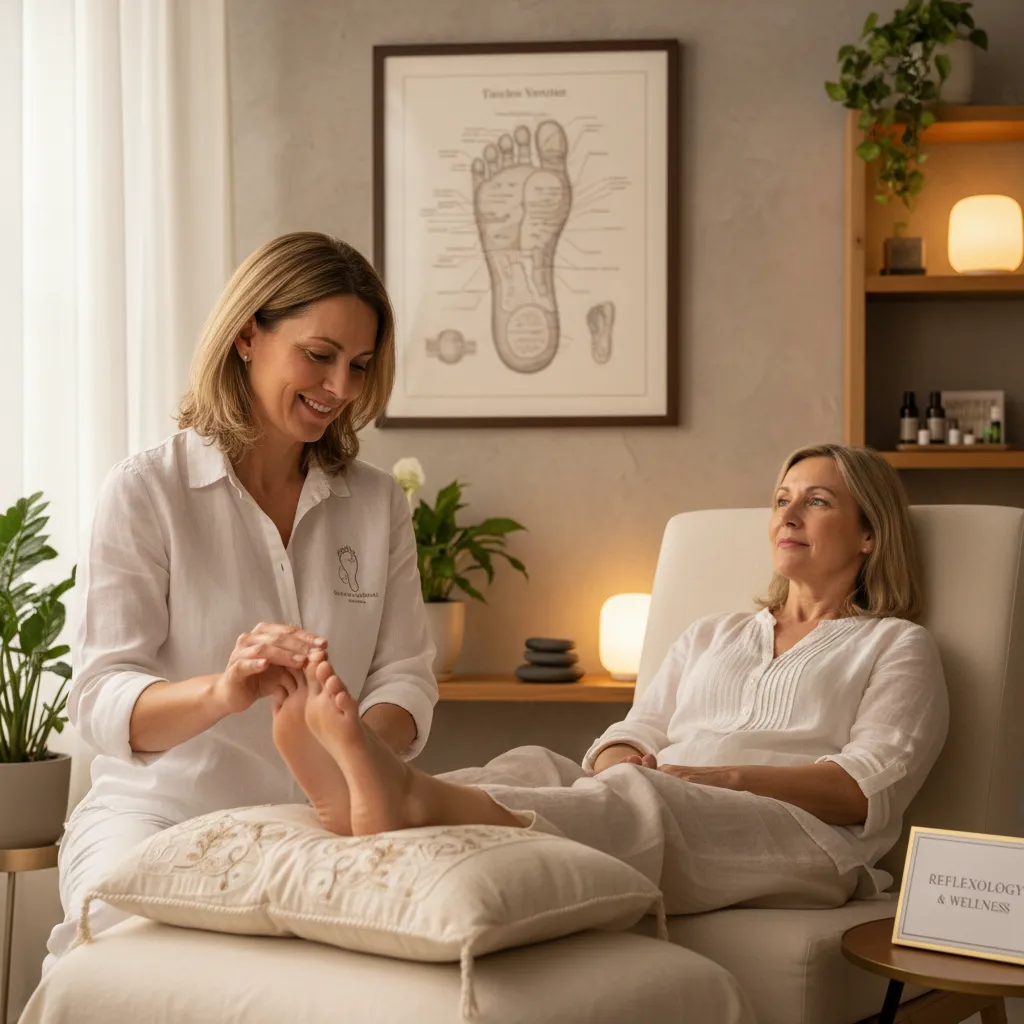
Reflexology stands as a versatile and profoundly beneficial complementary therapy, capable of adapting its powerful principles to serve every life stage. From the gentle, calming touches that soothe an infant’s colic to the restorative treatments that aid an athlete’s recovery, and from the supportive care during pregnancy to the comforting relief provided to seniors, its application is as diverse as life itself. Recognizing the specific needs of different age groups allows for a truly personalized and effective approach, maximizing the therapeutic potential of each session. By embracing specialized reflexology care, individuals in Auckland and beyond can harness the innate healing capabilities of their bodies, fostering balance, well-being, and vitality at every step of their life’s journey. It is a testament to the enduring wisdom of holistic health practices that can evolve to meet the ever-changing tapestry of human experience.
People Also Ask
Is reflexology safe for babies?
Yes, reflexology is generally considered safe for babies when performed by a trained practitioner using extremely gentle pressure. It can help alleviate common infant issues such as colic, reflux, constipation, and promote better sleep, always with parental consent and supervision.
How does reflexology help during pregnancy?
During pregnancy, specialized reflexology can help alleviate common discomforts like morning sickness, fatigue, back pain, swollen ankles, and anxiety. It promotes relaxation, improves circulation, and prepares the body for labor, always with adaptations to ensure the safety and comfort of both mother and baby.
Can reflexology improve athletic performance?
For athletes, reflexology can enhance performance and accelerate recovery by improving circulation, reducing muscle tension, decreasing lactic acid buildup, and promoting deep relaxation. Targeted treatments on specific reflex points help prevent injuries and support overall physical and mental resilience.
What are the benefits of reflexology for the elderly?
Reflexology for the elderly can significantly improve quality of life by addressing age-related concerns such as poor circulation, arthritis pain, neuropathy, and sleep disturbances. It promotes relaxation, boosts mood, and provides gentle comfort, contributing to overall well-being and reducing stress.
How often should children receive reflexology?
The frequency of reflexology for children depends on their individual needs and the specific concerns being addressed. For acute issues, more frequent short sessions might be beneficial, while for general well-being or chronic conditions, monthly or bi-monthly sessions may be appropriate. A qualified practitioner will recommend a suitable schedule.
Are there any contraindications for reflexology at different ages?
While generally safe, there are some contraindications or precautions. For instance, deep pressure might be avoided in specific areas during early pregnancy, or on areas with open wounds, infections, or severe osteoporosis. A reputable reflexologist will always conduct a thorough health consultation to identify any contraindications and adapt the treatment accordingly for each age group.