
Reflexology is a complementary health practice that involves applying pressure to specific points on the feet, hands, or ears, based on the theory that these points correspond to different organs and systems of the body. In Auckland, understanding the true nature of reflexology involves separating common myths from evidence-based facts to appreciate its actual therapeutic potential.
Understanding Reflexology: The Fundamentals
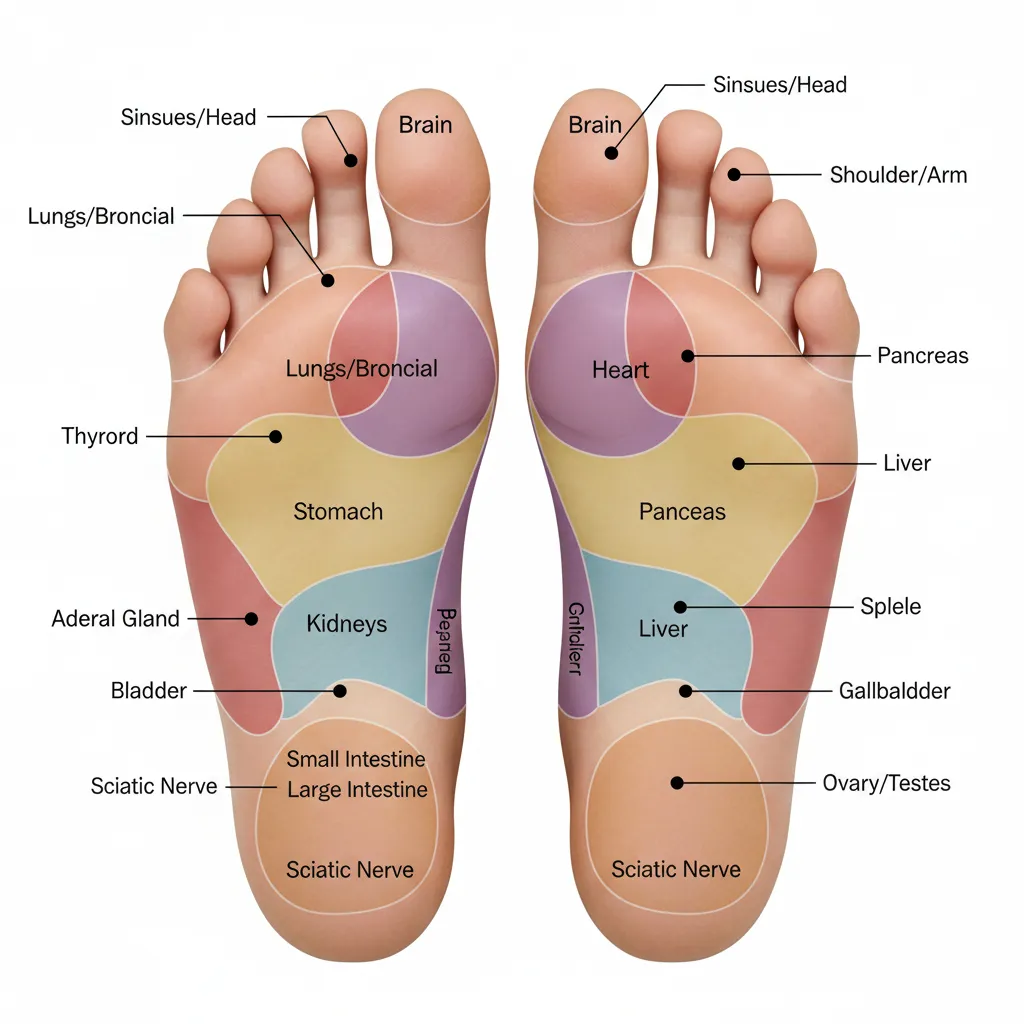
Reflexology, often mistakenly conflated with simple massage, is a distinct holistic therapy rooted in ancient practices. Its core principle posits that specific areas, or ‘reflex points,’ on the feet, hands, and ears are interconnected with various organs, glands, and body parts through energy pathways. When these reflex points are stimulated through specific pressure techniques, it is believed to promote natural healing processes, restore balance, and enhance overall well-being throughout the corresponding areas of the body. This intricate system is more than just relaxation; it’s a targeted approach to wellness.
What is Reflexology?
At its heart, reflexology is a non-invasive complementary health therapy. It operates on the premise that the body is divided into ten longitudinal zones, with each zone extending from the head to the toes. Within these zones, specific reflex points on the extremities act as miniature maps of the entire body. A qualified reflexologist uses their thumbs, fingers, and knuckles to apply precise pressure to these points. This therapeutic touch aims to stimulate the body’s intrinsic healing capabilities, addressing imbalances and promoting a state of profound relaxation. It’s not a diagnostic tool, nor does it claim to treat specific diseases in the same way conventional medicine does, but rather supports the body’s innate ability to heal itself.
How Does Reflexology Work?
While the exact physiological mechanisms are still subjects of ongoing scientific inquiry, several theories explain how reflexology is thought to exert its effects. One prevalent theory is the ‘nerve impulse theory,’ suggesting that pressure on reflex points stimulates nerve endings, sending signals through the nervous system to the brain, which then communicates with the corresponding organs or glands. Another theory is based on the concept of ‘energy flow’ or ‘qi’ (life force), common in traditional Chinese medicine, where blockages in these energy pathways are believed to cause illness. Reflexology aims to clear these blockages, allowing energy to flow freely. Additionally, the ‘circulatory theory’ proposes that reflexology improves blood and lymph circulation, thereby delivering more oxygen and nutrients to cells and facilitating waste removal. Regardless of the precise mechanism, the profound relaxation induced by reflexology is a well-documented effect that significantly contributes to its therapeutic benefits.
Auckland’s Approach to Reflexology
In Auckland, reflexology is a recognised and increasingly sought-after complementary therapy. Practitioners in the region often combine traditional techniques with a contemporary understanding of health and wellness. Many qualified reflexologists in Auckland are members of professional organisations, ensuring they adhere to high standards of practice and ongoing professional development. They cater to a diverse clientele, from individuals seeking stress relief and relaxation to those looking for complementary support for chronic conditions. The approach often involves a holistic consultation, where the practitioner takes into account the client’s overall health, lifestyle, and specific concerns to tailor a personalized treatment plan, aiming to support the client’s journey towards better health and balance. This integrated perspective is crucial for understanding reflexology truths within the Auckland wellness community.
Debunking Common Reflexology Myths
Reflexology, like many holistic therapies, is often surrounded by misconceptions that can deter individuals from exploring its potential benefits. Separating these myths from the underlying facts is essential for anyone considering this practice, especially in a health-conscious community like Auckland. Let’s address some of the most prevalent misunderstandings head-on.
Myth 1: Reflexology is Just a Foot Massage
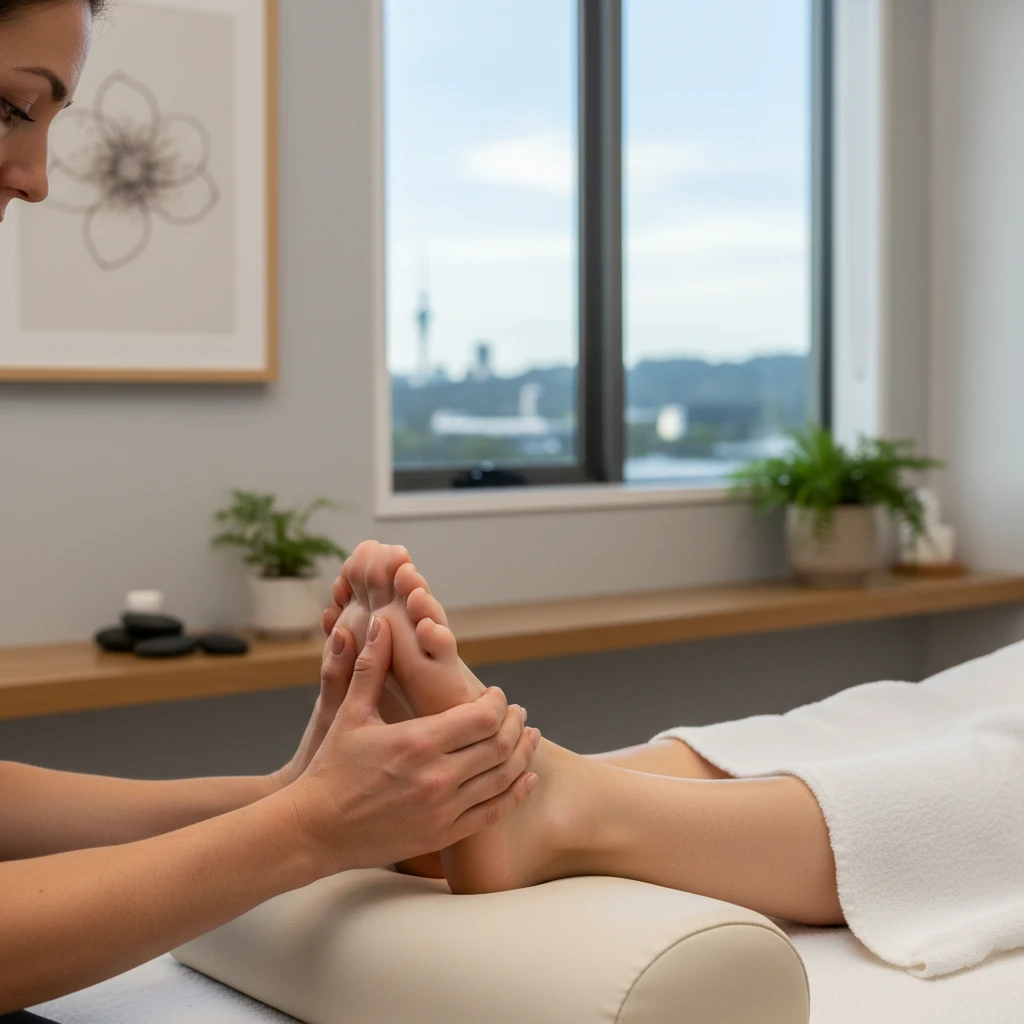
This is perhaps the most common misconception. While reflexology involves working on the feet (and sometimes hands or ears), it is fundamentally different from a relaxing foot massage. A typical foot massage aims to relax the muscles, relieve tension, and improve local circulation in the foot itself. Reflexology, however, employs specific pressure techniques applied to defined reflex points that are believed to correspond to other areas of the body. The intention is to stimulate these points to promote healing and balance throughout the entire system, not just the foot. A reflexologist uses precise thumb and finger walking techniques, targeting specific areas with a therapeutic purpose beyond mere muscle relaxation. It’s a systemic therapy, not just a local one.
Myth 2: Reflexology Can Cure Diseases
It’s crucial to understand that reflexology is not a medical treatment, nor does it claim to cure diseases. This myth can lead to false hopes and, more dangerously, encourage individuals to forgo conventional medical care. Reflexology is a complementary therapy, meaning it works alongside, not instead of, conventional medicine. Its primary aim is to support the body’s natural healing mechanisms, reduce stress, alleviate pain, and promote overall well-being. For individuals suffering from chronic conditions, reflexology can offer symptomatic relief and improve quality of life, but it should never be presented as a cure. Always consult with a medical doctor for diagnosis and treatment of any health condition.
Myth 3: Reflexology is Painful and Uncomfortable
While some reflex points, especially those corresponding to areas of imbalance or tension in the body, might feel tender or sensitive when pressed, reflexology should generally not be painful. A skilled reflexologist adjusts their pressure to suit the client’s comfort level. Any discomfort experienced is usually transient and often described as a ‘good pain’ – an indication that a specific area of the body is being addressed. Many clients report feeling deeply relaxed, even falling asleep, during a session. The overall experience is typically soothing and revitalizing, leading to a profound sense of calm. If you ever experience significant pain, it’s important to communicate this immediately to your practitioner.
Myth 4: Only Specific Practitioners Can Do Reflexology
While anyone can give a foot rub, professional reflexology requires extensive training and certification. This myth often suggests that it’s an ‘easy’ therapy to perform, diminishing the expertise involved. Reputable reflexologists undergo rigorous training programs that cover anatomy, physiology, reflexology techniques, ethics, and practical experience. For instance, in New Zealand, practitioners often belong to organisations like Reflexology New Zealand, which sets professional standards and provides pathways for accredited training. Choosing a qualified practitioner ensures you receive a safe, effective, and ethically sound treatment. It is not something that should be attempted by untrained individuals expecting therapeutic results beyond simple relaxation.
Myth 5: Reflexology Has No Scientific Basis
The scientific community’s understanding of complementary therapies is continually evolving. While large-scale, randomized controlled trials for reflexology are still developing, there is a growing body of research exploring its efficacy, particularly in areas like stress reduction, pain management, and improving quality of life. Many studies, though often small, have indicated positive physiological effects such as decreased anxiety, lower blood pressure, and improved sleep. Furthermore, the profound relaxation induced by reflexology is a well-established physiological response that has significant benefits for overall health. The historical and anecdotal evidence spanning centuries also points to its effectiveness for many individuals. For more detailed information on ongoing research and scientific perspectives, the Wikipedia page on Reflexology provides a comprehensive overview.
Evidence-Based Facts and Benefits of Reflexology
Beyond the myths, a clear understanding of reflexology’s genuine benefits and how it supports well-being is crucial. While not a cure-all, its ability to foster deep relaxation and enhance the body’s natural processes makes it a valuable complementary therapy. Here, we delve into the established facts and advantages of incorporating reflexology into your health regimen.
Fact 1: Stress Reduction and Relaxation
One of the most widely acknowledged and consistently reported benefits of reflexology is its profound ability to induce relaxation and reduce stress. The gentle yet firm pressure applied to reflex points stimulates the parasympathetic nervous system, responsible for the body’s ‘rest and digest’ functions. This activation helps to slow heart rate, lower blood pressure, and decrease cortisol levels (the stress hormone). In today’s fast-paced world, chronic stress is a major contributor to various health issues. Regular reflexology sessions can provide a much-needed respite, helping individuals in Auckland manage daily stressors more effectively and achieve a calmer, more balanced state of mind.
Fact 2: Improved Circulation
Reflexology is believed to enhance both blood and lymphatic circulation. By stimulating nerve endings and promoting relaxation, reflexology can help dilate blood vessels, allowing for better blood flow throughout the body. Improved circulation means that oxygen and essential nutrients are more efficiently delivered to cells, tissues, and organs, while metabolic waste products are more effectively removed. Enhanced lymphatic drainage also supports the immune system by facilitating the removal of toxins and reducing fluid retention. For those living in Auckland, where a sedentary lifestyle can sometimes impact circulation, reflexology offers a non-invasive way to support circulatory health.
Fact 3: Pain Management Support
While reflexology doesn’t directly target the source of pain in the same way medication does, it can be a highly effective complementary therapy for pain management. By promoting relaxation and reducing stress, reflexology can help decrease the body’s pain perception. It is thought to stimulate the release of endorphins, natural painkillers produced by the body. Many individuals report a reduction in the intensity and frequency of various types of pain, including headaches, back pain, and discomfort associated with chronic conditions like arthritis or fibromyalgia. This makes it a popular choice for those seeking non-pharmacological approaches to managing chronic discomfort.
Fact 4: Enhanced Well-being and Mood
The holistic nature of reflexology means its benefits extend beyond the purely physical. Clients often report an overall improvement in their sense of well-being, increased energy levels, and a more positive mood after sessions. The reduction in stress and pain, combined with the therapeutic touch, contributes to a feeling of rejuvenation and emotional balance. By helping the body return to a state of homeostasis (balance), reflexology supports mental clarity and emotional resilience. This comprehensive approach to health is particularly valued in Auckland’s wellness community, where there’s a growing appreciation for integrated health solutions.
Fact 5: Complementary to Conventional Medicine
A crucial fact to reiterate is that reflexology is a complementary therapy, designed to work in conjunction with, not replace, conventional medical treatments. It can be a valuable addition to a broader health plan, providing support and enhancing the effectiveness of other treatments. For example, patients undergoing chemotherapy might find reflexology helps manage side effects like nausea or fatigue. Pregnant women often use it to alleviate discomfort. Always inform your medical doctor about any complementary therapies you are receiving. Reputable reflexologists in Auckland will always advocate for integrated care and respect the boundaries of their practice, ensuring client safety and promoting optimal health outcomes through collaboration with other healthcare providers.
Choosing a Qualified Reflexologist in Auckland
Finding a skilled and reputable reflexologist is paramount to a safe and effective experience. In Auckland, a thriving wellness scene means there are numerous practitioners, but knowing how to select the right one is key to ensuring you receive quality care that aligns with professional standards. Your journey to understanding reflexology truths in Auckland begins with selecting a qualified expert.
What to Look For (Qualifications, Experience, Associations)
When seeking a reflexologist, prioritize those with formal qualifications. Look for practitioners who have completed accredited training programs. In New Zealand, this often means certification from recognised reflexology schools or institutions. Membership in professional associations like Reflexology New Zealand (RNZ) is a strong indicator of a practitioner’s commitment to ethical practice, ongoing professional development, and adherence to industry standards. Members typically have met specific training requirements and carry professional insurance. Experience also plays a significant role; a practitioner with several years of active practice will likely have encountered a wider range of client needs and refined their techniques. Don’t hesitate to ask about their qualifications, experience, and professional affiliations.
Questions to Ask Your Practitioner
Before committing to a session, it’s wise to have an initial conversation or consultation. Here are some key questions you might ask:
- “What are your qualifications and how long have you been practicing reflexology?”
- “Are you a member of any professional reflexology associations in New Zealand?”
- “What is your approach to reflexology? Do you specialise in any particular areas?”
- “What should I expect during a typical session?”
- “Do you have experience working with clients who have similar concerns to mine?”
- “What are your fees and cancellation policy?”
A professional and transparent reflexologist will be happy to answer these questions, helping you feel confident and comfortable with your choice. This initial dialogue is crucial for establishing trust and ensuring the practitioner’s approach aligns with your health goals.

Integrating Reflexology into Your Wellness Journey
Embracing reflexology is about more than just booking an occasional session; it’s about consciously incorporating a powerful tool for balance and well-being into your lifestyle. For residents in Auckland, understanding how to best integrate reflexology truths into their personal wellness journey can lead to sustained health benefits and a more harmonious life.
When to Consider Reflexology
Reflexology can be beneficial at various stages and for a multitude of reasons. It’s often sought out for:
Stress and Anxiety Management: If you’re feeling overwhelmed, stressed, or experiencing anxiety, reflexology offers a natural pathway to relaxation and mental calm.
Pain Relief: For chronic pain conditions like headaches, back pain, or arthritis, it can act as an excellent complementary therapy to manage symptoms and improve comfort.
Sleep Disturbances: Many clients find that regular sessions significantly improve their sleep quality, helping to regulate sleep patterns.
Digestive Issues: Reflexology may help in balancing the digestive system, potentially easing issues like constipation or irritable bowel syndrome.
Boosting Overall Well-being: Even without specific complaints, reflexology can be a proactive way to maintain health, boost energy levels, and enhance your body’s natural healing capabilities.
Support During Life Transitions: During pregnancy, post-surgery recovery, or periods of significant change, reflexology can provide valuable emotional and physical support.
Long-term Benefits and Maintenance
Like many holistic therapies, the benefits of reflexology tend to be cumulative. While a single session can offer immediate relaxation, consistent, regular treatments are often recommended for deeper and more lasting effects. Many reflexologists in Auckland suggest an initial course of treatments, followed by maintenance sessions spaced according to individual needs – perhaps monthly or quarterly. This consistent approach helps to maintain the body’s balance, reinforce stress reduction, and support ongoing physical and emotional health. Integrating reflexology as a regular part of your self-care routine can be a powerful commitment to your long-term well-being, helping you navigate the demands of modern life with greater resilience and vitality.
People Also Ask About Reflexology
What is the main difference between reflexology and a foot massage?
A foot massage primarily focuses on relaxing the muscles and improving circulation in the feet. Reflexology, conversely, applies specific pressure techniques to ‘reflex points’ on the feet (or hands/ears) that correspond to other body parts, aiming to stimulate the body’s natural healing processes and balance the entire system, not just the feet.
Is reflexology scientifically proven?
While large-scale clinical trials are ongoing, a growing body of research supports reflexology’s effectiveness in areas like stress reduction, pain management, and improving quality of life. Its ability to induce deep relaxation is well-documented, contributing significantly to its therapeutic benefits, although it is not a ‘cure’ for diseases.
Can reflexology help with specific health conditions?
Reflexology is a complementary therapy, meaning it supports the body’s natural healing processes. It can help manage symptoms associated with various conditions like stress, anxiety, pain (e.g., headaches, back pain), digestive issues, and sleep disturbances, but it does not diagnose, treat, or cure medical diseases. Always consult with a medical professional for health concerns.
How often should I have reflexology sessions?
The frequency of reflexology sessions depends on individual needs and health goals. For acute issues, an initial course of weekly sessions might be recommended. For general well-being and maintenance, monthly or quarterly sessions are common. Your reflexologist in Auckland can help you determine an appropriate schedule.
Are there any side effects of reflexology?
Reflexology is generally considered very safe with few side effects. Some individuals might experience temporary tenderness in certain reflex points, heightened emotions, increased urination, or fatigue as the body processes the treatment. These reactions are usually mild and temporary, often seen as a sign of the body cleansing and rebalancing.
Is reflexology safe during pregnancy in Auckland?
Yes, reflexology is generally considered safe during pregnancy, especially from the second trimester onwards, and can be very beneficial for easing common pregnancy discomforts like morning sickness, back pain, and swelling. However, it is crucial to consult a reflexologist specifically trained in pregnancy reflexology and to inform your lead maternity carer (LMC) or doctor beforehand.