
Reflexology offers a profound, non-invasive approach to stress and anxiety management, making it an increasingly popular natural therapy in Auckland. By applying pressure to specific reflex points on the feet, hands, or ears, reflexology aims to restore balance, induce deep relaxation, and activate the body’s innate healing mechanisms, thereby significantly reducing the physiological and psychological impacts of daily stressors.
Understanding Stress and Anxiety: The Modern Epidemic
The Pervasive Nature of Stress and Anxiety in Contemporary Life
In our fast-paced world, particularly in bustling urban centers like Auckland, stress and anxiety have become almost ubiquitous. They are not merely transient emotional states but significant health concerns that can profoundly impact an individual’s physical, mental, and emotional well-being. Chronic stress, left unaddressed, can lead to a myriad of health issues, including heart disease, digestive problems, weakened immune function, sleep disturbances, and exacerbated mental health conditions such as depression.
Anxiety, characterized by feelings of worry, nervousness, or unease, often manifests with physical symptoms like a racing heart, shortness of breath, and muscle tension. While a natural response to danger, prolonged or excessive anxiety can be debilitating, affecting personal relationships, work performance, and overall quality of life. Recognising the signs and understanding the mechanisms behind stress and anxiety is the first step toward effective management and seeking appropriate therapies.
The Body’s Response to Stress: Fight, Flight, or Freeze
When faced with a perceived threat, the body’s sympathetic nervous system kicks into action, initiating the “fight, flight, or freeze” response. This evolutionary mechanism releases hormones like cortisol and adrenaline, increasing heart rate, blood pressure, and muscle tension, preparing the body to react. While vital for survival in acute situations, constant activation of this response due to chronic psychological stressors can be detrimental. The parasympathetic nervous system, on the other hand, is responsible for the “rest and digest” state, promoting relaxation, healing, and energy conservation.
A crucial aspect of managing stress and anxiety involves finding ways to shift the body from a sympathetic-dominant state to a parasympathetic-dominant state. This balance is key to resilience and long-term health. Many individuals in Auckland are now exploring complementary therapies that support this shift, seeking alternatives or adjuncts to conventional treatments. Understanding the intricate interplay between our daily environment, our nervous system, and our overall health is fundamental to adopting effective strategies for well-being. Modern life presents unique challenges, making it more important than ever to cultivate practices that actively counteract the physiological toll of constant demands and digital overload.
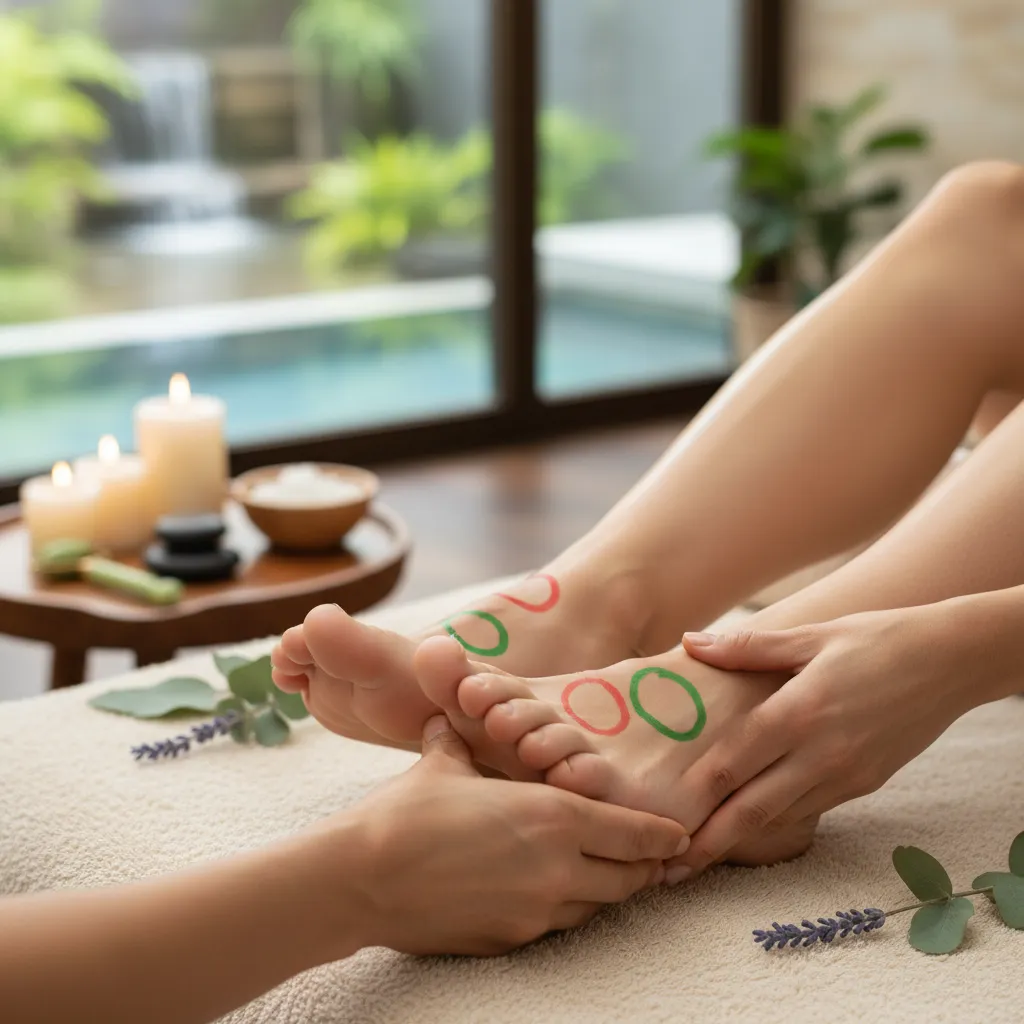
How Reflexology Calms the Nervous System and Reduces Stress
The Principles of Reflexology: A Holistic Approach
Reflexology is a complementary health therapy that involves applying focused pressure to specific points, primarily on the feet, but also on the hands and ears. These points, known as reflex areas, are believed to correspond to various organs, glands, and systems throughout the body. The fundamental theory posits that stimulating these reflexes can promote physiological changes in the corresponding body parts, leading to improved function, reduced pain, and enhanced relaxation.
For centuries, different cultures have practiced forms of foot and hand therapy to alleviate ailments and promote well-being. Modern reflexology, as we know it today, gained prominence in the early 20th century, notably through the work of Dr. William Fitzgerald and Eunice Ingham. It operates on the premise that blockages in the body’s energy pathways (often referred to as ‘zones’ or ‘meridians’) contribute to disease and discomfort. Reflexology aims to clear these blockages, allowing vital energy to flow freely and restoring the body’s natural equilibrium. This holistic perspective acknowledges that the body is an interconnected system, where discomfort in one area can manifest as symptoms elsewhere, and addressing one part can bring balance to the whole.
Targeting Stress: Specific Reflex Points and Their Effects
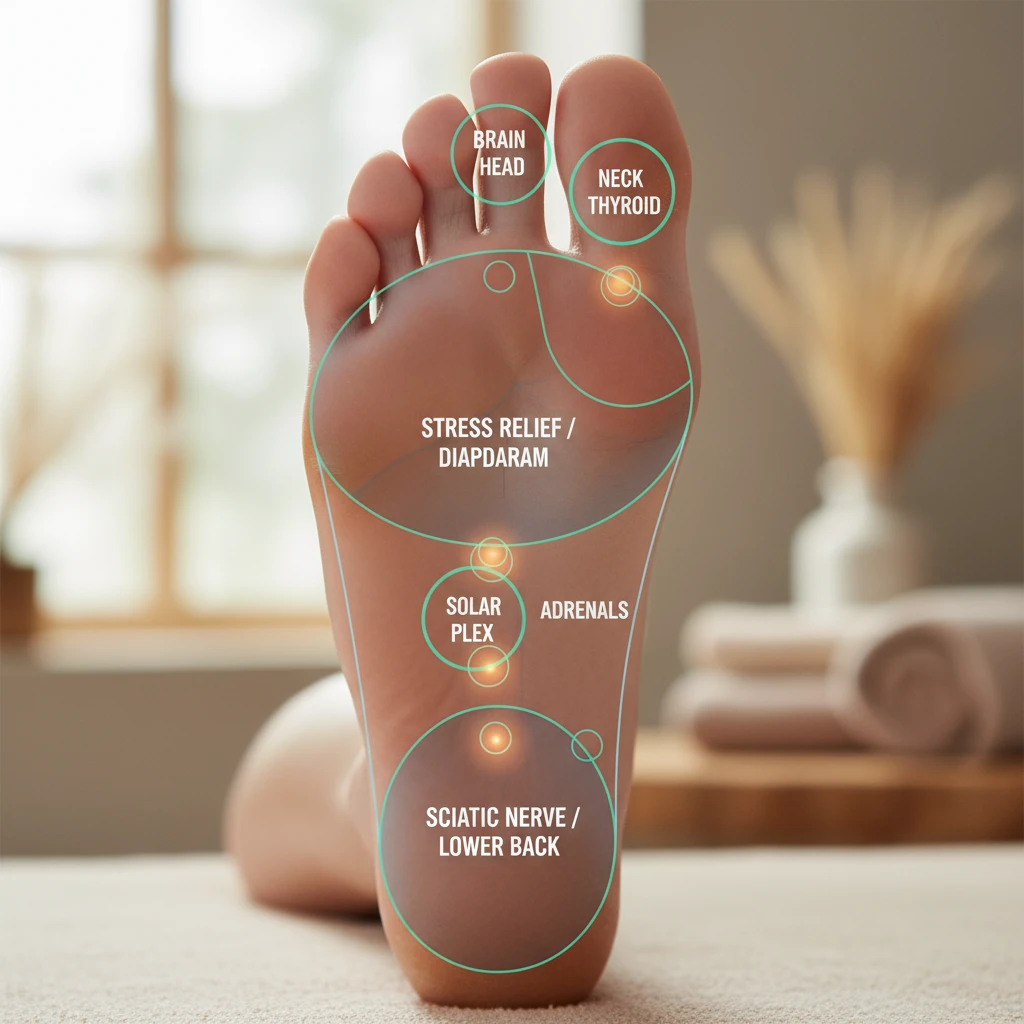
In the context of stress and anxiety, reflexologists focus on specific points that directly influence the nervous system, endocrine system, and areas associated with emotional processing. Key reflex points include:
- Solar Plexus: Often referred to as the “abdominal brain,” stimulating this point (located at the ball of the foot, below the toes) can induce immediate relaxation and release tension, acting as a powerful central point for calming.
- Adrenal Glands: Reflexes for the adrenal glands (mid-foot area) can help regulate the release of stress hormones like cortisol, aiding in bringing the body back to a state of calm and preventing the prolonged effects of the fight-or-flight response.
- Diaphragm: The diaphragm reflex (across the ball of the foot) is crucial for promoting deeper, more relaxed breathing, which is fundamental to stress reduction and activating the parasympathetic response.
- Head/Brain Reflexes: Points on the toes correspond to the head and brain, and working these areas can help alleviate mental fatigue, calm an overactive mind, and reduce headache tension often associated with stress and cognitive overload.
- Spinal Reflexes: Running along the arch of the foot, these points can release tension along the spine, which often tightens in response to physical and emotional stress, improving posture and nerve function.
- Pituitary and Pineal Glands: Reflexes for these master glands in the brain (located on the big toe) are worked to help regulate hormones, influencing sleep cycles and overall endocrine balance crucial for stress management.
The gentle yet firm pressure applied to these points sends signals through the nervous system, encouraging the body to enter a parasympathetic state. This shift reduces heart rate, lowers blood pressure, relaxes muscles, and promotes the release of endorphins—the body’s natural feel-good chemicals—contributing to a profound sense of peace and well-being. Research on reflexology’s efficacy in stress reduction and pain management continues to grow. A study published in the Journal of Advanced Nursing, for instance, highlighted reflexology’s potential in reducing anxiety in pre-operative patients, suggesting its broader application in stress management. Journal of Advanced Nursing. These findings provide a scientific basis for what many reflexology clients in Auckland already experience firsthand: a tangible reduction in their daily stress burden.
Reflexology Techniques for Deep Relaxation and Well-being
What to Expect During a Professional Reflexology Session
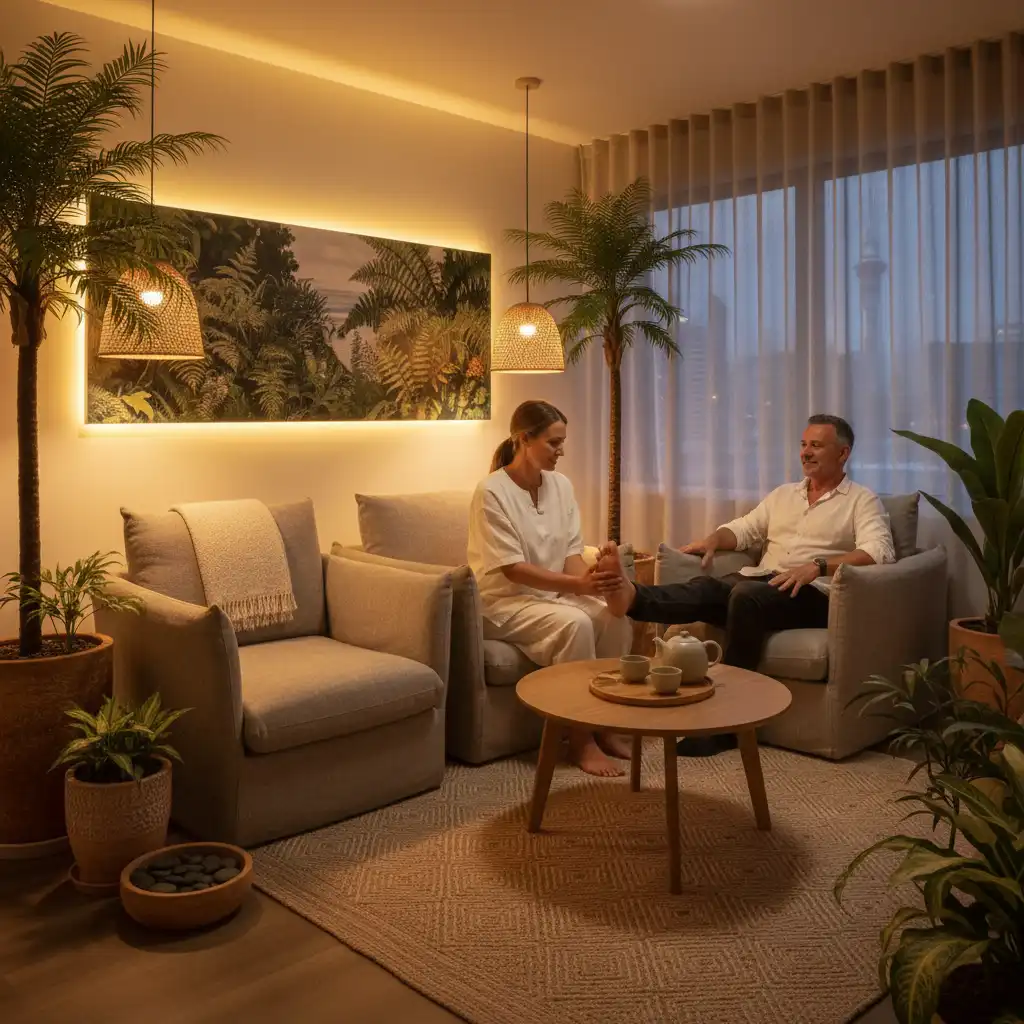
A typical reflexology session in Auckland usually lasts between 45 to 60 minutes. Clients remain fully clothed, removing only their shoes and socks, and recline comfortably in a chair or on a massage table. The reflexologist will begin by cleansing the feet, followed by a gentle warm-up of the feet or hands. Using various techniques—thumb walking, finger walking, kneading, and rotation—the practitioner applies pressure to the reflex points. The pressure should be firm but comfortable; clients might experience different sensations, ranging from slight tenderness in certain areas (indicating an energy imbalance) to profound relaxation. Communication with your therapist is key to ensuring the pressure is always appropriate and comfortable for you.
Throughout the session, the reflexologist will observe reactions and may focus on areas identified as particularly sensitive or “gritty,” which often correspond to areas of imbalance or tension in the body. The goal is always to bring the body back to a state of homeostasis, promoting natural healing and deep relaxation. Many clients report feeling a sense of calm and lightness during and after the session, often leading to improved sleep and reduced mental clutter. Post-session, clients are typically encouraged to hydrate well to aid the body’s detoxification process and prolong the feeling of well-being.
Integrating Reflexology with Other Wellness Practices
While professional reflexology sessions offer immense benefits, integrating principles of self-care and other relaxation techniques can amplify their effects. Simple self-reflexology techniques, focusing on key stress-relief points on the hands, can be practiced daily during moments of tension or before bedtime. Learning mindful breathing exercises, incorporating meditation, or practicing gentle yoga can further support the parasympathetic nervous system, reinforcing the calming effects initiated by reflexology. These complementary practices create a synergistic effect, helping to maintain a state of equilibrium between professional sessions.
Consistency is key. Just as stress builds up over time, its reversal often requires a sustained approach. Regular reflexology sessions, whether weekly, fortnightly, or monthly, can help maintain a balanced state, preventing the accumulation of stress and anxiety. Discussing your lifestyle and wellness goals with your reflexologist can help tailor a treatment plan that supports your overall journey towards better health. They can often provide guidance on simple stretches, dietary considerations, or mindfulness practices that complement your reflexology treatments, enhancing your resilience against daily stressors.
Finding a Qualified Reflexologist for Stress Relief in Auckland
Why Choose a Certified Reflexologist?
When seeking reflexology for stress relief in Auckland, it is paramount to choose a qualified and experienced practitioner. Certification ensures that the reflexologist has undergone rigorous training, possesses a deep understanding of anatomy, physiology, and reflexology techniques, and adheres to professional standards and ethics. Look for practitioners who are members of professional associations, such as Reflexology New Zealand (RNZ), which often provides a directory of certified therapists. These associations ensure their members uphold high standards of practice and continuous professional development, giving you peace of mind.
A skilled reflexologist will conduct an initial consultation to understand your health history, lifestyle, and specific concerns regarding stress and anxiety. This allows them to create a personalised treatment plan tailored to your unique needs, optimising the therapeutic benefits. Don’t hesitate to ask about their qualifications, experience, and approach to stress management. Reading client testimonials and reviews can also provide valuable insight into their practice and client satisfaction, helping you make an informed decision about your care.
What to Consider When Booking Your First Session
Beyond certification, consider the overall environment and your comfort level. A welcoming, calm, and professional setting contributes significantly to the relaxation experience. Discuss any specific health conditions or sensitivities you may have. For instance, if you are pregnant, have a foot injury, or a severe medical condition, inform your reflexologist, as certain points or techniques may need modification. The goal is a safe, effective, and profoundly relaxing experience that addresses your stress and anxiety effectively. Many clinics across Auckland offer introductory sessions, making it easy to experience the benefits first-hand. It is also beneficial to discuss treatment frequency and expected outcomes during your first visit, ensuring your expectations align with the therapeutic process. A good rapport with your practitioner is vital for a successful and calming experience.
Client Stories & The Holistic Benefits of Reflexology for Stress
Real-World Impact: How Reflexology Transforms Lives
The anecdotal evidence from clients experiencing reflexology for stress and anxiety is compelling and consistently positive. Individuals often report not just a reduction in their immediate stress levels but also a cascade of secondary benefits that enhance their overall quality of life. For many in Auckland battling the pressures of urban living, reflexology offers a much-needed sanctuary and a powerful tool for resilience.
Take, for example, the professional who struggles with work-related stress, often leading to insomnia and tension headaches. After a few reflexology sessions, they might report falling asleep more easily, experiencing deeper sleep, and a significant decrease in headache frequency and intensity. Or consider the student grappling with exam anxiety, finding that regular sessions help calm their mind, improve concentration, and reduce the physical symptoms of nervousness. These are not isolated incidents but common outcomes observed by practitioners across Auckland.
These stories underscore reflexology’s ability to address the root causes of stress-related symptoms, rather than merely masking them. By promoting a state of deep relaxation, it allows the body’s natural restorative processes to take over, fostering a sense of inner peace and renewed vitality. Clients frequently express a newfound ability to cope with daily challenges, a greater sense of calm, and an improved outlook on life, transforming their day-to-day experience.
Beyond Stress Reduction: The Holistic Ripple Effect
The benefits of reflexology extend far beyond mere stress reduction. When the body is in a relaxed state, numerous physiological improvements occur:
- Improved Sleep Quality: Relaxation directly impacts sleep patterns, helping those with insomnia or disturbed sleep cycles achieve more restorative rest.
- Enhanced Mood and Emotional Balance: By reducing cortisol and increasing endorphins, reflexology can uplift mood and promote emotional stability, making individuals feel more positive and less irritable.
- Better Digestion: Stress significantly impacts the digestive system; reflexology’s calming effect can alleviate related issues like Irritable Bowel Syndrome (IBS), indigestion, and bloating.
- Pain Management: Chronic stress often exacerbates pain conditions. Reflexology can help reduce muscle tension and perception of pain, offering relief for conditions like back pain, neck pain, and fibromyalgia.
- Increased Energy Levels: By improving sleep and reducing the energy drain of stress, clients often report feeling more energised, alert, and capable of tackling their daily tasks.
- Boosted Immune System: Chronic stress suppresses immunity, making individuals more susceptible to illness. Regular relaxation and the removal of energetic blockages can support a healthier immune response.
- Improved Circulation: The pressure techniques used in reflexology can stimulate blood and lymph flow, aiding in nutrient delivery and waste removal throughout the body.
Reflexology provides a holistic pathway to well-being, acknowledging the intricate connection between mind, body, and spirit. It empowers individuals to take an active role in their health, offering a natural, drug-free method to navigate the complexities of modern life with greater ease and resilience. Embracing reflexology in Auckland means investing in a profound sense of calm and a healthier, more balanced existence. For more information on the holistic benefits of complementary therapies, you can consult reputable health organizations like the World Health Organization for their stance on traditional and complementary medicine.
People Also Ask About Reflexology for Stress
Is reflexology scientifically proven for stress relief?
While more large-scale clinical trials are always beneficial, existing research and extensive anecdotal evidence strongly suggest that reflexology is effective in reducing stress and anxiety. Studies have shown it can lower blood pressure, heart rate, and cortisol levels, which are all indicators of a relaxed state. Many practitioners and clients report significant improvements in stress symptoms.
How many reflexology sessions are needed for stress reduction?
The number of sessions varies depending on individual stress levels and how quickly one responds to therapy. Many clients experience immediate relaxation after their first session. For chronic stress or anxiety, a course of 4-6 weekly sessions is often recommended, followed by maintenance sessions (e.g., monthly) to sustain the benefits and prevent stress from accumulating.
Can reflexology help with anxiety attacks?
Reflexology is not a substitute for professional medical or psychological treatment for anxiety attacks. However, it can be a valuable complementary therapy. By promoting deep relaxation and regulating the nervous system, regular reflexology sessions can help reduce the frequency and intensity of anxiety symptoms, potentially making individuals less prone to attacks over time. It provides tools for the body to manage stress more effectively.
Are there any side effects of reflexology for stress?
Reflexology is generally considered safe with very few side effects. Some individuals might experience mild sensations such as lightheadedness, increased urination, or heightened emotions as the body releases toxins and rebalances. These are typically temporary and signify the body’s healing process. It is crucial to inform your practitioner about any pre-existing health conditions or pregnancy.
Can I do self-reflexology for stress relief at home?
Yes, basic self-reflexology techniques can be beneficial for stress relief at home. Focusing on points like the solar plexus (just below the ball of your foot/palm), diaphragm (across the ball of the foot/palm), and specific toe/finger tips can induce relaxation. While professional sessions offer deeper, more targeted benefits, self-care practices can complement them and provide daily calm. Numerous guides and videos are available for learning basic techniques.
How do I find a reputable reflexologist in Auckland?
To find a reputable reflexologist in Auckland, start by looking for practitioners who are certified and members of professional bodies like Reflexology New Zealand (RNZ). Their websites often have practitioner directories. You can also ask for recommendations from friends, family, or other healthcare providers. Always check reviews and consider booking an initial consultation to ensure the practitioner’s approach aligns with your needs and comfort.