Pregnancy reflexology in Auckland is a specialized holistic therapy focusing on specific pressure points on the feet to alleviate common maternity symptoms like morning sickness, back pain, and anxiety. Qualified practitioners use gentle techniques to balance hormones and prepare the body for labor, offering a safe, non-invasive support system for expectant mothers.
Understanding Pregnancy Reflexology
Pregnancy is a time of profound physiological and emotional change. As the body adapts to nurture a new life, the physical toll can be significant. Reflexology, an ancient therapeutic practice, has found a modern foothold in Auckland’s maternity wellness landscape. Unlike a standard foot massage, reflexology is based on the principle that specific points on the feet, hands, and ears correspond to different organs and systems within the body. By stimulating these reflexes, a practitioner aims to restore homeostasis and promote the body’s natural healing processes.
For the expectant mother, this modality offers a drug-free alternative to managing the myriad symptoms associated with gestation. It operates on the understanding that the feet act as a microcosm of the entire body. During pregnancy, the center of gravity shifts, hormones fluctuate wildly, and circulation can become sluggish. Reflexology targets these issues directly through the nervous system, encouraging relaxation and improved blood flow.
In Auckland, the demand for maternity reflexology has surged as more women seek complementary therapies that work alongside traditional obstetric care. It is crucial to distinguish this clinical approach from spa treatments; clinical reflexology focuses on specific outcomes, such as lymphatic drainage or endocrine balance, rather than mere relaxation, although relaxation is a welcome side effect.
Key Benefits for Expectant Mothers
The benefits of reflexology during pregnancy are multifaceted, addressing both physical discomforts and emotional stressors. Regular sessions can transform the pregnancy experience from one of endurance to one of enjoyment.
Alleviating Morning Sickness and Digestive Issues
One of the most debilitating aspects of the first trimester is hyperemesis gravidarum, or severe morning sickness. Reflexology targets the solar plexus and stomach reflex points to calm the digestive system. By regulating the autonomic nervous system, many women in Auckland report a significant reduction in nausea and vomiting after just a few sessions. Furthermore, as the baby grows and compresses the digestive tract, reflexology can aid in relieving heartburn and constipation, common complaints in the later stages of pregnancy.
Managing Pain and Pelvic Discomfort
As the hormone relaxin softens the ligaments to prepare for birth, many women experience Symphysis Pubis Dysfunction (SPD) or general pelvic girdle pain. Sciatica and lower back pain are also prevalent. A skilled reflexologist can work the spinal and pelvic reflexes on the foot to release tension in the lower back and hips. This non-invasive approach provides pain relief without the need for medication, which many mothers prefer to avoid during pregnancy.
Reducing Edema and Improving Circulation
Swelling in the ankles and feet (edema) is a hallmark of the third trimester. Reflexology is exceptionally effective at mobilizing stagnant fluid. By stimulating the kidney and lymphatic reflexes, the body is encouraged to eliminate excess fluids and toxins. This not only reduces swelling but also lowers the risk of carpal tunnel syndrome, which is often fluid-related during pregnancy.
Preparation for Labor (Priming)
Perhaps the most sought-after application of reflexology in Auckland is “labor priming.” While reflexology cannot force a baby to come before they are ready, it can create the optimal environment for labor to begin spontaneously. By stimulating the pituitary gland (responsible for oxytocin production) and the uterine reflexes, practitioners help ripen the cervix and promote regular contractions. Studies suggest that women who receive regular reflexology treatments often experience shorter first-stage labor and require less pain relief.
Postpartum Care: The Fourth Trimester
The focus on the mother often dissipates the moment the baby is born, yet the postpartum period—often called the fourth trimester—is when a woman’s body requires the most support. Postpartum reflexology in Auckland is gaining traction as a vital recovery tool.
Hormonal Rebalancing and Lactation Support
After birth, hormone levels crash, which can contribute to the “baby blues” or Postnatal Depression (PND). Reflexology helps to regulate the endocrine system, smoothing out these hormonal transitions. Additionally, for mothers who are breastfeeding, specific techniques can be used to stimulate the pituitary gland to boost prolactin production, thereby assisting with milk supply and let-down.
Restoring Energy and Sleep
Sleep deprivation is inevitable with a newborn. Reflexology is known to induce a state of deep rest (theta brainwaves) similar to meditation. A one-hour session can sometimes feel as restorative as several hours of sleep. By calming the nervous system, it helps new mothers achieve better quality sleep during the short windows they have available.
Physical Recovery
The body needs to heal from the trauma of birth, whether vaginal or Caesarean. Reflexology encourages rapid healing by improving blood supply to the pelvic area. It also assists the uterus in contracting back to its pre-pregnancy size (involution) and helps realign the spine after months of carrying extra weight.
Safety Protocols and Contraindications
While reflexology is generally considered safe, it is a potent therapy that must be administered with caution during pregnancy. In Auckland, reputable practitioners adhere to strict safety guidelines.
The First Trimester Debate
There is a common misconception that reflexology causes miscarriage. There is no evidence to support this; however, many practitioners in Auckland prefer to wait until the 12-week scan is complete before commencing treatment. This is largely to avoid any association with the naturally high rate of miscarriage that occurs in the first trimester, regardless of external factors. However, for severe morning sickness, specialist reflexologists may treat during the first trimester using modified, gentle techniques.
Contraindications
Reflexology may not be suitable for high-risk pregnancies involving conditions such as:
- Placenta previa (low-lying placenta)
- Pre-eclampsia or dangerously high blood pressure
- Deep Vein Thrombosis (DVT)
- Recent vaginal bleeding
- Polyhydramnios (excessive amniotic fluid) or Oligohydramnios (low amniotic fluid)
It is imperative that you consult with your Lead Maternity Carer (LMC)—whether that is a midwife, GP, or obstetrician—before starting reflexology. For more information on general health during pregnancy, you can refer to the New Zealand Ministry of Health guidelines.
Finding Qualified Reflexologists in Auckland
Not all reflexologists are trained in maternity care. When searching for “pregnancy reflexology Auckland,” due diligence is required to ensure safety and efficacy.
Credentials to Look For
In New Zealand, the industry is self-regulated. The gold standard for practitioners is membership with Reflexology New Zealand (RNZ). Members of this body must hold recognized qualifications, adhere to a code of ethics, and maintain continuous professional development. You can verify a practitioner’s status by visiting the Reflexology New Zealand website.
Questions to Ask
- “Do you have specific post-graduate training in maternity reflexology?”
- “How many years of experience do you have treating pregnant women?”
- “Do you have a reclining chair suitable for late-stage pregnancy?” (Lying flat on a massage table is often not recommended after 20 weeks due to vena cava compression).
Auckland Regions and Availability
Auckland boasts a high concentration of specialists. Central Auckland (Grey Lynn, Ponsonby) and the North Shore often have clinics integrated with osteopaths and naturopaths, providing a multi-disciplinary approach. East Auckland and South Auckland also have growing numbers of home-based clinics offering flexible hours for working mothers.
What to Expect During Your Session
A typical pregnancy reflexology session in Auckland lasts between 45 to 60 minutes. Your first visit should always begin with a comprehensive consultation regarding your pregnancy history, current symptoms, and medical background.
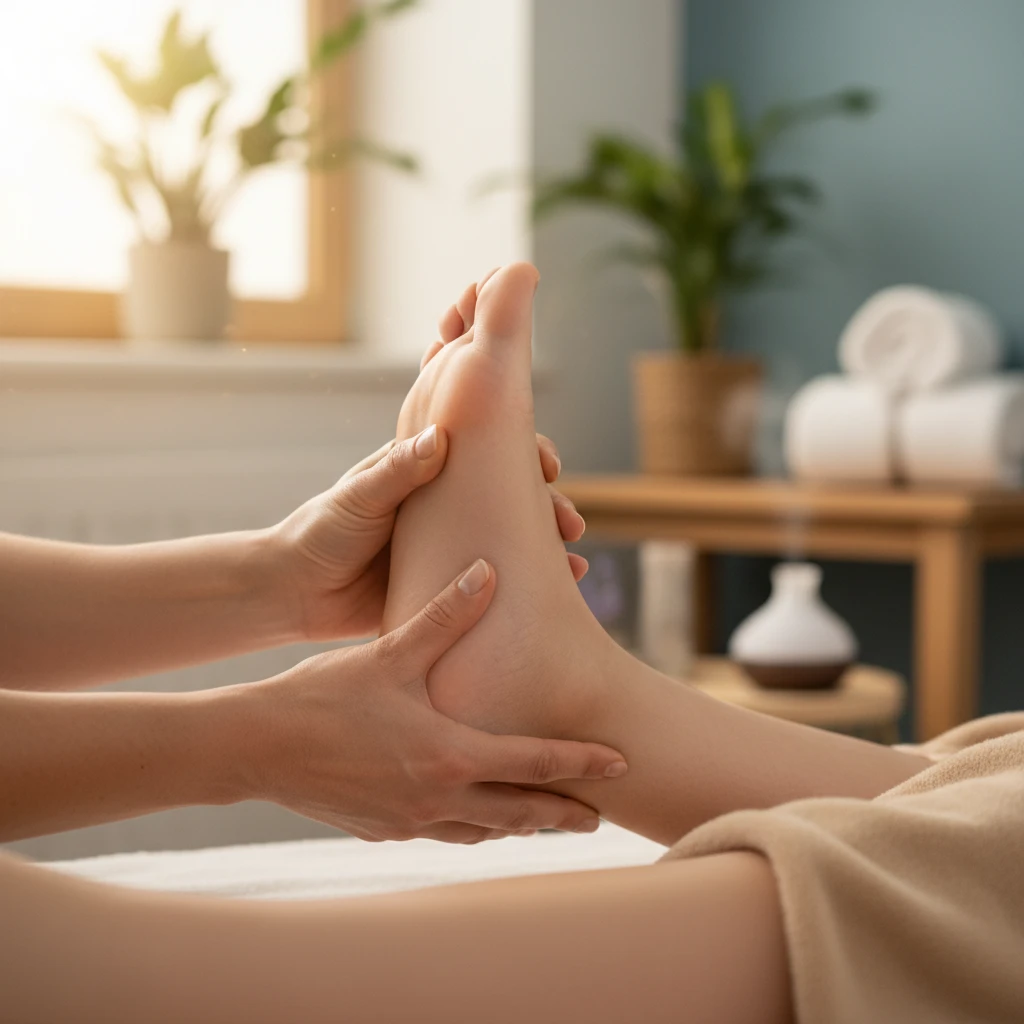
You will remain fully clothed, removing only your socks and shoes. Comfort is paramount; you should be seated in a reclining chair or propped up with pillows to ensure you are not lying flat on your back. The therapist will use their thumbs and fingers to apply pressure to your feet.
Some areas may feel tender—this usually indicates congestion or imbalance in the corresponding body part. For example, the inside of the heel (corresponding to the uterus) might feel sensitive. The therapist will work within your comfort zone. Following the session, it is normal to feel deeply relaxed, thirsty, or to experience an increase in fetal movement as the baby responds to the relaxation of the mother.
Frequently Asked Questions
Is reflexology safe during the first trimester of pregnancy?
Generally, yes, when performed by a specialist. However, many Auckland practitioners wait until after the 12th week to avoid any association with naturally occurring first-trimester complications. Always consult your midwife first.
Can reflexology induce labor if I am overdue?
Reflexology cannot force the body into labor if it isn’t ready. However, it is highly effective at ‘priming’ the body by reducing stress and stimulating oxytocin production, which can encourage natural labor to begin.
How much does pregnancy reflexology cost in Auckland?
Prices vary depending on the clinic and the practitioner’s experience. Typically, you can expect to pay between $80 and $130 NZD per 60-minute session in the Auckland region.
How often should I get reflexology while pregnant?
Many women start with monthly sessions in the second trimester, increasing to fortnightly or weekly sessions as they approach their due date to prepare the body for birth.
Does health insurance cover reflexology in New Zealand?
Some health insurance policies in New Zealand (such as Southern Cross Health Society) include allowances for natural therapies or reflexology under specific ‘Wellbeing’ plans. Check your policy details.
What is the difference between a foot massage and reflexology?
Foot massage focuses on muscle relaxation. Reflexology is a clinical therapy that targets specific nerve endings (reflex points) on the feet to treat systemic issues throughout the body, such as digestion, hormones, and circulation.