
Sports reflexology in Auckland offers athletes a unique holistic approach to enhance physical recovery, boost performance, and proactively prevent injuries. This specialized therapy targets specific reflex points on the feet, hands, and ears, corresponding to various body parts and organs, facilitating improved circulation, reduced muscle tension, and overall systemic balance crucial for athletic excellence in New Zealand’s vibrant sports scene.
Introduction to Sports Reflexology for Athletes
For athletes, achieving peak performance and sustaining a long, healthy career requires a multi-faceted approach to training, nutrition, and recovery. While traditional sports massage and physiotherapy are well-established components of an athlete’s regimen, sports reflexology is emerging as a powerful complementary therapy, offering distinct benefits that address both physical and mental well-being. In bustling cities like Auckland, where competitive sports thrive, athletes are increasingly seeking innovative methods to gain an edge, recover faster, and protect themselves from the rigors of intense physical activity.
Reflexology, at its core, is a non-invasive complementary health therapy based on the theory that specific points on the feet, hands, and outer ears correspond to different organs, glands, and parts of the body. By applying pressure to these reflex points, a qualified practitioner can stimulate the body’s natural healing processes, improve nerve function, enhance circulation, and promote deep relaxation. When tailored for athletes, this ancient practice becomes a targeted tool for managing the unique stresses placed on the athletic body, from high-impact sports to endurance challenges.
This comprehensive guide delves into how sports reflexology specifically aids athletes in Auckland and beyond, covering its profound impact on muscle recovery, circulation, injury prevention, and crucial mental preparation. We will explore the science behind its efficacy and provide insights into how this specialized therapy can be integrated into an athlete’s training and competition schedule to unlock their full potential.
Accelerating Muscle Recovery and Reducing Soreness
One of the most immediate and appreciated benefits of sports reflexology for athletes is its profound impact on muscle recovery. Intense training and competition lead to microscopic tears in muscle fibers, lactic acid buildup, and inflammation, resulting in delayed onset muscle soreness (DOMS). While rest is essential, reflexology can significantly expedite the body’s natural healing processes.
Reducing Lactic Acid and Inflammation
By stimulating specific reflex points, sports reflexology enhances circulation throughout the body. Improved blood flow means a more efficient delivery of oxygen and nutrients to fatigued muscles and a more rapid removal of metabolic waste products, such as lactic acid. This helps to mitigate the burning sensation and stiffness associated with strenuous activity. Furthermore, by promoting lymphatic drainage, reflexology can help reduce inflammation and swelling in overused muscles and joints, which is critical for faster recovery and reduced downtime between training sessions or events.
For Auckland athletes pushing their limits in rugby, running, or cycling, minimizing DOMS and accelerating muscle repair translates directly into consistent training and better performance. Regular sessions can help maintain muscle pliability and reduce chronic tension, which often hinders optimal movement and power output.
Releasing Muscle Tension and Knots
Beyond systemic circulation, targeted pressure on reflex points can directly influence muscle groups and fascia, helping to release deep-seated tension and ‘knots’ that can develop from repetitive motion or sudden impacts. While not a direct muscle manipulation like sports massage, reflexology works by sending signals through the nervous system to the corresponding body parts, encouraging relaxation and release at a deeper level. This neurological connection can be particularly effective for areas difficult to reach or too tender for direct manipulation.
Improving Circulation and Flexibility for Peak Performance
Optimal circulation is the lifeblood of athletic performance. It dictates how efficiently oxygen and nutrients reach working muscles and how effectively waste products are cleared. Sports reflexology excels at enhancing this vital bodily function, contributing significantly to both performance and flexibility.
Enhanced Blood Flow and Oxygenation
Through the stimulation of reflex points associated with the circulatory system, reflexology promotes vasodilation – the widening of blood vessels. This leads to increased blood flow, which in turn boosts oxygen delivery to all tissues, including muscles, organs, and even the brain. For endurance athletes in Auckland, whether tackling the Auckland Marathon or competing in a triathlon, enhanced oxygenation means improved stamina, reduced fatigue, and a greater capacity to perform at high intensities for longer durations. Better nutrient delivery also ensures that muscles have the building blocks they need for repair and growth.
Supporting Joint Health and Flexibility
Improved circulation also benefits joint health. Joints rely on a steady supply of synovial fluid, nutrients, and waste removal to maintain their smooth function and prevent stiffness. By indirectly enhancing circulation around joint areas, reflexology can contribute to better lubrication and nutrient exchange within the joints, supporting greater range of motion and flexibility. This is especially crucial for athletes who require dynamic movement and agility, such as dancers, gymnasts, and martial artists. A greater degree of flexibility reduces the likelihood of strains and tears, allowing athletes to move more fluidly and powerfully.

Preventing Injuries Through Targeted Reflexology Treatment
For any athlete, injury prevention is paramount. A single injury can derail a season, impact a career, and lead to significant physical and emotional distress. Sports reflexology offers a proactive strategy for injury prevention by addressing underlying imbalances and promoting overall bodily resilience.
Identifying and Addressing Imbalances
A skilled reflexologist can often detect areas of congestion or tenderness in the reflex points, which may indicate subtle imbalances or weaknesses in corresponding body parts even before symptoms manifest. For example, consistent tenderness in a reflex point linked to the knee or lower back might alert an athlete and practitioner to potential vulnerabilities. By working on these specific points, reflexology aims to restore balance and strengthen the associated area, making it more resilient to the stresses of training and competition. This proactive approach helps to correct minor issues before they escalate into full-blown injuries.
Strengthening the Body Through Systemic Balance
Many athletic injuries stem from compensatory patterns, where one part of the body overworks to compensate for weakness or dysfunction elsewhere. Reflexology promotes systemic balance across all body systems – musculoskeletal, circulatory, nervous, and endocrine. When these systems are working harmoniously, the body is better equipped to handle physical demands, absorb impact, and recover efficiently. A balanced body is a stronger, more resilient body, less prone to the chain reactions that often lead to injury. For an athlete in Auckland, integrating reflexology can be a crucial component of their overall wellness strategy, much like a balanced diet or strength training regime.
Enhancing Mental Focus and Stress Relief for Competitive Edge
Athletic performance is not solely physical; the mental game is equally, if not more, critical. Stress, anxiety, and lack of focus can severely hinder an athlete’s ability to perform under pressure. Sports reflexology offers significant benefits for mental well-being, translating directly into a sharper competitive edge.
Reducing Performance Anxiety and Stress Hormones
The deeply relaxing nature of reflexology helps to calm the nervous system. By stimulating reflex points associated with the brain and endocrine glands, it can encourage the release of endorphins and reduce cortisol levels, the body’s primary stress hormone. This physiological shift promotes a sense of tranquility and reduces the fight-or-flight response, which is often heightened before competition. Athletes who regularly receive reflexology report feeling more centered, less anxious, and better able to manage pre-competition nerves. This mental calmness allows them to approach their sport with greater confidence and clarity.
Consider an athlete preparing for a major event like the Coast to Coast race in New Zealand; managing the mental strain is as vital as the physical training. Reflexology provides a powerful tool for achieving this mental equilibrium.
Improving Concentration and Sleep Quality
Beyond stress reduction, reflexology can enhance mental clarity and concentration. By promoting overall systemic balance and reducing mental clutter, athletes can experience improved focus during training and competition. Furthermore, the relaxation induced by reflexology often leads to significantly improved sleep quality. Quality sleep is fundamental to an athlete’s recovery and cognitive function, playing a direct role in memory consolidation, reaction time, and decision-making. Athletes experiencing better sleep are more alert, make smarter decisions on the field or court, and have improved emotional regulation, all critical components of elite performance.

Understanding Sports Reflexology: How It Works
To fully appreciate the benefits, it’s important to understand the fundamental principles of sports reflexology. It’s not merely a foot massage; it’s a precise application of pressure to specific areas that are believed to be interconnected with the entire body through nerve pathways and energy zones.
The Zone Theory and Nerve Pathways
The core principle of reflexology is the ‘zone theory,’ which postulates that the body is divided into ten longitudinal zones, running from the head to the toes. Each zone corresponds to specific parts of the feet, hands, and ears. When pressure is applied to a reflex point within a zone, it’s believed to stimulate the corresponding organ, gland, or body part within that same zone. This stimulation is thought to occur via nerve endings, circulatory pathways, or the body’s subtle energy channels (often referred to as ‘qi’ or ‘prana’ in other holistic traditions).
For athletes, this means that working on a specific reflex point on the foot, for instance, might help alleviate tension in the shoulder, improve function in the digestive system (crucial for nutrient absorption), or support adrenal gland function (important for managing stress and energy). The holistic nature of reflexology ensures that the entire body-mind complex is addressed, not just isolated symptoms.
What to Expect During a Typical Sports Reflexology Session
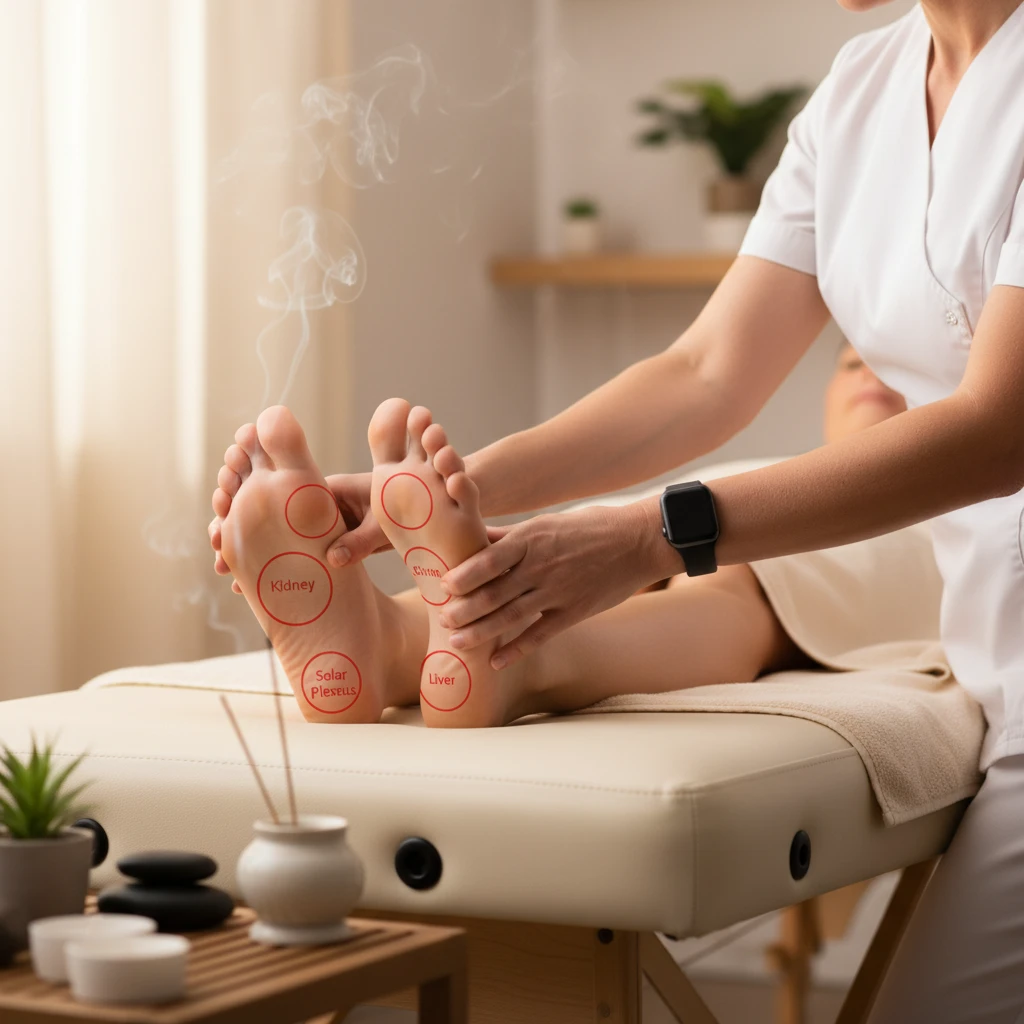
A session with a qualified sports reflexologist in Auckland typically begins with a brief consultation to discuss the athlete’s specific needs, current training regimen, any injuries, and performance goals. The athlete will usually lie comfortably on a massage table or sit in a reclining chair. The reflexologist will then examine the feet (most commonly used for sports reflexology due to the concentration of nerve endings) and begin applying varying degrees of pressure using their thumb, fingers, and knuckles. Special oils or creams may be used to facilitate movement.
The pressure is firm but generally not painful, though some points corresponding to areas of imbalance or tension in the body might feel sensitive. A session usually lasts between 45 to 60 minutes. Athletes often report feeling deeply relaxed during the session, and many fall asleep. After the session, feelings of lightness, improved energy, and a reduction in soreness are common. The number and frequency of sessions will vary depending on individual needs and goals, often increasing during intense training periods or pre-competition, and reducing for maintenance.
Finding a Qualified Sports Reflexologist in Auckland
Given the specialized nature of sports reflexology, it is crucial for athletes to seek out qualified and experienced practitioners. In a city like Auckland, where health and wellness services are abundant, discerning the right professional is key to achieving optimal results.
Credentials and Experience Matter
When searching for a sports reflexologist in Auckland, look for practitioners who hold recognized qualifications in reflexology from reputable institutions. Membership in professional associations such as Reflexology New Zealand (Reflexology NZ) is a strong indicator of adherence to professional standards, ethical conduct, and ongoing professional development. Furthermore, inquire about their specific experience working with athletes. A practitioner with a background or keen interest in sports will have a better understanding of athletic physiology, common sports injuries, and the specific needs of athletes.
Don’t hesitate to ask questions about their approach, their understanding of your sport, and how they tailor their sessions to athletic clients. A good reflexologist will be able to explain the connection between your reflex points and your athletic challenges clearly.
Integration with an Athletic Support Team
Ideally, your sports reflexologist should be willing to communicate and collaborate with other members of your athletic support team, such as your coach, physiotherapist, or osteopath. This integrated approach ensures that reflexology complements other treatments and aligns with your overall training and recovery plan. For an athlete in Auckland, building a holistic support network is vital for sustained success and injury resilience.
The Reflexology Advantage for Auckland Athletes
Sports reflexology represents a powerful, holistic, and increasingly recognized tool for athletes in Auckland and worldwide. From accelerating muscle recovery and enhancing circulation to proactively preventing injuries and sharpening mental focus, its benefits are far-reaching and directly contribute to superior athletic performance and a prolonged career.
By understanding the intricate connections within the body and harnessing its natural healing capabilities, sports reflexology empowers athletes to recover faster, train smarter, and compete with greater confidence and resilience. Integrating this ancient practice into your modern athletic regimen could be the competitive edge you’ve been searching for, helping you to achieve your personal bests and enjoy your sport to its fullest potential in New Zealand’s dynamic sporting landscape. Consider exploring a qualified sports reflexologist in Auckland to experience these transformative benefits firsthand.
People Also Ask About Sports Reflexology
How often should athletes get reflexology?
The frequency of sports reflexology sessions for athletes varies based on training intensity, competition schedule, and individual needs. During periods of intense training or pre-competition, athletes might benefit from weekly sessions. For maintenance and general well-being, bi-weekly or monthly sessions may suffice. A qualified reflexologist will work with you to determine an optimal schedule tailored to your specific demands and recovery needs, often adjusting it based on your body’s response.
Is reflexology painful for athletes?
Sports reflexology should generally not be painful, though some points may feel tender or sensitive, especially if they correspond to areas of tension, congestion, or imbalance in the body. A skilled practitioner will adjust pressure according to your comfort level and feedback. The sensation is often described as a ‘good ache’ or firm pressure rather than sharp pain. The goal is to stimulate, not to cause discomfort, leading to a deep sense of relaxation and release.
Can reflexology help with specific sports injuries?
While reflexology is not a direct treatment for acute injuries like broken bones or severe tears, it can significantly complement injury recovery by promoting circulation, reducing inflammation, accelerating tissue repair, and managing pain. By stimulating reflex points corresponding to the injured area, it encourages the body’s natural healing mechanisms. It can also help address compensatory patterns that develop around an injury. Always consult a medical professional for diagnosis and primary treatment of injuries, and use reflexology as a supportive therapy. Further information on sports injury management can be found from reputable sources.
What’s the difference between sports massage and sports reflexology?
Sports massage directly manipulates muscles, tendons, and ligaments through various techniques like kneading, friction, and stretching to relieve tension, improve flexibility, and break down adhesions. Sports reflexology, on the other hand, works indirectly by applying pressure to specific reflex points on the feet, hands, or ears that correspond to different body parts. While both aim to enhance recovery and performance, massage is more localized muscle work, whereas reflexology takes a holistic approach, stimulating the body’s entire system to promote healing and balance from within.
Are there certified sports reflexologists in Auckland?
Yes, Auckland has a growing number of certified reflexologists, many of whom specialize or have a strong interest in sports-related applications. When seeking a practitioner, it is advisable to look for those who have completed recognized training programs and are members of professional bodies like Reflexology New Zealand. These credentials help ensure that the practitioner adheres to high standards of practice and ethics. Always inquire about their experience with athletes and their approach to sports-specific needs.
How does reflexology impact an athlete’s mental game?
Reflexology significantly impacts an athlete’s mental game by promoting deep relaxation and reducing stress. It helps calm the nervous system, lower cortisol levels, and encourage the release of endorphins, leading to reduced performance anxiety and improved emotional regulation. This enhanced state of calm can lead to greater mental clarity, improved concentration, and better decision-making during competition. Furthermore, by improving sleep quality, reflexology ensures athletes are well-rested, mentally sharp, and ready to face challenges with a positive mindset.