
The benefits of reflexology in Auckland encompass a wide range of physical and emotional improvements, from profound relaxation and stress reduction to targeted relief for specific ailments. This ancient therapeutic practice, accessible across Auckland, works by applying pressure to specific points on the feet, hands, or ears, corresponding to different organs and systems in the body.
Overview of the Holistic Benefits of Reflexology
Reflexology is a non-invasive complementary health therapy that has been practiced for thousands of years, with roots in ancient Egypt and China. It operates on the principle that specific reflex points on the feet, hands, and ears are connected to all organs, glands, and parts of the body. By applying pressure to these points, a reflexologist can stimulate the body’s natural healing processes, restore balance, and promote overall well-being. This holistic approach means that reflexology doesn’t just treat symptoms; it aims to address the root causes of imbalances within the body, offering a comprehensive pathway to better health for individuals throughout Auckland.
The practice is deeply relaxing and often induces a state of calm, which in itself offers significant therapeutic value. Beyond the immediate relaxation, regular reflexology sessions can lead to a cascade of positive effects, improving systemic functions and enhancing the body’s innate ability to maintain health. Whether you’re seeking relief from chronic conditions or simply aiming to boost your general wellness, understanding these holistic benefits is key to appreciating the profound impact reflexology can have.
Stress Reduction and Relaxation
One of the most immediate and universally reported benefits of reflexology is its remarkable ability to reduce stress and induce deep relaxation. In today’s fast-paced world, chronic stress is a pervasive issue, contributing to numerous health problems. Reflexology helps by calming the nervous system, which in turn lowers heart rate, reduces blood pressure, and decreases the production of stress hormones like cortisol. The gentle yet firm pressure applied to reflex points can release tension stored in the muscles and promote a sense of tranquility throughout the entire body. For many Aucklanders juggling demanding lifestyles, a reflexology session provides a much-needed sanctuary, allowing the mind and body to unwind and recharge, fostering a sense of peace that extends long after the session concludes. This profound relaxation is fundamental to the body’s ability to heal and restore itself.
Improved Circulation and Energy Flow
Reflexology is also highly effective in improving blood circulation and promoting the unimpeded flow of energy (often referred to as ‘qi’ or ‘prana’ in traditional healing systems) throughout the body. Poor circulation can lead to a host of problems, including fatigue, cold extremities, and impaired organ function. By stimulating reflex points, reflexology helps to dilate blood vessels, allowing blood, oxygen, and nutrients to circulate more efficiently to all cells and tissues. This enhanced circulation not only boosts energy levels but also facilitates the removal of waste products and toxins from the body. When energy pathways are clear, the body’s systems can operate optimally, leading to increased vitality and a stronger immune response. Many clients in Auckland report feeling more energized and less sluggish after a course of reflexology treatments, attributing it to this fundamental improvement in their internal circulation and energy dynamics.
Pain Management and Relief
For individuals struggling with various forms of pain, reflexology offers a natural and drug-free alternative or complementary therapy. It works by releasing endorphins, the body’s natural painkillers, and by breaking up lactic acid and calcium crystal deposits that can accumulate in the feet and hands, contributing to discomfort. Reflexology can alleviate pain associated with conditions such as headaches, migraines, back pain, neck pain, arthritis, and sciatica. By targeting specific reflex points corresponding to the affected areas, reflexologists can help to reduce inflammation, relax tense muscles, and improve nerve function. This can lead to a significant reduction in pain intensity and an improvement in overall mobility and comfort. For those in Auckland seeking non-pharmacological approaches to managing chronic or acute pain, reflexology presents a compelling option to explore.
Detoxification and Organ Function Support
The human body is constantly exposed to toxins from the environment, food, and metabolic processes. Reflexology plays a crucial role in supporting the body’s natural detoxification pathways, particularly through the stimulation of organs like the kidneys, liver, and lymphatic system. By enhancing circulation, it helps these organs to filter and eliminate waste products more efficiently. Moreover, by stimulating specific reflex points linked to the digestive and excretory systems, reflexology can improve bowel regularity and assist in the removal of metabolic waste. This enhanced detoxification process contributes to clearer skin, improved energy levels, and a stronger immune system. Regular sessions can help maintain the optimal functioning of these vital organs, ensuring that the body can effectively cleanse itself and maintain a healthy internal environment, a benefit highly valued by health-conscious individuals across Auckland.
Addressing Common Health Conditions with Reflexology
Beyond its general wellness benefits, reflexology is often sought out for its potential to alleviate symptoms and support recovery from a variety of specific health conditions. While it is not a cure and should not replace conventional medical treatment, many individuals in Auckland find reflexology to be a highly effective complementary therapy that significantly improves their quality of life. The targeted application of pressure on specific reflex points allows practitioners to focus on areas of concern, working synergistically with the body’s own healing mechanisms.
Digestive Disorders (IBS, Constipation, Bloating)
Digestive issues are common complaints, often exacerbated by stress and modern lifestyles. Reflexology can be particularly beneficial for conditions like Irritable Bowel Syndrome (IBS), constipation, bloating, and indigestion. By stimulating reflex points related to the stomach, intestines, and other digestive organs, reflexology helps to regulate bowel movements, reduce muscle spasms, and improve nutrient absorption. The relaxation induced by reflexology also plays a vital role, as stress is a known trigger for many digestive problems. Regular sessions can help to calm the digestive tract, alleviate discomfort, and restore a more balanced digestive rhythm, offering much-needed relief to those suffering from chronic gut issues.
Headaches and Migraines
For those who experience frequent headaches or debilitating migraines, reflexology offers a non-pharmacological approach to relief. Many headaches are tension-related, stemming from stress and muscle tightness in the neck and shoulders. Reflexology targets reflex points corresponding to the head, neck, and spine, helping to release this tension. It also improves blood flow to the head and can balance the nervous system, reducing the frequency and intensity of headaches. By promoting deep relaxation and reducing stress, reflexology can serve as a preventative measure and provide significant relief during an episode. Clients in Auckland often report a noticeable decrease in both the occurrence and severity of their headaches after incorporating reflexology into their wellness regimen.
Sleep Disorders and Insomnia
Quality sleep is fundamental to overall health, yet millions struggle with insomnia and other sleep disorders. Reflexology’s profound ability to induce relaxation makes it an excellent natural aid for improving sleep quality. By calming the nervous system and reducing mental chatter, it helps individuals transition more easily into a restful state. Stimulating specific reflex points associated with the pineal gland, which produces melatonin (the sleep hormone), can also help regulate the body’s natural sleep-wake cycle. Many who receive reflexology treatments report falling asleep more quickly, experiencing deeper sleep, and waking feeling more refreshed. This natural approach to improving sleep offers a gentle alternative to medication, supporting the body’s intrinsic ability to rest and rejuvenate.
Hormonal Imbalances and Menstrual Issues
Reflexology can be particularly supportive for individuals experiencing hormonal imbalances, including those related to the endocrine system (thyroid, pituitary, adrenal glands) and reproductive health. For women, it can help alleviate symptoms associated with premenstrual syndrome (PMS), menstrual cramps, and menopausal discomfort. By stimulating reflex points linked to the ovaries, uterus, and various glands, reflexology aims to balance hormone levels and reduce associated discomforts. It can help regulate menstrual cycles, ease mood swings, and reduce hot flashes. This gentle yet powerful therapy provides a holistic approach to managing the often challenging symptoms of hormonal fluctuations, promoting greater comfort and well-being. Individuals in Auckland often seek reflexology as a natural means to support their hormonal health.
Anxiety and Depression Support
While reflexology is not a cure for clinical anxiety or depression, it can be a valuable complementary therapy in managing symptoms. The deep relaxation it provides helps to reduce feelings of anxiety and promote a sense of calm. By influencing the nervous system and potentially stimulating the release of mood-enhancing neurochemicals, reflexology can uplift spirits and foster emotional balance. It offers a safe, non-invasive space for individuals to disconnect from their worries and experience profound peace. Many who struggle with mental health challenges find that regular reflexology sessions contribute positively to their emotional resilience and overall mental well-being, helping them to better cope with stress and improve their outlook on life.
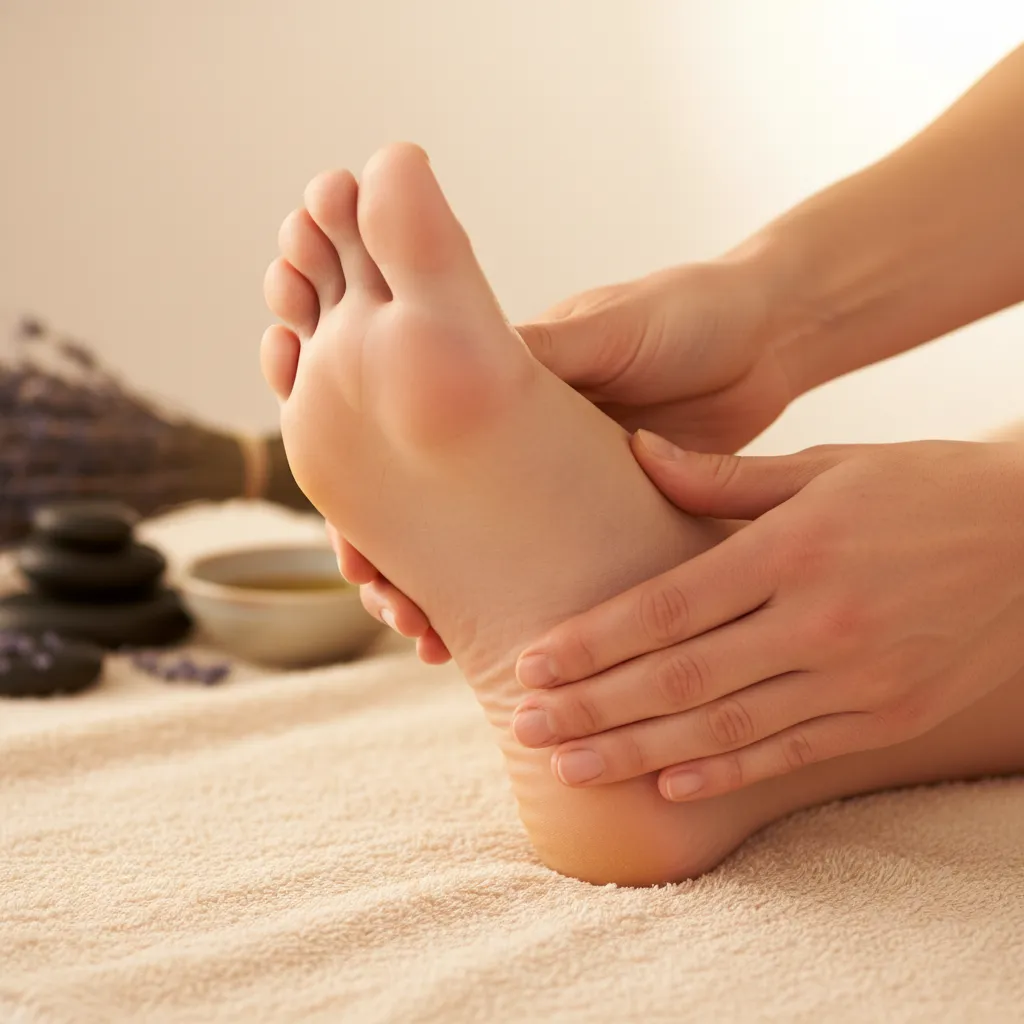
Scientific Evidence Supporting Reflexology Efficacy
While reflexology has a long history of anecdotal success and is embraced by many for its profound benefits, the scientific community continues to explore and quantify its efficacy through research. The challenges in designing rigorous, placebo-controlled studies for a hands-on therapy like reflexology are well-documented, yet a growing body of evidence suggests its positive impact on various physiological and psychological parameters. Understanding the current state of research helps contextualize the benefits experienced by individuals and provides a foundation for its integration into modern healthcare. Reputable institutions and researchers worldwide are contributing to this evolving field, seeking to unravel the mechanisms by which reflexology exerts its therapeutic effects. The increasing interest in complementary and alternative medicine has spurred more rigorous investigation into therapies like reflexology, moving beyond traditional understandings to empirical validation.
Research into Pain and Stress Reduction
Numerous studies have investigated reflexology’s role in pain and stress reduction, often yielding promising results. A systematic review published in the Journal of Complementary Therapies in Clinical Practice, for example, highlighted reflexology’s potential to significantly reduce pain, particularly in cancer patients and individuals with chronic conditions. Researchers propose that reflexology may activate the parasympathetic nervous system, leading to widespread relaxation and a decrease in pain perception. The release of endorphins, the body’s natural analgesics, is also thought to be a key mechanism. Studies have shown significant reductions in anxiety levels and improvements in mood following reflexology sessions, often measured through validated psychological scales and physiological markers like heart rate variability. While larger, more standardized trials are always needed, the consistent findings across various smaller studies provide compelling evidence for reflexology’s role in managing pain and stress.
One notable study, which could be found in a medical journal database like PubMed, might examine the effects of foot reflexology on reducing pain and fatigue in patients with multiple sclerosis, often demonstrating statistically significant improvements in participant-reported outcomes compared to control groups. These studies often focus on patient self-reported symptom scales, offering valuable insights into the lived experience of those receiving treatment.
Studies on Specific Conditions
Beyond general pain and stress, research has also delved into reflexology’s impact on specific health conditions. Studies have explored its effects on digestive issues, sleep disorders, and even conditions like diabetic neuropathy. For instance, some pilot studies have indicated that reflexology can improve symptoms of Irritable Bowel Syndrome (IBS) by reducing abdominal pain and improving bowel regularity. Research on sleep disorders has shown that regular reflexology sessions can lead to improved sleep quality and reduced insomnia severity in various populations, including elderly individuals and those undergoing medical treatments. While these studies are often preliminary and may involve smaller sample sizes, they collectively point towards reflexology’s potential as a supportive therapy for a diverse range of health challenges. The findings often suggest that reflexology helps by modulating nervous system activity and enhancing the body’s homeostatic mechanisms.
Limitations and Future Directions
It is important to acknowledge the limitations in current reflexology research. Methodological challenges, such as the difficulty in blinding participants and practitioners in a hands-on therapy, can affect study design and interpretation. The lack of standardized protocols for reflexology application and the variability in practitioner skill also pose hurdles. However, efforts are underway to address these limitations, with increasing calls for larger, multi-center trials and more sophisticated research designs. Future research aims to further elucidate the neurophysiological mechanisms underlying reflexology’s effects, potentially using advanced imaging techniques and biomarker analysis. As the scientific understanding of body-mind connections deepens, so too will our ability to precisely quantify and explain the benefits of therapies like reflexology, paving the way for its broader acceptance and integration into evidence-based healthcare. The Reflexology Research Project is an excellent resource for staying updated on global research initiatives and findings.
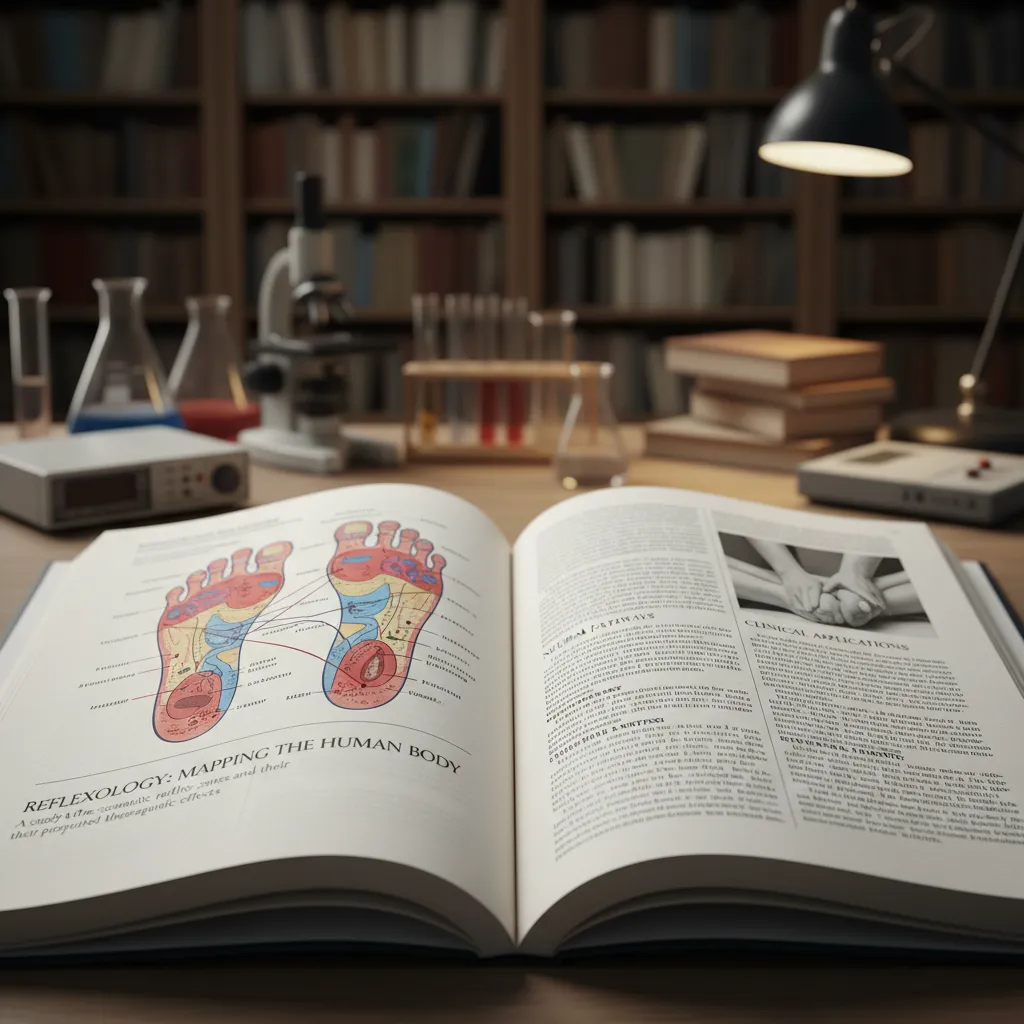
Integrating Reflexology into a Wellness Routine
Incorporating reflexology into your regular wellness routine can be a transformative step towards achieving sustained health and balance. For residents of Auckland, accessing qualified reflexology practitioners is convenient, allowing for consistent treatment that supports long-term well-being. Thinking of reflexology not as a one-off treatment but as an ongoing commitment to your health unlocks its full potential. It’s about proactive self-care and maintaining the body’s natural equilibrium before significant imbalances occur. Just as you might regularly exercise or eat nutritiously, integrating reflexology can become a cornerstone of a holistic approach to health, offering both preventative and restorative benefits. The consistency of treatment allows the body to build upon the benefits of each session, leading to more profound and lasting improvements in health.
Finding a Qualified Reflexologist in Auckland
Choosing the right reflexologist is crucial for a beneficial experience. In Auckland, it’s recommended to seek practitioners who are professionally trained and registered with a recognized body, such as Reflexology New Zealand (RNZ). A qualified reflexologist will have a deep understanding of anatomy, physiology, and the intricate reflex maps of the feet, hands, and ears. Look for practitioners who have good reviews, clear communication, and who conduct a thorough initial consultation to understand your health history and specific needs. Don’t hesitate to ask about their qualifications, experience, and approach to therapy. A good practitioner will create a comfortable and supportive environment, ensuring your reflexology journey is both effective and enjoyable. Many reputable wellness clinics and independent therapists across Auckland offer reflexology, making it accessible to a wide demographic.
Optimizing Your Reflexology Experience
To maximize the benefits of your reflexology sessions, there are several steps you can take. Firstly, communicate openly with your reflexologist about any sensitivities, discomforts, or areas you’d like them to focus on. Hydration is key; drinking plenty of water before and after your session helps to flush out toxins released during the treatment. After a session, allow yourself time to relax and avoid strenuous activities if possible, to let your body fully integrate the healing effects. Regularity is also important; while a single session can be relaxing, a course of treatments often yields more significant and lasting results, especially for chronic conditions. Discuss a personalized treatment plan with your practitioner, considering your health goals and lifestyle. Embracing a mindful approach to your sessions, focusing on your breath and sensations, can also deepen the therapeutic experience.
Complementary Therapies and Lifestyle Choices
Reflexology works synergistically with other wellness practices and healthy lifestyle choices. Combining it with a balanced diet, regular exercise, adequate sleep, and stress-reduction techniques like meditation or yoga can amplify its positive effects. For instance, if you’re using reflexology for pain management, integrating gentle stretching or therapeutic exercises can further support muscle health. If you’re addressing sleep issues, establishing a consistent bedtime routine alongside reflexology can enhance sleep quality. Many Auckland wellness centres offer a range of complementary therapies, such as massage, acupuncture, or naturopathy, which can be explored in conjunction with reflexology to create a truly holistic health plan. By viewing reflexology as one vital component of a broader wellness strategy, you can cultivate a resilient body and mind, leading to optimal health and vitality.
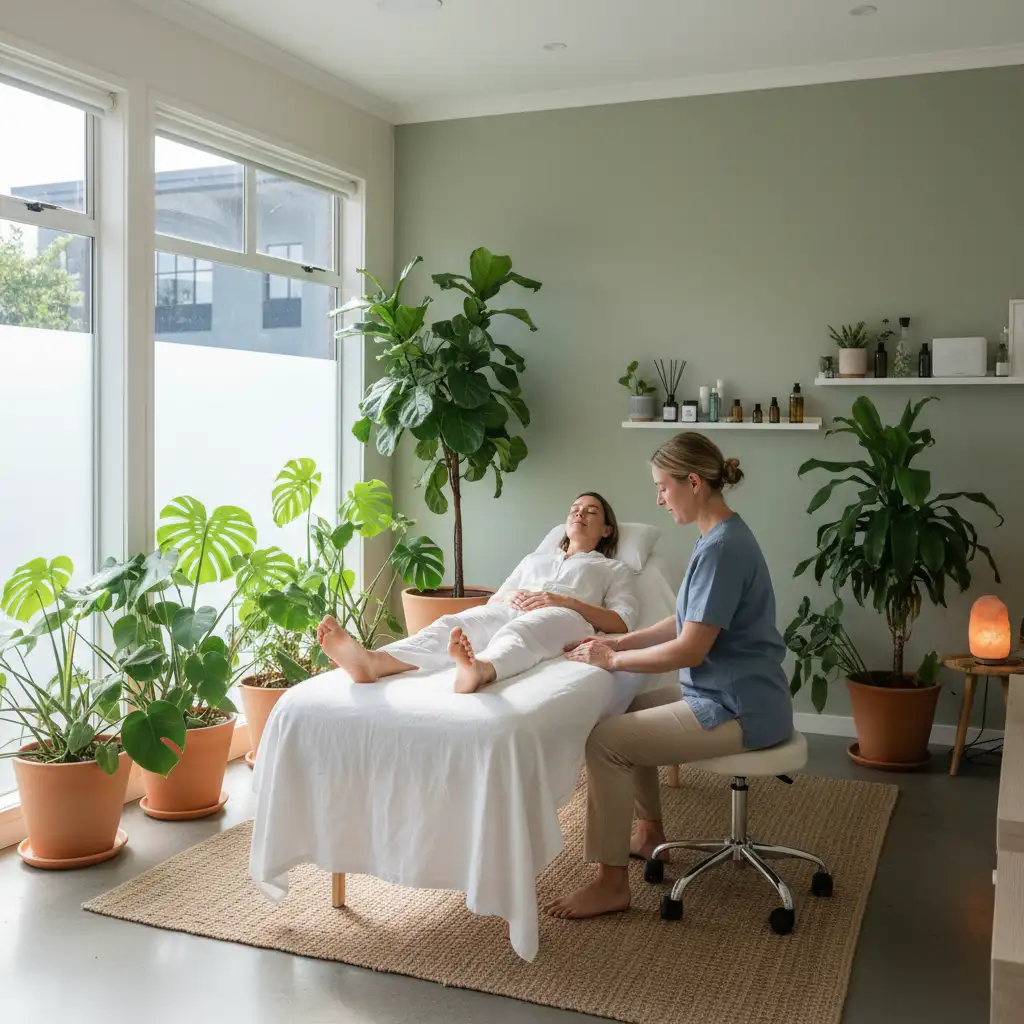
Conclusion
Reflexology offers a powerful, non-invasive pathway to enhanced well-being, addressing a spectrum of physical and emotional needs. From profound stress reduction and improved circulation to targeted relief for specific health conditions, its holistic benefits are increasingly recognized and sought after. For those in Auckland, access to skilled practitioners makes integrating this ancient therapy into a modern wellness routine both practical and rewarding. While scientific research continues to evolve, anecdotal evidence and preliminary studies consistently highlight its efficacy as a complementary therapy. Embracing reflexology can be a significant step towards fostering your body’s innate healing capabilities, promoting balance, and cultivating a life of greater health and vitality.
People Also Ask
What specific health conditions can reflexology help with?
Reflexology can help alleviate symptoms of various conditions, including digestive disorders (like IBS and constipation), headaches and migraines, sleep disorders (insomnia), hormonal imbalances (PMS, menopausal symptoms), and can support individuals managing anxiety and depression.
How often should one get reflexology sessions in Auckland to see benefits?
The frequency of reflexology sessions depends on individual needs and conditions. For chronic issues, weekly sessions may be recommended initially, gradually reducing to bi-weekly or monthly maintenance sessions. For general wellness and stress reduction, monthly or quarterly sessions are often sufficient. Your Auckland reflexologist can create a personalized plan.
Is reflexology painful, particularly when addressing sensitive areas?
Reflexology should not be painful. While some points might feel tender or sensitive, indicating an imbalance in the corresponding body area, the pressure should always be within a comfortable range. A skilled reflexologist adjusts their technique to ensure comfort while still providing effective stimulation. Communicate any discomfort during the session.
Are there any side effects or contraindications for reflexology?
Reflexology is generally very safe with minimal side effects, which might include light-headedness, increased urination, or emotional release. Major contraindications include deep vein thrombosis, severe open wounds on the treatment area, or immediately after surgery without medical clearance. Always inform your practitioner of your full medical history.
How does reflexology in Auckland differ from a regular foot massage?
Unlike a regular foot massage, which focuses on muscle relaxation, reflexology is a therapeutic practice based on the principle that specific points on the feet correspond to organs and systems in the body. Reflexologists use precise techniques to stimulate these points to promote healing and balance throughout the entire body, not just the feet.
Can pregnant women safely receive reflexology treatments?
Reflexology can be very beneficial during pregnancy for easing discomforts like morning sickness, back pain, and swelling. However, it’s crucial to seek a reflexologist specifically trained in maternity reflexology, especially during the first trimester. Always inform your practitioner that you are pregnant, and consult with your healthcare provider beforehand.