
To prepare for reflexology, focus on comfort, proper hydration, and clear communication with your therapist. This preparation ensures you gain maximum benefit from your session, allowing for deep relaxation and a more effective treatment tailored to your specific needs and health goals, particularly when seeking practitioners in Auckland.
What to Wear for Your Reflexology Session
Preparing your attire for a reflexology appointment is simpler than you might imagine, yet crucial for your comfort and the effectiveness of the session. The primary goal is to ensure unhindered access to your feet and lower legs, allowing the therapist to work efficiently without any discomfort or obstruction. Choosing the right clothing will significantly enhance your relaxation and overall experience, making your first venture into reflexology in Auckland a positive one.
The Importance of Loose and Comfortable Clothing
Opt for clothing that is loose-fitting and made from breathable fabrics. Think soft cotton trousers, track pants, or even a comfortable skirt. The reason for this is twofold: firstly, tight clothing, especially around the waist or ankles, can restrict circulation and create pressure points, counteracting the relaxing effects of reflexology. Secondly, a reflexologist needs easy access to your feet and ankles, often working up to the calf area. Loose clothing can be easily pushed up or adjusted without causing you to feel exposed or uncomfortable.
Avoid tight jeans, restrictive leggings, or anything that might dig into your skin. Your body should feel free to relax completely. Many people choose to wear their most comfortable loungewear, almost as if preparing for a calming evening at home. This mindset contributes to the overall therapeutic atmosphere of the session.
Footwear and Accessories: Less is More
When it comes to footwear, think practical and easy to remove. Sandals, slip-on shoes, or comfortable trainers are ideal. You’ll be asked to remove your shoes and socks before the session begins, so anything that requires a struggle or intricate laces can add unnecessary stress. Consider bringing a fresh pair of socks if you prefer, especially if you’ve been on your feet all day, as cleanliness is appreciated by your therapist.
As for accessories, it’s best to keep them minimal. Remove any tight jewellery from your ankles or wrists. While most reflexology focuses on the feet, some techniques might involve gentle work on the hands or lower arms, and jewellery can get in the way or become uncomfortable. Hair ties can be useful for long hair, keeping it out of the way so you can fully immerse yourself in the experience without distraction.
Layering for Optimal Body Temperature
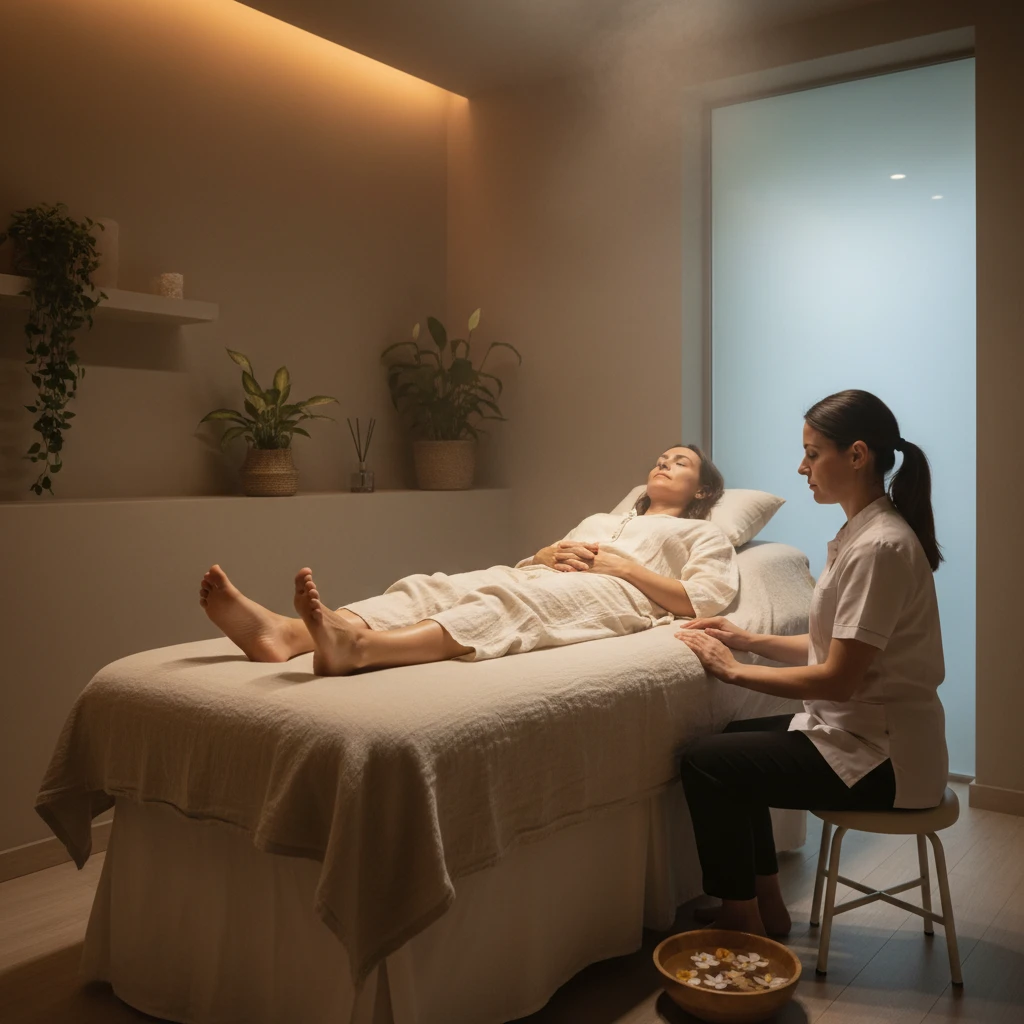
Therapy rooms maintain different temperatures, and your body temperature might fluctuate during a session as you relax deeply. Consider wearing layers that you can easily add or remove. A light cardigan, a shawl, or a long-sleeved top over a t-shirt can provide flexibility. Many clinics, particularly in Auckland, are well-equipped with blankets, but having your own adaptable clothing ensures you remain at your most comfortable throughout the entire appointment.
Being too cold can lead to muscle tension, while being too warm can cause restlessness. The ability to adjust your clothing allows you to focus solely on the treatment and its benefits, rather than external distractions like temperature.
Streamlining Before Your Session
Beyond jewellery, consider leaving unnecessary items like large handbags or cumbersome jackets in a designated area provided by the clinic. This helps keep the treatment space clear and uncluttered, contributing to a calm environment. The less you have to worry about before settling onto the treatment couch, the more readily you can enter a state of deep relaxation.
Hydration and Dietary Considerations Before Reflexology
Just as important as what you wear is what you consume before your reflexology session. Your body’s internal state significantly influences how it responds to treatment. Proper hydration and mindful eating can optimize your energy levels, aid detoxification processes, and enhance the overall therapeutic effects of reflexology.
The Power of Hydration: Before and After
Drinking plenty of water before your appointment is highly recommended. Hydrated cells and tissues are more receptive to therapeutic touch, and it aids in the body’s natural processes of waste elimination. Aim to drink a good amount of water throughout the day leading up to your session, but avoid over-hydrating right before, which might lead to an urgent need to use the restroom during your treatment. A good rule of thumb is to be well-hydrated without feeling bloated.
Crucially, continue to hydrate after your session. Reflexology can stimulate the release of toxins from the body. Water helps flush these toxins out, preventing potential post-treatment side effects such as headaches or fatigue. Many practitioners in Auckland will emphasize the importance of post-session water intake.
Mindful Eating: What to Consume and Avoid
A heavy meal right before your reflexology session can divert your body’s energy to digestion, potentially making you feel sluggish and less able to relax fully. It’s best to have a light meal or snack 1-2 hours prior to your appointment. Think easily digestible foods like fruit, a light salad, or a small sandwich. Avoid anything that might cause indigestion, bloating, or excessive fullness.
Similarly, it’s wise to limit or avoid caffeine and alcohol on the day of your treatment. Caffeine can make you feel jittery and restless, hindering relaxation. Alcohol can dehydrate you and also interfere with the body’s natural responses to therapeutic work. The goal is to be in a calm, balanced state, and these substances can disrupt that equilibrium.

Sustaining Your Well-being Post-Session
The benefits of reflexology often extend beyond the treatment room. Continuing to drink water throughout the day after your session supports your body’s continued healing and detoxification. Consider herbal teas as well, which can further aid in relaxation and gentle cleansing. Listen to your body; if you feel thirsty, drink. If you feel tired, rest. This mindful approach amplifies the positive impact of your reflexology experience.
Optimizing Energy for a Responsive Body
The foods you eat directly influence your energy levels and how your body responds to therapeutic stimuli. A diet rich in whole foods, fruits, and vegetables provides essential nutrients that support overall well-being. Avoiding processed foods, excessive sugars, and unhealthy fats in the hours leading up to your session can ensure your body is in an optimal state to receive and integrate the healing benefits of reflexology. A well-nourished body is a more receptive body.
Arriving Early for a Relaxed Reflexology Start
The moments leading up to your reflexology session are just as vital as the treatment itself. Rushing can elevate stress levels, making it harder to relax once you’re on the therapy couch. Arriving early provides a crucial buffer, allowing you to transition from the demands of your day to a state of calm and readiness. This pre-session relaxation is key to unlocking the full potential of your reflexology experience.
The Benefits of a Stress-Free Arrival
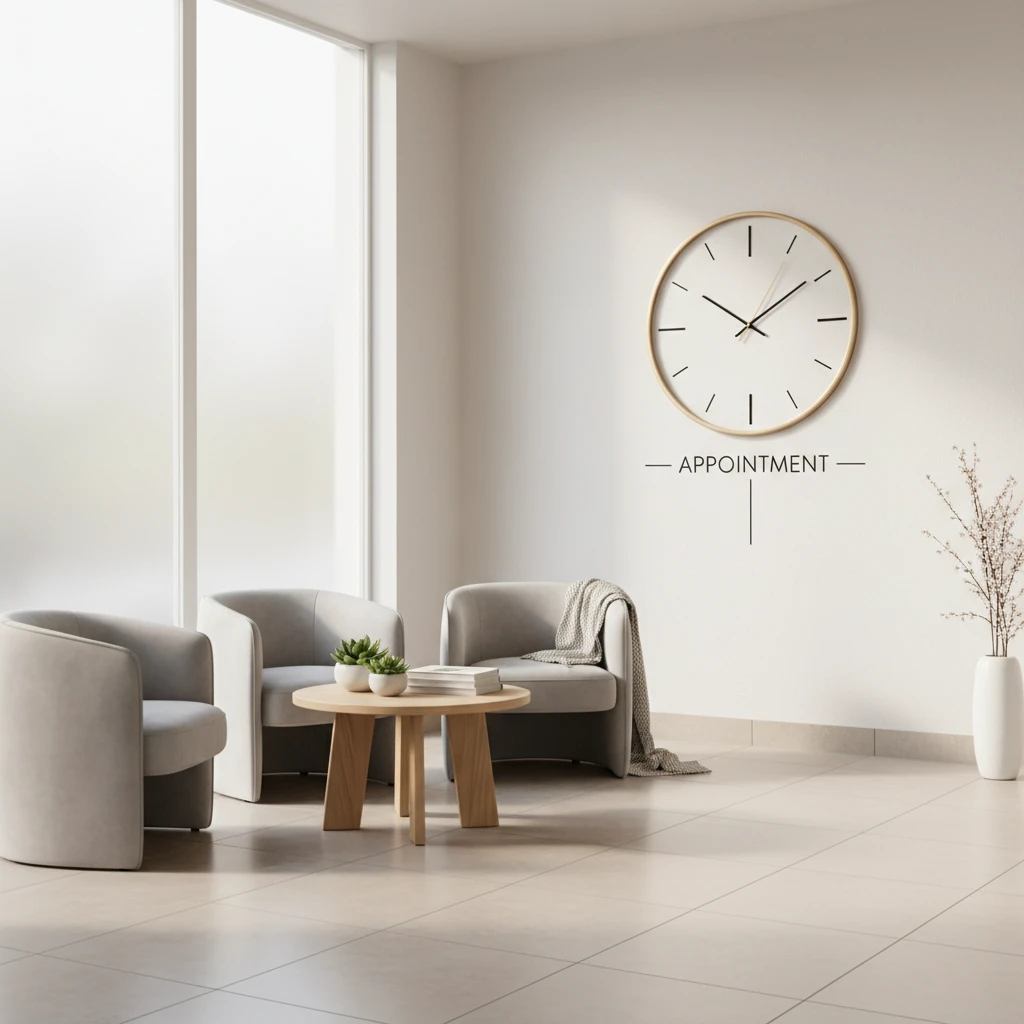
Give yourself ample time to travel to the clinic, account for potential traffic in Auckland, and find parking. Arriving with minutes to spare can mean a hurried walk, elevated heart rate, and a mind still buzzing with external stressors. Instead, aim to arrive 10-15 minutes before your scheduled appointment. This allows you to check in, use the restroom, and simply sit quietly for a few moments.
Many reflexology clinics design their waiting areas to be serene and welcoming. Take advantage of this space to take a few deep breaths, clear your mind, and mentally prepare for relaxation. This transition period helps your nervous system settle, making it easier for your body to respond positively to the therapeutic touch of reflexology.
Paperwork and Pre-Consultation
For your first appointment, there will often be some initial paperwork to complete. This typically includes a client intake form detailing your health history, current concerns, lifestyle, and any medications you are taking. Arriving early ensures you have sufficient time to fill this out thoroughly and accurately without feeling rushed. This information is critical for your reflexologist to tailor the session specifically to your needs and ensure your safety and comfort.
Some practitioners also allocate a short pre-consultation chat before the hands-on work begins. This is an opportunity to discuss your expectations, any specific areas of concern, or simply to get to know your therapist. An early arrival facilitates this important initial dialogue, setting a strong foundation for a productive session.
Cultivating Inner Peace Before Treatment
Think of the time before your session as a mini-meditation. Put your phone on silent, close your eyes for a moment, and focus on your breath. This deliberate act of slowing down signals to your body that it’s time to shift gears from active engagement to passive receptivity. A calm mind translates to a calm body, allowing for deeper engagement with the reflexology treatment and enhancing its therapeutic effects.
Familiarizing Yourself with the Space
For some, visiting a new place can be a source of mild anxiety. Arriving early allows you to familiarize yourself with the clinic’s layout, locate restrooms, and feel comfortable in your surroundings. This small step can significantly reduce any subconscious apprehension, paving the way for a more relaxing and beneficial experience, especially if you’re exploring new wellness clinics in Auckland.
Communicating Your Needs to the Reflexologist
Effective communication with your reflexologist is perhaps the most vital aspect of preparing for and benefiting from your session. Your therapist is there to support your well-being, but they are not mind readers. Openly sharing information about your health, comfort levels, and preferences ensures the treatment is personalized, safe, and maximally effective. This collaborative approach forms the cornerstone of a successful therapeutic relationship.
Honesty About Your Health History and Concerns
During the initial consultation, be completely honest and thorough about your health history. This includes any chronic conditions, recent injuries, surgeries, allergies, or medications you are currently taking. Even seemingly minor details can be relevant. For instance, if you have sensitive feet, neuropathy, or specific areas of pain, your therapist needs to know this to adjust their technique accordingly. Reflexology is generally safe, but certain conditions might require modifications or could be contraindicated for specific areas.
Do not hesitate to mention any specific goals you have for the session, whether it’s stress reduction, pain relief for a particular ailment, or simply a desire for deep relaxation. The more information your reflexologist has, the better they can tailor the treatment to address your unique needs.
Expressing Comfort and Pressure Preferences During the Session
During the hands-on part of the session, your comfort is paramount. Don’t be shy about speaking up if the pressure is too strong, too light, or if you experience any discomfort. A skilled reflexologist will often check in with you, but it’s your responsibility to provide immediate feedback. Remember, this is your session, and it should feel good and beneficial to you.
Similarly, if you find a particular area of your foot or hand to be especially sensitive or, conversely, particularly effective in eliciting a response, share that observation. This real-time communication allows the therapist to refine their approach and ensure the treatment remains within your comfort zone while still being therapeutically effective.
The Importance of a Full Health Disclosure
Withholding information about your health can lead to less effective treatment or, in rare cases, adverse reactions. For example, if you are pregnant, have a pacemaker, or have severe circulatory issues, certain reflex points might need to be avoided or approached with extreme caution. Your reflexologist is a trained professional committed to your safety; providing a complete picture of your health enables them to provide the best possible care. This is particularly important when engaging with professional reflexology services in Auckland, where practitioners adhere to high standards of care.
Active Participation in Your Treatment
Consider your communication as an active partnership. It’s not about complaining, but about co-creating the most effective therapeutic experience. If you are someone who prefers silence during a session for deeper relaxation, simply mention it. If you enjoy quiet conversation, that’s also fine. Establishing these boundaries and preferences upfront contributes significantly to a positive and rewarding reflexology experience.
What to Expect During Your Reflexology Appointment
Once you’re prepared, it’s helpful to have a general idea of what actually happens during a reflexology session. While each therapist has their unique style, the core experience is usually consistent. You’ll typically lie comfortably on a massage table or recliner, fully clothed except for your shoes and socks.
Your reflexologist will begin by gently cleansing your feet, then apply a small amount of lotion or oil to facilitate their work. They will then use their thumbs and fingers to apply pressure to specific reflex points on your feet (and sometimes hands or ears). These points correspond to different organs, glands, and systems in the body. The pressure can vary from light to firm, and you might experience sensations ranging from a pleasant ache to tingling or simply deep relaxation. It’s common to feel very calm, and many people even drift off to sleep. The session usually lasts between 45 to 60 minutes.
Essential Post-Reflexology Care
The care you give yourself immediately after your reflexology session is just as important as the preparation. Your body will continue to process the treatment for hours, if not days, afterward. Prioritizing rest and hydration will help you maximize the benefits and minimize any potential post-treatment effects.
Hydration and Rest: Your Best Allies
As mentioned earlier, drinking plenty of water post-session is crucial. It supports the detoxification process that reflexology can initiate, helping your body flush out metabolic waste and promoting cellular health. Herbal teas, especially soothing blends like chamomile or peppermint, can also be beneficial.
Equally important is rest. While some people feel energized after reflexology, others might experience a sense of deep tiredness or even a ‘healing crisis,’ which can manifest as mild fatigue, headaches, or increased emotional sensitivity. These are generally temporary and indicate that your body is working to rebalance itself. Listen to your body’s signals. If you feel tired, take it easy, avoid strenuous activities, and allow yourself to rest. Consider scheduling your first appointment when you have a relaxed evening or day ahead.
Observing and Reflecting
Pay attention to how your body feels in the hours and days following your treatment. You might notice subtle shifts in your energy levels, sleep patterns, digestion, or emotional state. Keeping a brief mental note or even a small journal can help you track these changes and provide valuable feedback for future sessions with your Auckland reflexologist. For further information on the broader principles of reflexology, you might find resources from the Reflexology New Zealand Inc. website helpful.
Understanding the Broader Benefits of Reflexology
While preparing for your appointment sets the stage for a positive experience, it’s also valuable to understand the wider benefits that regular reflexology can offer. This ancient practice, rooted in the belief that specific points on the feet, hands, and ears correspond to different parts of the body, aims to promote holistic healing.
Beyond immediate relaxation, reflexology is often sought for its potential to reduce stress, improve circulation, alleviate pain, and enhance overall well-being. By stimulating nerve endings and encouraging the body’s natural healing mechanisms, it can help restore balance and vitality. Many individuals report improved sleep, reduced anxiety, and a greater sense of calm and clarity after consistent sessions. It’s a gentle yet powerful complementary therapy that supports the body’s inherent ability to heal and maintain equilibrium. A comprehensive overview of reflexology and its documented effects can be found on authoritative sources like Wikipedia.
People Also Ask
What should you not do before reflexology?
Before reflexology, avoid heavy meals, alcohol, and excessive caffeine. Also, try to avoid rushing to your appointment, as arriving stressed can hinder your ability to relax during the session. It’s best to be well-hydrated but not overly full, and in a calm state of mind.
Do you take clothes off for reflexology?
No, you generally do not need to take your clothes off for reflexology. You will remain fully clothed, typically lying on a massage table or recliner. You’ll only need to remove your shoes and socks to allow the therapist access to your feet and lower legs.
Is it good to drink water after reflexology?
Yes, it is highly recommended to drink plenty of water after reflexology. Hydration helps to flush out toxins that may have been released during the session and supports the body’s natural healing and rebalancing processes, reducing potential side effects like headaches or fatigue.
Can you eat before a reflexology appointment?
It’s generally advised to have a light meal or snack 1-2 hours before your reflexology appointment. Avoid heavy meals right before, as your body will be busy digesting, which can make it harder to relax fully during the session. Easily digestible foods are best.
What sensations should I expect during reflexology?
During reflexology, you might experience various sensations, including a pleasant ache, tingling, warmth, or coolness. Some areas might feel more sensitive or tender, indicating an imbalance in the corresponding body part. Overall, the experience is typically deeply relaxing, and many people report feeling calm or even falling asleep.
How often should I get reflexology?
The frequency of reflexology sessions depends on your individual needs and goals. For acute issues, weekly sessions might be recommended initially. For general wellness and maintenance, bi-weekly or monthly appointments are common. Your reflexologist can provide personalized recommendations based on your progress and health objectives.