
Postnatal reflexology in Auckland is a holistic complementary therapy specifically designed to support new mothers through the physical and emotional changes after childbirth. It involves gentle pressure applied to specific points on the feet, hands, or ears, aiming to restore balance, accelerate healing, alleviate discomforts, and enhance overall well-being during the crucial postpartum period.
Postnatal Reflexology: A Pathway to Recovery and Well-being
The journey into motherhood is profoundly transformative, bringing immense joy alongside significant physical and emotional demands. For many women in Auckland, the postpartum period, often referred to as the fourth trimester, presents a unique set of challenges as the body recovers from childbirth and adapts to the responsibilities of caring for a newborn. Postnatal reflexology emerges as a deeply supportive and non-invasive therapy, offering a nurturing space for new mothers to find solace and facilitate their healing process. Unlike conventional treatments, reflexology works with the body’s innate healing capabilities, targeting specific reflex points that correspond to various organs, glands, and body parts to restore equilibrium. It’s a dedicated time for self-care that is often overlooked but vitally important for maternal well-being.
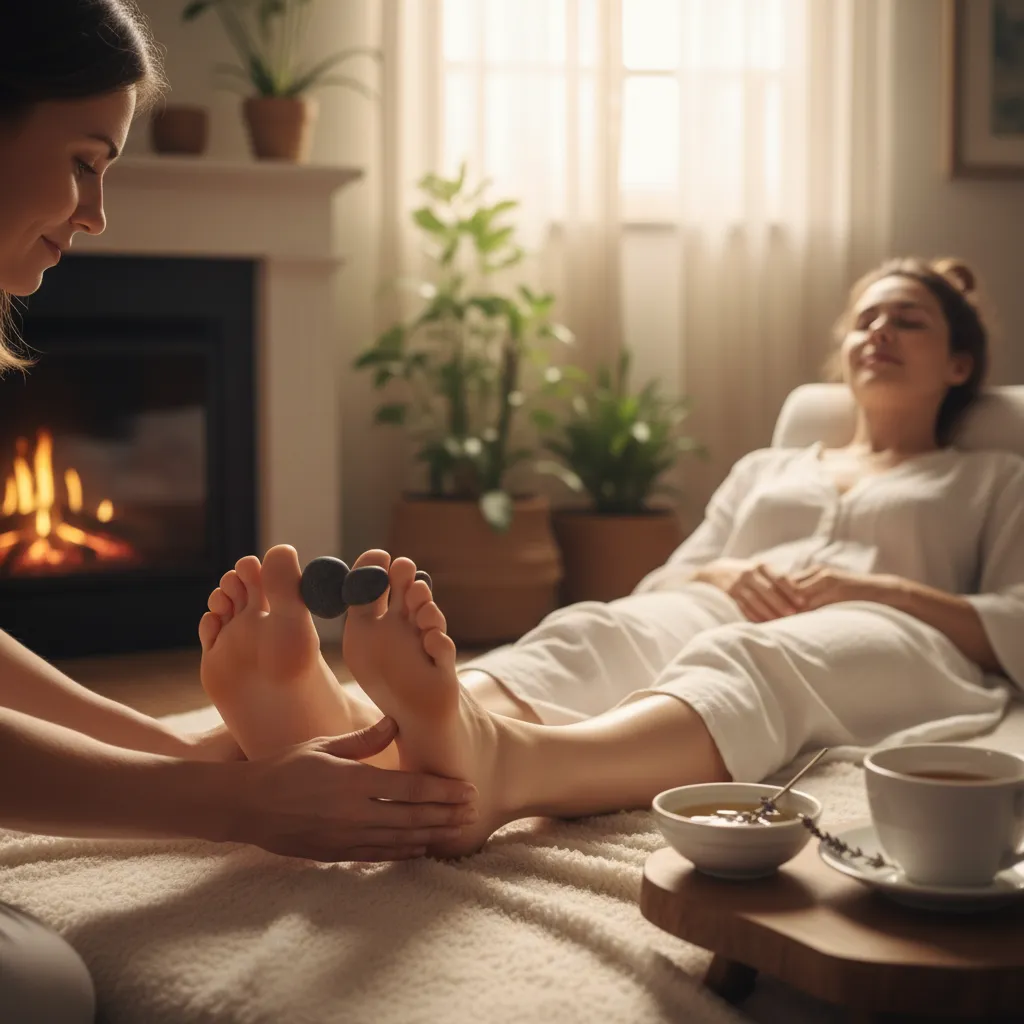
What is Postnatal Reflexology?
Postnatal reflexology is a specialized form of reflexology tailored to the unique needs of women after childbirth. Building on the ancient principles of reflexology, which suggest that specific points on the feet, hands, and ears are connected to various body systems, postnatal sessions focus on supporting the recovery from pregnancy and labor. It’s not just about relaxation; it’s about stimulating circulation, promoting detoxification, balancing hormones, and easing the physical and emotional strains of new motherhood. Practitioners in Auckland understand the delicate nature of the postpartum body and adapt their techniques to be gentle yet effective, providing a safe haven for healing.
Understanding the Benefits of Postnatal Reflexology
The benefits of incorporating postnatal reflexology into a new mother’s recovery plan are extensive and holistic. From aiding the physical recovery of the uterus and pelvic floor to providing much-needed emotional support, reflexology addresses a wide spectrum of postpartum needs. It helps in managing pain, reducing swelling, improving sleep quality, and alleviating stress and anxiety, which are common experiences for new parents. Moreover, it can play a crucial role in supporting lactation and energy levels, offering a gentle boost when a mother feels depleted. The focused attention during a session allows the body to shift into a parasympathetic state, promoting deep rest and regeneration, which is fundamental for healing and coping with the demands of infant care.
Aiding Postpartum Recovery and Hormonal Balance
The postpartum body undergoes a remarkable transformation, reversing the physiological changes of pregnancy and recovering from the monumental effort of childbirth. This period is characterized by significant hormonal shifts as the body adjusts from a pregnancy-sustaining state to a non-pregnant state, often accompanied by the onset of lactation. Postnatal reflexology offers a gentle yet powerful way to support these complex processes, helping the body to re-establish its natural rhythm and balance. By targeting specific reflex points associated with the endocrine system, reproductive organs, and lymphatic system, reflexology can facilitate a smoother, more efficient recovery journey for mothers in Auckland.
Facilitating Physiological Healing and Tissue Repair
Childbirth, whether vaginal or via C-section, places immense stress on the body. Reflexology can assist in the healing of various tissues and organs, including the uterus, perineum, and abdominal muscles. Specific techniques can help stimulate blood flow to these areas, promoting cellular repair and reducing inflammation. This increased circulation not only aids in physical healing but also supports the body’s natural processes of involution (the shrinking of the uterus back to its pre-pregnancy size). For mothers recovering from a Caesarean birth, reflexology can be carefully applied to help manage pain and discomfort around the incision site once it is healed, enhancing the overall healing trajectory.
Rebalancing Postpartum Hormones
The dramatic drop in pregnancy hormones (estrogen and progesterone) immediately after birth, coupled with the surge in prolactin for breastfeeding, can create a rollercoaster of emotions and physical symptoms. Reflexology can help support the endocrine system, particularly the pituitary and adrenal glands, which are crucial for hormone regulation. By encouraging a balanced hormonal environment, reflexology can mitigate symptoms like mood swings, anxiety, and fatigue often associated with postpartum hormonal fluctuations. This gentle intervention aims to help the body find its new hormonal equilibrium more harmoniously, fostering a sense of stability during a time of immense change.
Supporting Lymphatic Drainage and Reducing Swelling
Many women experience residual swelling (edema) in their legs, feet, and hands after birth, a common occurrence due to fluid retention during pregnancy and the birthing process. Reflexology techniques can stimulate the lymphatic system, which is responsible for draining excess fluids and toxins from the body. Enhanced lymphatic drainage helps reduce swelling, alleviates discomfort, and supports the immune system. For new mothers, particularly those who have had IV fluids during labor, this can provide significant relief and contribute to a feeling of lightness and improved circulation.
Reducing Stress and Promoting Deep Relaxation
The initial weeks and months following childbirth are often characterized by sleep deprivation, constant demands, and a profound shift in identity. The emotional landscape can be volatile, with new mothers navigating feelings of overwhelm, anxiety, and sometimes even isolation. In this demanding environment, finding moments of deep relaxation is not a luxury but a necessity for mental and emotional resilience. Postnatal reflexology provides a dedicated sanctuary for this, offering a unique opportunity to unwind, de-stress, and reconnect with oneself amidst the beautiful chaos of new parenthood. The specific, rhythmic pressure applied during a session is inherently calming, initiating the body’s natural relaxation response.
Calming the Nervous System Amidst New Parenthood
The sympathetic nervous system, responsible for our ‘fight or flight’ response, is often overactive in new mothers due to ongoing stress and lack of sleep. Postnatal reflexology actively engages the parasympathetic nervous system, promoting a state of ‘rest and digest.’ This shift helps to lower heart rate, reduce muscle tension, and decrease the production of stress hormones like cortisol. Regular sessions can train the body and mind to respond more calmly to daily stressors, creating a more peaceful internal environment. For mothers in Auckland, integrating reflexology can be a powerful tool for navigating the relentless demands of newborn care with greater equanimity.
Enhancing Emotional Well-being and Mood Regulation
Emotional fluctuations are a hallmark of the postpartum period. While the ‘baby blues’ are common, some mothers may experience more persistent feelings of anxiety, sadness, or overwhelm. Reflexology can support emotional processing and mood regulation by promoting a sense of calm and release. It offers a safe, non-judgmental space for mothers to simply ‘be’ and allow emotions to surface and dissipate. This therapeutic touch can be incredibly grounding, helping to alleviate feelings of being overwhelmed and fostering a greater sense of emotional stability. Many women report feeling lighter, more positive, and better equipped to handle the emotional demands of motherhood after a session.
Improving Sleep Quality and Restorative Rest
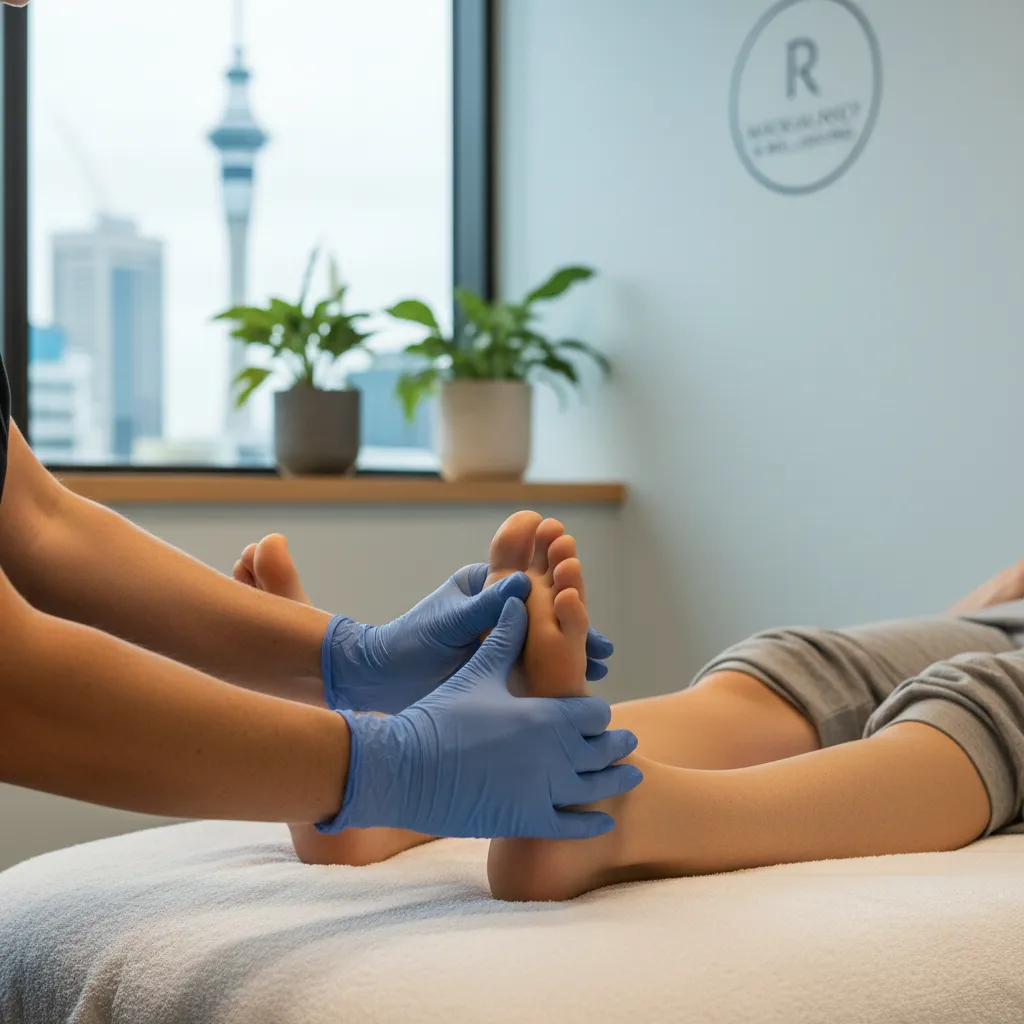
Sleep deprivation is almost an inevitable part of new parenthood, but the quality of sleep a mother does get is crucial for her recovery and mental health. By inducing a state of deep relaxation, postnatal reflexology can significantly improve sleep quality. Even short naps or periods of rest feel more restorative after a session, as the body and mind are better able to switch off and enter a deeper state of relaxation. This improved ability to rest can have a ripple effect, enhancing energy levels, mood, and overall coping mechanisms for new mothers. Prioritizing rest through therapies like reflexology helps mitigate the cumulative effects of fragmented sleep.
Supporting Lactation and Restoring Energy Levels
Breastfeeding, while a natural process, can present its own set of challenges and demands on a new mother’s body and energy reserves. The physiological requirements for producing milk, coupled with interrupted sleep and the constant care of an infant, can leave mothers feeling utterly depleted. Postnatal reflexology offers a unique supportive role in this aspect of postpartum recovery, helping to optimize the conditions for successful lactation and providing a much-needed boost to flagging energy levels. By stimulating specific reflex points, it aims to enhance the body’s capacity to nourish both mother and baby.
Boosting Lactation and Breastfeeding Journey
While not a direct lactation aid in itself, reflexology can indirectly support breastfeeding by promoting relaxation, reducing stress, and improving circulation, all of which are conducive to milk production. Stress is a known inhibitor of the let-down reflex, and by calming the nervous system, reflexology can help facilitate a smoother milk flow. Specific reflex points corresponding to the mammary glands and endocrine system can be gently stimulated to encourage balance and support the hormonal processes involved in lactation. For mothers experiencing difficulties or simply wanting to ensure a robust supply, reflexology can be a complementary therapy to their breastfeeding journey.
Combating Postnatal Fatigue and Boosting Vitality
Postnatal fatigue is a pervasive issue, often underestimated in its severity. The sheer exhaustion can impact every aspect of a new mother’s life. Reflexology works to combat this by improving energy flow throughout the body. By enhancing circulation and stimulating the release of endorphins, sessions can leave mothers feeling more revitalized and less drained. While it cannot replace sleep, it can optimize the body’s ability to utilize the rest it does get, leading to a profound sense of renewed vitality. This energetic rebalancing is crucial for maintaining the stamina required for daily newborn care and for a mother’s own mental and physical health.
Integrating Reflexology with Nutritional Support
For optimal recovery and sustained energy, reflexology is most effective when integrated with good nutritional practices. The therapy can help the body absorb nutrients more efficiently by improving digestive function and circulation. A reflexologist in Auckland might also offer gentle advice on hydration and nutrient-rich foods that support postpartum healing and energy. Combining the benefits of targeted reflexology with a wholesome diet creates a powerful synergy for recovery, ensuring the mother has all the internal resources necessary to thrive and care for her baby. For comprehensive guidance on postpartum nutrition, consulting resources like the New Zealand Ministry of Health’s advice on healthy eating after birth can be highly beneficial.
Addressing Common Postnatal Discomforts
Beyond the systemic changes and emotional shifts, new mothers often contend with a range of specific physical discomforts that arise from pregnancy, labor, and the demands of caring for a newborn. These can significantly impact their quality of life and ability to enjoy this special time. Postnatal reflexology offers a natural and gentle approach to alleviate many of these common aches, pains, and digestive issues. By focusing on the corresponding reflex points, a qualified practitioner in Auckland can target areas of congestion or imbalance, promoting relief and restoring comfortable function.
Alleviating Back and Pelvic Pain
Back and pelvic pain are extremely common postpartum complaints, often resulting from altered posture during pregnancy, the physical strain of labor, and the repetitive movements of holding, lifting, and feeding a baby. Reflexology can help release tension in the back and pelvic areas by working on the spinal and pelvic girdle reflex points on the feet. This can improve flexibility, reduce stiffness, and alleviate discomfort, making it easier for new mothers to move, nurse, and carry their infants without undue strain. The therapy encourages muscle relaxation and improved blood flow to the affected regions, facilitating natural pain relief.
Managing Digestive Issues and Constipation
Digestive upset, including constipation and sluggish bowels, is a frequent issue after childbirth, influenced by hormonal changes, dietary shifts, and pain medication. Reflexology can stimulate the digestive system by working on reflex points associated with the intestines, stomach, and other digestive organs. This stimulation can encourage peristalsis, promote regular bowel movements, and alleviate bloating and discomfort. A balanced digestive system is not only crucial for comfort but also for nutrient absorption and overall energy levels during postpartum recovery.
Relief from Headaches and Migraines
Hormonal fluctuations, sleep deprivation, stress, and dehydration can all contribute to an increase in headaches and migraines for new mothers. Reflexology offers a non-pharmacological approach to help manage these symptoms. By inducing deep relaxation and working on head and neck reflex points, reflexology can alleviate tension that often triggers headaches. Improved circulation and stress reduction also play a role in reducing the frequency and intensity of migraines, offering welcome relief without the need for medication that might interfere with breastfeeding.
Supporting Mental Health: Anxiety and Postpartum Depression
While not a substitute for professional medical or psychological treatment, reflexology can be a valuable complementary therapy in supporting mental health during the postpartum period. The profound relaxation induced by reflexology helps to reduce general anxiety and can improve mood. For mothers experiencing symptoms of postpartum depression, the regular, nurturing touch and dedicated self-care time offered by reflexology can provide significant emotional comfort and a sense of being supported. It fosters a space for emotional release and can enhance resilience, working in conjunction with other professional support systems.
Choosing a Qualified Reflexologist in Auckland
When seeking postnatal reflexology in Auckland, the choice of practitioner is paramount to ensure a safe, effective, and beneficial experience. The postpartum body requires a gentle, knowledgeable approach, and a qualified reflexologist will have specific training and experience in treating new mothers. It’s not just about finding someone with general reflexology skills; it’s about finding a specialist who understands the nuances of postpartum recovery, hormonal shifts, and the emotional landscape of new motherhood. Taking the time to research and select a reputable practitioner will ensure you receive the highest standard of care.
Key Considerations: Qualifications and Experience
Look for a reflexologist who holds recognized qualifications from an accredited institution and is a member of a professional body, such as the Reflexology New Zealand Association. This assures a standard of training and adherence to ethical guidelines. Crucially, inquire about their specific experience with postnatal clients. A practitioner with expertise in this niche will understand contraindications, adaptations needed for C-section recovery, and how to best support lactation and hormonal balance. They should be able to articulate their approach and demonstrate a deep understanding of the unique challenges faced by new mothers.
Reading Client Testimonials and Reviews
Before committing to a practitioner, take the time to read testimonials and reviews from other mothers. Genuine feedback can provide invaluable insight into a reflexologist’s approach, effectiveness, and the overall client experience. Look for comments that highlight qualities such as gentleness, empathy, knowledge, and the tangible benefits clients experienced, such as improved sleep, reduced pain, or enhanced well-being. This can offer a realistic expectation of what you might experience and help you find someone whose style aligns with your needs.
The Importance of a Supportive Clinic Environment
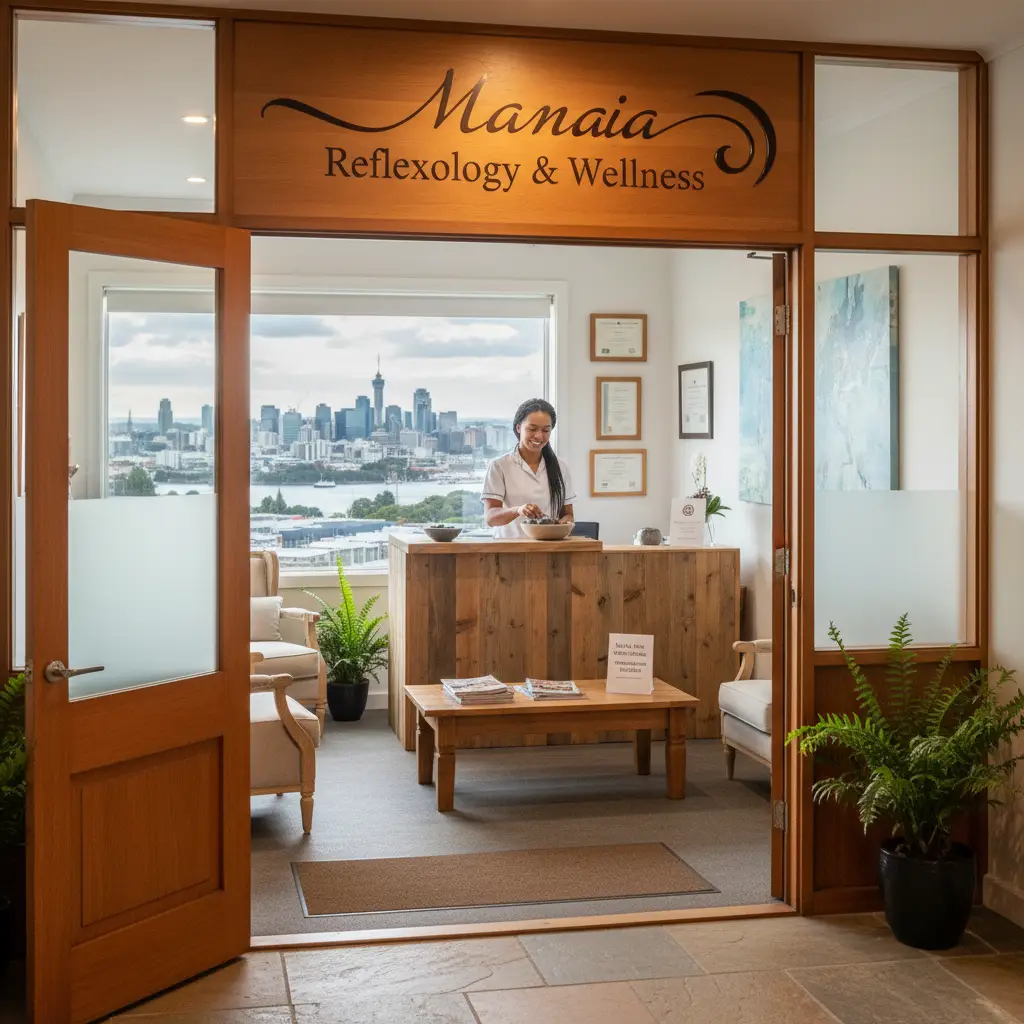
The physical environment of the clinic plays a significant role in your ability to relax and benefit from the session. Look for a space that is clean, calming, and offers a sense of privacy and tranquility. Considerations such as comfortable seating, soothing ambiance, and the availability of facilities (like a comfortable place to feed your baby if needed) can greatly enhance your experience. A professional and supportive environment contributes to the overall therapeutic effect, making it easier for new mothers to fully surrender to the relaxation and healing process. Discussing these practicalities during an initial consultation can be very helpful.
Conclusion: Embracing Postnatal Reflexology for a Smoother Transition
The postpartum period is a delicate and demanding phase, yet it is often one where a mother’s own needs are sidelined. Postnatal reflexology offers a powerful, holistic, and much-needed intervention for recovery and well-being after birth. For new mothers in Auckland, it provides a dedicated space for profound relaxation, aiding physical healing, balancing fluctuating hormones, alleviating common discomforts, and providing crucial emotional support. By choosing a qualified and experienced reflexologist, mothers can embrace this ancient therapy to navigate the complexities of their postnatal journey with greater ease, energy, and emotional equilibrium. Investing in postnatal reflexology is an investment in your health, ensuring you have the strength and vitality to thrive as you embrace the beautiful, challenging adventure of motherhood. It’s a vital step towards holistic recovery, fostering a smoother transition into this new chapter of life.
People Also Ask
When is the best time to start postnatal reflexology after birth?
Many mothers can start postnatal reflexology as soon as they feel ready after birth, often within the first week or two. For Caesarean births, it’s generally recommended to wait until the incision has healed and any stitches are removed, usually around 4-6 weeks, though a gentle approach can be taken on areas away from the incision sooner with practitioner discretion. Always consult your healthcare provider and reflexologist to determine the safest time for you.
Is postnatal reflexology safe for breastfeeding mothers?
Yes, postnatal reflexology is generally considered safe for breastfeeding mothers. It is a non-invasive therapy and can even support lactation by promoting relaxation and hormonal balance, which can positively impact milk supply and let-down. Ensure your reflexologist is aware you are breastfeeding, and they will adapt the session accordingly.
How often should I have postnatal reflexology sessions?
The frequency of postnatal reflexology sessions can vary depending on individual needs and recovery goals. Many mothers benefit from weekly sessions for the first few weeks or months postpartum, gradually reducing to bi-weekly or monthly as they feel stronger and more balanced. Your reflexologist will recommend a personalized treatment plan based on your specific circumstances.
What specific postnatal discomforts can reflexology help with?
Postnatal reflexology can help alleviate a range of common discomforts, including back pain, pelvic pain, headaches, migraines, constipation, digestive issues, and fluid retention (swelling). It also supports emotional well-being, helping to reduce anxiety, stress, and mood fluctuations often associated with the postpartum period.
How do I find a qualified postnatal reflexologist in Auckland?
To find a qualified postnatal reflexologist in Auckland, look for practitioners who are members of professional organizations like Reflexology New Zealand. Inquire about their specific training and experience with postpartum clients. Reading client testimonials and reviews can also provide insight into their expertise and the quality of their care.
Can reflexology help with postpartum depression?
While reflexology is not a cure for postpartum depression (PPD) and should not replace professional medical or psychological treatment, it can be a beneficial complementary therapy. The deep relaxation and stress reduction it provides can help improve mood, reduce anxiety, and foster a sense of emotional well-being, supporting mothers as they navigate PPD alongside other professional interventions. Always seek professional help for PPD.