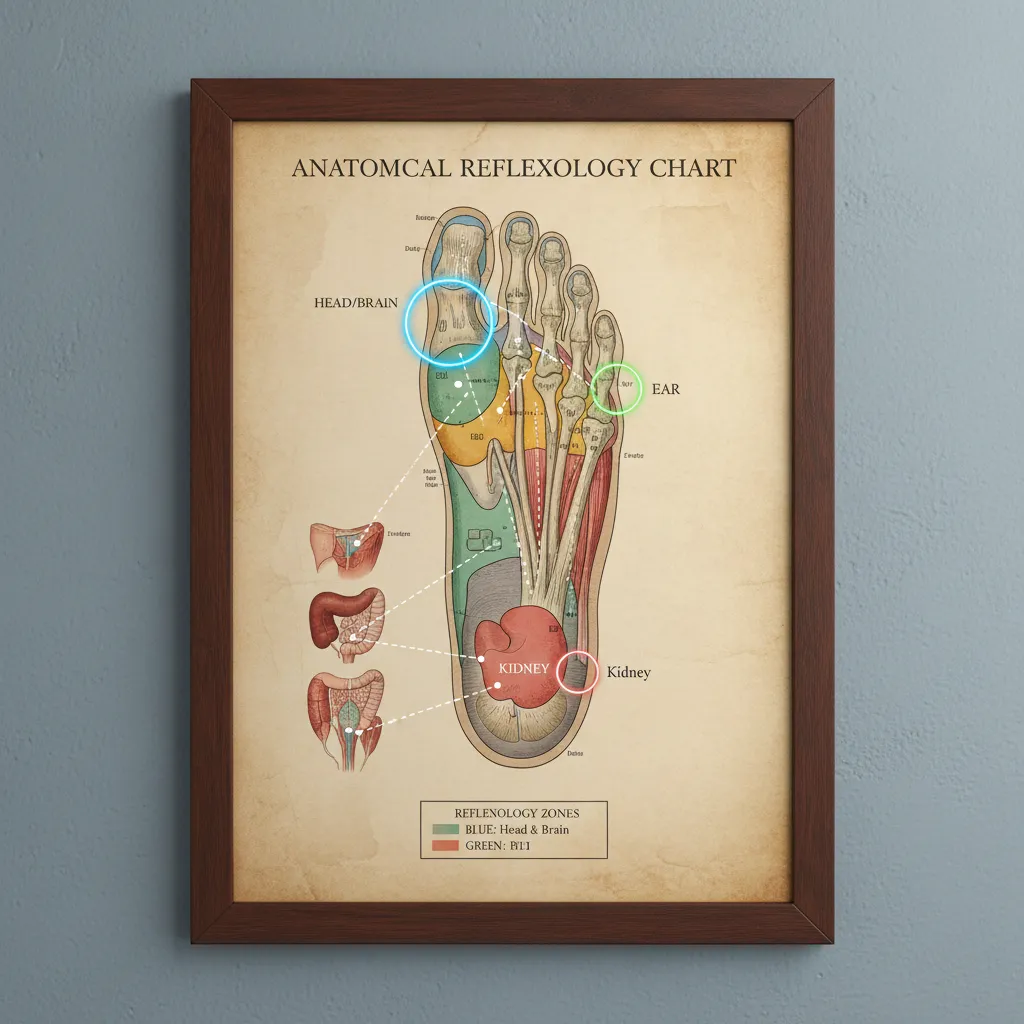
Reflexology for dizziness involves applying targeted pressure to specific zones on the feet and hands—primarily the inner ear, brain, and cervical spine reflexes—to restore vestibular balance. By stimulating these nerve endings, practitioners aim to improve blood flow to the head, reduce neck tension, and alleviate the disorienting sensations of vertigo naturally.
Dizziness, vertigo, and lightheadedness are not merely physical inconveniences; they are deeply unsettling experiences that can strip away your sense of security. Whether caused by inner ear infections, Meniere’s disease, benign paroxysmal positional vertigo (BPPV), or simple stress, the sensation that the world is spinning around you can be debilitating. While modern medicine offers pharmaceutical interventions, many individuals are turning to holistic health practices to manage symptoms without side effects.
Reflexology, an ancient therapeutic practice rooted in Traditional Chinese Medicine (TCM) and modern zone theory, offers a compelling, non-invasive approach to managing these symptoms. By understanding the intricate map of the body reflected on the feet and hands, you can access the body’s internal healing mechanisms to stabilize your equilibrium.
Understanding the Connection: How Reflexology Helps Dizziness
To understand how reflexology for dizziness works, one must first accept the premise of zone therapy. The body is divided into ten vertical zones, five on each side, running from the head to the toes. Every organ, gland, and body part corresponds to a specific reflex point on the feet or hands. When these points are stimulated through massage and pressure, it sends a signal through the peripheral nervous system to the central nervous system, prompting a relaxation response and improved circulation in the corresponding area.
Dizziness is often a result of mixed signals between the eyes, the inner ear, and the sensory nerves. Reflexology aims to clear the neural pathways associated with these areas. It is not a cure for structural damage, but it is a powerful tool for symptom management. The primary mechanism involves:
- Reducing Sympathetic Dominance: Dizziness often triggers a “fight or flight” response. Reflexology shifts the body into a parasympathetic state (rest and digest), calming the anxiety that exacerbates vertigo.
- Enhancing Blood Flow: By targeting the neck and head reflexes, reflexology encourages oxygen-rich blood to reach the brain and inner ear.
- Releasing Muscular Tension: Cervicogenic dizziness is caused by tight neck muscles restricting nerves. Reflexology can remotely relax these muscles.
According to the National Institutes of Health (NIH), complementary therapies like reflexology are increasingly recognized for their ability to manage symptoms in chronic conditions by modulating the autonomic nervous system.
Anatomy of Balance: The Vestibular System Support
The vestibular system, located within the inner ear, is the body’s balance center. It consists of three semicircular canals filled with fluid and hair-like sensors that detect rotational movement. When this system is inflamed or disrupted (as in Labyrinthitis or Meniere’s), the brain receives chaotic signals.
In reflexology, the goal is to energetically support the vestibular system. We do not manipulate the ear physically; rather, we manipulate the reflex of the ear. This is particularly useful when the ear is too painful to touch due to infection. By working the corresponding foot zones, we aim to reduce inflammation and promote drainage of excess fluid that may be affecting the semicircular canals.
Key Reflexology Points for Dizziness and Vertigo
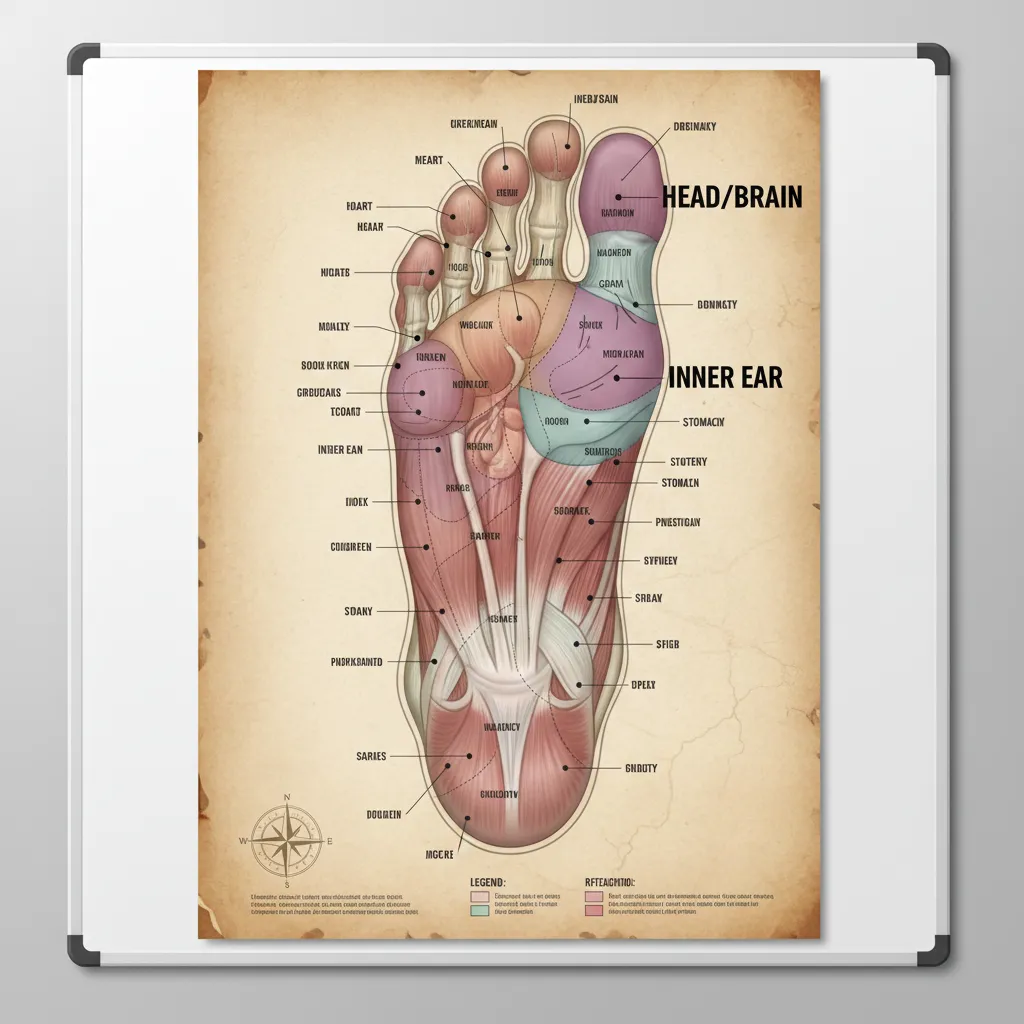
To effectively utilize reflexology for dizziness, you must locate and manipulate specific points with precision. The following areas are critical for restoring balance.
1. The Inner Ear Reflex Points
This is the most critical point for vertigo. The reflex for the inner ear is located on the dorsal aspect (top) of the foot. Specifically, you will find it in the webbing between the fourth toe and the little toe. Tenderness in this area often correlates with ear congestion or balance issues.
Technique: Use your index finger or thumb to apply firm, circular pressure in the webbing between the fourth and fifth toes. You can also use a “pinching” motion, holding the top and bottom of the foot at this junction. Hold for 30 seconds, release, and repeat.
2. The Head and Brain Reflexes
Since the brain processes the signals for balance, keeping the head reflex clear is vital. The pads of the big toes correspond to the brain and head. Stimulating this area can help with the “brain fog” or cognitive dissonance that often accompanies severe dizziness.
Technique: Walk your thumb over the entire pad of the big toe. Pay close attention to the very tip of the toe, which relates to the pituitary gland and overall endocrine balance.
3. The Cervical Spine (Neck) Reflexes
Tension in the neck restricts blood flow to the head and is a leading cause of dizziness (cervicogenic vertigo). The reflex for the spine runs along the medial (inner) edge of the foot. The cervical spine (neck) is located specifically at the base of the big toe, in the area where the toe joins the foot.
Technique: Support the foot with one hand. With the other thumb, use a caterpillar-walk motion along the base of the big toe, moving from the side of the toe down toward the arch. If you feel “crunchy” deposits (crystals), work this area gently but persistently.
Grounding Techniques for Dizziness
When you feel dizzy, you essentially feel “unrooted.” Grounding reflexology techniques are designed to pull your energy down from your head toward your feet, re-establishing a sense of stability.
The Solar Plexus Point
The solar plexus is a dense network of nerves in the abdomen, often called the “abdominal brain.” In reflexology, this point is the master switch for relaxation. It is located in the center of the ball of the foot, right under the second and third toes.
Technique: Press your thumb deeply into this point while inhaling slowly. As you exhale, slightly rotate your thumb. This calms the nervous system and reduces the panic associated with vertigo attacks.
Heel Work for Stability
The heels correspond to the pelvic area and the root chakra in energy medicine. Heavy, firm pressure on the heels can provide a sensation of physical grounding.
Technique: Cup the heel of the foot with your entire hand. Squeeze firmly and hold. You can also use a closed fist to gently percussion (tap) the bottom of the heel to stimulate bone-to-bone vibration, which signals the brain to recognize the ground.
Improving Circulation to the Head
Insufficient blood flow to the vestibular system or the brainstem can trigger dizziness. Reflexology aims to optimize the cardiovascular loop.
The Heart Reflex
On the left foot, the heart reflex is located on the ball of the foot, below the big toe and second toe. Stimulating this area encourages strong, rhythmic pumping of blood.
The Diaphragm Line
Proper breathing is essential for oxygenation. The diaphragm reflex line runs horizontally across the foot, just below the ball of the foot. A tight diaphragm leads to shallow breathing, which can worsen lightheadedness.
Technique: Walk your thumb horizontally across the foot from the medial to lateral edge, following the natural curvature under the metatarsal heads. This helps “open” the chest and encourages deeper breaths.
Hand Reflexology: Relief on the Go
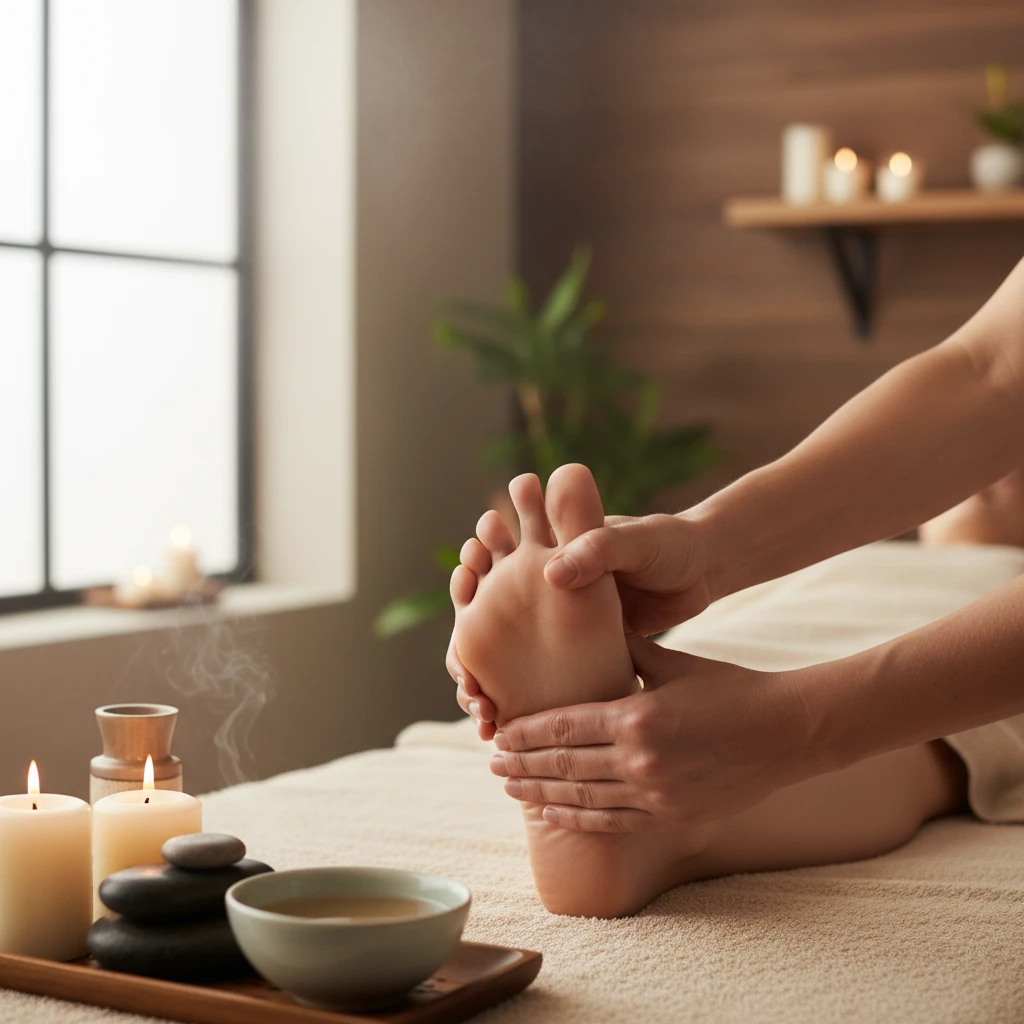
You cannot always take your shoes off to treat dizziness, especially if an episode strikes while you are at work or in public. Hand reflexology is an excellent alternative and focuses on similar zones.
- Inner Ear Point (Hand): Locate the webbing between your ring finger and little finger. Pinch this webbing firmly. This is the direct correspondent to the foot’s inner ear point.
- The Wrist (Balance/Reproductive): The wrist area corresponds to the pelvic region and grounding. Massaging the wrist in a circular motion can help stabilize the body.
- Finger Tips (Sinuses/Head): Squeezing the tips of all fingers helps clear sinus congestion which might be applying pressure to the inner ear.
A Step-by-Step 15-Minute Routine
If you suffer from chronic dizziness, perform this routine every evening before bed. It promotes relaxation and helps reset the vestibular system for the next day.
- Warm-up (2 Minutes): Rub the entire foot vigorously with warm oil or lotion to stimulate general circulation. Rotate the ankles gently in both directions.
- Solar Plexus Reset (1 Minute): Press and hold the solar plexus point on both feet to induce a state of calm.
- Head and Neck Sweep (4 Minutes): Thoroughly work the big toe pads (brain) and the base of the big toes (neck). Spend extra time if you feel tension.
- Inner Ear Focus (4 Minutes): Focus on the top of the foot, between the 4th and 5th toes. Use circular friction. If it is tender, lighten the pressure but continue working.
- Grounding Finish (4 Minutes): Squeeze the heels and finish with a firm massage of the calf muscles (which assist in pumping blood back up to the heart).
Safety, Precautions, and When to See a Doctor
While reflexology is generally safe, it is a complementary therapy, not a replacement for medical treatment. Dizziness can be a symptom of serious underlying conditions, such as stroke, cardiovascular issues, or neurological disorders.
Seek immediate medical attention if your dizziness is accompanied by:
- Sudden, severe headache.
- Chest pain or irregular heartbeat.
- Difficulty speaking or visual disturbances.
- Numbness in the arms or legs.
Furthermore, if you have a history of blood clots or deep vein thrombosis (DVT) in the legs, consult your physician before performing deep tissue work on the legs or feet, as this could dislodge a clot. For more information on the medical causes of vertigo, refer to the Mayo Clinic’s comprehensive guide.
By integrating reflexology for dizziness into your wellness routine, you empower yourself with a tool to manage balance and reclaim your stability naturally.
People Also Ask
How often should I use reflexology for dizziness?
For chronic issues, practicing self-reflexology daily for 10-15 minutes is recommended. If seeing a professional, a weekly session for 4-6 weeks is often suggested to see cumulative results.
Which foot should I massage for vertigo?
You should work on both feet to maintain systemic balance. However, if your vertigo is caused by an issue in a specific ear (e.g., the right ear), you may find the reflex points on the corresponding foot (the right foot) to be more tender and responsive to treatment.
Can reflexology make dizziness worse?
In rare cases, a “healing crisis” can occur where symptoms temporarily intensify as the body releases toxins and rebalances. This usually passes quickly. Ensuring you are well-hydrated after a session helps mitigate this risk.
Where is the pressure point for dizziness on the hand?
The primary pressure point for dizziness on the hand is located in the webbing between the ring finger and the little finger on the back of the hand. This area corresponds to the inner ear reflex.
Can dehydration cause dizziness?
Yes, dehydration lowers blood volume and blood pressure, reducing blood flow to the brain, which causes dizziness. Reflexology should always be paired with adequate water intake for maximum benefit.
Is reflexology safe for BPPV?
Yes, reflexology is safe for Benign Paroxysmal Positional Vertigo (BPPV). While it does not reposition the crystals in the ear (which requires the Epley maneuver), it helps manage the anxiety and nausea associated with the condition.