Reflexology for chronic pain management involves applying pressure to specific reflex points on the feet, hands, or ears, which correspond to different organs and body systems. This therapeutic approach aims to alleviate persistent pain by stimulating the body’s natural healing mechanisms, promoting relaxation, and reducing stress.
Understanding Chronic Pain and Its Impact
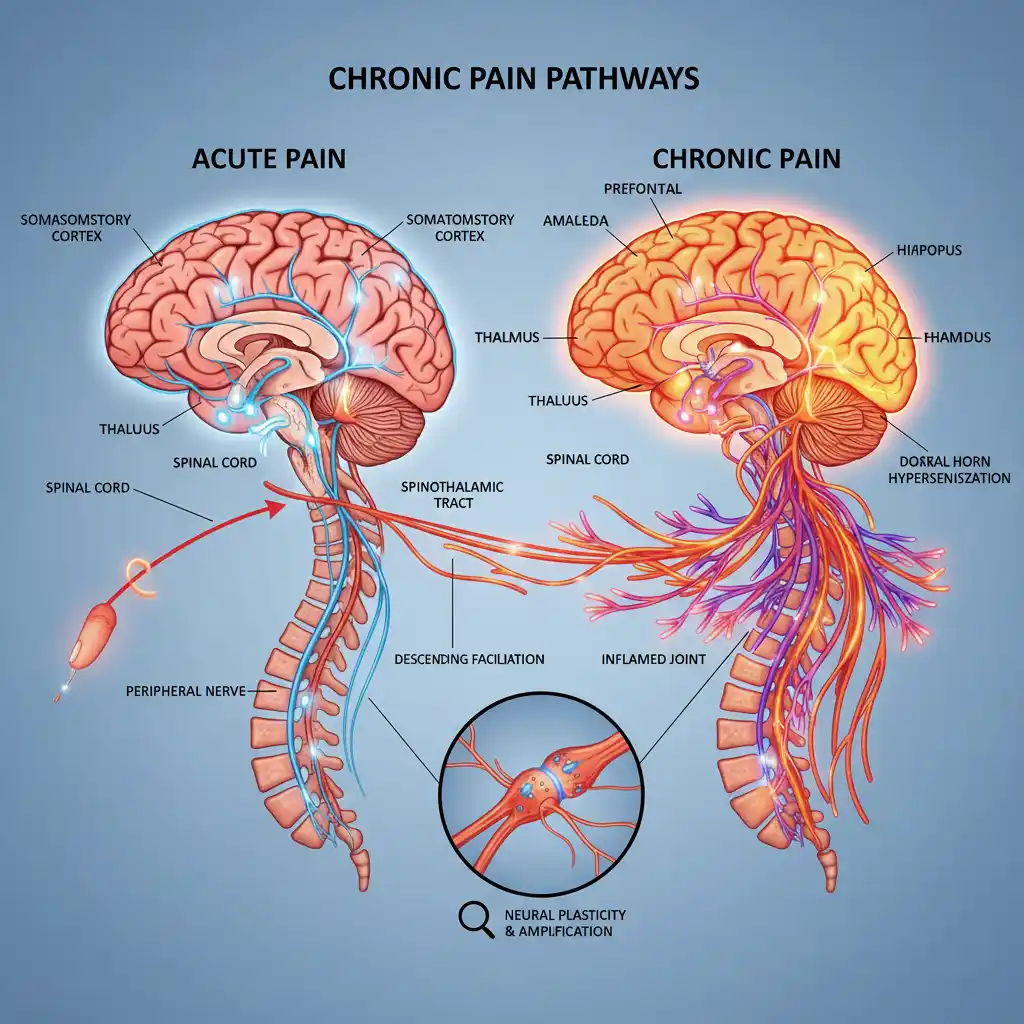
Chronic pain is a pervasive health issue affecting millions worldwide, defined as pain that persists or recurs for more than three months, often beyond the typical healing time for an injury or illness. Unlike acute pain, which serves as a warning signal, chronic pain can become a condition in itself, profoundly impacting an individual’s physical, emotional, and social well-being.
The Pervasive Nature of Persistent Discomfort
The experience of chronic pain is highly individual, varying in intensity, location, and character. It can manifest as a dull ache, throbbing, burning, shooting, or stinging sensation. Common types include chronic back pain, fibromyalgia, neuropathic pain, arthritis-related pain, and recurring headaches or migraines. The mechanisms behind chronic pain are complex, often involving sensitisation of the nervous system, inflammation, and psychological factors.
Beyond the Physical: Emotional and Social Repercussions
Living with chronic pain extends far beyond physical discomfort. It frequently leads to a cascade of emotional challenges, including anxiety, depression, frustration, and feelings of helplessness. The relentless nature of the pain can disrupt sleep patterns, diminish energy levels, and make daily tasks seem insurmountable. Socially, individuals may withdraw from activities they once enjoyed, experience difficulties at work, and face strain in personal relationships, leading to a significant reduction in overall quality of life. Traditional medical approaches often focus on symptom management through medication, physical therapy, or injections, but these may not always provide complete relief and can sometimes carry significant side effects. This necessitates exploring complementary and alternative therapies that can offer additional avenues for managing this debilitating condition.
Reflexology’s Role in Pain Perception and Relief
Reflexology is a non-invasive complementary therapy based on the principle that specific points on the feet, hands, and ears correspond to organs, glands, and other body parts. By applying targeted pressure to these reflex zones, practitioners aim to stimulate the body’s inherent healing capabilities, restore balance, and, critically, alleviate pain.
The Foundational Principles of Reflexology
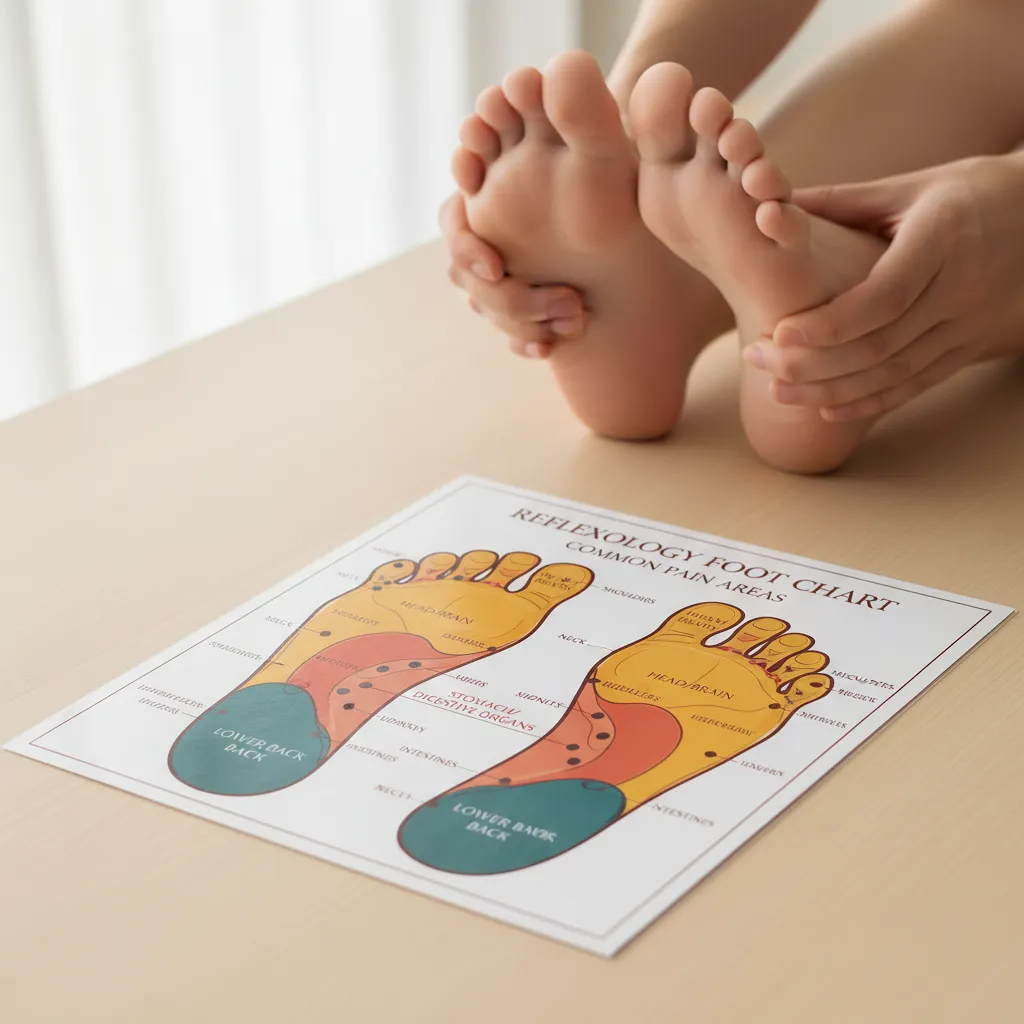
The core concept of reflexology lies in its unique map of the body. For instance, the toes might correspond to the head and neck, the ball of the foot to the chest and lungs, and the heel to the lower back and pelvis. When a reflexologist applies pressure to a specific point, it’s believed to send a signal along nerve pathways to the corresponding body area. This communication aims to clear blockages, improve nerve function, and promote circulation, which are all vital for pain reduction.
How Reflexology Interacts with Pain Mechanisms
While the precise neurological mechanisms are still being researched, several theories explain how reflexology might mitigate pain:
- Nerve Pathway Stimulation: Reflexology may stimulate thousands of nerve endings in the feet, hands, and ears, sending impulses that can interrupt or modulate pain signals traveling to the brain. This can effectively “distract” the nervous system from focusing solely on pain.
- Endorphin Release: The therapeutic touch and relaxation induced by reflexology can trigger the release of endorphins, the body’s natural painkillers. These neurochemicals can reduce the perception of pain and create a sense of well-being.
- Improved Circulation: By enhancing blood flow to various organs and tissues, reflexology can deliver more oxygen and nutrients while aiding in the removal of waste products, including inflammatory mediators that contribute to pain. This improved circulation can reduce swelling and promote tissue repair.
- Stress Reduction and Relaxation: Chronic pain is often exacerbated by stress and tension. Reflexology is profoundly relaxing, activating the parasympathetic nervous system. This “rest and digest” state helps to lower heart rate, reduce muscle tension, and calm the mind, all of which can significantly decrease pain perception. For more information on the physiological effects of reflexology, you can refer to authoritative health resources like Wikipedia’s entry on Reflexology.
- Breaking the Pain-Anxiety Cycle: The cycle of pain leading to anxiety and anxiety exacerbating pain is common in chronic conditions. Reflexology helps break this cycle by reducing anxiety and promoting a state of calm, allowing the body to better cope with pain.
While larger-scale clinical trials are ongoing, many individuals report significant relief from chronic pain symptoms, improved sleep, and enhanced mood after regular reflexology sessions. This anecdotal evidence, coupled with smaller studies, suggests reflexology holds promise as a valuable tool in a holistic pain management strategy.
Targeting Specific Pain Points via Reflex Zones
A skilled reflexologist can tailor a session to address specific chronic pain conditions by focusing on the corresponding reflex zones. Understanding these mappings is crucial for effective treatment, whether administered by a professional or as part of a self-care routine.
Reflexology for Common Chronic Pain Conditions
- Chronic Back Pain: For lower back pain, the heel and ankle areas of the foot are often targeted. The inner edge of the foot corresponds to the spine, making it a key area for addressing spinal discomfort. For upper back and neck pain, the base of the toes and the ball of the foot are worked.
- Headaches and Migraines: The tips of the toes and thumbs, particularly the great toe, correspond to the head and brain. Gentle pressure and circular motions in these areas can help alleviate tension headaches and reduce the frequency or intensity of migraines. Specific points on the pads of the toes can also target sinus pressure often associated with headaches.
- Arthritis and Joint Pain: Reflex points for major joints like knees, hips, and shoulders are found on the feet’s lateral and medial edges, as well as specific areas on the hands. Working these zones can improve circulation to the joints, reduce inflammation, and ease stiffness. For example, the knuckles and finger joints correspond to similar joints in the body.
- Fibromyalgia: This condition involves widespread musculoskeletal pain accompanied by fatigue, sleep, memory, and mood issues. Reflexology focuses on overall relaxation, stimulating endorphins, and working all major organ and gland reflexes to bring the body back into balance. Emphasis is often placed on the solar plexus reflex (just below the ball of the foot) to calm the nervous system.
- Neuropathic Pain: While complex, reflexology can help by improving nerve function and circulation. Specific attention is given to the spinal reflex points and areas corresponding to the affected limbs, aiming to modulate nerve signals and reduce burning or tingling sensations.
Foot, Hand, and Ear Reflexology Charts for Targeted Relief
While foot reflexology is the most common, hand and ear reflexology offer accessible alternatives, particularly for self-care. Hand reflexology is convenient for individuals who cannot easily access their feet or wish for discreet treatment. Ear reflexology (auriculotherapy) is highly potent due to the ear’s dense nerve supply.
- Foot Reflexology: The entire body is mapped onto the soles, tops, and sides of the feet. This rich network makes it highly effective for systemic pain management.
- Hand Reflexology: Similar to the feet, the hands contain reflex points for all body parts. The thumb and fingers correspond to the head and neck, the palm to the trunk, and the wrists to the pelvic area.
- Ear Reflexology: The ear is often described as an inverted fetus, with reflex points corresponding to the entire body. Specific points can be stimulated for acute and chronic pain conditions.
Practical Techniques and Self-Care Tips
While professional sessions are recommended, incorporating simple reflexology techniques into your daily routine can offer ongoing pain relief:
- Thumb Walking: Using your thumb or finger, apply consistent pressure and “walk” across the reflex area in small increments.
- Rotation: Gently rotate your thumb or finger on a specific point in small circles.
- Hook and Backup: Apply pressure with your thumb, hook slightly, and then move back a tiny bit to press again.
- Tools: Small reflexology tools, such as rollers or acupressure rings, can also be used for self-treatment.
Always listen to your body; pressure should be firm but not painful. Consistency is key for achieving lasting results in chronic pain management. For further insights into practical application, the Reflexology Association of America offers resources that underscore the efficacy and techniques involved.
Integrating Reflexology into a Holistic Pain Management Plan
For individuals dealing with chronic pain, a single solution is rarely sufficient. A holistic approach, which combines various therapeutic modalities, often yields the most sustainable and effective results. Reflexology serves as an excellent complementary therapy within such a comprehensive plan, working synergistically with other treatments to enhance overall well-being and pain reduction.
Synergy with Other Therapeutic Modalities
Reflexology’s ability to promote relaxation, reduce stress, improve circulation, and modulate pain perception makes it an ideal partner for other pain management strategies:
- Physiotherapy and Osteopathy: While physiotherapy focuses on movement, strength, and posture, reflexology can help by reducing muscle tension and inflammation, making physical exercises less painful and more effective. It can also improve nerve signaling, complementing the neuromuscular re-education offered by physical therapists.
- Massage Therapy: Both reflexology and massage aim to release tension and improve circulation, but they do so through different mechanisms. Combining them can provide deeper relaxation and more comprehensive relief from muscle soreness and stiffness. Massage directly addresses large muscle groups, while reflexology targets specific reflex pathways.
- Acupuncture: Both therapies are based on the concept of energy pathways (meridians or zones) in the body. While acupuncture uses needles to stimulate points, reflexology uses manual pressure. Used together, they can amplify the body’s natural healing response, particularly in addressing conditions like neuropathic pain or chronic headaches.
- Mindfulness and Meditation: These practices teach individuals to observe and detach from pain sensations. Reflexology, by inducing a deep state of relaxation, can make it easier for individuals to engage with mindfulness techniques, thereby enhancing their ability to manage pain psychologically.
- Nutritional Therapy: Addressing inflammatory responses through diet is crucial for many chronic pain sufferers. Reflexology can support the body’s detoxification processes and overall organ function, potentially making nutritional interventions more effective.
The Importance of a Multidisciplinary Approach
A multidisciplinary pain management team typically includes medical doctors, physical therapists, psychologists, and complementary therapists. Integrating reflexology into this team ensures that the patient’s physical, emotional, and energetic needs are addressed comprehensively. This approach acknowledges that chronic pain is a complex phenomenon influenced by multiple factors, and therefore requires a multi-faceted treatment plan. Regular communication between different practitioners can lead to a more tailored and adaptive strategy, optimising outcomes for the individual.
Consulting with Healthcare Professionals
Before beginning any new treatment, especially for chronic conditions, it is vital to consult with your primary healthcare provider. Reflexology should be considered a complementary therapy, not a replacement for conventional medical care. Discussing your interest in reflexology with your doctor ensures that it aligns with your overall health plan and that any potential interactions or contraindications are considered. A collaborative approach between conventional medicine and complementary therapies like reflexology often offers the best path forward for effective and sustainable chronic pain management.
Case Studies and Testimonials on Pain Management
While scientific research continues to explore the full extent of reflexology’s efficacy in managing chronic pain, anecdotal evidence and individual testimonials provide powerful insights into its potential benefits. These real-world experiences highlight how reflexology has helped numerous individuals reclaim their lives from the grip of persistent pain.
Transformative Experiences: Real-Life Impact
Please note: The following “case studies” are illustrative examples designed to demonstrate the potential benefits of reflexology and are not based on specific verifiable patients. Individual results may vary.
Case Study 1: Alleviating Chronic Lower Back Pain
“Sarah, a 48-year-old marketing professional, had suffered from chronic lower back pain for over a decade, a persistent legacy from a sports injury. She had tried physiotherapy, chiropractic adjustments, and various pain medications, finding only temporary relief. Desperate for a non-pharmacological solution, she began weekly reflexology sessions. Her therapist focused on the spinal reflex points along the inner arch of her feet, as well as kidney and adrenal reflexes to support overall systemic balance. After three months, Sarah reported a significant reduction in pain intensity (from an average of 7/10 to 3/10), improved flexibility, and a remarkable decrease in muscle stiffness. She also found her sleep quality improved dramatically, contributing to an overall sense of well-being she hadn’t experienced in years. She continues with monthly maintenance sessions, finding them essential for keeping her pain at bay.”
Case Study 2: Reducing Migraine Frequency and Severity
“David, a 35-year-old graphic designer, was plagued by debilitating migraines that occurred 2-3 times a month, often lasting for days and severely impacting his work and personal life. He sought reflexology as a stress-reduction technique, hoping it might indirectly help. His reflexologist targeted the reflex points for the head, neck, and brain (primarily on his toes and the pads of his thumbs), alongside general relaxation points like the solar plexus. Over six months of bi-weekly sessions, David noticed a remarkable change: his migraines became less frequent, reducing to once every 6-8 weeks, and their severity significantly lessened. He learned to recognise early warning signs and, through self-applied hand reflexology, could sometimes prevent a full-blown attack, attributing his newfound control to the therapy’s ability to calm his nervous system.”
Case Study 3: Managing Fibromyalgia Symptoms
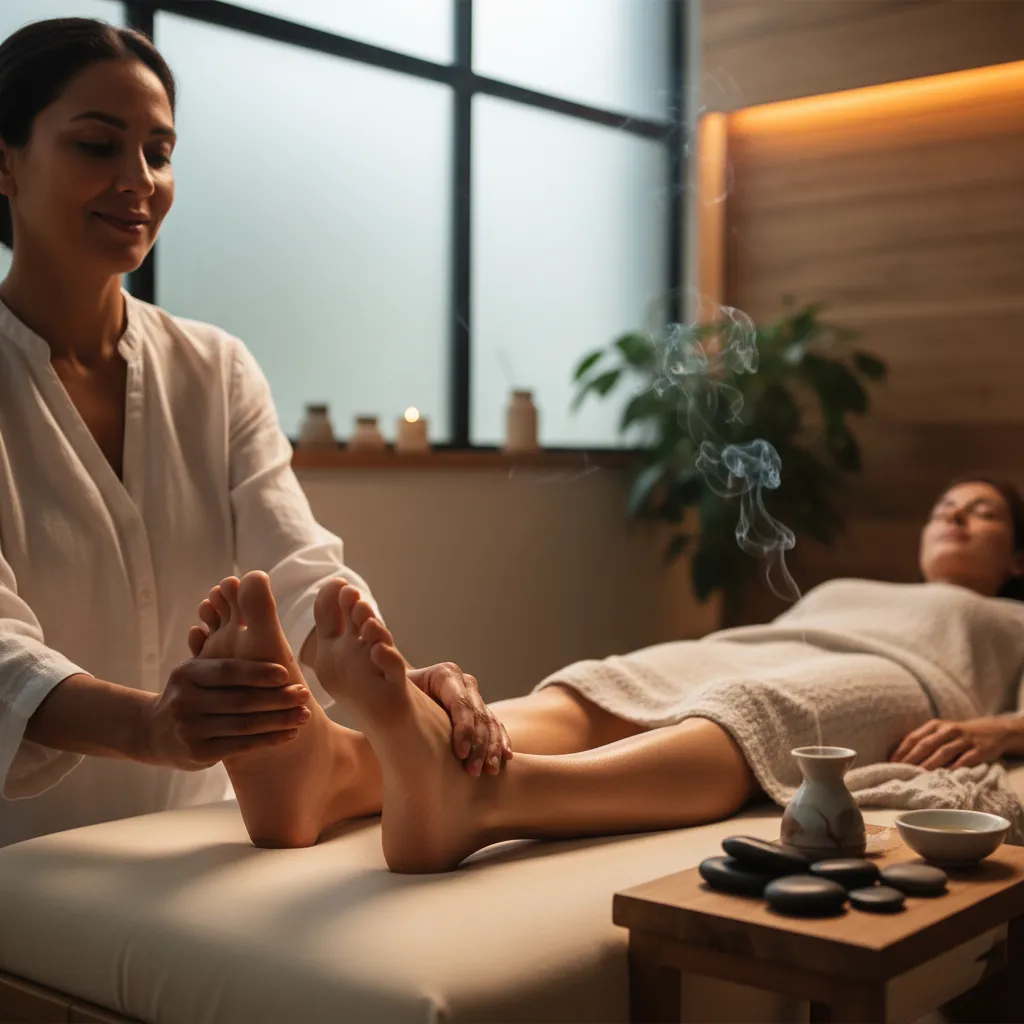
“Eleanor, a 55-year-old retired teacher, had been diagnosed with fibromyalgia five years prior. She experienced widespread pain, chronic fatigue, and cognitive ‘fog.’ Traditional treatments offered limited relief. She approached reflexology with skepticism but an open mind. Her practitioner developed a holistic plan, addressing all major organ and gland reflexes, with particular emphasis on the adrenal glands (stress response), digestive system, and solar plexus for deep relaxation. Eleanor’s sessions, initially weekly and then fortnightly, led to gradual but profound improvements. She reported a noticeable decrease in overall pain sensitivity, an increase in energy levels, and improved sleep. While not a ‘cure,’ reflexology empowered her to better manage her symptoms, reducing her reliance on medication and significantly enhancing her daily quality of life.”
These stories underscore the potential of reflexology as a complementary therapy for chronic pain. While individual responses vary, the consistent theme is a reduction in pain, improved well-being, and a greater sense of control over one’s health. It is often the synergistic effect of relaxation, improved circulation, and nervous system modulation that contributes to these positive outcomes.
Finding a Qualified Reflexologist in Auckland
For those in Auckland seeking to explore reflexology for chronic pain management, finding a qualified and experienced practitioner is paramount. The efficacy and safety of reflexology largely depend on the therapist’s training, expertise, and adherence to professional standards. A reputable reflexologist will not only possess the necessary skills but also understand the nuances of working with chronic pain conditions.
What to Look for in an Auckland Reflexologist
- Accreditation and Certification: Ensure your reflexologist is certified by a recognised training institution. In New Zealand, associations like Reflexology New Zealand (RNZ) often list qualified practitioners. Certification demonstrates that they have met rigorous educational and practical standards.
- Experience with Chronic Pain: Inquire about their experience in working with clients who have chronic pain. A therapist familiar with conditions like fibromyalgia, arthritis, or neuropathic pain will have a better understanding of how to tailor sessions for your specific needs.
- Professional Affiliation: Membership in professional bodies signifies a commitment to ethical practice, continuing education, and adherence to industry standards.
- Client Testimonials and Reviews: While not the sole factor, positive testimonials or referrals can offer insights into a practitioner’s approach and effectiveness.
- Communication and Empathy: A good reflexologist will listen attentively to your concerns, explain the process clearly, and make you feel comfortable. Open communication is key, especially when dealing with sensitive issues like pain.
- Initial Consultation: A thorough initial consultation should include a detailed health history, discussion of your pain, and establishment of your goals for the therapy. This helps the practitioner develop a personalised treatment plan.
The Initial Consultation: Setting Expectations
During your first visit, the reflexologist will conduct a comprehensive intake. This typically involves asking about your medical history, current medications, lifestyle, and, most importantly, the nature and history of your chronic pain. Be prepared to discuss:
- Where your pain is located.
- Its intensity and character (e.g., sharp, dull, burning).
- What exacerbates or alleviates it.
- Any other symptoms you experience (e.g., fatigue, sleep disturbances, mood changes).
- Your expectations and goals for reflexology.
The practitioner should then explain how reflexology works, what you can expect during a session, and outline a proposed treatment plan, including the frequency and number of sessions. They should also clarify that reflexology is a complementary therapy and does not replace medical treatment. Finding the right reflexologist is a crucial step towards incorporating this beneficial therapy into your chronic pain management strategy in Auckland.
People Also Ask
Can reflexology cure chronic pain?
Reflexology is not considered a cure for chronic pain. Instead, it is a complementary therapy that aims to manage symptoms, reduce pain intensity, promote relaxation, and improve overall well-being. It can significantly enhance a person’s ability to cope with chronic pain and reduce reliance on medication, but it typically works best as part of a holistic pain management plan alongside conventional medical care.
How often should I receive reflexology for chronic pain?
The frequency of reflexology sessions for chronic pain varies depending on the individual’s condition, the severity of pain, and their response to the therapy. Initially, weekly or bi-weekly sessions are common to establish a therapeutic effect. Once pain is managed, maintenance sessions may be scheduled monthly or as needed. Your reflexologist will recommend a personalised treatment plan during your initial consultation.
Is reflexology painful when treating chronic pain?
While reflexology involves firm pressure, it should generally not be painful. Some areas corresponding to congested or imbalanced body parts might feel tender or sensitive. This tenderness is often seen as an indicator of an area needing attention. A qualified reflexologist will always work within your comfort level and adjust pressure as needed. The overall experience should be deeply relaxing.
Are there any side effects or contraindications for reflexology?
Reflexology is generally safe for most people. Minor side effects might include temporary lightheadedness, increased thirst, or heightened emotional release, all indicative of the body’s healing response. Contraindications are few but include certain foot injuries, deep vein thrombosis, active infections, or during the first trimester of pregnancy (though some practitioners will treat after the first trimester with caution). Always disclose your full medical history to your reflexologist to ensure a safe and effective treatment.
How does reflexology compare to massage for pain relief?
While both reflexology and massage therapy offer relaxation and pain relief, they operate on different principles. Massage therapy typically involves working directly on muscles and soft tissues to relieve tension and improve circulation. Reflexology, conversely, applies pressure to specific reflex points on the feet, hands, or ears, which are believed to correspond to distant organs and body systems, influencing them through nerve pathways. Both can be highly effective for pain relief and can be used independently or synergistically.
Can I practice self-reflexology for chronic pain?
Yes, self-reflexology can be a beneficial adjunct to professional treatments for chronic pain management. Learning basic hand or foot reflexology techniques can empower you to provide yourself with relief between professional sessions or to address acute flair-ups. Many resources, including books and online guides, offer instructions. However, it’s always recommended to consult with a qualified reflexologist first to understand the proper techniques and specific points relevant to your c. Links: [{“url”:”https://reflexologyauckland.co.nz/?page_id=2399″,”anchor”:”Understanding Reflexology: A Comprehensive Guide”},{“url”:”https://reflexologyauckland.co.nz/?p=2480″,”anchor”:”Different Reflexology Techniques: Zone Therapy vs. Modern Approaches”},{“url”:”https://reflexologyauckland.co.nz/?p=2189″,”anchor”:”Relief for Constipation & Bloating”}]. Return JSON {“newContent”: “”}”}}]}