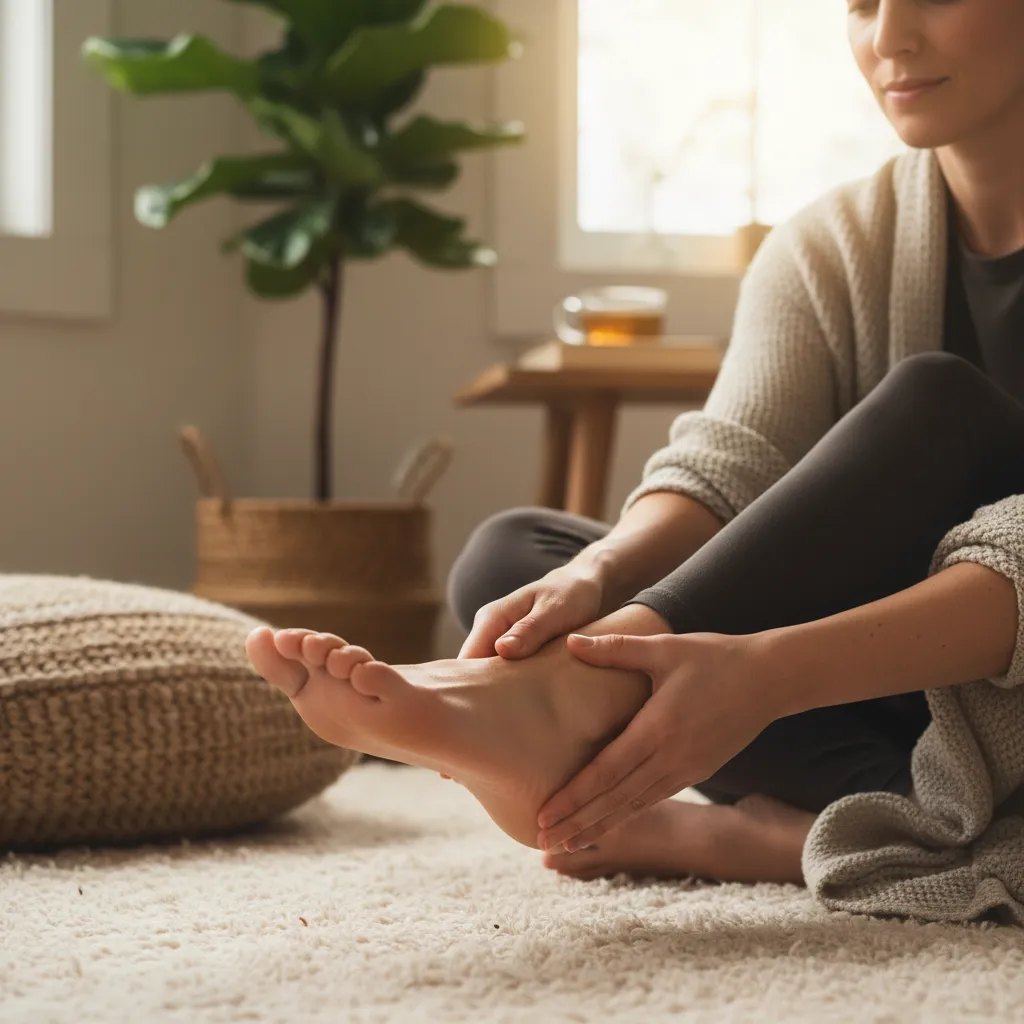
Reflexology and complementary therapies in Auckland involve integrating specific foot reflex zone stimulation with modalities like massage, acupuncture, and chiropractic care to enhance the body’s natural healing processes. This multi-disciplinary approach targets both physical alignment and energetic balance, offering a comprehensive solution for stress relief, pain management, and overall wellness.
The Power of Holistic Integration
In the bustling city of Auckland, the pursuit of health has evolved beyond symptom management into a comprehensive journey toward holistic wellness. Residents are increasingly seeking non-invasive, therapeutic avenues to manage the stress of urban living, chronic pain, and fatigue. While reflexology stands as a powerful modality on its own, its efficacy is often significantly amplified when integrated with other complementary therapies. This concept of “stacking” treatments creates a synergistic effect where the whole becomes greater than the sum of its parts.
Holistic integration operates on the premise that the human body is an interconnected web of systems—musculoskeletal, nervous, circulatory, and energetic. Treating one aspect often influences another. By combining reflexology, which maps the entire body to reflex points on the feet, hands, and ears, with other disciplines, practitioners can address health concerns from multiple angles simultaneously. This comprehensive guide explores how combining reflexology and complementary therapies in Auckland can revolutionize your approach to well-being.
Reflexology and Massage Therapy: The Ultimate Relaxation Duo
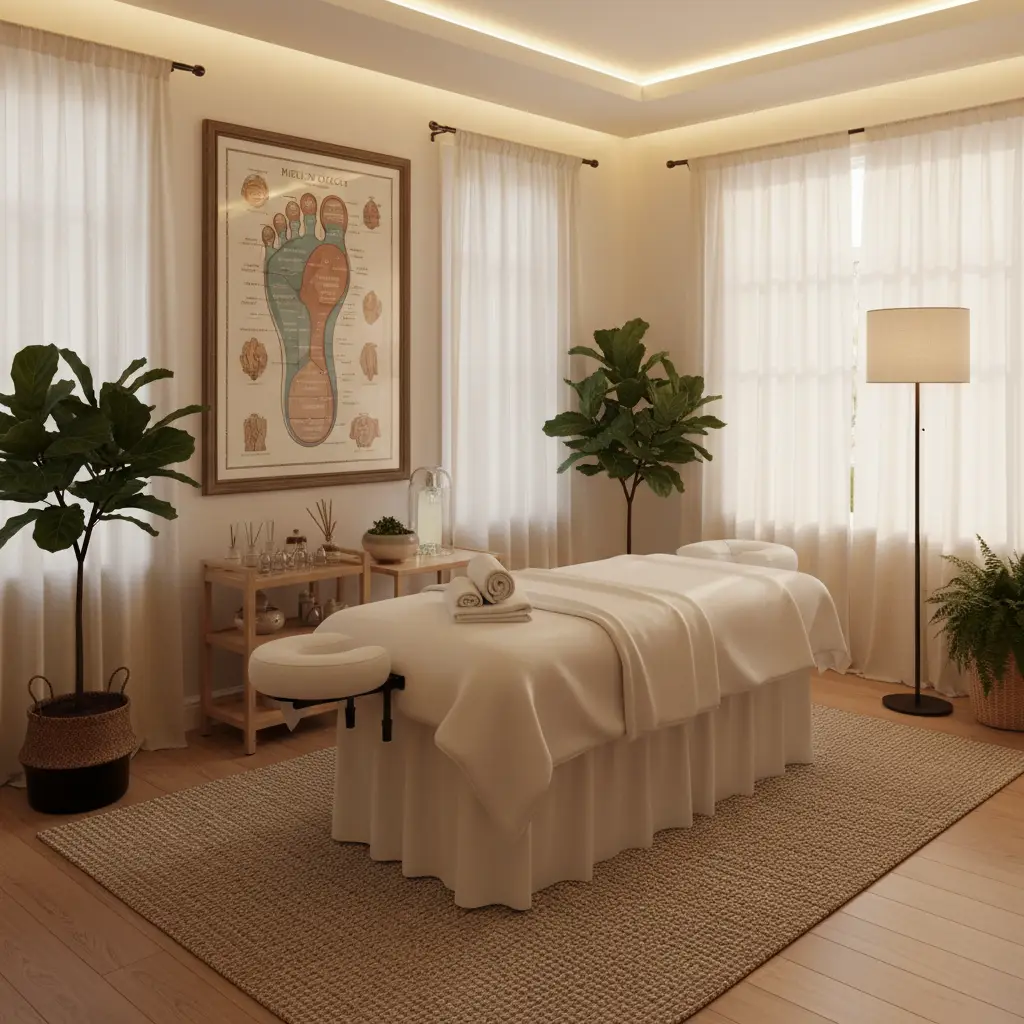
One of the most popular and accessible combinations in the Auckland wellness sphere is the pairing of reflexology with therapeutic massage. While they may seem similar in that they both involve touch, their mechanisms and outcomes differ in ways that make them perfectly complementary.
Physiological Synergy
Massage therapy primarily targets the soft tissues of the body—muscles, tendons, and ligaments. It is excellent for mechanically working out knots, improving local blood circulation, and flushing lactic acid from fatigued muscles. Reflexology, conversely, works via the nervous system and energy pathways (meridians). By stimulating nerve endings in the feet, reflexology sends signals to the brain and corresponding organs to regulate function and induce systemic homeostasis.
When combined, usually starting with a full-body massage and concluding with reflexology, the body enters a state of profound relaxation. The massage relaxes the physical structure, reducing muscle guarding and tension. This physical release allows the nervous system to be more receptive to the subtle signaling of reflexology. For clients suffering from high stress or insomnia, this combination is often referred to as a “reset button” for the autonomic nervous system.
Detoxification
Both modalities stimulate the lymphatic system, which is responsible for waste removal in the body. Massage physically pushes lymph fluid through the vessels, while reflexology stimulates the reflexes associated with the lymphatic and urinary systems (such as the kidneys and bladder). This dual action accelerates the detoxification process, helping the body eliminate metabolic waste more efficiently.
Reflexology and Acupuncture: Balancing the Body’s Energy
For those interested in Traditional Chinese Medicine (TCM), combining reflexology with acupuncture offers a powerful way to regulate Qi (life force energy). Both therapies are rooted in the concept of meridians—channels through which energy flows in the body.
Meridian Mapping
Acupuncture involves the insertion of fine needles into specific points along the body’s meridians to clear blockages and restore balance. Reflexology operates on similar principles but accesses these meridians through the feet. The six main meridians that begin or end in the feet (Liver, Gallbladder, Kidney, Bladder, Spleen, and Stomach) are directly influenced by reflexology techniques.
Integrating these therapies can intensify the treatment of internal conditions such as digestive disorders, hormonal imbalances, and fertility issues. An acupuncturist might place needles to address liver stagnation, while a reflexologist works the liver reflex point on the foot to reinforce the signal. This “double-signaling” can lead to faster and more sustainable results.
Pain Management without Needles
Some patients in Auckland may be hesitant about acupuncture due to a fear of needles. In such cases, reflexology serves as an excellent gateway or adjunct therapy. Acupressure (pressure applied to acupuncture points) can be incorporated into a reflexology session, providing similar benefits to acupuncture without skin penetration. However, for those comfortable with needles, the combination allows for a systemic energy balance that addresses both acute pain and underlying chronic deficiencies.
Reflexology and Chiropractic Care: Structural and Nervous System Alignment
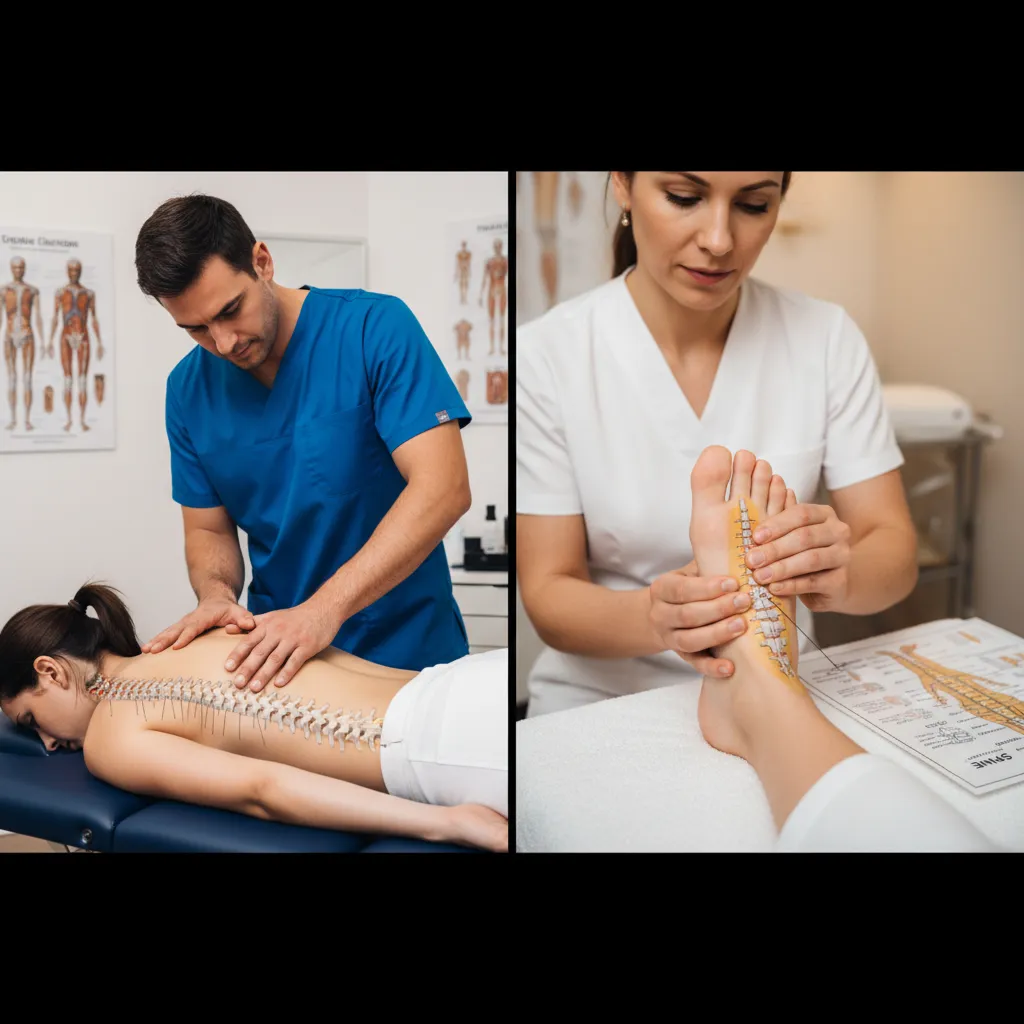
Chiropractic care focuses on the diagnosis and treatment of mechanical disorders of the musculoskeletal system, particularly the spine. The premise is that proper alignment of the spine ensures optimal function of the nervous system. Reflexology is an ideal companion to chiropractic adjustments for several reasons.
Preparing the Body for Adjustment
Tight muscles and high stress levels can sometimes make chiropractic adjustments difficult or uncomfortable, as the body unconsciously resists the manipulation. A session of reflexology prior to a chiropractic appointment can lower the sympathetic nervous system response (fight or flight), relaxing the muscles and ligaments surrounding the spine. This pre-relaxation allows the chiropractor to perform adjustments more easily and with less force, often resulting in a longer-holding adjustment.
Holding the Alignment
Conversely, receiving reflexology after an adjustment can help the body integrate the changes. By stimulating the spinal reflexes located along the medial arch of the foot, a reflexologist can reinforce the work done on the physical spine. This helps to reduce the likelihood of the muscles pulling the vertebrae back out of alignment due to muscle memory.
Furthermore, foot mechanics play a crucial role in spinal health. Issues like overpronation (flat feet) can cause a chain reaction of misalignment up to the knees, hips, and lower back. Reflexologists often work on the structure of the foot itself, improving flexibility and circulation, which supports the foundation upon which the chiropractor is trying to build stability.
The Synergistic Benefits of a Multi-Modality Approach
Adopting a multi-modality approach to health in Auckland offers distinct advantages over relying on a single therapy. The human body is complex, and chronic issues rarely stem from a single cause. Therefore, a multi-faceted solution is often required.
Comprehensive Root Cause Analysis
When you utilize reflexology and complementary therapies in Auckland, you benefit from the perspectives of multiple practitioners. A reflexologist might detect crystal deposits in the foot relating to the colon, suggesting digestive issues. A naturopath or nutritionist can then use this information to adjust your diet, while an osteopath checks for visceral restrictions in the abdomen. This collaborative effort ensures that the root cause is identified and treated, rather than just masking symptoms.
Accelerated Recovery
Athletes and active individuals in Auckland often use this approach for injury recovery. For example, a runner recovering from plantar fasciitis might use physiotherapy for strengthening exercises, chiropractic for ankle alignment, and reflexology to reduce inflammation and pain perception. This triad of care can significantly shorten recovery times compared to rest alone.
Enhanced Mental Wellbeing
The mental health benefits of combined therapies cannot be overstated. Conditions like anxiety and depression often manifest physically as tension and chemically as hormonal imbalances. A combination of talk therapy (counseling) and somatic therapies like reflexology and massage helps bridge the mind-body gap. Reflexology grounds the patient, reducing cortisol levels, while counseling provides cognitive tools for coping. This dual approach addresses the “issues in the tissues” as well as the psychological patterns.
Consulting Practitioners for Integrated Treatment Plans
Successfully integrating reflexology with other therapies requires communication and planning. It is not always advisable to schedule multiple intensive treatments on the same day, as this can overwhelm the body’s healing capacity—a phenomenon sometimes known as a “healing crisis.”
Sequencing and Timing
Professional practitioners in Auckland will advise on the best sequence for your treatments. General guidelines include:
- Same Day: Reflexology pairs well with Massage or Reiki on the same day, as they are generally passive and relaxing.
- Separate Days: It is often recommended to separate Reflexology and Acupuncture by at least 24 hours to allow the body to process the energy shifts from each session.
- Post-Adjustment: If combining with Chiropractic, schedule reflexology either immediately before (to relax) or 24 hours after (to stabilize).
Communication is Key
Ensure that all your healthcare providers are aware of the other treatments you are receiving. A reputable reflexologist will ask about your medical history and other current therapies during the initial consultation. This transparency prevents contraindications and allows practitioners to tailor their approach to support, rather than conflict with, other treatments.
For authoritative information on how different complementary health approaches can work together, the National Center for Complementary and Integrative Health (NCCIH) provides extensive resources on safe integration practices.
Navigating the Auckland Wellness Scene
Auckland boasts a vibrant and diverse wellness community, from the holistic hubs in Grey Lynn and Ponsonby to the serene clinics on the North Shore. Finding a clinic that offers “reflexology and complementary therapies Auckland” is becoming easier as more centers adopt an integrative model.
What to Look For
When seeking integrated care, look for multi-disciplinary clinics. These centers house reflexologists, massage therapists, osteopaths, and naturopaths under one roof. The benefit of such clinics is the internal referral system and shared patient files (with consent), which facilitates a cohesive treatment plan.
Verify qualifications. In New Zealand, reflexology is self-regulated, but reputable practitioners will be members of professional bodies such as Reflexology New Zealand (RNZ). Ensuring your practitioner is qualified guarantees they have the training to understand how their therapy interacts with others safely.
Frequently Asked Questions
Below are common questions regarding the integration of reflexology with other health modalities.
Can I have reflexology and a massage on the same day?
Yes, combining reflexology and massage on the same day is highly beneficial. It is often recommended to have the massage first to relax the major muscle groups, followed by reflexology to target specific organs and nervous system balance. This combination promotes deep relaxation and detoxification.
Is it safe to combine reflexology with acupuncture?
Yes, reflexology and acupuncture are compatible as they both work on the body’s meridian energy systems. However, some practitioners recommend spacing them 24 to 48 hours apart to allow the body to fully process and integrate the energy shifts from each session without being overwhelmed.
How does reflexology support chiropractic treatment?
Reflexology supports chiropractic care by relaxing the muscles and ligaments supporting the spine, making adjustments easier and more effective. Additionally, stimulating spinal reflexes in the feet can help the body hold the chiropractic alignment for longer periods by reducing muscle memory tension.
What are the side effects of combining multiple therapies?
While generally safe, combining intense therapies can sometimes lead to a “healing crisis” or Herxheimer reaction, characterized by fatigue, mild headaches, or nausea as the body detoxifies. Drinking plenty of water and resting after treatments helps mitigate these temporary symptoms.
Can reflexology replace medical treatment?
No, reflexology is a complementary therapy, meaning it is used alongside, not instead of, conventional medical treatment. It supports the body’s natural healing but should not replace medical advice or prescribed medication for serious health conditions.
Where can I find practitioners offering reflexology and complementary therapies in Auckland?
Auckland has many multi-disciplinary wellness clinics, particularly in suburbs like Ponsonby, Remuera, and the North Shore. Look for clinics that list multiple modalities on their website and check for practitioners registered with Reflexology New Zealand for quality assurance.