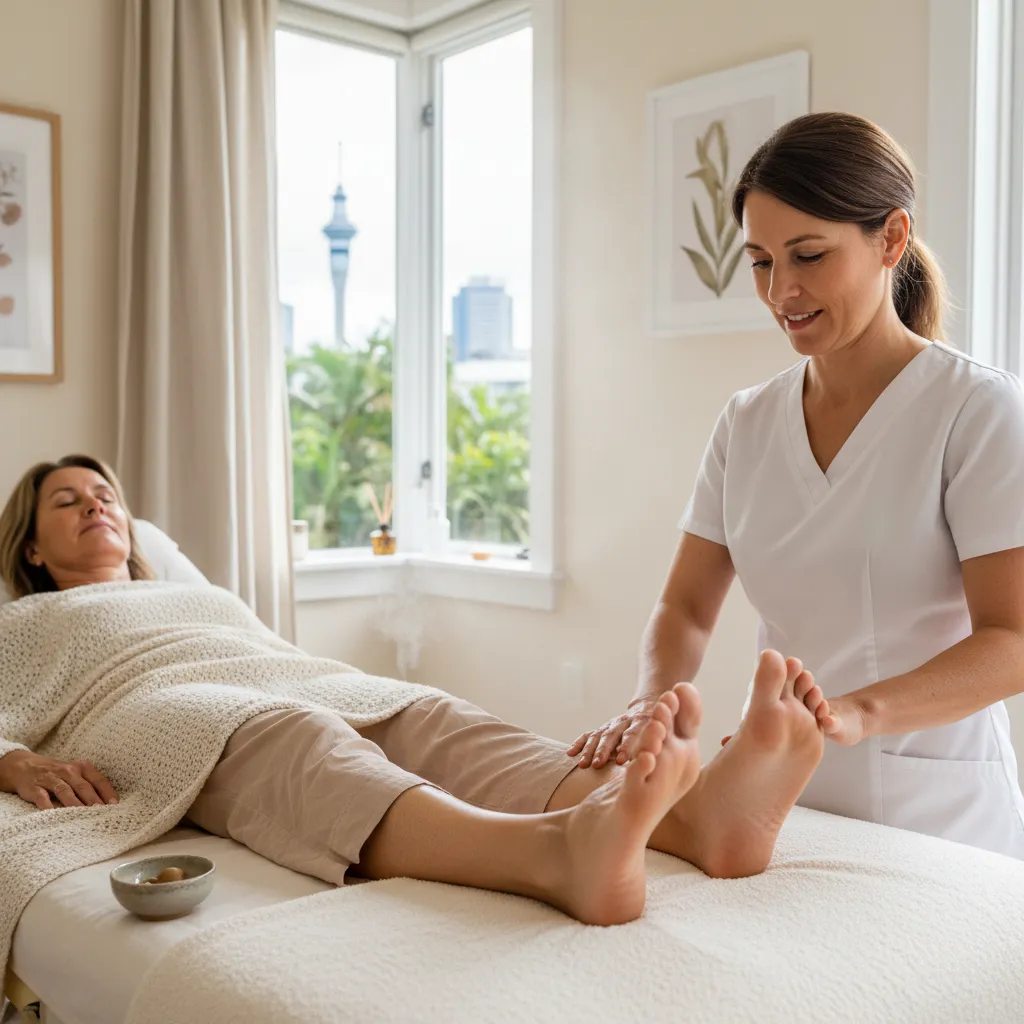
Reflexology for sleep in Auckland offers a natural, non-invasive approach to improve rest by stimulating specific pressure points on the feet, hands, and ears. This ancient therapeutic practice aims to restore balance within the body, alleviate stress, and promote deep relaxation, effectively addressing the underlying causes of sleep disturbances for a more restorative night’s sleep.
Understanding Sleep Disturbances and the Role of Reflexology
Sleep is a fundamental pillar of health, yet millions worldwide, including many in Auckland, struggle with various sleep disturbances. These can range from difficulty falling asleep to frequent waking, or simply experiencing non-restorative sleep. The ramifications of poor sleep extend beyond fatigue, impacting cognitive function, mood regulation, immune health, and increasing the risk of chronic diseases.
Common Causes of Poor Sleep in Modern Life
Our modern lifestyles contribute significantly to sleep problems. Chronic stress from work, personal commitments, and daily pressures often leads to an overactive nervous system, making it difficult for the body to relax and transition into sleep. Anxiety and depression are also closely linked to insomnia, creating a vicious cycle where poor sleep exacerbates mental health issues, and vice versa. Furthermore, factors like an inconsistent sleep schedule, excessive screen time before bed, poor diet, lack of physical activity, and environmental disruptions (noise, light) can all interfere with our natural circadian rhythm.
Understanding the root causes of sleep disturbances is the first step towards finding effective solutions. While conventional medicine often prescribes pharmaceutical interventions, many individuals are seeking holistic, natural approaches that address the body’s innate healing capabilities.
How Reflexology Offers a Holistic Solution
Reflexology stands out as a powerful complementary therapy for sleep improvement. It operates on the principle that specific points on the feet, hands, and ears correspond to different organs, glands, and systems of the body. By applying pressure to these reflex areas, a trained reflexologist can stimulate nerve pathways, improve circulation, and encourage the body to return to a state of balance and relaxation. This process can significantly reduce stress, calm the nervous system, and release tension that often prevents restful sleep.
In essence, reflexology does not directly put you to sleep. Instead, it creates an optimal physiological and psychological environment conducive to natural sleep. It helps to shift the body from a ‘fight or flight’ (sympathetic) state to a ‘rest and digest’ (parasympathetic) state, which is essential for initiating and maintaining deep sleep. This holistic approach targets the root causes of sleep issues rather than just masking symptoms, making it a sustainable strategy for long-term sleep health.
Key Reflex Points for Relaxation and Sleep Induction
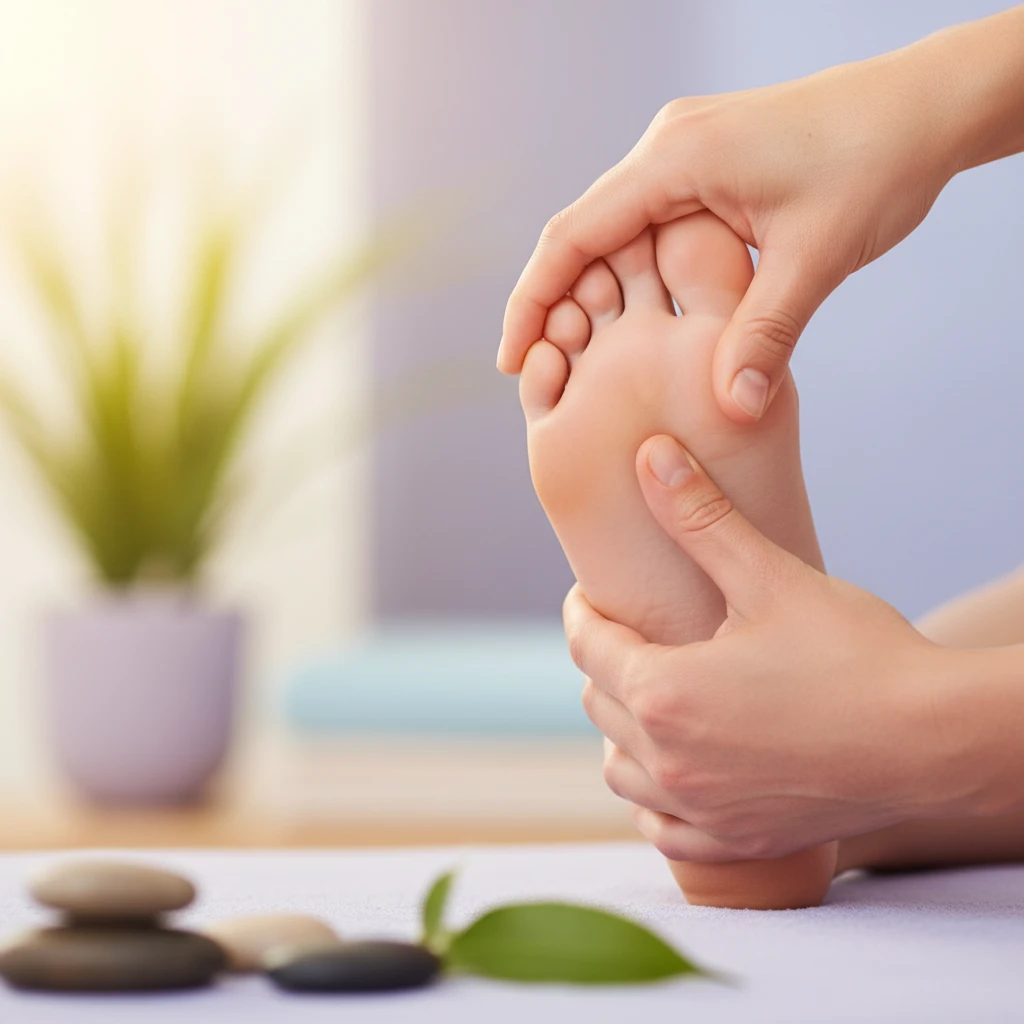
The effectiveness of reflexology for sleep hinges on targeting specific reflex points that correspond to organs and systems crucial for relaxation and sleep regulation. While a professional reflexologist in Auckland will have a comprehensive understanding, there are key areas you can familiarize yourself with for self-application or understanding your treatment.
Foot Reflex Points for Deep Sleep
The feet contain a rich map of reflex zones. For sleep improvement, several points are particularly potent:
- Pituitary Gland (Big Toe Center): Often called the master gland, the pituitary controls hormone release, including those vital for sleep-wake cycles. Stimulating this point helps regulate hormonal balance.
- Pineal Gland (Outer Edge of Big Toe): The pineal gland produces melatonin, the hormone responsible for signaling the body to sleep. Massaging this area can support natural melatonin production.
- Brain/Head Area (Toes): The entire area of the toes corresponds to the head and brain. Gently working these points can help calm an overactive mind, reducing mental chatter that keeps you awake.
- Diaphragm/Solar Plexus (Ball of Foot, under Toes): This central reflex point is a major stress reliever. Pressing here can release tension, slow breathing, and promote a sense of profound calm. It’s often where we hold anxiety.
- Adrenal Glands (Above Arch of Foot): While adrenals manage stress response, overactivity can disrupt sleep. Gentle stimulation can help balance their function.
- Spine (Inner Edge of Foot): Working along the inner edge of the foot from heel to toe can relax the entire spinal column, relieving back tension that often interferes with comfortable sleep.
- Sciatic Nerve (Heel Area): Releasing tension here can alleviate lower body discomfort, a common sleep disruptor.
For more detailed anatomical information on reflexology, you can refer to authoritative sources like Wikipedia’s page on Reflexology.
Hand and Ear Reflex Points for Quick Relief
While foot reflexology is often the most comprehensive, hand and ear reflexology offer convenient options for self-application, especially when you’re not able to access your feet easily.
- Hands: The reflex points on the hands mirror those on the feet, albeit in a smaller scale. Focus on the base of the thumb (pituitary/pineal), the pads of the fingers (head/brain), and the center of the palm (solar plexus). Applying gentle pressure with your opposite thumb can be very soothing.
- Ears (Auricular Reflexology): The ears are rich in nerve endings. Points related to relaxation, anxiety reduction, and sleep can be found throughout the ear. Gently massaging the earlobes or the entire outer ear can be surprisingly effective for immediate calming.
The key to effective stimulation is consistent, firm but gentle pressure, using thumbs, fingers, or knuckles. It’s not about causing pain, but about feeling a responsive sensation. Varying pressure and using circular motions can enhance the experience.
Crafting a Bedtime Routine with Reflexology in Auckland
Integrating reflexology into your nightly ritual can transform your sleep quality. Consistency is paramount, as the cumulative effects of regular stimulation help retrain your body and mind for better rest. For residents of Auckland, incorporating this natural therapy can be both a self-care practice and an opportunity to engage with local wellness experts.
A Step-by-Step Guide for a Pre-Sleep Reflexology Session
Dedicate 10-15 minutes each evening, preferably 30-60 minutes before you plan to sleep, to this routine:
- Preparation: Find a quiet, comfortable space. You might dim the lights, light a calming candle (safely!), or play soft, ambient music. Consider a warm foot bath with Epsom salts to further relax the feet before you begin.
- Positioning: Sit in a comfortable chair where you can easily reach your feet. You might place one foot over the opposite knee.
- Warm-up: Begin with gentle massage strokes over your entire foot, from toes to heel. Use a natural lotion or oil (like lavender-infused almond oil) to reduce friction and enhance relaxation.
- Targeted Stimulation:
- Toes (Head/Brain): Gently squeeze and rotate each toe. Work the pads of the toes with your thumb, using small circular motions.
- Big Toe (Pituitary/Pineal): Focus extra attention on the center and outer edge of your big toe for glandular support.
- Ball of Foot (Solar Plexus/Diaphragm): Press firmly into the hollow area just below the toes. Hold for a few seconds, then release. Repeat several times.
- Inner Edge (Spine): Run your thumb along the inner arch of your foot, from heel to toe, simulating spinal relaxation.
- Heel (Sciatic/Pelvis): Apply firm pressure and circular motions to the heel area.
- Cool-down: Finish with light, sweeping strokes over the entire foot, similar to the warm-up.
- Repeat on Other Foot: Perform the same sequence on your other foot.
- Hand/Ear Reflexology (Optional): If you have extra time or prefer, repeat a simplified version on your hands or a gentle ear massage.
Remember to breathe deeply and intentionally throughout the session, focusing on inhaling calm and exhaling tension. The goal is to induce a state of profound relaxation.
Combining Reflexology with Other Relaxation Techniques
To amplify the benefits, integrate your reflexology practice with other established relaxation methods:
- Aromatherapy: Diffuse essential oils like lavender, chamomile, or frankincense in your bedroom.
- Gentle Stretching or Yoga: A few simple, slow stretches before bed can release physical tension.
- Mindfulness or Meditation: A short guided meditation or simple breathwork can calm your mind.
- Journaling: If an active mind keeps you awake, a quick brain dump of thoughts and worries into a journal before bed can be helpful.
The synergy of these techniques creates a powerful pre-sleep ritual that signals to your body it’s time to wind down.
Finding Qualified Reflexologists in Auckland
While self-application is beneficial, receiving professional reflexology from a certified practitioner in Auckland can offer deeper therapeutic benefits. A qualified reflexologist can identify specific imbalances, tailor treatments to your unique needs, and apply techniques with greater precision and depth. When searching for a practitioner in Auckland, look for those certified by reputable associations, ensuring they have undergone rigorous training. Many wellness centres and holistic health clinics across Auckland offer reflexology services, providing expert guidance on integrating this therapy into your sleep management plan.
Long-Term Benefits of Reflexology for Chronic Insomnia
For individuals grappling with chronic insomnia or persistent sleep issues, reflexology offers more than just temporary relief; it presents a pathway to sustainable sleep improvement and enhanced overall well-being. Consistent application, whether through self-care or professional sessions, can yield profound and lasting benefits.
Reducing Reliance on Sleep Medication
One of the most significant long-term advantages of reflexology is its potential to reduce or even eliminate the need for sleep medications. While pharmaceuticals can provide immediate relief, they often come with side effects, risk of dependency, and may not address the underlying causes of insomnia. Reflexology, by contrast, works with the body’s natural healing mechanisms, helping to regulate the nervous system, balance hormones, and alleviate stress over time. This gentle yet powerful approach empowers individuals to regain control over their sleep naturally, fostering a healthier relationship with rest.
Improving Overall Well-being and Energy Levels
Beyond direct sleep improvement, regular reflexology sessions contribute significantly to an individual’s general well-being. By promoting deep relaxation and reducing stress, it helps lower cortisol levels, improve circulation, and enhance the body’s natural detoxification processes. This holistic balance translates into increased daytime energy, improved mood, sharper mental clarity, and a strengthened immune system. People often report feeling more grounded, resilient, and less susceptible to the daily stressors that can otherwise disrupt sleep and overall health.
Stress Reduction and Emotional Balance
Chronic stress is a primary antagonist to quality sleep. Reflexology is exceptionally effective at activating the parasympathetic nervous system, responsible for the body’s ‘rest and digest’ state. Through consistent stimulation of specific reflex points, the body learns to release accumulated tension and respond more calmly to stressful situations. This sustained reduction in stress contributes not only to better sleep but also to greater emotional stability, helping to mitigate anxiety and promote a more positive outlook on life. It provides a sanctuary of calm in an often-hectic world, offering a therapeutic escape that nourishes both body and mind.
Personalized Treatment Plans and Medical Considerations
For persistent or severe sleep issues, a personalized reflexology treatment plan from a qualified Auckland practitioner is invaluable. They can assess your specific health concerns, lifestyle factors, and sleep patterns to create a targeted series of sessions. While reflexology is a safe and gentle therapy for most, it’s always prudent to consult with your primary healthcare provider, especially if you have underlying medical conditions or are currently taking medication. Reflexology should be viewed as a complementary therapy that works alongside, not in place of, conventional medical advice, ensuring a comprehensive approach to your sleep health.
People Also Ask About Reflexology for Sleep
Does reflexology actually help with sleep?
Yes, numerous individuals report significant improvements in sleep quality through reflexology. By targeting specific reflex points, the therapy helps to calm the nervous system, reduce stress, and promote relaxation, creating an optimal environment for natural, restful sleep.
What reflexology points are good for sleep?
Key reflex points for sleep include those corresponding to the pituitary and pineal glands (on the big toe), the brain/head area (all toes), and the solar plexus/diaphragm (ball of the foot). These points help regulate hormones, calm the mind, and release tension.
How often should I do reflexology for insomnia?
For chronic insomnia, an initial course of 4-6 weekly sessions with a professional is often recommended. After that, monthly maintenance sessions or daily self-application can help sustain the benefits and continue to improve sleep over time.
Can I do reflexology on myself for sleep?
Absolutely. Self-reflexology on the feet, hands, and ears can be a very effective part of a bedtime routine. Focus on gentle but firm pressure on the recommended points, aiming for a relaxing rather than painful sensation.
Is reflexology safe for everyone?
Reflexology is generally considered safe for most people. However, individuals with certain medical conditions like deep vein thrombosis, unstable pregnancy, or open wounds on the feet should consult their doctor before treatment. Always inform your reflexologist of any health concerns.
Where can I find a good reflexologist for sleep in Auckland?
To find a qualified reflexologist in Auckland, look for practitioners certified by reputable organizations. Search online directories for local wellness centers or holistic health clinics that specialize in reflexology for sleep and stress reduction.