
Reflexology works by applying pressure to specific points on the feet, hands, or ears, which are believed to correspond to different organs and systems of the body. This practice aims to stimulate the body’s natural healing processes through various theories, including nerve reflex arcs, energy zone connections, and the release of biochemicals, ultimately promoting balance and well-being.
Understanding Reflexology: A Holistic Approach
Reflexology is an ancient complementary health therapy that involves the application of precise pressure to specific points on the feet, hands, or ears. The fundamental premise is that these ‘reflex’ points are interconnected with various organs, glands, and systems throughout the body. While often viewed as a form of massage, reflexology distinguishes itself by its targeted, therapeutic application designed to promote healing and restore balance.
Historical Roots and Modern Practice
The origins of reflexology can be traced back thousands of years to ancient Egyptian, Chinese, and Indian cultures. Hieroglyphs in the tomb of an Egyptian physician, Ankmahor, dating back to 2330 BCE, depict individuals receiving foot and hand treatments. Modern reflexology, however, began to take shape in the early 20th century, largely due to the work of Dr. William H. Fitzgerald, an American ear, nose, and throat specialist who developed ‘Zone Therapy’. This theory posited that the body is divided into 10 longitudinal zones, and applying pressure to one part of a zone could affect other parts within the same zone.
Today, reflexology is practiced worldwide as a holistic therapy, meaning it addresses the individual as a whole—body, mind, and spirit—rather than focusing solely on symptoms. Practitioners believe that by stimulating these reflex points, they can help alleviate stress, improve circulation, detoxify the body, and support the natural healing capabilities inherent in every individual.
The Foundation: Zone Theory and Nerve Pathways
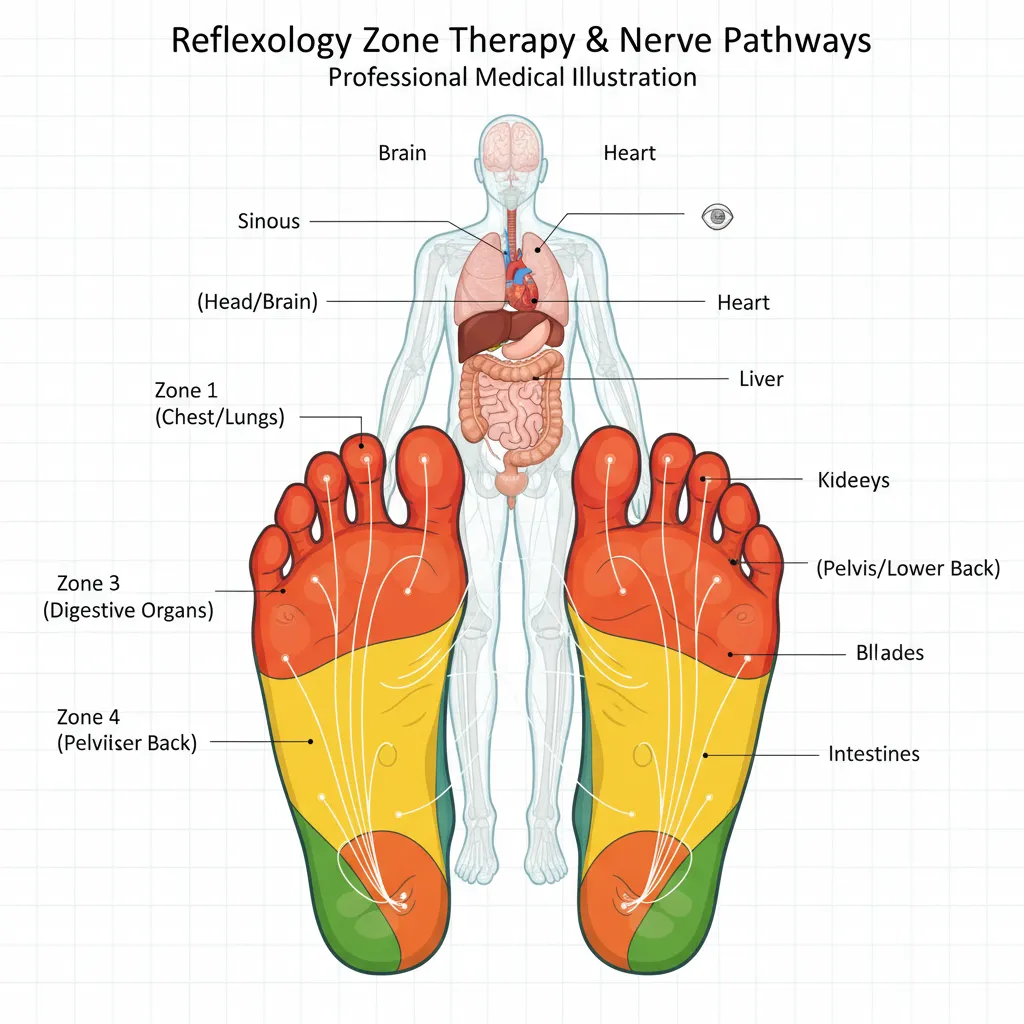
One of the primary scientific explanations for how reflexology works lies in the concept of Zone Theory, coupled with the understanding of the nervous system. Dr. Fitzgerald’s Zone Theory divides the body into ten vertical zones, five on each side, running from the head down to the toes and fingers. Any organ or body part located within a specific zone is believed to be connected to the reflex points in the hands and feet that fall within that same zone.
Nerve Impulse Transmission
According to this theory, applying pressure to a reflex point sends an impulse along the nerve pathways. These impulses travel through the nervous system—a complex network of nerves that transmit signals between the brain and the rest of the body—to the corresponding organs or glands. The pressure is thought to help unblock or clear these pathways, allowing nerve impulses to flow more freely. This improved communication between the brain and specific body parts can potentially optimize their function.
The body’s nervous system includes both the central nervous system (brain and spinal cord) and the peripheral nervous system (all other nerves). Reflexologists suggest that stimulation of specific nerve endings in the feet or hands can trigger a reflex arc, which is an involuntary and nearly instantaneous movement in response to a stimulus. While the precise mechanisms are still being researched, the idea is that this nerve stimulation can lead to a physiological response in a distant part of the body. For instance, stimulating a reflex point associated with the stomach might help alleviate digestive discomfort by influencing nerve signals to the stomach.
Energy Flow: Connecting to Meridian Lines and Qi
Beyond the neurological explanations, many proponents of reflexology also draw connections to traditional Chinese medicine (TCM) principles, particularly the concepts of energy (Qi) and meridian lines. In TCM, the body is seen as a complex network of invisible energy channels, or meridians, through which life force, known as Qi (pronounced ‘chee’), flows. When this flow is obstructed or imbalanced, it can lead to illness or discomfort.
Unblocking Energy Pathways
Reflexology is believed by some to work by stimulating points that correspond to these meridian lines. By applying pressure, the reflexologist aims to unblock stagnant Qi and restore its smooth flow throughout the body. This restoration of energy balance is thought to promote the body’s self-healing mechanisms and improve overall well-being. While modern science has yet to definitively map or prove the existence of meridians in the anatomical sense, the therapeutic outcomes reported by many suggest a powerful energetic effect.
Specific reflex points are often associated with particular organs or systems that also lie along specific meridian pathways. For example, points on the big toe might be linked to the liver meridian, while points on the arch of the foot could relate to the spleen meridian. The manipulation of these points is not just a physical action but also an energetic one, seeking to harmonize the body’s internal energies.
The Biochemical Response: Endorphin Release and Stress Reduction
A significant and widely accepted mechanism through which reflexology benefits the body is its profound impact on the nervous system, leading to a reduction in stress and the release of beneficial biochemicals. The human body’s response to stress is mediated by the autonomic nervous system, which has two branches: the sympathetic (fight-or-flight) and parasympathetic (rest-and-digest) systems. Chronic stress often leads to an overactive sympathetic system, contributing to various health issues.
Calming the Nervous System
Reflexology sessions are inherently relaxing. The gentle, yet firm, pressure applied to reflex points can stimulate the parasympathetic nervous system, shifting the body into a state of deep relaxation. This shift reduces the production of stress hormones like cortisol and adrenaline, which, in excess, can suppress the immune system, increase blood pressure, and contribute to inflammation.
Furthermore, this deep relaxation can trigger the release of endorphins, the body’s natural painkillers and mood elevators. Endorphins are neurotransmitters produced in the brain and nervous system, known for their analgesic effects and ability to induce feelings of euphoria and well-being. This biochemical response helps to explain why many individuals report a significant reduction in pain, improved mood, and better sleep quality after reflexology sessions. The therapeutic touch itself, combined with the focused pressure, can have a powerful psychoneuroimmunological effect, influencing the interplay between psychological processes, the nervous system, and the immune system.
Physiological Benefits: Impact on Circulatory and Lymphatic Systems
Beyond nerve and energy pathways, reflexology is also theorized to positively influence the body’s circulatory and lymphatic systems, both of which are crucial for overall health and detoxification.
Enhanced Blood Circulation
The application of pressure to various points on the feet and hands can stimulate blood flow. Improved circulation means that oxygen and essential nutrients are delivered more efficiently to cells, tissues, and organs throughout the body. Simultaneously, waste products and toxins are removed more effectively. Poor circulation can lead to a host of problems, including fatigue, cold extremities, and impaired organ function. By enhancing blood flow, reflexology supports the body’s natural ability to nourish itself and eliminate metabolic byproducts.
Consider the intricate network of capillaries in the feet. Manual stimulation during reflexology can act like a pump, encouraging blood to move through these tiny vessels, thereby improving microcirculation. This is particularly beneficial for individuals who spend long hours on their feet or have sedentary lifestyles, as it can help reduce swelling and improve nutrient delivery to cells.
Optimized Lymphatic Drainage
The lymphatic system is a vital part of the immune system and plays a critical role in fluid balance, immune surveillance, and detoxification. It carries lymph, a fluid containing white blood cells, throughout the body, collecting waste products, bacteria, and excess fluid before returning it to the bloodstream. Unlike the circulatory system, the lymphatic system does not have a central pump (like the heart) and relies on muscle contractions and movement to circulate lymph.
Reflexology is believed to stimulate the lymphatic system, encouraging the efficient drainage of lymph. This enhanced lymphatic flow can reduce swelling (edema), particularly in the lower extremities, and help the body rid itself of toxins and cellular debris. By supporting the immune system, better lymphatic drainage can also bolster the body’s ability to fight off infections and maintain a healthy internal environment. For more information on the intricate workings of the lymphatic system, you can refer to authoritative sources like Wikipedia’s entry on the Lymphatic System.
Reflexology in Practice: What to Expect
A typical reflexology session usually lasts between 45 to 60 minutes. Clients remain fully clothed, removing only their shoes and socks. The practitioner will usually begin with a thorough health consultation to understand any specific health concerns, lifestyle factors, and medical history. This allows the reflexologist to tailor the treatment to the individual’s needs.
The Treatment Experience
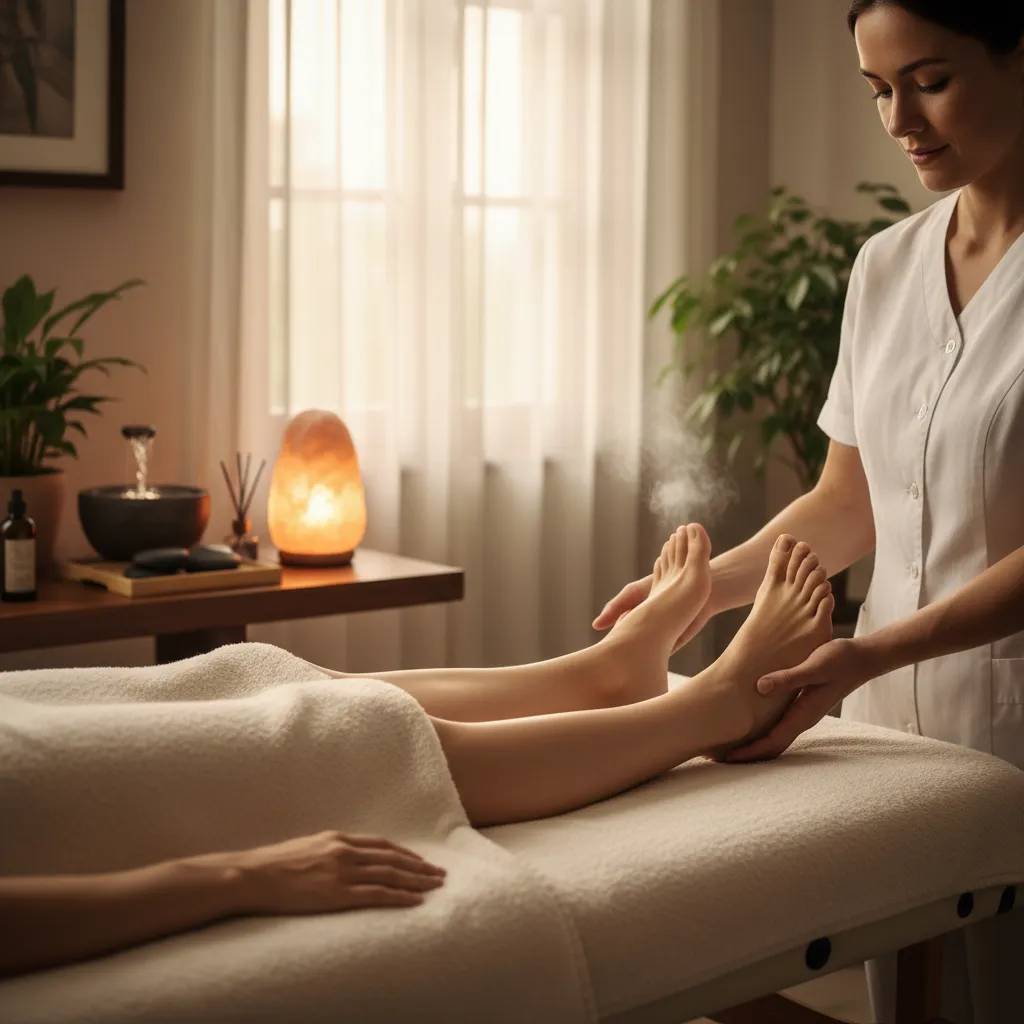
During the session, the client lies comfortably on a massage table or recliner. The reflexologist will then apply various pressure techniques, including thumb and finger walking, rotation, and kneading, to specific reflex points on the feet (most commonly), hands, or ears. The pressure can range from gentle to firm, and while some points might feel tender or sensitive, it should not be overtly painful. Tenderness can sometimes indicate an imbalance or congestion in the corresponding body area.
Many people report feeling deeply relaxed during and after a session, often experiencing a sense of calm, warmth, or tingling. Some may even fall asleep. Post-session, it’s common to feel energized, though some might experience a temporary feeling of tiredness as the body processes the treatment and begins its self-healing work. It is often recommended to drink plenty of water after a session to aid in detoxification.
Scientific Research and Validation
While anecdotal evidence and client testimonials abound, the scientific community continues to explore the mechanisms and efficacy of reflexology through controlled studies. Research in this field faces challenges due to the subjective nature of pain and relaxation, and the difficulty in designing truly blinded studies for touch therapies.
Emerging Evidence
Despite these challenges, a growing body of research supports reflexology’s benefits, particularly in areas like stress reduction, pain management, and improving quality of life. Studies have shown positive effects on reducing anxiety in pre-operative patients, alleviating symptoms in cancer patients (such as nausea and fatigue), and improving sleep patterns. For example, a systematic review published in a reputable journal might conclude that reflexology is an effective complementary therapy for reducing pain and psychological symptoms. While more large-scale, rigorous studies are needed to fully understand its physiological mechanisms and clinical efficacy, the existing evidence is promising and suggests that reflexology can be a valuable addition to a holistic health regimen. For insights into general complementary health practices, the National Center for Complementary and Integrative Health provides valuable resources and research updates.

Reflexology in Auckland: Local Insights
For those residing in Auckland, New Zealand, reflexology offers a popular and accessible pathway to holistic well-being. The city boasts a vibrant community of qualified reflexologists, ranging from independent practitioners to clinics within larger wellness centers. Aucklanders seeking complementary therapies often turn to reflexology for stress relief, general health maintenance, and support for specific conditions.
Finding a Qualified Practitioner
When seeking a reflexologist in Auckland, it’s advisable to look for practitioners who are registered with professional bodies such as Reflexology New Zealand (RNZ). Membership ensures that practitioners meet certain standards of training, ethics, and continuing professional development. Many Auckland-based reflexologists specialize in various areas, from maternity reflexology to those focusing on chronic pain or stress management. A quick online search for “Reflexology Auckland” will reveal numerous options, often with client testimonials and detailed service descriptions to help you choose a practitioner that aligns with your specific needs.
The philosophy of well-being is deeply integrated into Auckland’s lifestyle, with a growing appreciation for natural and holistic health approaches. Reflexology fits seamlessly into this ethos, offering a non-invasive, drug-free option for those looking to enhance their physical and mental health. Whether you’re dealing with the everyday stresses of city life or seeking support for a particular health challenge, the Auckland reflexology scene provides a supportive environment for exploring this ancient healing art.
Conclusion: The Multifaceted Mechanism of Reflexology
Reflexology is a complex and fascinating therapy, operating through a multifaceted interplay of physiological and energetic mechanisms. From the tangible pathways of nerve impulses and enhanced circulation to the more subtle influences on energy flow and the powerful release of endorphins, its ability to promote healing and restore balance is increasingly recognized.
While theories like Zone Theory and meridian lines offer frameworks for understanding its effectiveness, the consistent thread across all explanations is the body’s innate capacity for self-regulation and healing. By stimulating specific reflex points, reflexology acts as a catalyst, encouraging the body to return to a state of equilibrium. Whether seeking relief from stress, chronic pain, or simply aiming to enhance overall well-being, reflexology offers a holistic, non-invasive approach that continues to gain traction worldwide, including within the thriving wellness community of Auckland. As research continues to uncover deeper insights into this ancient practice, its role as a valuable complementary therapy is set to grow.
People Also Ask
Is there scientific proof that reflexology works?
While more large-scale, rigorous studies are needed, a growing body of scientific research supports reflexology’s benefits in areas such as stress reduction, pain management, and improving quality of life. Studies have shown positive effects on reducing anxiety, alleviating symptoms in cancer patients, and improving sleep. The exact physiological mechanisms are still being researched, but the empirical evidence of its positive impact is significant.
What are the main theories behind how reflexology works?
The primary theories include Zone Theory and nerve pathways, which suggest that pressure on reflex points sends impulses through the nervous system. Other theories relate to energy flow and meridian lines (similar to traditional Chinese medicine), and the biochemical response involving the release of endorphins and reduction of stress hormones.
Can reflexology help with stress and anxiety?
Yes, reflexology is widely recognized for its stress-reducing benefits. The deep relaxation induced during a session helps activate the parasympathetic nervous system, reducing stress hormones and promoting the release of endorphins, which are natural mood elevators and pain relievers. This shift helps calm the body and mind, alleviating anxiety.
Are there any side effects of reflexology?
Reflexology is generally considered safe and has few side effects. Some individuals may experience temporary tiredness, light-headedness, increased urination, or heightened emotions as the body processes the treatment. These reactions are typically mild and short-lived, indicating the body’s natural healing response.
How often should I get reflexology for best results?
The frequency of reflexology sessions depends on individual needs and health goals. For acute conditions or significant stress, weekly sessions might be recommended initially. For general well-being and maintenance, bi-weekly or monthly sessions are often sufficient. Your reflexologist can provide a personalized treatment plan based on your consultation.
What is the difference between reflexology and foot massage?
While both involve working on the feet, reflexology is a therapeutic treatment based on the principle that specific points on the feet correspond to organs and systems in the body. It aims to stimulate healing and balance. A foot massage is primarily for relaxation and muscle relief, without the specific therapeutic targeting of reflex points for systemic effects.