Hand reflexology is a powerful, ancient practice that focuses on stimulating specific pressure points in the hands to promote health and well-being throughout the body. This article explores the essentials of hand reflexology, including its mechanisms, benefits, and where to find expert practitioners.
Key Sections Of Hand Reflexology :
Health Benefits of Hand Reflexology
1. Enhanced Circulation:
One of the primary benefits of hand reflexology is improved blood and lymph circulation. Better circulation not only speeds up the removal of toxins from the body but also enhances the delivery of oxygen and nutrients to various tissues. This can lead to improved organ function and a feeling of vitality.
2. Stress Reduction:
Hand reflexology is exceptionally effective at reducing stress. The gentle pressure and massage techniques used can lower cortisol levels, promoting relaxation and helping to reduce overall stress. This relaxation response can also help to temper the symptoms of anxiety and create a calm state of mind.
3. Pain Alleviation:
Many people turn to hand reflexology for its ability to alleviate pain, including headaches, arthritis pain, and neuropathies. The theory here is that reflexology helps to interrupt pain pathways and promote an analgesic effect without the use of medication.
4. Improvement in Sleep Quality:
By promoting relaxation and stress relief, hand reflexology can also improve sleep quality. It can be particularly beneficial for those suffering from sleep disorders, such as insomnia, helping them to achieve a more restful and deeper sleep.
5. Boosting Immune System:
Regular reflexology sessions are believed to stimulate the lymphatic system, thus enhancing the body’s ability to fight off infections. By supporting lymph flow, the body’s detoxification process is improved, potentially leading to a stronger immune system.
What to Expect During a Hand Mapping Reflexology Session
A typical hand mapping reflexology session lasts anywhere from 30 to 60 minutes. You can expect to sit comfortably in a relaxing environment while the reflexologist applies pressure to specific areas of your hands. Each session begins with a consultation to discuss your health concerns and goals, allowing the reflexologist to focus on specific reflex points that correspond to your needs.
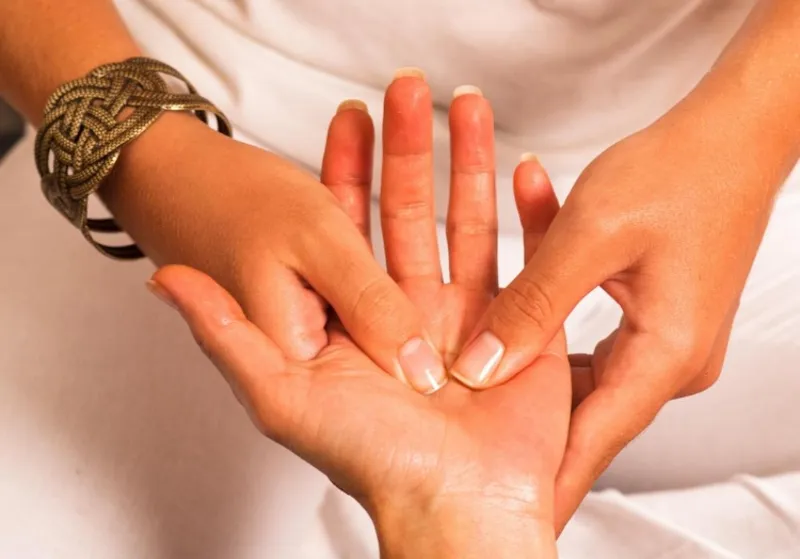
During the session, the reflexologist uses various techniques such as thumb and finger walking, pressing, and kneading. You may feel a range of sensations at the reflex points, from tingling to a brief moment of discomfort, especially if there’s an imbalance in the corresponding body area. Most people find hand reflexology to be exceptionally calming, often feeling a sense of release and relaxation that can last long after the session has ended.
Incorporating regular hand reflexology into your wellness routine can provide lasting benefits, helping to maintain your body’s harmony and balance. Whether you’re seeking to relieve stress, manage pain, or simply wish to enjoy the relaxing effects of this ancient practice, hand reflexology offers a direct and gentle approach to enhancing your health.
Understanding Pain and Sensations in Hand Reflexology
During a hand reflexology session, it’s not uncommon for individuals to experience various sensations, particularly slight discomfort or a sense of pain when certain reflex points are activated. While these sensations might initially be surprising, they play a crucial role in the reflexology process and can provide key insights into your overall health.
Significance of Pain and Discomfort in Hand Reflexology
1. Indicators of Tension or Imbalance:
The discomfort felt during a reflexology session often points to tension or imbalance in the corresponding area of the body. For example, a sharp sensation on a point related to the stomach might suggest digestive issues or stress-related abdominal tension. Reflexologists use these cues to tailor their treatment, focusing on specific areas that require attention.
2. Stimulating the Body’s Healing Processes:
The application of pressure to these points is believed to stimulate the body’s own healing mechanisms. According to reflexology theory, such stimulation can help to clear out blockages in energy pathways, known as meridians, and improve the flow of energy, or ‘qi’, throughout the body. This process is thought to restore balance and promote health.
3. Encouraging Release:
The minor discomfort experienced can also encourage the release of endorphins, the body’s natural painkillers, which can provide immediate relief from pain and elevate mood. This release can also enhance the relaxation response further, aiding in the reduction of the overall stress levels.
4. Detoxification:
Reflexology supports the body’s detoxification processes. The manipulation of reflex points can improve lymphatic drainage and blood circulation, which can help in removing toxins from the body. The discomfort experienced might sometimes be a part of this detoxification, indicating that the body is responding and working towards eliminating these toxins.
Managing Sensations During a Session
It’s important for individuals to communicate with their reflexologist about the intensity of the sensations they experience. A skilled reflexologist will adjust the pressure to ensure comfort while still effectively working on the reflex points. Most people find that the discomfort diminishes as the session progresses and as the body begins to relax and respond to the treatment.
Understanding that these sensations are a normal and beneficial part of the reflexology process can enhance the experience, allowing you to relax more deeply and gain the most from your session. Regular sessions can help mitigate these sensations over time as the body begins to heal and maintain a better state of balance.
Exploring the Five Key Pressure Points in the Hands:
Our hands are intricate networks of nerves and reflex points that, when stimulated through reflexology, can profoundly affect our health and well-being. In hand reflexology, several key pressure points are particularly effective for targeting various health issues. Here, we outline five essential pressure points, explaining their locations, associated benefits, and how to properly stimulate them for optimal results.
Five Key Pressure Points in Hand Reflexology
1. The Thumb Base:
- Location: At the base of the thumb, in the fleshy part of your palm.
- Benefits: This point is linked to the respiratory system, making it beneficial for relieving respiratory issues like coughs or colds.
- Stimulation: Apply firm, steady pressure using the thumb of the opposite hand. Move in a gentle circular motion for a few minutes.
2. The Index Finger Base:
- Location: At the base of the index finger on the palm side.
- Benefits: This point is associated with the colon and stomach. It is useful for addressing digestive issues such as constipation or indigestion.
- Stimulation: Press directly on this point with the thumb and index finger of your other hand and massage in circular motions for 2-3 minutes.
3. The Wrist Point:
- Location: Approximately an inch down from where your wrist creases on the palm side.
- Benefits: This point helps to relieve stress and improve emotional well-being. It is also associated with the heart and can aid in soothing palpitations.
- Stimulation: Press and hold this area with the thumb of the opposite hand, gently massaging in a circular motion for 3-5 minutes.
4. The Middle Finger Tip:
- Location: Directly on the tip of the middle finger.
- Benefits: This point is connected to the heart and small intestine. It’s particularly good for heart health and can help with emotional distress.
- Stimulation: Gently press the tip of the middle finger with the thumb and index finger of the opposite hand for about 1-2 minutes.
5. The Heel of the Hand:
- Location: The fleshy part of the palm just under the small finger.
- Benefits: This area is linked to the small intestine and heart. Stimulating this point can enhance relaxation and alleviate heart strain.
- Stimulation: Apply a firm pressure with the thumb of your other hand, moving in small circles. Continue for 2-3 minutes.
Effective Stimulation Techniques
When stimulating these pressure points, it’s important to apply pressure that is firm yet comfortable. Each point should be worked on for a few minutes, and the pressure should be steady and focused. Remember, the key to effective hand reflexology lies not just in the location but also in the quality of the touch.
Incorporating these hand reflexology techniques into your daily routine can help manage various ailments and promote a sense of well-being. Whether you’re dealing with stress, digestive issues, or respiratory concerns, these key pressure points can offer significant relief and support your journey towards better health.
Finding the Right Hand Reflexology Practitioner
When exploring the benefits of hand reflexology, it’s crucial to find a qualified and skilled practitioner who can tailor the session to your specific health needs. For those in New Zealand, there are several notable reflexologists known for their expertise and professional approach. Here’s how to find the right hand reflexology practitioner, including tips on what to look for and what to expect during your first visit.
How to Find a Qualified Hand Reflexology Practitioner
1. Look for Credentials:
Ensure the practitioner is certified by a recognized reflexology or complementary therapies organization. In New Zealand, look for accreditation from bodies like Reflexology New Zealand (RNZ) which ensures practitioners meet certain standards of professional training and ethical practice.
2. Check Reviews and Testimonials:
Reviews and testimonials can provide insight into a practitioner’s effectiveness and how they interact with clients. Websites, social media pages, and Google reviews are good places to start.
3. Ask for Recommendations:
Personal recommendations from friends, family, or healthcare providers can be invaluable. They can provide firsthand accounts of their experiences with specific practitioners.
4. Consultation Approach:
A good practitioner will offer an initial consultation to discuss your health concerns and goals. This is a good sign that they tailor their sessions to individual needs.
5. Professional Affiliations:
Membership in professional organizations not only reflects a commitment to their craft but also means the practitioner is likely to be up-to-date with the latest techniques and standards in reflexology.
Top Hand Reflexology Practitioners in New Zealand
- Website: https://reflexologyauckland.co.nz/
- Known for their holistic approach, they specialize in tailoring reflexology sessions to individual health needs.
2. The Reflexologist NZ
- Website: https://thereflexologist.co.nz/
- Offers a range of reflexology services with a focus on stress reduction and enhancing overall well-being.
3. Essential Reflexology
- Located in Wellington, this practice is renowned for its expert practitioners who provide personalized reflexology treatments.
4. Harmony Reflexology
- Based in Christchurch, they are known for their soothing environment and professional service, focusing on achieving balance and health through reflexology.
5. Sole Revival Reflexology
- Situated in Auckland, they offer detailed hand reflexology services aimed at boosting immune function and reducing pain and anxiety.
What to Expect During Your First Visit
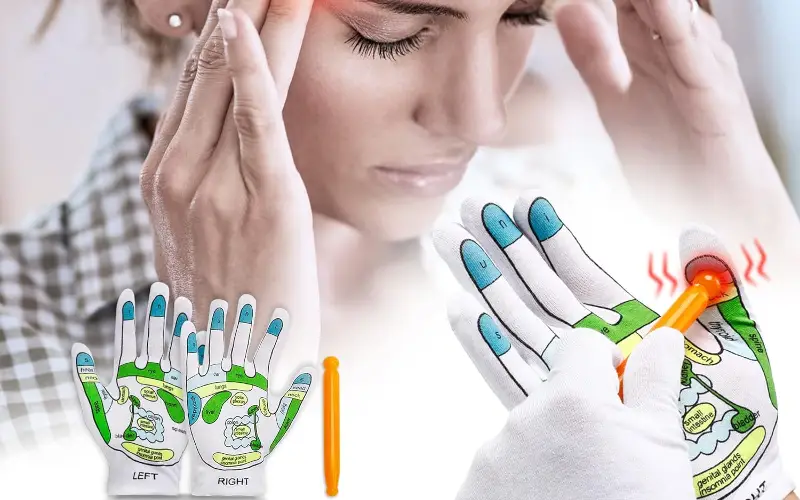
During your initial visit, expect a discussion about your health history and specific issues you are hoping to address with reflexology. The practitioner may use a hand reflexology chart to explain which areas of your hands will be targeted during the session. This chart can also help you understand the connection between different reflex points and body parts.
The session typically lasts between 30 to 60 minutes, during which the reflexologist will apply pressure to specific points on the hands that correspond to areas of the body where you might be experiencing issues.
By choosing a well-qualified hand reflexologist and understanding the process, you can maximize the potential benefits of your sessions and make significant strides towards better health.