Reflexology for infants in Auckland offers a natural, gentle, and non-invasive complementary therapy designed to support the overall wellness of babies and young children. By applying light pressure to specific reflex points on their feet and hands, it aims to alleviate common discomforts, promote relaxation, and enhance natural healing, providing a nurturing approach for families seeking holistic solutions.
The Gentle Power of Reflexology for Little Ones
The earliest years of a child’s life are foundational, marked by rapid growth and development, yet often accompanied by common challenges such as digestive upset, sleep disturbances, and emotional regulation issues. For parents in Auckland seeking holistic and natural approaches to support their children’s well-being, gentle reflexology presents a compelling option. This ancient practice, adapted with utmost care for the delicate systems of infants and children, offers a soothing pathway to balance and comfort.
What is Reflexology for Babies and Children?
At its core, reflexology is a complementary therapy based on the principle that there are reflex points on the feet, hands, and ears that correspond to specific organs, glands, and parts of the body. When these reflex points are stimulated through gentle pressure, it is believed to encourage the body’s natural healing processes and restore balance. For babies and children, the techniques are significantly gentler and often involve a feather-light touch, focusing on inducing relaxation and stimulating the body’s innate ability to self-regulate.
Unlike adult reflexology, which can sometimes involve deeper pressure, pediatric reflexology prioritizes comfort, safety, and a nurturing connection between the practitioner (or parent) and the child. The sessions are typically shorter, adjusted to the child’s temperament and attention span, and are always conducted in a calm, reassuring environment. The goal is not just symptom relief but also to foster a sense of security and well-being, which is crucial for early development.
Why Gentle is Key for Infants and Children
The developing systems of infants and young children are incredibly sensitive. Their nervous systems are still maturing, their bones are soft, and their emotional landscapes are highly impressionable. Therefore, any therapeutic intervention must be inherently gentle. Gentle reflexology acknowledges this sensitivity, ensuring that the pressure applied is always light and responsive to the child’s reactions. This approach minimises any potential discomfort and maximises the therapeutic benefits, making it a positive and bonding experience.
Furthermore, a gentle approach respects the child’s autonomy. They are not passive recipients of treatment; their comfort and cooperation are paramount. A skilled pediatric reflexologist understands how to read a child’s cues, adapting the session as needed. This sensitivity builds trust and makes the experience enjoyable, rather than something endured. For many parents, the gentleness of reflexology is a significant factor in choosing it over more invasive methods for their children’s health concerns.
Benefits for Colic, Sleep, and Digestion in Babies
Infancy can be a challenging period for both babies and parents, with issues like colic, disrupted sleep, and digestive troubles being common sources of distress. Gentle reflexology offers a non-pharmaceutical approach that can significantly alleviate these widespread issues, promoting comfort and well-being for the littlest members of the family.
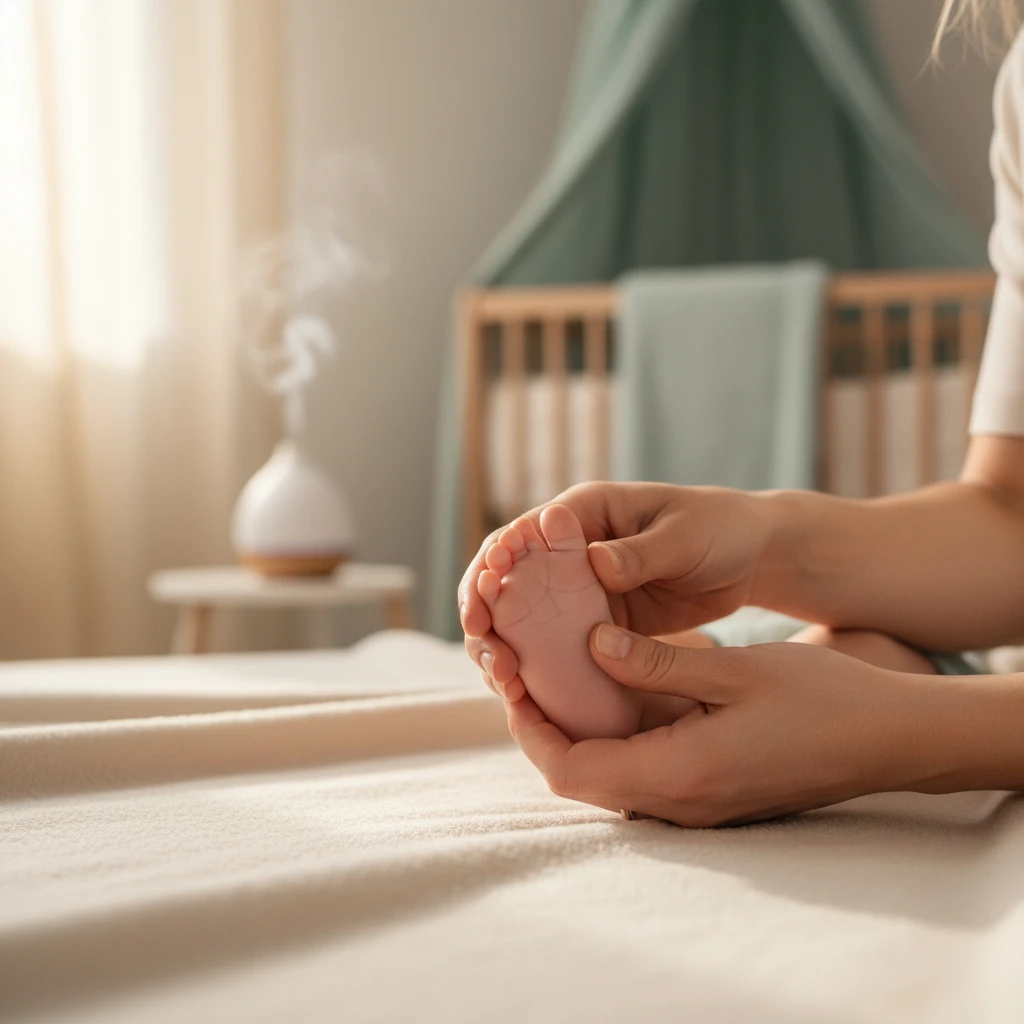
The principle behind reflexology’s effectiveness in these areas stems from the belief that stimulating specific points on the feet can help to relax the baby, improve circulation, and encourage the body’s own healing mechanisms to address imbalances. For instance, points corresponding to the digestive system are often targeted to help with tummy issues, while points linked to the nervous system are used to promote relaxation.
Easing Colic and Discomfort
Colic is defined as frequent, prolonged, and intense crying or fussiness in a healthy infant. While the exact cause is often unknown, it’s frequently associated with digestive discomfort, gas, or an immature nervous system. Reflexology aims to ease colic symptoms by targeting reflex points related to the digestive tract (e.g., small intestine, large intestine, stomach) on the baby’s feet. Gentle pressure on these areas is thought to help release trapped gas, stimulate bowel movements, and reduce spasms, thereby lessening abdominal pain and discomfort. Parents often report a noticeable reduction in crying spells and overall fussiness after consistent reflexology sessions.
Promoting Restful Sleep Patterns
Sleep is vital for an infant’s development, yet many babies struggle with sleep disturbances, waking frequently or having difficulty settling down. Gentle reflexology focuses on points associated with relaxation and the nervous system, such as those corresponding to the head, spine, and solar plexus. Stimulating these points can help to calm the baby’s central nervous system, reduce tension, and promote a state of deep relaxation conducive to more restful and prolonged sleep. Establishing a regular reflexology routine, perhaps as part of a bedtime ritual, can signal to the baby that it’s time to wind down, helping to regulate their sleep-wake cycles.
Supporting Healthy Digestion and Elimination
Beyond colic, many babies experience general digestive issues like constipation or reflux. The immature digestive system can struggle to process milk or formula efficiently. Reflexology can support healthy digestion by gently stimulating the reflex points for the stomach, intestines, and liver. This can help improve peristalsis (the movement of food through the digestive tract), encourage regular bowel movements, and potentially alleviate reflux symptoms by promoting relaxation and better gastric emptying. It’s a gentle way to encourage the body to work more efficiently, rather than forcing a change.
Reducing Reflux and Constipation
Reflux, characterized by the spitting up of milk, is common in infants but can be distressing for both baby and parents. Constipation can lead to significant discomfort and irritability. Reflexology offers a non-intrusive method to address these. For reflux, points related to the diaphragm and stomach can be worked to encourage relaxation and better muscle function. For constipation, specific points along the ‘bowel line’ on the foot can be gently massaged to stimulate peristalsis and facilitate easier elimination. These techniques aim to bring the digestive system into a more harmonious state, reducing the frequency and severity of these common infant ailments.
Supporting Immunity and Calmness in Children
As children grow from infancy into toddlerhood and beyond, they face new challenges, from navigating social environments to encountering a wider range of germs. Gentle reflexology continues to offer valuable support, not only for physical health but also for emotional well-being, helping to strengthen their natural defenses and foster a sense of calmness amidst their active lives.
Boosting Natural Defenses
A strong immune system is crucial for children, helping them ward off common colds, flu, and other childhood illnesses. Reflexology is believed to support the immune system indirectly by reducing stress, improving circulation, and promoting overall systemic balance. When the body is relaxed and functioning optimally, its natural defenses are better equipped to respond to threats. Specific reflex points corresponding to the lymphatic system, thymus gland, and spleen (key components of the immune system) can be gently stimulated. This stimulation is thought to enhance lymphatic drainage, which helps in the removal of toxins and the circulation of immune cells, thereby potentially strengthening the child’s resilience against illness.
Fostering Emotional Balance and Reducing Anxiety
Children, like adults, experience stress and anxiety, which can manifest as tantrums, difficulty sleeping, or changes in behaviour. Gentle reflexology provides a profound calming effect by stimulating reflex points associated with the nervous system, such as those for the brain, spine, and solar plexus. The soothing touch and focused attention during a reflexology session can help regulate the child’s nervous system, reducing the production of stress hormones and increasing feelings of security and relaxation. This can be particularly beneficial for children struggling with separation anxiety, transitioning to new environments (like daycare or school), or those who are generally highly sensitive. Regular sessions can help children develop better emotional regulation skills and cope more effectively with daily stressors.
Enhancing Focus and Concentration
In today’s fast-paced world, many children can struggle with focus and concentration, impacting their learning and overall engagement. While not a direct cure for attention disorders, reflexology can contribute to a child’s ability to focus by promoting a state of inner calm and reducing physical and emotional tension. When a child is relaxed and less burdened by discomfort or anxiety, their cognitive functions can operate more effectively. Reflex points related to the head, brain, and pituitary gland are often targeted to support mental clarity and cognitive function, indirectly aiding in improved concentration and learning capabilities. It’s about creating an optimal internal environment for their developing minds.
Addressing Growing Pains and Discomfort
Growing pains, often experienced in the legs during the evening or night, are a common complaint among children. While typically harmless, they can cause significant discomfort. Reflexology can offer relief by promoting relaxation in the muscles and improving circulation to the affected areas. Points corresponding to the legs, knees, and joints can be gently massaged to soothe soreness and reduce tension. Additionally, general relaxation induced by reflexology can help children cope with the discomfort, making it easier for them to fall asleep and rest comfortably.
Safe Techniques and Practitioner Expertise: Finding Reflexology for Infants Auckland
When considering reflexology for your baby or child, especially in a specific region like Auckland, ensuring safety and selecting a qualified practitioner are paramount. The delicate nature of infants and children requires a specialised approach, and not all reflexologists are trained in pediatric techniques. Parents should seek out professionals who possess the specific knowledge and gentle touch required for this sensitive client group.
What to Expect from a Qualified Practitioner in Auckland
A reputable pediatric reflexologist in Auckland will typically have specific training and certifications in baby and child reflexology. During an initial consultation, they should:
- Take a comprehensive health history: This includes birth history, any existing medical conditions, medications, developmental milestones, and specific concerns you have for your child. They should also inquire about your family’s overall health and lifestyle.
- Explain the process clearly: The practitioner should outline what a session entails, how long it will last (often shorter for children), and the type of pressure they will use (very light).
- Create a comfortable and child-friendly environment: The setting should be warm, quiet, and inviting, allowing the child to feel safe and relaxed.
- Engage with your child: A good practitioner will interact gently with your child, seeking their cooperation and adjusting the session based on their cues, rather than forcing any treatment. Parents are almost always present and encouraged to participate or observe.
- Demonstrate techniques: They might show you simple techniques you can use at home, empowering you to continue supporting your child’s well-being.
- Focus on a holistic approach: They understand that reflexology is part of a broader wellness picture and may offer advice on complementary strategies like diet, routine, or gentle massage.
It’s important that any practitioner you choose in Auckland adheres to professional standards and ethical guidelines for working with children.
Key Considerations When Choosing a Reflexologist
Selecting the right reflexologist for your infant or child requires careful consideration. Here are crucial factors to keep in mind:
- Specialised Training: Look for practitioners who have completed specific training in baby or pediatric reflexology. This ensures they understand the unique anatomy and physiology of children and the appropriate techniques. For example, the Reflexology New Zealand association can be a good starting point for finding qualified practitioners.
- Experience: Enquire about their experience working with infants and children, and perhaps ask for testimonials if available.
- Rapport: It’s vital that you and your child feel comfortable and have a good rapport with the practitioner. A positive connection enhances the therapeutic experience.
- Professional Affiliations: Membership in professional bodies (like Reflexology New Zealand) can indicate adherence to professional standards and ongoing training.
- Consultation Style: Observe if they listen attentively to your concerns, answer your questions thoroughly, and respect your child’s boundaries.
- Hygiene and Safety: Ensure the clinic environment is clean, safe, and child-friendly.
The Importance of a Gentle Approach
As repeatedly emphasised, gentleness is not just a preference but a necessity when working with infants and children. Their systems are delicate, and any pressure that is too firm can cause discomfort or be overwhelming. A gentle approach ensures:
- Safety: Protecting delicate bones, tissues, and an immature nervous system.
- Trust: Building a positive association with touch and therapy, essential for future acceptance.
- Effectiveness: Gentle stimulation is often more effective for encouraging relaxation and the body’s subtle healing mechanisms in children.
- Bonding: The gentle touch can enhance the bond between parent and child, especially if parents learn and apply techniques at home.
Always ensure that the practitioner you choose understands and prioritises this fundamental principle. Never hesitate to ask questions about their methods and techniques before committing to a session.
Tips for Parents to Try At Home: Empowering Caregivers
While professional reflexology sessions offer expert guidance, parents are uniquely positioned to provide comforting and beneficial touch therapy at home. Learning a few basic, gentle reflexology techniques can empower caregivers in Auckland to support their children’s wellness, strengthen their bond, and offer immediate comfort when needed. Remember, the goal at home is nurturing touch and connection, not clinical treatment.
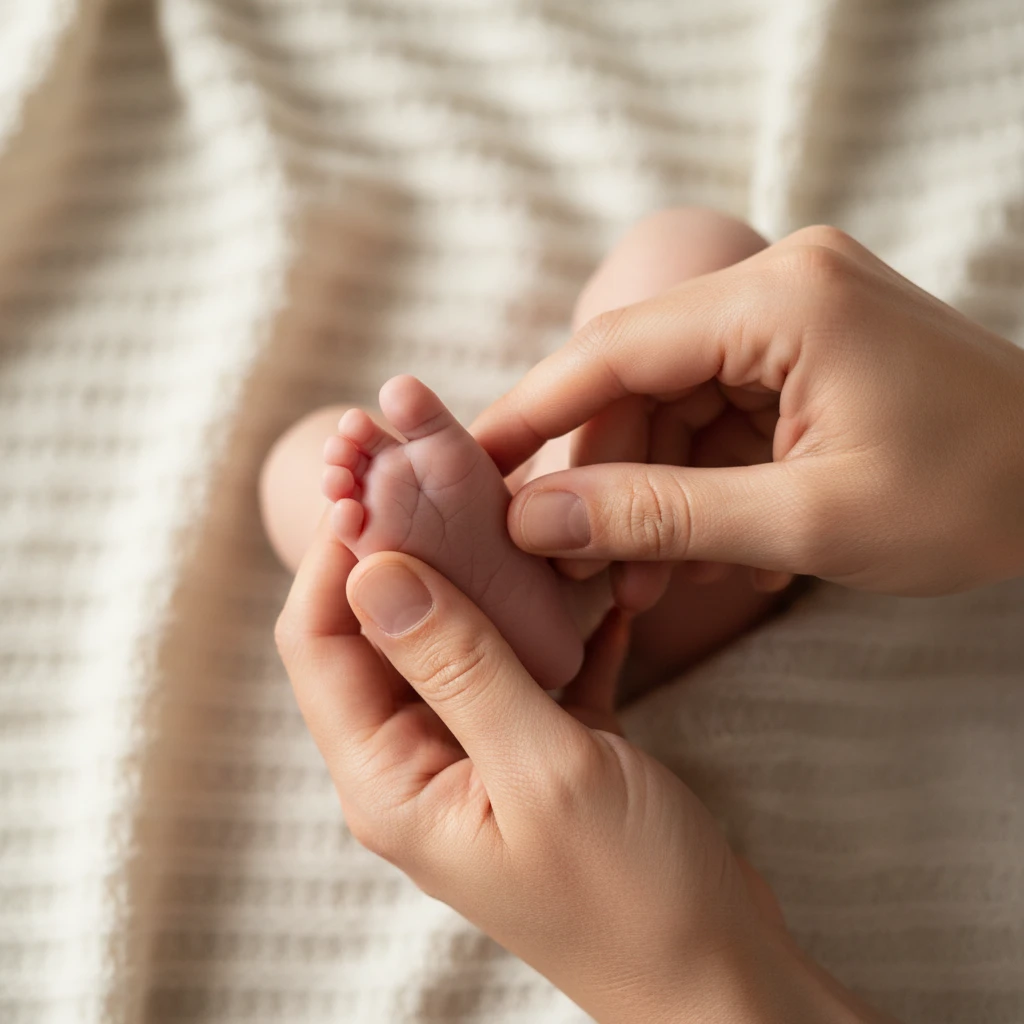
Before starting, always ensure your baby or child is calm, fed, and alert, but not overly tired. Find a warm, quiet spot where you can both relax. Use a tiny amount of baby-safe lotion or oil to allow your fingers to glide smoothly, but ensure it’s unscented and hypoallergenic. Always work gently, using light pressure, and stop if your child shows any signs of discomfort or disinterest.
Basic Hand and Foot Reflexology Points for Babies
Here are a few simple, common areas you can gently touch:
- For General Calming & Sleep: Gently stroke the entire sole of the foot from heel to toe, and then gently squeeze each toe individually. The pads of the toes are often associated with the head and brain, and gentle pressure here can be very calming. You can also gently massage the arch of the foot (corresponding to the spine) with your thumb in an upward motion.
- For Tummy Troubles (Colic, Gas, Constipation): Imagine a line across the centre of your baby’s foot, dividing the ball of the foot from the arch. The area below this line, leading down to the heel, corresponds to the digestive system. Use your thumb to ‘walk’ gently across this area in small, slow movements. Focus particularly on the mid-arch for the small intestine and the heel for the large intestine. You can also gently rotate the ankle to help relieve tension.
- For Chest & Lung Congestion: The ball of the foot, just below the toes, is often linked to the chest and lung areas. Gently ‘thumb walk’ across this area, applying very light pressure. This can sometimes help with congestion.
- For Teething Discomfort: Gently press and release the tips of your baby’s toes. The toes are often associated with the head, and targeting these points can sometimes provide a subtle distraction or relief from gum discomfort.
- For Head & Sinus Relief: The very tips of the toes are linked to the head and sinuses. Gentle circular motions on each toe tip can be soothing.
- Hand Reflexology: For children who don’t like their feet touched, the palms of their hands also contain similar reflex points. Gently massage the entire palm and gently squeeze each finger. For digestive issues, the centre of the palm can be helpful.
Remember, the power is in the gentle, loving touch and the connection, more than precise technical execution.
Simple Techniques for Calming and Connection
Beyond specific points, the act of giving your child a reflexology-inspired touch can be a powerful tool for bonding and calming:
- Bedtime Ritual: Incorporate 5-10 minutes of gentle foot or hand reflexology into your child’s bedtime routine. This consistent touch can signal relaxation and help them wind down.
- During Fussiness: When your baby is fussy but not inconsolable, try some gentle foot strokes. The rhythmic, soothing touch can sometimes redirect their attention and calm their nervous system.