
Living in Auckland, from the bustling CBD to the quiet bays of the North Shore, brings with it a unique set of stresses. whether you are navigating the traffic on the Southern Motorway or managing a high-pressure corporate role, the need for genuine relaxation and holistic healing is paramount. Reflexology has emerged as a preferred modality for many Aucklanders seeking relief from stress, pain, and hormonal imbalances. However, with dozens of clinics scattered across the isthmus, distinguishing a qualified therapist from a casual foot masseur is critical for your health.
To find the best reflexologist in Auckland, you must verify that the practitioner holds a Diploma in Reflexology and is a registered member of Reflexology New Zealand (RNZ). A top-tier professional will offer a comprehensive health consultation prior to treatment, operate from a hygienic, dedicated clinical space, and provide a tailored treatment plan rather than a generic foot massage.
Criteria for Choosing a Qualified Reflexologist
When searching for the best reflexologist Auckland has to offer, it is easy to be swayed by discount vouchers or flashy storefronts. However, reflexology is a precise science based on the principle that specific points on the feet, hands, and ears correspond to different organs and systems within the body. To ensure safety and efficacy, you must apply strict criteria during your selection process.
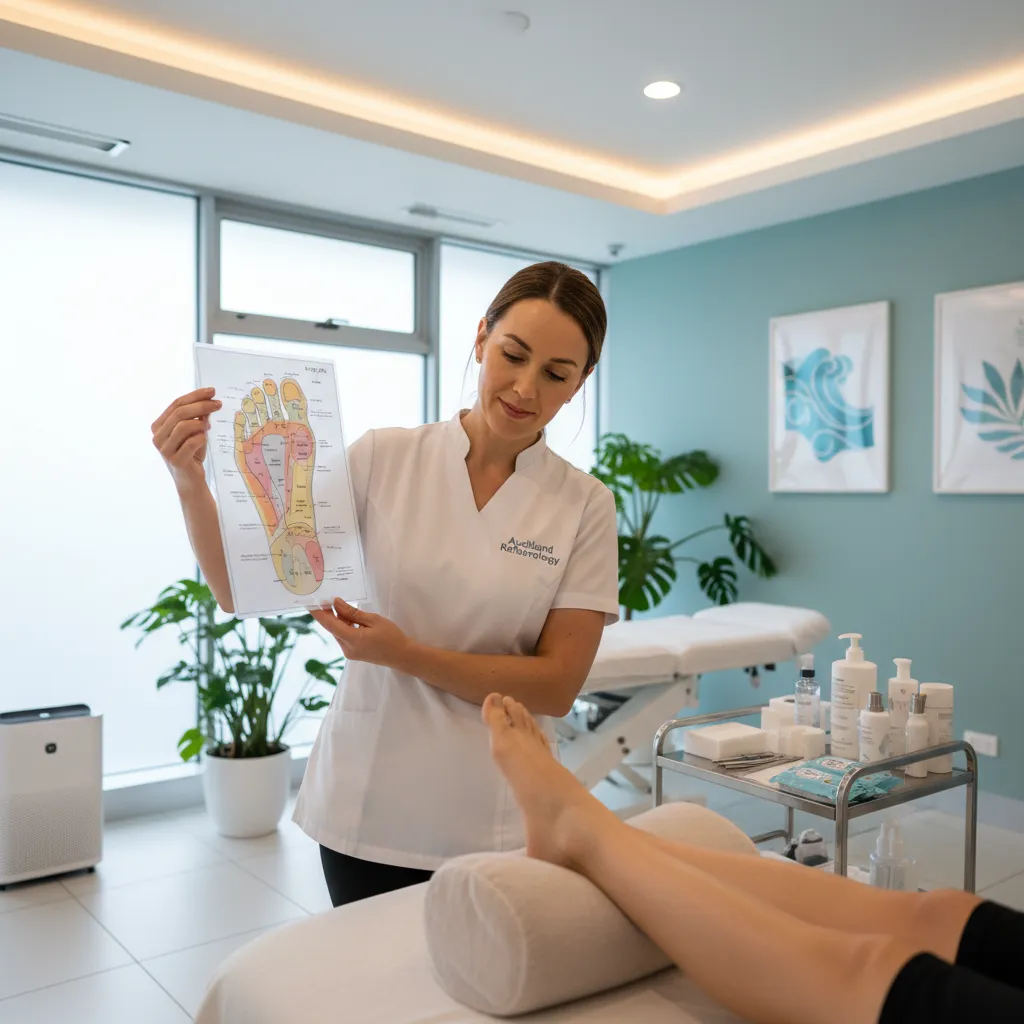
Certification and Professional Membership
The most critical factor is accreditation. In New Zealand, the industry is self-regulated, which means anyone can technically claim to offer reflexology. To protect yourself, look for practitioners who are members of Reflexology New Zealand (RNZ). Membership with RNZ ensures that the therapist has completed an approved course of study, typically a Diploma in Reflexology, holds a current First Aid certificate, and adheres to a strict Code of Ethics and Practice.
Many unqualified providers in shopping malls offer “reflexology” that is essentially a firm foot massage. While relaxing, this does not provide the therapeutic benefits of clinical reflexology, which aims to restore homeostasis (balance) to the body. Always ask to see their credentials or check their listing on the RNZ website before booking.
Hygiene and Clinic Atmosphere
The environment in which the therapy takes place is a strong indicator of the quality of service. A professional reflexologist in Auckland will maintain a clinic that is clinically clean yet conducive to relaxation. Look for:
- Sanitization Protocols: Fresh linens for every client and sanitized equipment are non-negotiable.
- Privacy: A dedicated treatment room where your medical history can be discussed confidentially, rather than a curtained-off section in a busy shop.
- Ambiance: The setting should promote the parasympathetic nervous system response (rest and digest). This includes appropriate lighting, temperature control, and the absence of jarring external noise.
Specialization and Experience
Reflexology is a broad field. Some practitioners in Auckland generalize, while others specialize in specific areas. Depending on your needs, you may want to look for a therapist with advanced training in:
- Maternity Reflexology: Supporting women through pregnancy, labour, and postpartum recovery.
- Palliative Care: Gentle techniques for those managing chronic illness or cancer recovery.
- Sports Recovery: Focusing on musculoskeletal issues and inflammation for athletes.
- Fertility Support: working with couples attempting to conceive.
What to Expect During Your First Auckland Session
If you have never visited a clinical reflexologist before, the experience differs significantly from a spa pedicure or a casual massage. Understanding the process can help alleviate anxiety and ensure you get the most out of your appointment.
The Consultation Process
Your first visit should always begin with a comprehensive consultation. The reflexologist will ask detailed questions about your medical history, lifestyle, diet, and sleep patterns. They need to know about any medication you are taking, recent surgeries, or chronic conditions. This information allows them to map out a treatment plan specifically for you. For example, certain reflex points must be avoided if you are in the first trimester of pregnancy or have a history of deep vein thrombosis (DVT).
The Physical Assessment
Before the treatment begins, the therapist will likely perform a visual and tactile examination of your feet. They are looking for:
- Skin condition: Corns, calluses, or verrucas (which may require avoiding specific areas).
- Structure: The arch height, toe alignment, and bunions.
- Temperature and Color: Cold feet might indicate poor circulation, while redness could suggest inflammation.
The Treatment Experience
You will remain fully clothed, removing only your socks and shoes. You will recline in a specialized chair, often a “zero-gravity” chair, which takes the pressure off your spine. The therapist will start with relaxation techniques to loosen the foot and ankle.
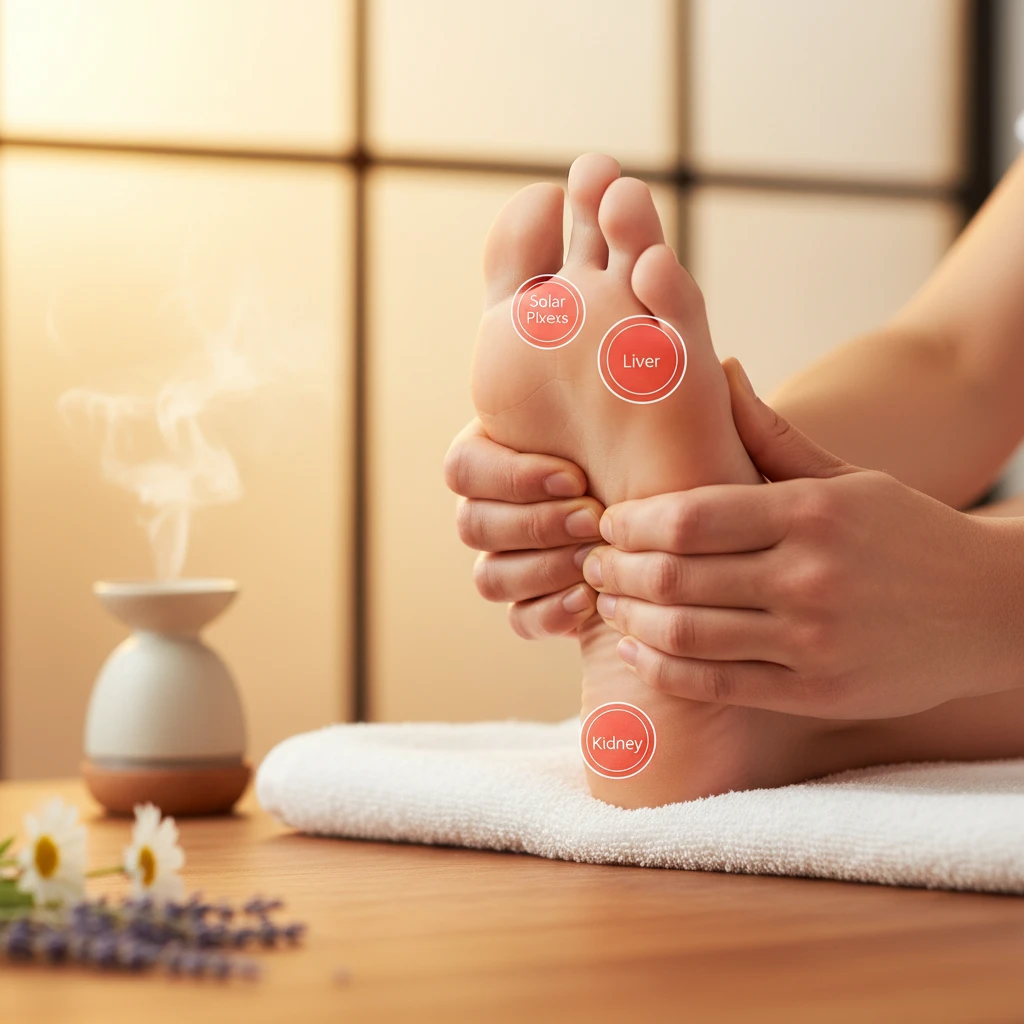
During the session, the reflexologist uses their thumbs and fingers to apply pressure to specific reflexes. You might feel:
- Crunchiness: Often referred to as “crystals” or deposits, indicating congestion in the corresponding body part.
- Sensitivity: Some points may feel tender. This is a sign of imbalance, not injury. A skilled therapist will work within your pain threshold—reflexology should not be excruciating.
- Sensations elsewhere: It is common to feel a tingling sensation in your hands or a release of tension in your stomach while your feet are being worked on.
Understanding Pricing and Service Options in Auckland
Pricing for reflexology in Auckland varies based on location, the practitioner’s experience, and the facility’s amenities. Being aware of the market rates helps you budget effectively and spot outliers that are either too good to be true or overpriced.
Standard Clinical Rates
For a qualified, RNZ-registered reflexologist working from a home clinic or a shared health center, you can expect to pay:
- 60-minute session: $90 – $120 NZD
- 90-minute session: $130 – $160 NZD
- Initial Consultation (often longer): $100 – $130 NZD
These practitioners usually offer concession cards (e.g., buy 5, get 1 free), which provides excellent value for long-term maintenance.
Luxury Spa and Hotel Pricing
If you visit a high-end day spa in the Auckland CBD or a luxury hotel, the rates will be higher to account for the premium facilities (robes, herbal teas, lounge access). Expect to pay between $140 and $190 NZD for a one-hour treatment. While the ambiance is superior, ensure the therapist is clinically trained if you are seeking health outcomes rather than just relaxation.
Mobile Reflexology
Mobile services are growing in popularity, particularly for the elderly or new mothers who cannot travel. A reflexologist will bring their chair and equipment to your home. Pricing usually includes a travel surcharge, typically ranging from $120 to $160 NZD per hour depending on your suburb.
Navigating Auckland Suburbs for Treatment
Auckland’s geography can dictate where you choose to seek treatment. Traffic congestion is a real factor in stress levels; you do not want to undo the benefits of your session by sitting in gridlock on the Harbour Bridge immediately afterward.
Central Business District (CBD) and Ponsonby
Practitioners here cater to corporate clients. Appointments are often strictly timed to fit lunch breaks. Parking can be expensive and difficult to find, so look for clinics that offer validated parking or are close to public transport hubs like Britomart. These clinics are ideal for mid-week stress management.
North Shore (Takapuna, Albany, Devonport)
The North Shore hosts many wellness centers and holistic health hubs. The vibe is generally more relaxed, and parking is often free and readily available. This area is excellent for longer, 90-minute deep-dive sessions where you don’t have to rush back to the office.
East and West Auckland
Suburbs like Titirangi in the West or Howick in the East often feature practitioners working from dedicated home studios. These settings can offer a more personal, quiet, and affordable experience compared to the high-rent commercial spaces in the city center.
Client Testimonials and Success Stories
Social proof is invaluable when selecting a health provider. When reading reviews for the best reflexologist Auckland has, look for detailed narratives rather than simple star ratings. Here is what to look for in testimonials:
- Specific Symptom Relief: “After three sessions, my migraines have reduced significantly” carries more weight than “Great massage.”
- Professionalism: Comments regarding the therapist’s ability to listen and adapt the pressure.
- Long-term Results: Reviews from clients who have been visiting the same therapist for years indicate consistency and trust.
For instance, many Aucklanders report success using reflexology to manage the stress of the housing market or high-pressure jobs. One client from Remuera noted, “I was skeptical at first, but my reflexologist identified my digestive issues just by working on my feet. The regular sessions have done more for my IBS than diet changes alone.”
People Also Ask (FAQ)
How much does a reflexologist cost in Auckland?
In Auckland, a standard 60-minute clinical reflexology session typically costs between $90 and $120 NZD. Luxury spas may charge upwards of $150, while student clinics or trainee practitioners may offer lower rates around $60.
Is reflexology covered by health insurance in NZ?
Some health insurance policies in New Zealand, such as Southern Cross Health Society (under the “Wellbeing Two” module with the Body Care add-on), may cover reflexology if the practitioner is a registered member of Reflexology New Zealand. Always check your specific policy wording.
How often should I get reflexology?
For specific health issues, a course of 4 to 6 weekly sessions is often recommended to see results. For general maintenance and stress relief, many Auckland clients find a monthly or fortnightly session sufficient.
Does reflexology hurt?
Reflexology should not be painful, but you may experience “tender” spots where there is congestion or imbalance in the body. A qualified therapist will work within your comfort zone, applying pressure that feels like “good pain” or release rather than sharp distress.
Can reflexology help with anxiety?
Yes, reflexology is highly effective for anxiety. It encourages the body to switch from the sympathetic (fight or flight) to the parasympathetic (rest and digest) nervous system, lowering cortisol levels and promoting deep relaxation.
What is the difference between a foot massage and reflexology?
A foot massage focuses on relaxing muscles and fascia. Reflexology is a therapeutic discipline that applies pressure to specific points on the feet that correspond to organs and systems in the body, aiming to treat holistic health issues rather than just tired feet.