
Exploring reflexology services in Auckland offers a unique pathway to holistic well-being, focusing on pressure points on the feet, hands, and face to promote healing and relaxation throughout the body. These specialized treatments aim to alleviate stress, improve circulation, and support the body’s natural restorative processes, providing a rejuvenating experience for Auckland residents seeking natural health solutions.
Overview of Available Reflexology Treatments in Auckland
Auckland’s vibrant wellness scene embraces a diverse range of reflexology treatments, each tailored to address specific needs and preferences. Reflexology, an ancient healing art, operates on the principle that specific points on the extremities correspond to organs and systems throughout the body. By applying precise pressure to these reflex areas, practitioners can stimulate energy pathways, reduce tension, and encourage the body’s innate healing mechanisms. Understanding the different types of reflexology available can help you choose the ideal service to match your wellness goals.
Traditional Foot Reflexology
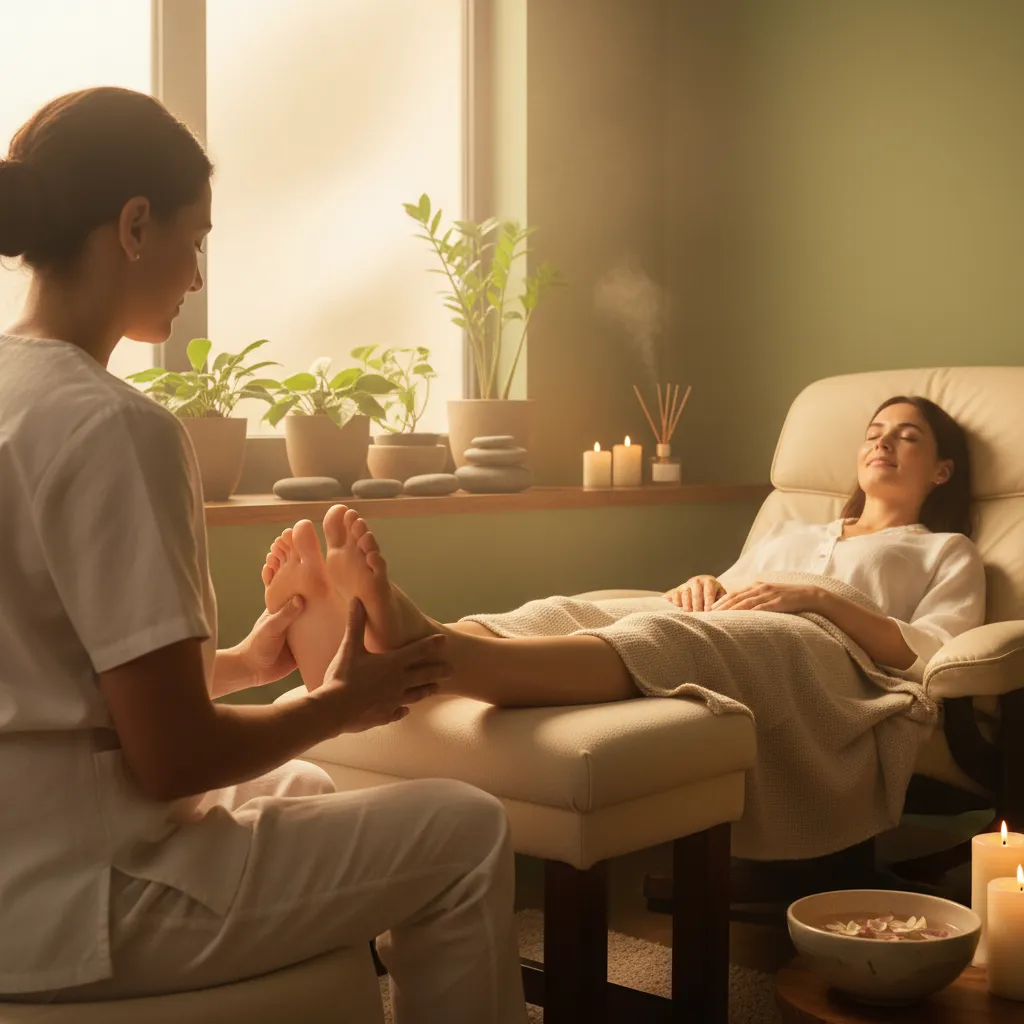
Traditional foot reflexology remains the most popular and widely recognized form of this therapy. It involves targeted pressure application to the feet, which are considered microcosms of the entire body. Each foot contains thousands of nerve endings, and by stimulating specific zones, a skilled reflexologist can influence various bodily functions. This treatment is highly effective for general relaxation, stress reduction, improving sleep quality, and alleviating common ailments like headaches and digestive issues. Many clients report a profound sense of calm and rejuvenation after a session.
Hand Reflexology for Specific Needs
For individuals who may have sensitive feet, injuries, or prefer an alternative approach, hand reflexology offers a powerful and convenient option. Similar to foot reflexology, the hands also contain reflex points corresponding to different body parts. Hand reflexology can be particularly beneficial for those with conditions affecting the upper body, such as carpal tunnel syndrome, shoulder tension, or general stress. It can also be easily self-administered between professional sessions for ongoing relief and maintenance.
Facial Reflexology: A Holistic Approach
Facial reflexology takes a uniquely holistic approach, combining the therapeutic benefits of reflexology with the aesthetic advantages of facial massage. This treatment focuses on specific points on the face, which are intricately linked to the central nervous system. Beyond deep relaxation and stress relief, facial reflexology can help improve circulation to the face, promote lymphatic drainage, and even contribute to a more radiant complexion. It’s often chosen by those looking for both therapeutic relief and a gentle, natural way to enhance their facial vitality. Some techniques, like the Bergman Method, are specifically designed to address neurological conditions and emotional balance.
Specialty Reflexology Sessions
Beyond the core treatments, many Auckland clinics offer specialized reflexology sessions tailored to specific life stages or health concerns:
- Maternity Reflexology: Designed to support women through pregnancy, preparing the body for labor, and aiding post-natal recovery.
- Stress and Anxiety Relief: Focused protocols to calm the nervous system and promote deep relaxation, ideal for those experiencing chronic stress.
- Digestive Health Support: Targeting reflex points associated with the digestive organs to assist with issues like bloating, constipation, or IBS symptoms.
- Pain Management: Working to reduce discomfort associated with various conditions, including back pain, sciatica, or arthritis.
Benefits of Regular Reflexology Sessions
Consistent engagement with reflexology can yield cumulative benefits, fostering long-term wellness. Regular sessions help to maintain the body’s energetic balance, strengthen the immune system, and enhance overall vitality. Many clients report improved mood, increased energy levels, and greater resilience to stress. It serves as a proactive approach to health, preventing imbalances before they manifest as more significant issues. For more in-depth information on the scientific understanding and efficacy of reflexology, you may consult authoritative sources like Wikipedia’s entry on Reflexology.
Pricing Information and Packages for Reflexology in Auckland
Understanding the investment in your well-being is crucial. Reflexology services in Auckland are structured to accommodate various budgets and needs, offering both single sessions and comprehensive packages. Prices generally reflect the practitioner’s experience, the clinic’s location, and the duration and type of treatment.
Standard Session Pricing
Typically, a standard reflexology session in Auckland ranges from 60 to 90 minutes. Prices for a 60-minute session generally fall between NZD $80 and $120. Longer sessions, such as 90 minutes, might range from NZD $110 to $160, offering more time for deeper relaxation and addressing multiple areas of concern. It’s always advisable to check with individual clinics for their specific pricing structure, as some may offer introductory rates or varying prices based on senior practitioners.
Package Deals and Membership Options
For those committed to regular reflexology, investing in package deals often provides significant savings. Many clinics offer:
- Multi-Session Packages: Purchase 3, 5, or 10 sessions upfront and receive a discount per session. This is ideal for ongoing maintenance or addressing chronic issues.
- Membership Programs: Some wellness centres offer monthly membership options that include a certain number of sessions at a reduced rate, along with other benefits like priority booking or discounts on other services.
- Combined Therapy Packages: Occasionally, you might find packages that combine reflexology with other complementary therapies like massage or aromatherapy for a holistic wellness experience.
Gift Vouchers and Special Offers
Reflexology makes a thoughtful gift for loved ones. Most Auckland clinics provide gift vouchers, allowing recipients to choose their preferred service. Look out for seasonal promotions, first-time client discounts, or loyalty programs which can make treatments more accessible. Subscribing to clinic newsletters is an excellent way to stay informed about current offers.
Understanding Value: What Influences Reflexology Costs?
The cost of reflexology is influenced by several factors:
- Practitioner Experience: Highly experienced or specialized reflexologists may charge more due to their expertise and advanced training.
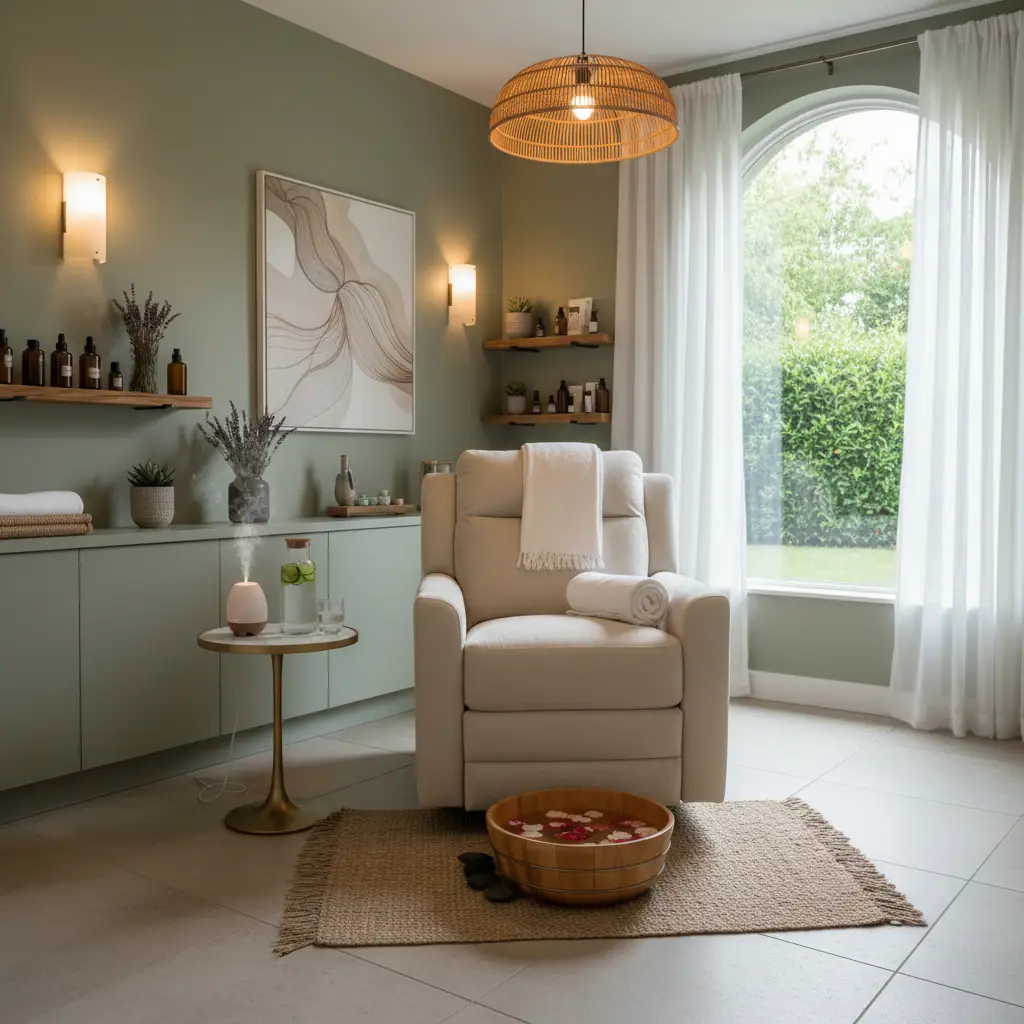
- Clinic Amenities: High-end wellness centres with luxurious facilities might have higher prices compared to smaller, independent practices.
- Location: Clinics in central Auckland or affluent areas may have slightly higher rates.
- Duration and Type of Service: Specialty treatments or longer sessions naturally command higher prices.
When comparing prices, consider the overall value, including the practitioner’s reputation, the quality of service, and the environment. A slightly higher price often reflects a superior experience and more profound results.
Easy Online Booking and Contact Options
Booking your reflexology session in Auckland is designed to be straightforward and convenient, ensuring that your path to relaxation and healing is seamless. Most reputable clinics offer a variety of ways to schedule your appointment and get in touch with their team.
How to Book Your Reflexology Session Online
The most efficient way to book is often through a clinic’s online booking system, typically found on their official website. These systems allow you to:
- View available dates and times in real-time.
- Select your preferred therapist (if applicable).
- Choose the specific reflexology treatment you desire.
- Receive instant confirmation of your appointment.
- Manage or reschedule appointments with ease.
Online booking offers 24/7 access, making it convenient to schedule at any time that suits you. For optimal health and safety practices, especially in the context of recent global health events, many practitioners adhere to strict guidelines outlined by health authorities, such as those recommended by the New Zealand Ministry of Health.
Finding the Right Practitioner: What to Look For
When selecting a reflexologist, consider these key factors:
- Qualifications and Training: Ensure they are certified by a recognized reflexology school or association.
- Experience: A practitioner with years of experience often brings a deeper understanding and intuition to their practice.
- Client Testimonials: Reviews and testimonials can offer insights into other clients’ experiences.
- Specializations: If you have a specific condition (e.g., fertility, pain relief), look for a therapist with expertise in that area.
- Comfort and Rapport: A good therapeutic relationship is built on trust and comfort. Don’t hesitate to have an initial conversation if available.
Contacting Our Auckland Clinic
While online booking is convenient, sometimes you may have specific questions or prefer to speak with someone directly. Most Auckland reflexology clinics provide:
- Phone Numbers: For immediate inquiries or to book over the phone.
- Email Addresses: For less urgent questions, detailed inquiries, or feedback.
- Contact Forms: Available on their website for easy messaging.
Don’t hesitate to reach out if you need clarification on services, pricing, or have specific health considerations you wish to discuss before booking.
Clinic Locations and Accessibility
Auckland’s reflexology clinics are spread across various suburbs, from the CBD to North Shore, West Auckland, and South Auckland, making them accessible to a wide range of residents. When choosing a clinic, consider:
- Proximity to Home or Work: For convenience and ease of travel.
- Public Transport Access: If you rely on buses, trains, or ferries.
- Parking Availability: Essential if you’re driving.
- Accessibility Features: If you have mobility challenges, ensure the clinic is wheelchair-friendly or has other necessary accommodations.
Detailed location information, including maps and directions, is usually available on each clinic’s website.
Preparing for Your First Reflexology Appointment
To maximize the benefits of your reflexology session, a little preparation can go a long way. Understanding what to expect and how to care for yourself before and after the treatment ensures a more positive and effective experience.
What to Expect During Your Session
Upon arrival, your reflexologist will typically conduct a brief consultation to understand your health history, current concerns, and wellness goals. You will then be invited to relax comfortably in a reclining chair or on a treatment table. You will remain fully clothed, removing only your shoes and socks for foot reflexology, or exposing hands/face as needed. The practitioner will then begin applying gentle to firm pressure using their thumbs and fingers to specific reflex points. While some areas might feel tender (indicating an energy imbalance), the overall experience should be deeply relaxing. Most sessions last between 60 to 90 minutes, allowing ample time for both therapy and relaxation.
How to Prepare for Optimal Benefits
- Stay Hydrated: Drink plenty of water in the hours leading up to your appointment.
- Eat Lightly: Avoid heavy meals right before your session; a light snack is fine.
- Wear Comfortable Clothing: Loose-fitting attire will enhance your comfort and relaxation.
- Communicate: Be open with your reflexologist about any discomfort or preferences during the session.
- Arrive Early: This allows you to de-stress and get settled without feeling rushed.
Post-Session Care and Recommendations
After your reflexology session, it’s common to feel deeply relaxed, sometimes even sleepy. Some individuals might experience mild detox symptoms like increased urination, slight fatigue, or heightened emotions. These are generally temporary and indicate your body’s natural healing processes at work.
- Drink Water: Continue to hydrate throughout the day to help flush out toxins.
- Rest: Allow your body time to integrate the benefits of the session; avoid strenuous activities.
- Observe Your Body: Pay attention to any changes or improvements in your symptoms over the next few days.
- Avoid Alcohol/Caffeine: For at least 24 hours, to allow your body to fully process the treatment.
Common Misconceptions About Reflexology
It’s important to clarify what reflexology is and isn’t:
- Not a Foot Massage: While relaxing, reflexology is a therapeutic treatment focused on specific reflex points, not just general muscle manipulation.
- Not a Cure-All: Reflexology is a complementary therapy that supports the body’s healing, not a replacement for conventional medical treatment.
- Not Painful: While some tender spots may be felt, the pressure should not be overtly painful. Communicate with your therapist if you experience discomfort.
- Doesn’t Diagnose: Reflexologists do not diagnose medical conditions but use tender reflex points as indicators of energy imbalances.
By understanding and preparing for your reflexology experience, you can ensure a deeply beneficial and transformative journey toward enhanced well-being in Auckland.
People Also Ask
What is reflexology good for?
Reflexology is highly effective for reducing stress, promoting deep relaxation, improving circulation, and helping the body achieve a state of balance. It’s often sought for alleviating headaches, digestive issues, sleep problems, and providing support for various chronic conditions by stimulating the body’s natural healing capabilities.
Is reflexology painful?
Reflexology should not be painful. While some reflex points corresponding to areas of imbalance or tension in the body may feel tender or sensitive when pressed, the pressure applied is generally comfortable and therapeutic. Always communicate with your reflexologist if you experience any significant discomfort, as they can adjust their technique.
How often should I get reflexology?
The frequency of reflexology sessions depends on your individual needs and wellness goals. For acute issues or significant stress, weekly sessions for a period may be beneficial. For general well-being, relaxation, and maintenance, monthly or bi-monthly sessions are often recommended. Your reflexologist can provide personalized guidance after your initial consultation.
What should I do after reflexology?
After a reflexology session, it’s important to drink plenty of water to help flush out toxins, rest and relax to allow your body to integrate the treatment, and avoid strenuous activities, heavy meals, or excessive caffeine/alcohol for the rest of the day. Pay attention to how your body feels and note any changes.
What’s the difference between reflexology and massage?
While both are therapeutic, reflexology focuses on specific reflex points on the feet, hands, or face that correspond to different body organs and systems, aiming to stimulate the body’s natural healing. Massage, on the other hand, involves broader manipulation of muscles and soft tissues throughout the body to relieve tension, improve circulation, and promote general relaxation.
Can reflexology help with anxiety?
Yes, reflexology is widely recognized for its ability to help manage anxiety. By inducing deep relaxation, calming the nervous system, and promoting a sense of well-being, reflexology can significantly reduce symptoms of stress and anxiety. Regular sessions can help individuals feel more grounded and less overwhelmed.