The different types of reflexology, including foot, hand, and ear, are distinct yet interconnected complementary therapies that apply pressure to specific points on the body to promote natural healing, relaxation, and overall well-being. Each modality offers unique benefits and applications, catering to various individual needs and preferences.
What is Reflexology? An Ancient Healing Art
Reflexology is a non-invasive complementary health therapy based on the principle that there are reflex areas in the feet, hands, and ears that correspond to all organs, glands, and parts of the body. By applying pressure to these reflexes, a reflexologist can stimulate the body’s natural healing processes, improve circulation, reduce stress, and restore balance. Originating in ancient Egypt and China, its modern form was developed in the early 20th century, notably by Dr. William Fitzgerald and later refined by Eunice Ingham. It operates on the premise that stimulating these reflex points unblocks energy pathways, allowing the body to function optimally.
While often mistaken for massage, reflexology is distinct in its therapeutic approach. Massage typically works on muscles and soft tissues to relieve tension, whereas reflexology focuses on specific reflex points to impact corresponding areas throughout the body. The practice is gaining significant traction worldwide as a holistic approach to health, offering a gentle yet powerful means to support physical and emotional well-being.
Foot Reflexology: The Foundation of the Practice
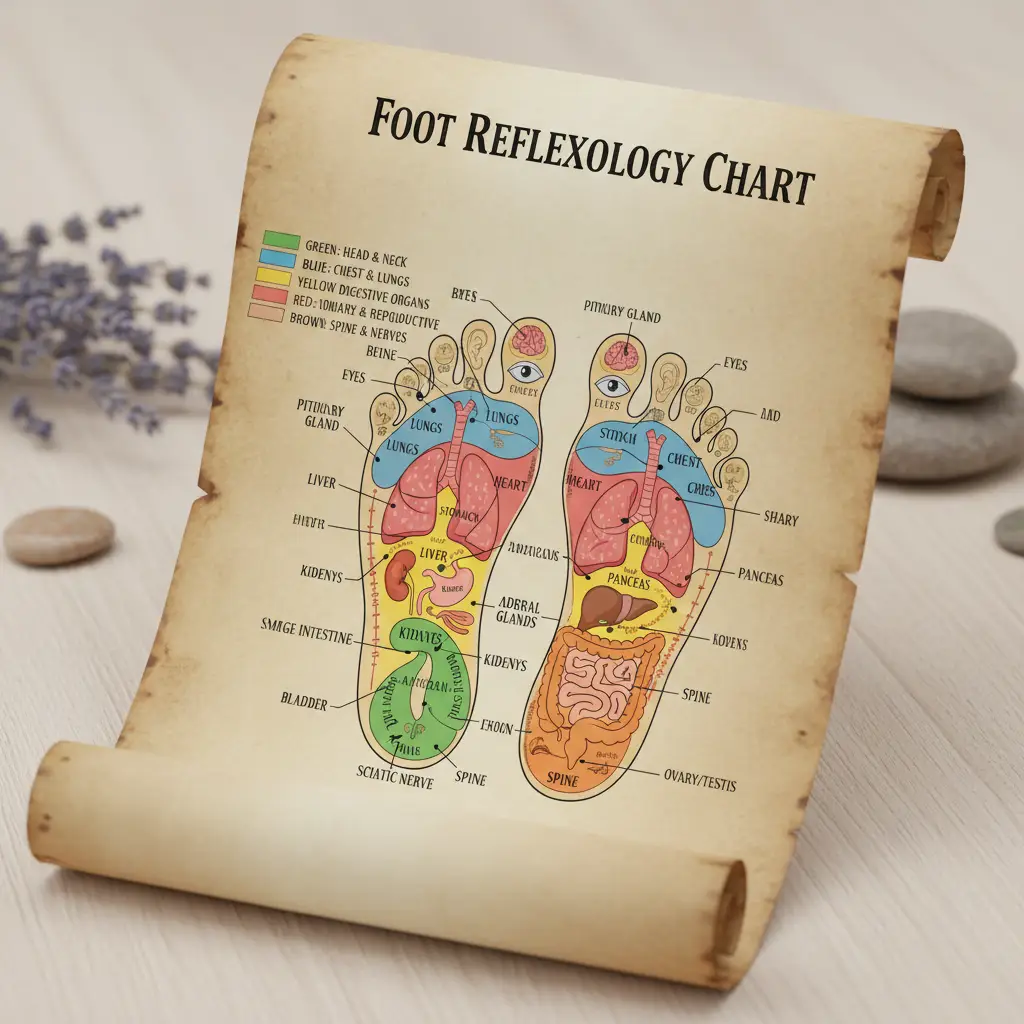
Foot reflexology is arguably the most recognized and widely practiced form, often serving as the gateway for many to experience the benefits of this therapy. The feet are considered a comprehensive map of the entire body, with thousands of nerve endings that make them highly responsive to therapeutic touch.
The Underlying Principles and Mapping
The intricate maps used in foot reflexology divide each foot into zones and specific points that correspond to various organs, glands, and body parts. For instance, the toes often relate to the head and neck, the ball of the foot to the chest and lungs, the arch to the digestive organs, and the heel to the lower back and pelvis. Practitioners use specific thumb and finger techniques to apply pressure, working systematically across the entire foot.
Benefits and Applications
- Stress Reduction and Relaxation: By stimulating nerve endings and promoting the release of endorphins, foot reflexology induces a deep state of relaxation, significantly reducing stress and anxiety.
- Improved Circulation: The manipulation of reflex points helps to improve blood flow, delivering more oxygen and nutrients to cells and aiding in the removal of waste products.
- Pain Relief: It can be highly effective in alleviating various types of pain, including headaches, back pain, and menstrual discomfort, by addressing underlying imbalances.
- Detoxification: By stimulating organs like the kidneys and liver, foot reflexology supports the body’s natural detoxification processes.
- Enhanced Organ Function: Regular sessions can help optimize the function of internal organs and glands, contributing to overall systemic balance.
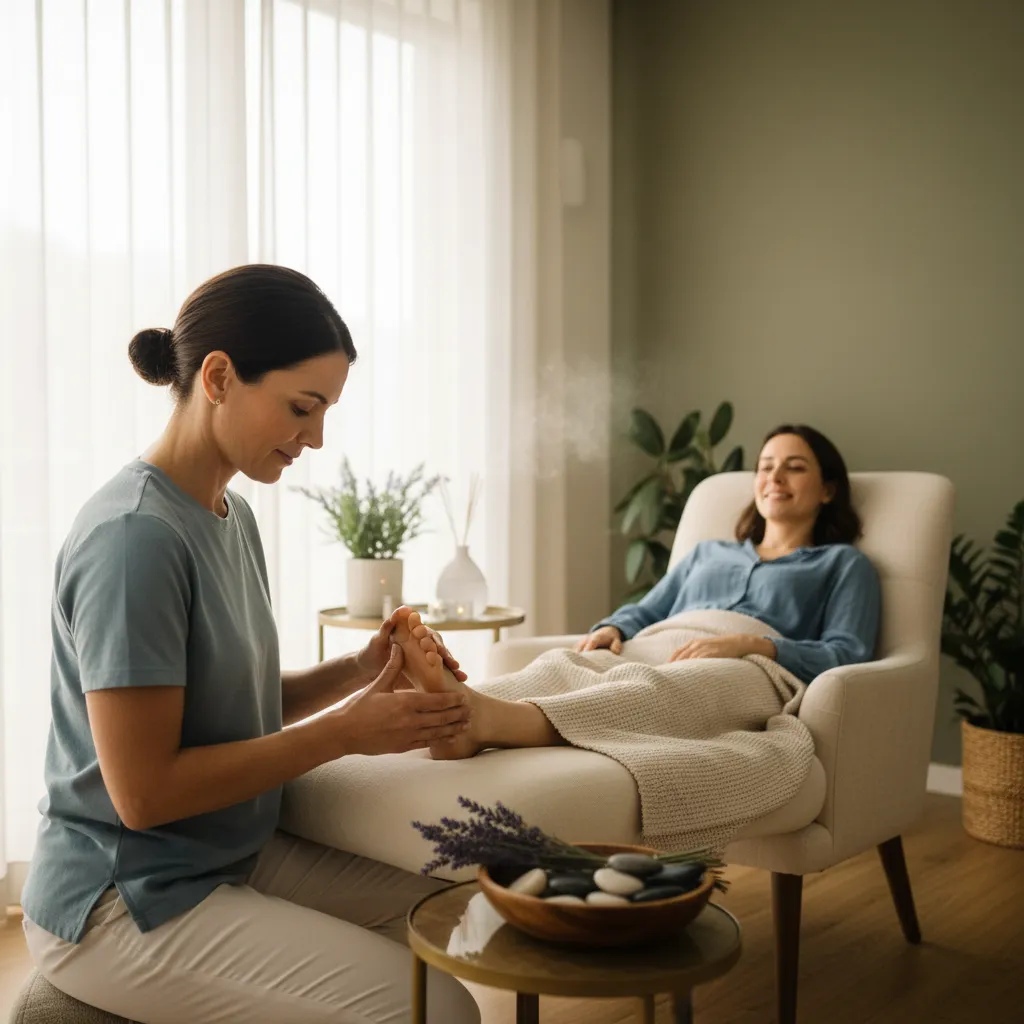
A typical foot reflexology session usually lasts between 45 to 60 minutes. Clients remain fully clothed, removing only their shoes and socks. The practitioner will often start with a relaxing foot bath, followed by a thorough examination and application of pressure to various reflex points. The sensation can range from gentle pressure to a deeper, more intense feeling, especially in areas corresponding to imbalances in the body. The goal is always to work within the client’s comfort level.
Hand Reflexology: Convenience and Self-Care
Hand reflexology offers a convenient and accessible alternative or complement to foot reflexology, making it an excellent option for self-care, use in situations where feet are inaccessible, or for individuals with foot injuries or sensitivities.
Mapping and Techniques
Similar to the feet, the hands also contain a complete map of the body’s reflexes, though these points are often more condensed. The mapping principles are largely consistent: the fingers correspond to the head and neck, the fleshy part below the fingers to the chest, the palm to the digestive system, and the wrist to the lower back and pelvis. Practitioners use their thumbs and fingers to apply pressure, often utilizing a slightly different technique due to the smaller and bonier structure of the hands compared to the feet.
Specific Benefits and Accessibility
- Self-Care and Portability: Its primary advantage is the ease with which individuals can practice hand reflexology on themselves, even in public settings, offering immediate stress relief or pain management.
- Relief for Hand and Wrist Conditions: It can be particularly beneficial for conditions like arthritis in the hands, carpal tunnel syndrome, and general hand stiffness, promoting flexibility and reducing pain.
- Complementary Therapy: Often used in conjunction with foot reflexology, hand reflexology provides continuous therapeutic input, especially when foot sessions are not feasible.
- Stress and Anxiety Reduction: Applying pressure to the hands can quickly calm the nervous system, providing a sense of groundedness and peace.
Hand reflexology sessions are typically shorter than foot sessions, often ranging from 30 to 45 minutes. It’s an ideal choice for busy individuals or those looking for a quick therapeutic boost. Many people learn basic hand reflexology techniques to manage stress at work or alleviate minor discomforts throughout their day.
Ear Reflexology (Auriculotherapy): A Micro-System Approach
Ear reflexology, also known as auriculotherapy or auricular therapy, is a micro-system technique, meaning the entire body is represented on a smaller, defined area—in this case, the ear. Its origins can be traced back to ancient China, but its modern application was significantly developed in the 1950s by French physician Dr. Paul Nogier.
The Ear Map and How it Works
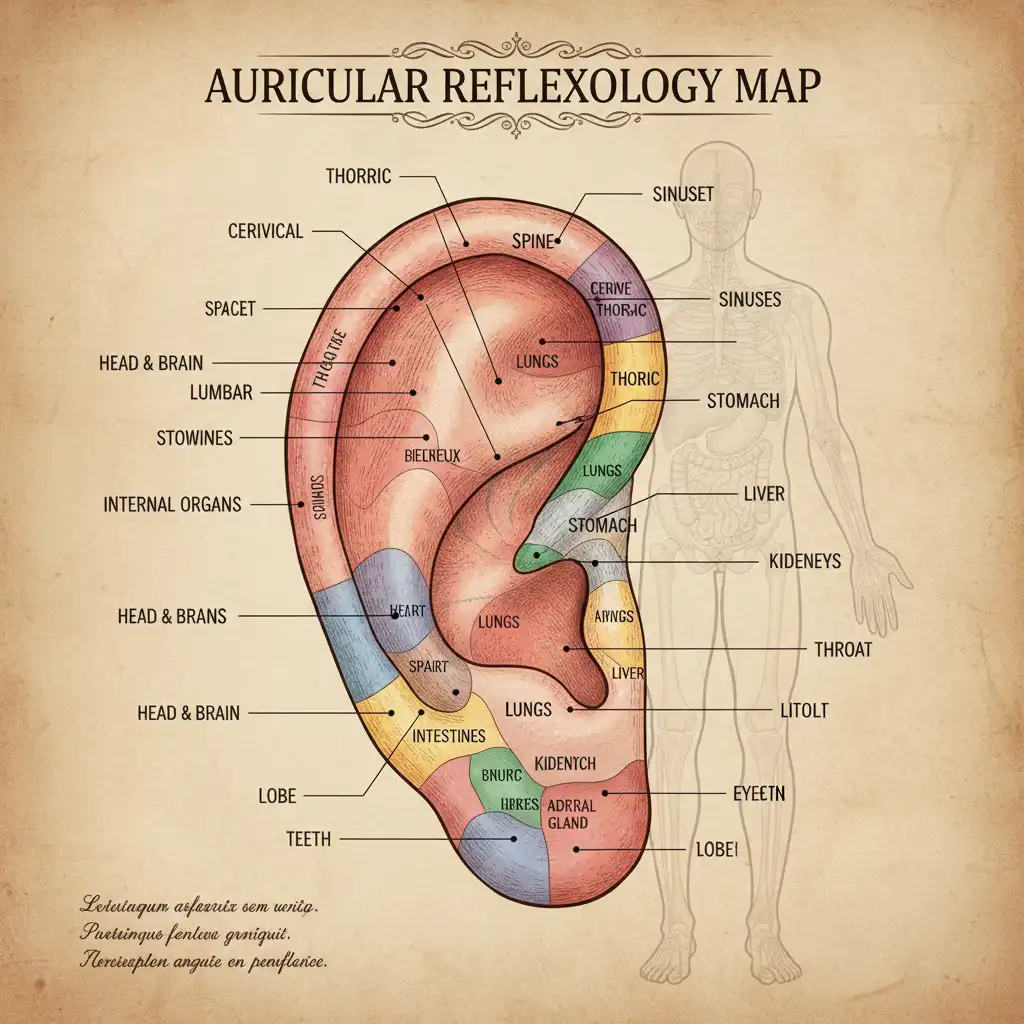
The ear map, often depicted as an inverted fetus, shows specific points on the auricle (outer ear) that correspond to different parts of the body. For example, the lobe corresponds to the head, the helix to the spine, and the concha to internal organs. Stimulation of these points is believed to send signals to the brain, which then relays them to the corresponding body part, influencing healing and regulation.
Key Benefits and Distinct Applications
- Pain Management: Auriculotherapy is frequently used for acute and chronic pain conditions, including back pain, sciatica, headaches, and dental pain.
- Addiction Support: It has shown promise in helping individuals manage cravings and withdrawal symptoms related to smoking, alcohol, and drug addictions.
- Stress, Anxiety, and Depression: Stimulating specific ear points can help calm the nervous system, reduce anxiety, and improve mood.
- Weight Management: Some protocols involve ear reflexology to help curb appetite and support weight loss efforts.
- Digestive Issues: Points related to the digestive system can be stimulated to alleviate symptoms of indigestion, nausea, and irritable bowel syndrome.
Unlike foot and hand reflexology, ear reflexology often utilizes tools like probes, ear seeds (tiny seeds or pellets taped to specific points), or even low-level lasers for stimulation. While a practitioner will typically initiate treatment, ear seeds allow for continuous stimulation between sessions. This method is particularly valued for its potential in addressing neurological issues and conditions related to addiction due to the ear’s direct connection to the brain via cranial nerves.
Choosing the Right Type of Reflexology for You
Deciding which type of reflexology is best suited to your needs involves considering several factors, including your specific health concerns, lifestyle, and personal preferences.
Considerations for Selection:
- Specific Ailments: For systemic balance and deep relaxation, foot reflexology is often the first choice. For localized pain in the hands or immediate stress relief, hand reflexology is excellent. For issues like addiction, chronic pain, or neurological conditions, ear reflexology might be particularly effective.
- Accessibility and Mobility: If you have foot injuries, extreme sensitivity, or limited mobility, hand or ear reflexology offers viable alternatives. Hand reflexology is also ideal for self-application at any time.
- Time Commitment: Foot reflexology sessions are generally longer, offering a more immersive experience, while hand and ear sessions can be shorter and more convenient for busy schedules.
- Personal Preference: Some individuals simply prefer having their feet worked on, finding it incredibly grounding, while others might prefer the less intrusive nature of ear reflexology.
- Practitioner Expertise: The skill and specialization of your reflexologist also play a crucial role. Many practitioners are trained in multiple modalities and can advise on the best approach.
It’s important to remember that these types are not mutually exclusive. Many people benefit from a combination of therapies, integrating different forms of reflexology into their wellness routine for comprehensive care. Consulting with a qualified reflexologist can help you determine the most appropriate approach based on your unique health profile and goals.
The Holistic Benefits of Reflexology (In Auckland)
Beyond the specific applications of each type, reflexology as a whole offers profound holistic benefits that resonate with individuals seeking natural health solutions. Whether you’re in Auckland or anywhere else, the core principles of reflexology aim to support the body’s innate ability to heal.
- Stress Reduction: Modern life in bustling cities like Auckland often leads to high-stress levels. Reflexology offers a powerful antidote, promoting deep relaxation and helping to regulate the nervous system.
- Improved Energy Levels: By clearing energy blockages and enhancing circulation, reflexology can revitalize the body, leading to increased vitality and reduced fatigue.
- Better Sleep Quality: Many recipients report improved sleep patterns and relief from insomnia after regular reflexology sessions.
- Enhanced Mood: The release of endorphins and the overall calming effect contribute to an improved sense of well-being and can help alleviate symptoms of anxiety and mild depression.
- Support for Chronic Conditions: While not a cure, reflexology can significantly complement conventional treatments for a range of chronic conditions, helping manage symptoms and improve quality of life. For further understanding of how complementary therapies integrate with conventional medicine, the World Health Organization (WHO) provides valuable insights.
The beauty of reflexology lies in its ability to treat the person as a whole, addressing not just symptoms but the underlying imbalances that may contribute to them. In Auckland, a growing community of practitioners is helping individuals integrate these benefits into their health and wellness journeys.
Finding a Qualified Reflexologist in Auckland
When seeking reflexology services in Auckland, it’s crucial to choose a qualified and experienced practitioner to ensure a safe and effective treatment. Look for professionals who are certified by reputable institutions and are members of professional associations, such as Reflexology New Zealand (Reflexology NZ), which often have directories of accredited therapists. These affiliations ensure practitioners adhere to high standards of training and ethical practice.
Don’t hesitate to ask about their experience, specific training in foot, hand, or ear reflexology, and their approach to client care. A good reflexologist will conduct a thorough consultation to understand your health history and specific concerns, tailoring the treatment to your individual needs. Word-of-mouth referrals and online reviews can also be excellent resources for finding a trusted practitioner in the Auckland region.
In conclusion, the world of reflexology offers diverse pathways to health and well-being through its distinct forms: foot, hand, and ear. Each type, while unique in its application and specific benefits, upholds the core principle of stimulating the body’s natural healing capabilities. Whether you seek deep relaxation through foot reflexology, convenient self-care with hand reflexology, or targeted relief via auriculotherapy, understanding these differences empowers you to make an informed choice. Integrating reflexology into your lifestyle, especially with the guidance of a qualified practitioner, can unlock profound benefits for your physical and mental health. For more detailed information on reflexology in general, Wikipedia offers a comprehensive overview of its history, theories, and practices.
People Also Ask (PAA)
What are the main differences between foot, hand, and ear reflexology?
The main differences lie in the specific reflex points used and their accessibility. Foot reflexology uses a large, detailed map on the feet for comprehensive bodywork, promoting deep relaxation. Hand reflexology is more accessible for self-care and offers convenience, with condensed reflex points. Ear reflexology (auriculotherapy) is a microsystem, often used for targeted issues like pain, addiction, and neurological conditions, with points on the ear directly linked to specific body parts.
Is reflexology painful?
Reflexology should not be painful in a way that causes discomfort. While some reflex points corresponding to areas of imbalance in the body might feel tender or sensitive, a good reflexologist will always work within your comfort threshold. The sensation is often described as firm pressure rather than pain, and many find it deeply relaxing.
How long does a reflexology session typically last?
The duration of a reflexology session can vary by type and practitioner. Foot reflexology sessions commonly last between 45 to 60 minutes, allowing for thorough work on all reflex points. Hand reflexology sessions are often shorter, around 30 to 45 minutes, making them convenient for quick relief. Ear reflexology sessions can also range from 30 minutes, especially if using ear seeds for ongoing stimulation.
Can I practice reflexology on myself?
Yes, you can certainly practice basic reflexology techniques on yourself, especially hand reflexology. Learning simple methods for applying pressure to your own hands or feet can be an excellent way to manage stress, alleviate minor discomforts, and promote relaxation between professional sessions. However, for deeper therapeutic benefits and specific health concerns, consulting a qualified reflexologist is recommended.
Is reflexology safe for everyone?
Reflexology is generally considered safe for most people, including pregnant women (after the first trimester and with a specialized practitioner), children, and the elderly. However, there are some contraindications or situations where caution is advised, such as active infections, recent surgeries (especially on feet/hands/ears), blood clots, or certain serious medical conditions. Always inform your reflexologist of your full medical history to ensure a safe and appropriate treatment plan.
How often should I have reflexology sessions?
The frequency of reflexology sessions depends on your individual needs and health goals. For acute conditions or significant stress, weekly sessions may be beneficial initially. For chronic conditions, bi-weekly or monthly sessions might be recommended to maintain benefits. For general well-being and maintenance, a session every 4-6 weeks is often sufficient. Your reflexologist can advise on the best schedule during your consultation.