Types of reflexology techniques encompass a diverse range of modalities, primarily rooted in Classical Zone Therapy and evolving into modern anatomical mapping. These methods include thumb-walking, finger-kneading, and specialized approaches like Vertical Reflexology Therapy (VRT) and Reflexology Lymph Drainage (RLD), all designed to stimulate nerve endings to promote systemic healing and homeostasis.
Reflexology is far more than a simple foot massage; it is a sophisticated complementary therapy that relies on the premise that specific points on the feet, hands, and ears correspond to different organs and systems within the body. While the practice has ancient roots, the specific methodologies used by practitioners today vary significantly. Understanding the distinction between classical Zone Therapy and contemporary adaptations is crucial for anyone seeking effective treatment, whether you are a practitioner or a client looking for the best Reflexology Auckland has to offer.
The Foundations: Classical Zone Therapy
To truly understand the various types of reflexology techniques available today, one must look back at the origins of the practice in the West. The concept of Zone Therapy is the bedrock upon which modern reflexology was built.
The History of Zone Theory
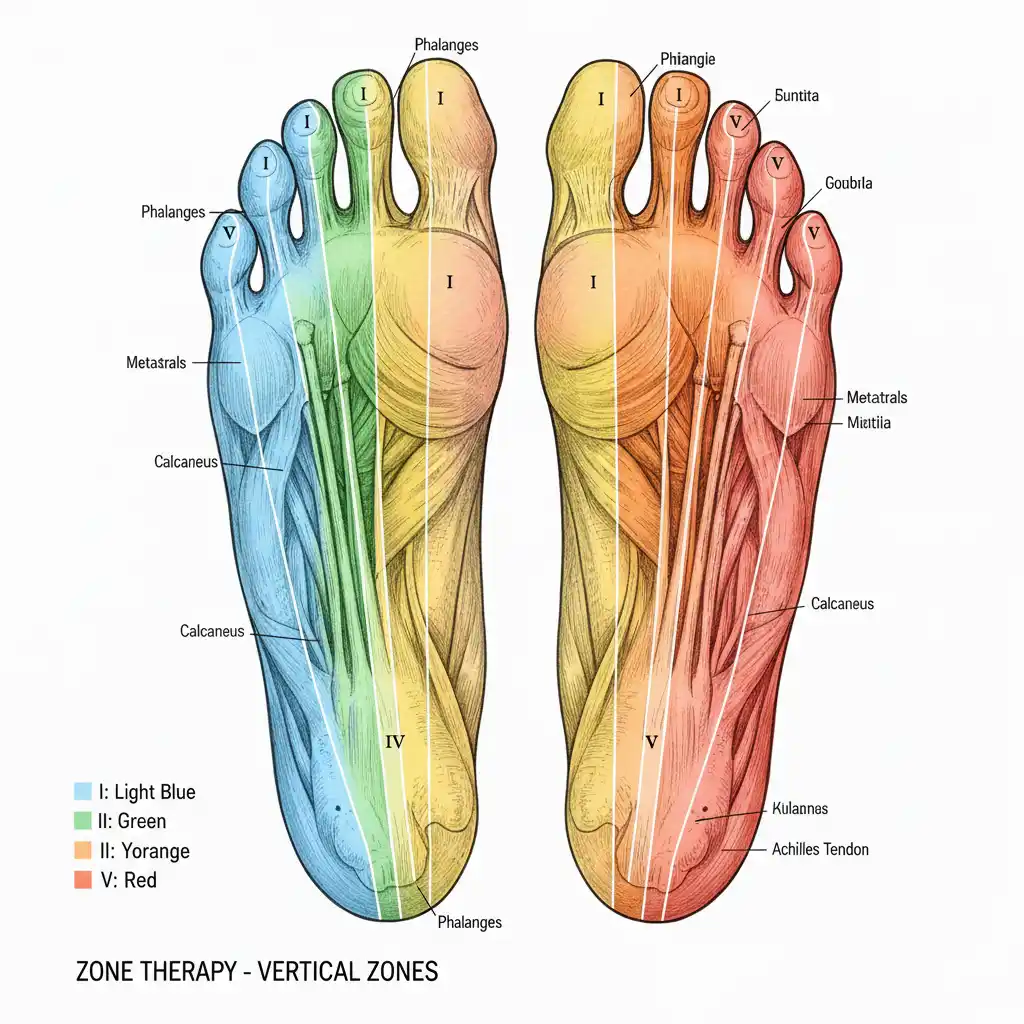
Zone Therapy was introduced to the Western medical community in the early 20th century by Dr. William Fitzgerald, an ear, nose, and throat specialist. He discovered that applying pressure to certain parts of the fingers or toes could create an anesthetic effect in corresponding areas of the body. He mapped the body into ten vertical zones, five on each side, extending from the top of the head to the tips of the toes and fingers.
This longitudinal division means that energy—or “Qi” in Eastern traditions—flows through these zones. A blockage in a specific zone in the foot is believed to affect the entire length of that zone throughout the body. For example, the big toe corresponds to zone one, which runs up the center of the body, influencing the brain, spine, and pituitary gland.
Eunice Ingham’s Contribution
While Fitzgerald laid the theoretical groundwork, it was Eunice Ingham, a physiotherapist, who meticulously mapped these zones onto the feet in the 1930s. She developed the specific manual techniques that differentiated reflexology from general massage. Ingham is often referred to as the “Mother of Reflexology” because she discovered that the feet were more responsive than the hands due to their sensitivity. Her work transitioned the practice from mere anesthesia (numbing pain) to a therapeutic modality capable of stimulating healing.
Modern Reflexology Approaches and Adaptations
While Classical Zone Therapy remains the skeleton of the practice, modern reflexology has added the muscle and skin. Contemporary approaches have evolved to include detailed anatomical mapping, neuro-reflexology, and energetic integration.
Anatomical Mapping
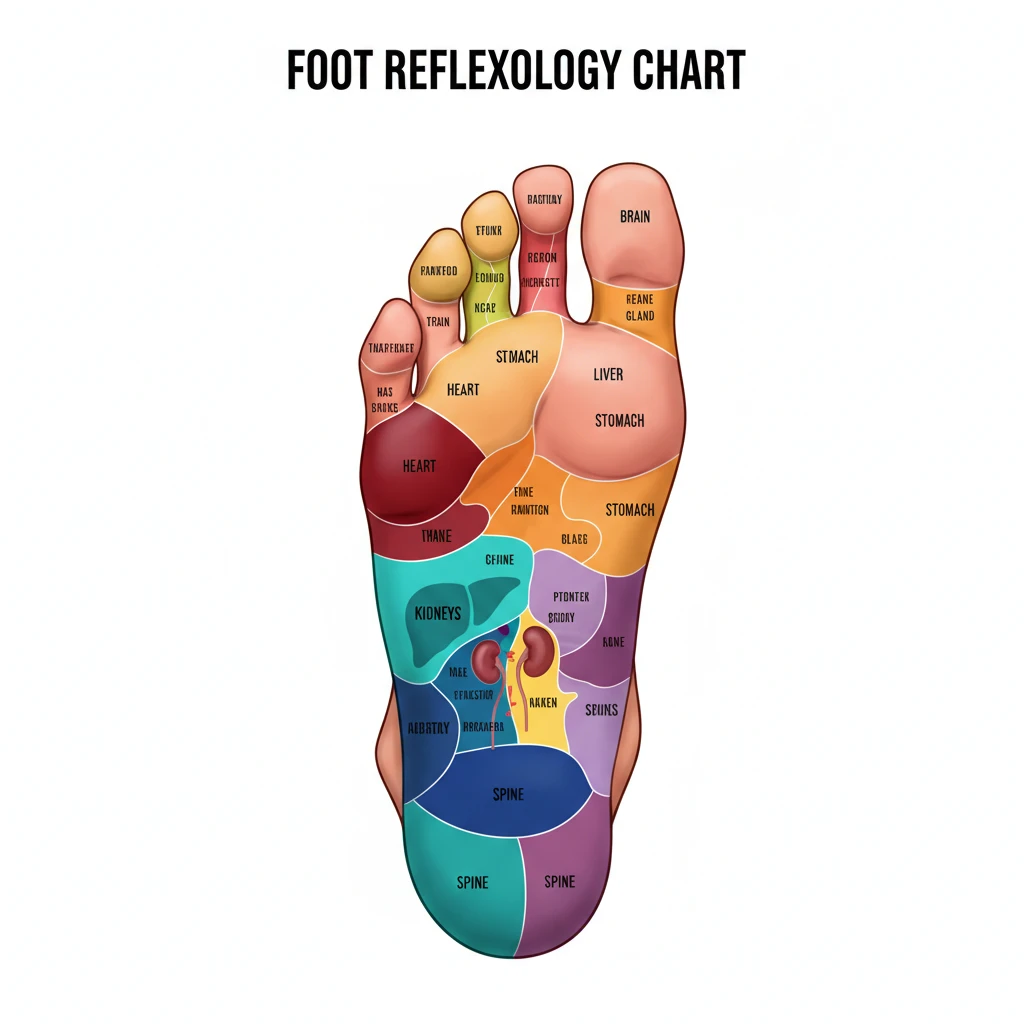
Modern reflexology has moved beyond simple vertical zones to a more complex “microcosm” theory. This approach views the foot as a complete map of the human body. Unlike the broad strokes of Zone Therapy, modern anatomical mapping locates specific reflexes for precise organs—such as the mitral valve of the heart or the ileocecal valve in the digestive tract—with pinpoint accuracy. This allows practitioners to target specific pathologies rather than just general areas of the body.
Neuro-Reflexology
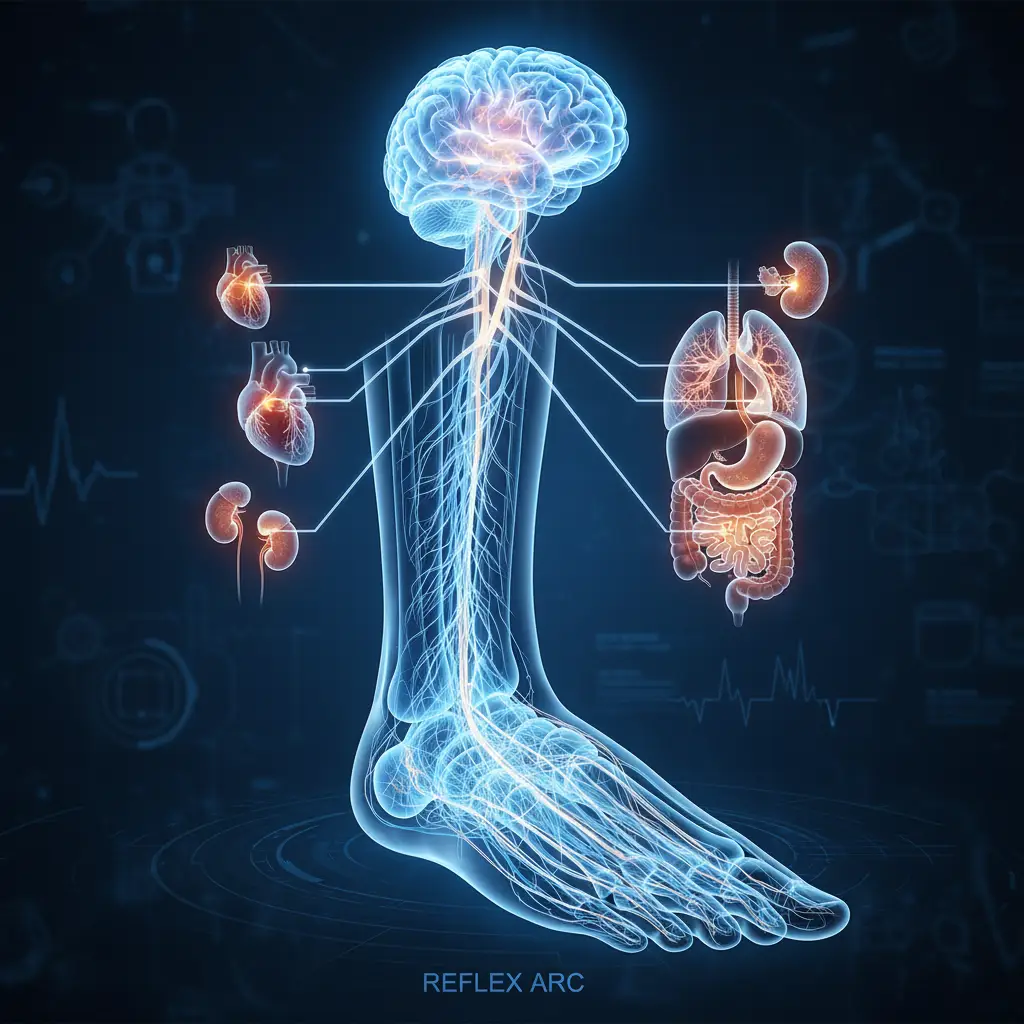
This modern adaptation focuses heavily on the nervous system. It posits that the benefits of reflexology are mediated through the neural pathways. By stimulating nerve endings in the feet (which contain over 7,000 nerve endings), the therapist sends signals through the peripheral nervous system to the central nervous system, helping to modulate pain and reduce autonomic nervous system arousal (stress).
Core Manual Techniques: Thumb Walking and Beyond
The efficacy of reflexology lies in the application. The types of reflexology techniques used to apply pressure are what distinguish a trained reflexologist from a massage therapist. The following are the industry-standard manual techniques.
Thumb Walking
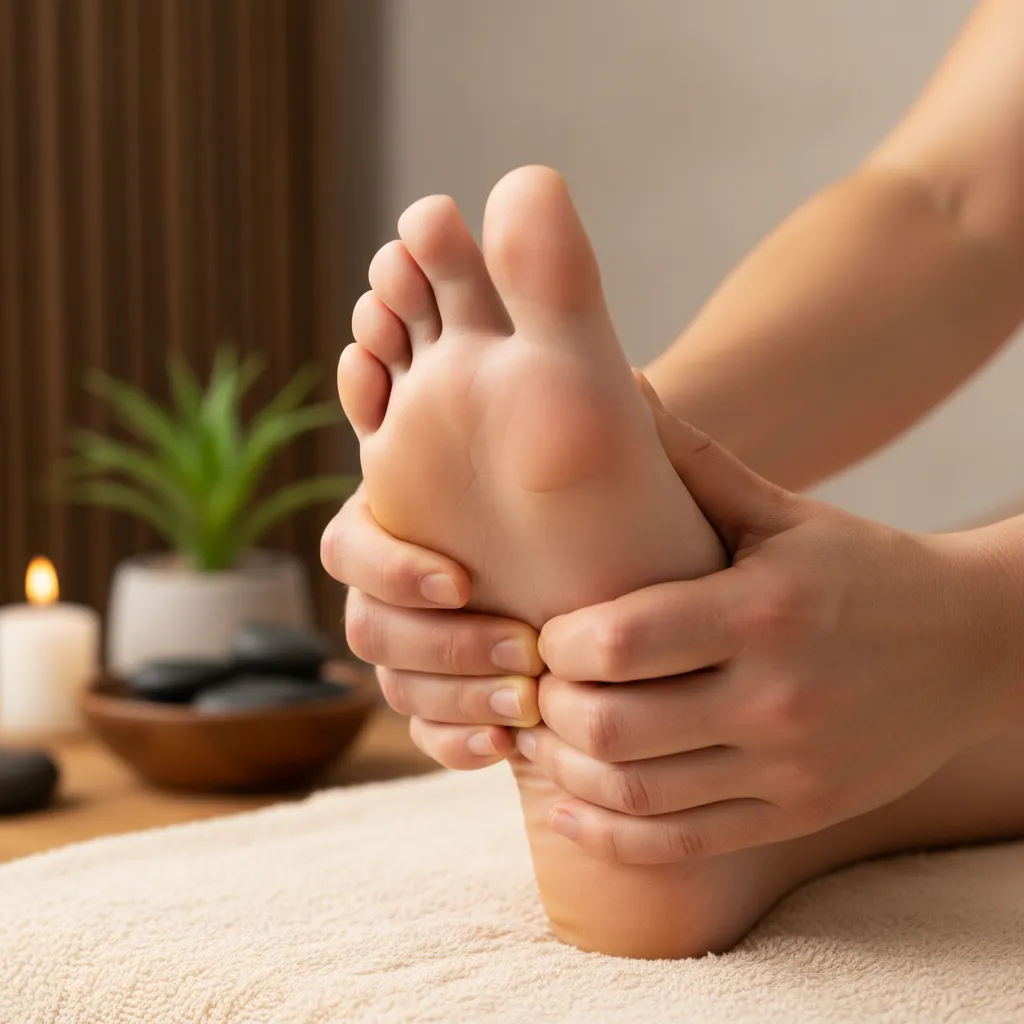
Thumb walking is the quintessential reflexology technique. It involves bending and straightening the first joint of the thumb in a creeping motion to “walk” across the surface of the foot. This allows the practitioner to apply consistent, deep pressure to specific reflex points without losing contact with the skin.
- The Mechanics: The thumb is held at a 45-degree angle. The pressure is applied on the “bite” (the edge of the thumb tip), not the flat pad or the nail.
- The Benefit: This creates a rhythmic, worm-like movement that stimulates the reflex without causing sharp pain or tissue damage.
Finger Walking
Similar to thumb walking, finger walking utilizes the index or middle fingers. This is particularly useful for the dorsal aspect (top) of the foot, where the skin is thinner and the structures are more bony. It is also used on the hands and ears where the thumb might be too large or clumsy.
Hook and Backup
This technique is used to pinpoint deep reflexes that are difficult to access, such as the ileocecal valve or the solar plexus point. The therapist places the thumb on the specific point, hooks it in (presses deep), and then pulls back slightly while maintaining pressure. This action “hooks” the reflex, providing a concentrated stimulation to break up crystalline deposits (uric acid or calcium) that may have accumulated at the nerve ending.
Pivot / Rotation
Rotation is often used on the toes (reflexes for the head and neck). The therapist holds the base of the toe and gently rotates it to open up the joint and stimulate the neck reflexes. The pivot technique involves anchoring one finger while rotating the foot or hand around that fixed point, effectively massaging the reflex against the stationary finger.
Specialized and Advanced Methodologies
Beyond the standard manual techniques, several specialized schools of thought have emerged, offering unique benefits for specific conditions.
Vertical Reflexology Therapy (VRT)
Developed by Lynne Booth, VRT is a technique where the feet are treated while the client is standing (weight-bearing). The theory is that the nerves are more sensitized when the body is weight-bearing, allowing for a deeper and more rapid therapeutic response. This is often used for orthopedic conditions and takes much less time than a standard session.
Reflexology Lymph Drainage (RLD)
RLD is an evidence-based technique focused on stimulating the lymphatic reflexes on the feet. Originally developed to help cancer patients suffering from secondary lymphedema, it has shown remarkable results in reducing swelling and boosting the immune system. The movements are lighter and more rhythmic than standard reflexology, mimicking the flow of lymph.
Chi-Reflexology
This approach combines traditional Chinese Medicine (TCM) principles with Western reflexology. Practitioners use the feet to access the body’s meridians (energy channels) and acupuncture points. It focuses on balancing the flow of Qi and often incorporates lighter, energetic touches alongside physical pressure.
Comparing Zone Therapy vs. Modern Anatomical Mapping
Understanding the difference between these two primary frameworks helps in selecting the right approach for treatment.
| Feature | Classical Zone Therapy | Modern Anatomical Mapping |
|---|---|---|
| Focus | Ten longitudinal zones; treating the “zone” treats the whole body segment. | Specific organ reflexes; treating the “point” treats a specific organ. |
| Precision | Broader application; good for general balance. | High precision; targets specific pathologies. |
| Technique | Often uses tools (clips, bands) or firm pressure along the zone. | Manual thumb/finger walking, hook and backup. |
While Zone Therapy provides the roadmap, modern anatomical mapping provides the GPS coordinates. Most qualified reflexologists today use a hybrid of both, acknowledging the zones while working specific points.
Choosing the Right Technique for Your Needs
When searching for Reflexology Auckland or anywhere globally, communicating your needs is vital. The choice of technique often depends on your health status and pain threshold.
For Stress and Relaxation
If your primary goal is stress relief, a practitioner who utilizes Chi-Reflexology or a gentle form of modern anatomical mapping is ideal. The focus here is on the parasympathetic nervous system—the “rest and digest” state. Heavy pressure is generally avoided to prevent guarding (tensing up).
For Chronic Pain and Orthopedic Issues
For back pain, sciatica, or joint issues, Vertical Reflexology Therapy (VRT) or deep tissue reflexology utilizing the Hook and Backup technique may be more effective. These techniques can be intense but are designed to interrupt pain signals and release deep-seated tension.
For Detox and Immunity
If you are recovering from surgery, dealing with autoimmune issues, or suffering from fluid retention, Reflexology Lymph Drainage (RLD) is the superior choice. This technique is specifically designed to move fluid and reduce inflammation.
For Reproductive Health
For those seeking support with fertility challenges, such as during IVF and IUI Support Protocols, specialized reflexology approaches can help optimize body systems, reduce stress, and improve overall reproductive wellness.
Professional Standards in Reflexology
Regardless of the technique used, professional standards are non-negotiable. A qualified reflexologist understands contraindications (when not to treat) and adheres to a code of ethics.
In New Zealand and specifically the Auckland region, reputable practitioners are often members of recognized bodies such as Reflexology New Zealand (RNZ). Membership ensures they have undergone rigorous training in anatomy, physiology, and the various types of reflexology techniques discussed here. For further reading on the global standards and history of these practices, resources like Wikipedia’s entry on Reflexology provide excellent context.
Furthermore, authoritative health sources like the Mayo Clinic acknowledge reflexology as a safe practice that may reduce pain and psychological stress. When choosing a therapist, always inquire about their specific training in the techniques mentioned above to ensure alignment with your health goals.
Whether you prefer the historical purity of Zone Therapy or the precise intervention of modern anatomical mapping, reflexology offers a versatile path to wellness. By understanding the techniques, you empower yourself to make informed decisions about your health care.
People Also Ask
What are the 3 main zones in reflexology?
While reflexology is based on 10 vertical zones (5 on each side), practitioners often group reflexes into three main horizontal transverse zones for assessment: the Shoulder Girdle, the Diaphragm line, and the Pelvic line. These horizontal landmarks help therapists locate organ reflexes accurately within the vertical zones.
What is the difference between foot massage and reflexology?
Foot massage focuses on manipulating muscles and fascia to relax the foot itself. Reflexology is a targeted pressure therapy that uses specific techniques like thumb-walking on reflex points to stimulate organs and systems throughout the entire body, not just the feet.
Does reflexology actually work for anxiety?
Yes, reflexology is widely used to manage anxiety. By stimulating nerve endings, it shifts the body from a sympathetic (fight or flight) state to a parasympathetic (rest and digest) state, reducing cortisol levels and promoting deep relaxation.
Is thumb walking painful?
Thumb walking should not be painful. It involves firm, consistent pressure. While some tender points (deposits) may cause temporary discomfort or “good pain,” a skilled reflexologist will adjust their pressure to ensure the experience remains therapeutic rather than distressing.
Can reflexology detect illness?
Reflexologists do not diagnose illness. However, they can detect imbalances, congestion, or sensitivity in specific reflex areas (like the liver or kidney points), which may indicate stress or dysfunction in that part of the body.
How often should you get reflexology?
Frequency depends on the condition. For acute issues or high stress, weekly sessions for 4-6 weeks are often recommended. For general maintenance and preventative wellness, a session every 4 weeks is typically sufficient.