Reflexology during IVF is a specialized complementary therapy designed to lower cortisol levels, regulate hormonal balance, and enhance blood circulation to the reproductive organs. By applying targeted pressure to specific zones on the feet, this protocol aims to mitigate the physical side effects of fertility medications while creating a calm, receptive physiological state for egg retrieval and embryo implantation.
In vitro fertilization (IVF) and Intrauterine Insemination (IUI) are among the most scientifically advanced methods for overcoming infertility. However, they are also physically demanding and emotionally exhausting. While reproductive endocrinologists focus on the biochemistry of conception—monitoring follicle growth and hormone levels—holistic therapies like reflexology focus on the host environment: your body and mind.
Integrating reflexology into your fertility journey is not about replacing medical advice; it is about creating a symbiotic relationship between modern medicine and ancient stress-relief techniques. This guide explores the specific protocols used to support every phase of the IVF cycle, ensuring you feel empowered, grounded, and physically prepared for success.
Understanding Reflexology During IVF
Reflexology is based on the premise that specific points on the feet, hands, and ears correspond to different organs and systems within the body. In the context of fertility, a reflexologist focuses primarily on the endocrine system and the reproductive organs. The goal is to clear blockages in energy channels (meridians) and encourage homeostasis.
When undergoing Assisted Reproductive Technology (ART), the body is placed under significant stress. High levels of synthetic hormones are introduced to stimulate the ovaries, often leading to a state of physical and emotional hyper-arousal. Reflexology acts as a counterbalance. By stimulating the parasympathetic nervous system (the “rest and digest” mode), reflexology helps shift the body out of the “fight or flight” mode, which is crucial because chronic stress can negatively impact fertility outcomes.
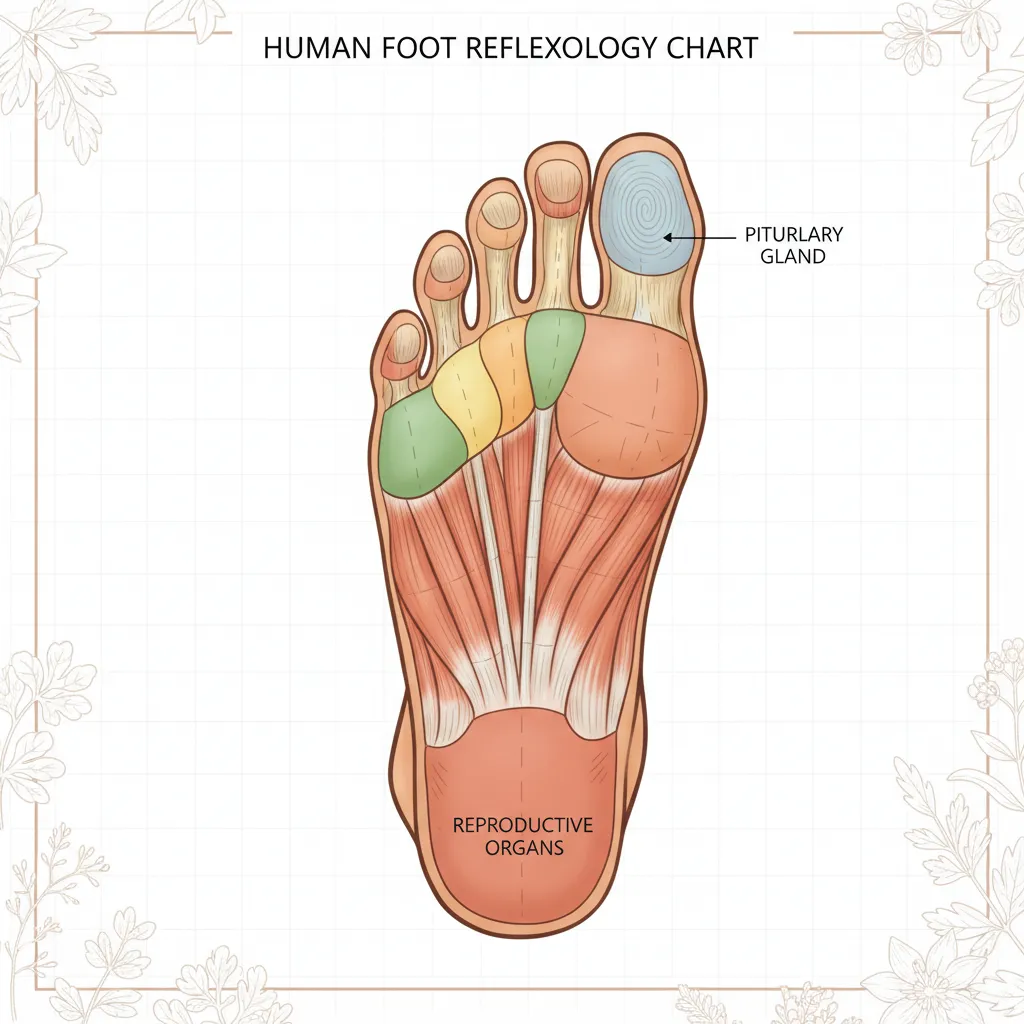
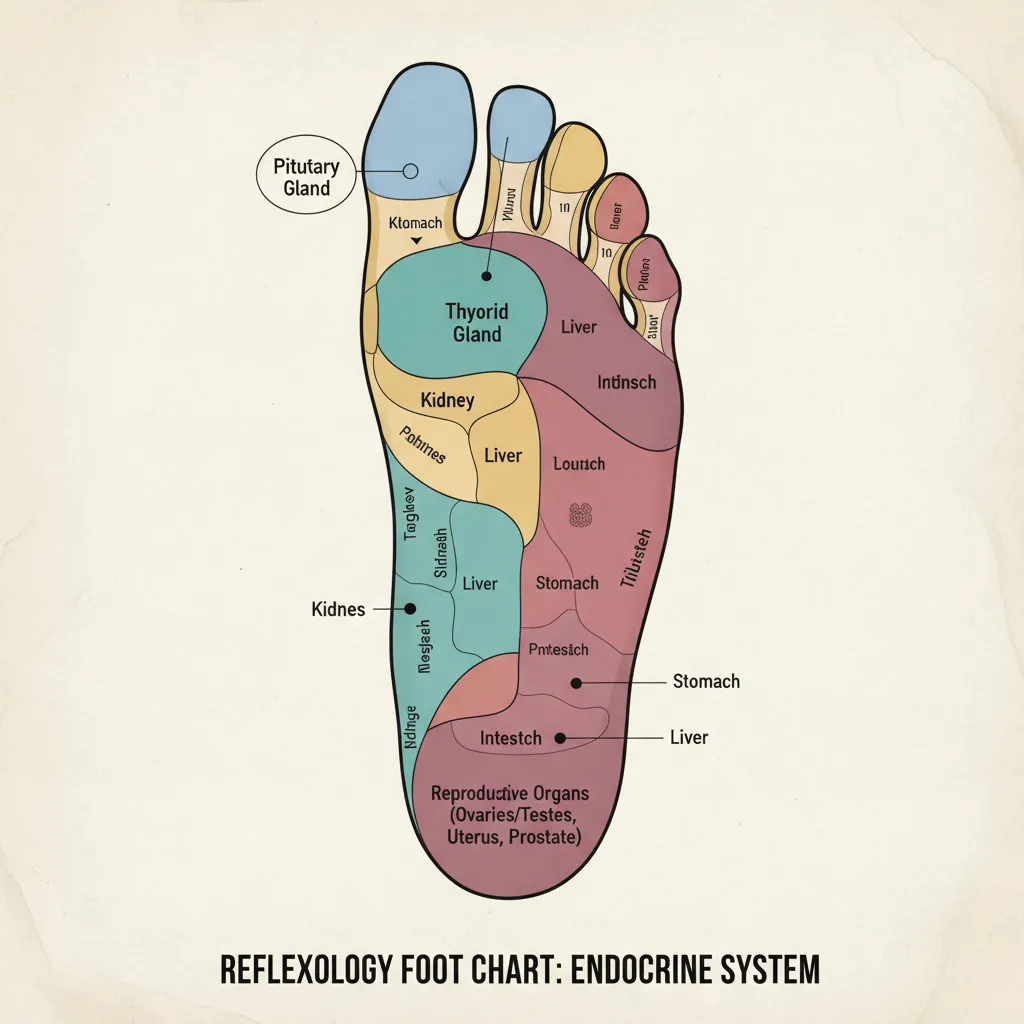
The practice targets key areas such as the pituitary gland reflex (to balance hormone orchestration), the solar plexus (for deep relaxation), and the ovarian and uterine reflexes (to encourage blood flow). Improved circulation to the pelvic bowl is essential for thickening the uterine lining and ensuring the ovaries respond well to stimulation.
Pre-Retrieval Relaxation and Preparation
The phase leading up to egg retrieval is characterized by intense medication protocols and frequent monitoring. The primary objective of reflexology during this window is to support follicle growth without over-stimulating the ovaries, while simultaneously managing the patient’s anxiety.
Regulating the Endocrine System
During the stimulation phase, your doctor is driving your hormonal bus. Reflexology takes a backseat role, ensuring the ride is smooth. Practitioners focus heavily on the hypothalamus and pituitary reflexes found on the big toe. These master glands control the release of FSH (Follicle Stimulating Hormone) and LH (Luteinizing Hormone). Gentle work here supports the medical protocol rather than fighting against it.
Enhancing Pelvic Circulation
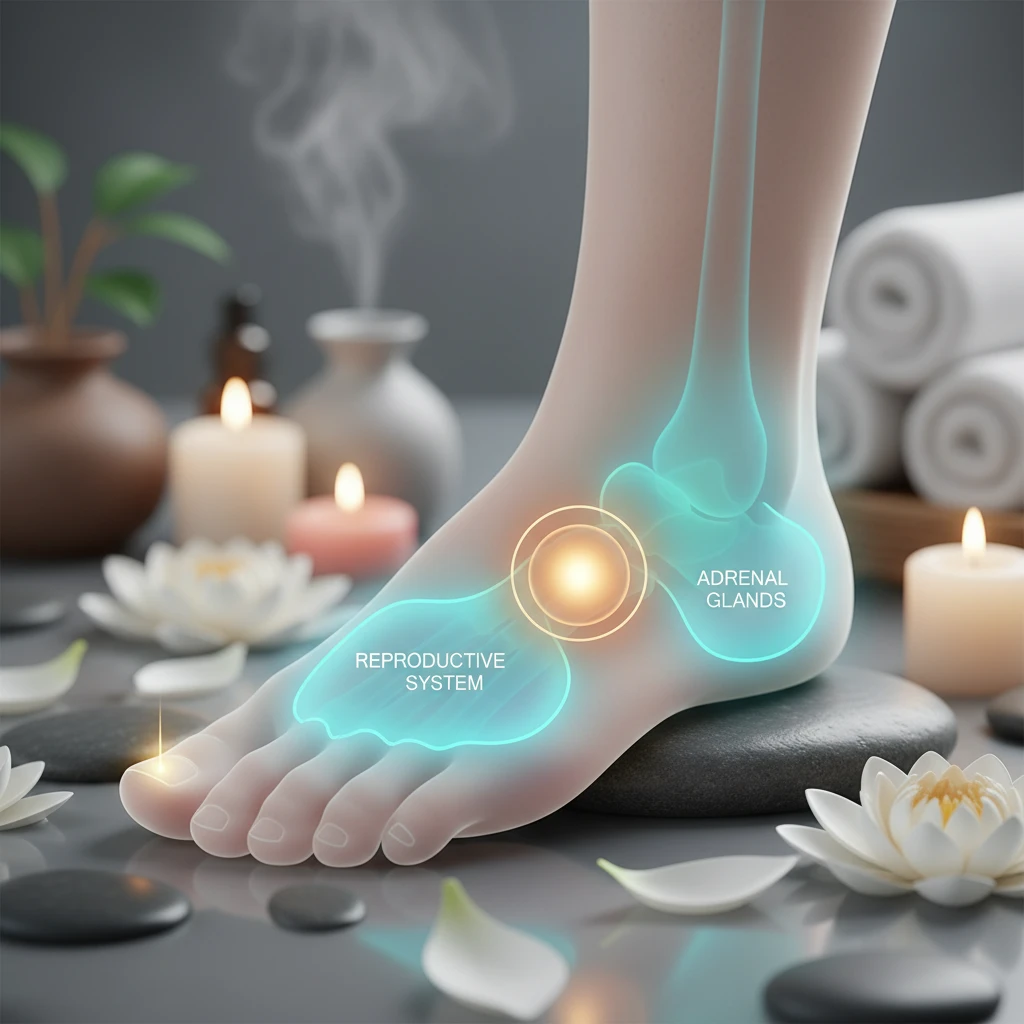
Blood flow is the delivery system for the fertility medications you are injecting. If blood flow to the ovaries is compromised due to tension or stagnation, the delivery of these hormones may be less efficient. Reflexologists work the ankle area—where the ovarian and uterine reflexes are located—to encourage vasodilation. This ensures that the ovaries receive the maximum benefit from the stimulation drugs, potentially aiding in the production of high-quality eggs.
Safety Guidelines During Ovarian Stimulation
Safety is paramount when combining holistic therapies with medical procedures. As the ovaries enlarge with multiple follicles, they become heavy and fragile. This increases the risk of ovarian torsion, a painful condition where the ovary twists on its blood supply.
Critical Safety Protocols Include:
- Gentle Pressure: As the retrieval date approaches, deep tissue work on the reproductive reflexes is strictly avoided. The touch becomes lighter, energetic, and soothing to avoid mechanical agitation of the pelvic area.
- Lymphatic Focus: Instead of digging into the reproductive points, the focus shifts to lymphatic drainage techniques on the top of the foot. This helps reduce fluid retention and bloating, common complaints during the late stimulation phase.
- Communication with Your Doctor: Always inform your reproductive endocrinologist that you are receiving reflexology. According to the National Institutes of Health (NIH), reducing stress through complementary therapies can improve quality of life during fertility treatments, but transparency between providers is key to safety.
Managing Medication Side Effects Naturally
The cocktail of drugs used in IVF—ranging from Lupron and Gonal-F to Progesterone in Oil—can wreak havoc on a patient’s well-being. Common side effects include headaches, nausea, constipation, and severe mood swings. Reflexology offers a non-pharmaceutical avenue for relief.
Alleviating Headaches and Nausea
Hormonal headaches are common as estrogen levels rise. By working the toe tips (brain reflexes) and the base of the toes (neck and eye reflexes), a practitioner can help alleviate tension headaches. For nausea, the stomach reflex located in the arch of the foot is gently stimulated to settle digestion without interfering with the absorption of medications.
Combating Constipation and Bloating
Progesterone slows down smooth muscle contractions, often leading to constipation. This is uncomfortable, especially after egg retrieval. Reflexology protocols include tracing the colon reflexes on the soles of the feet in a clockwise direction. This mimics the natural path of digestion and encourages peristalsis, helping to relieve bloating and constipation safely. For broader digestive health benefits, reflexology is also explored for conditions like IBS (Irritable Bowel Syndrome) Management.

Post-Transfer Implantation Support
The “Two Week Wait” (TWW) after an embryo transfer is often cited by patients as the most agonizing part of the IVF process. The goal of reflexology here shifts entirely from stimulation to implantation support and stress reduction.
The “Holding” Technique
Once the embryo is transferred, vigorous stimulation of the uterus reflex is contraindicated. Instead, reflexologists use a technique often called “holding.” This involves placing hands gently on the feet to ground the energy, creating a sense of safety and containment. The intention is to signal to the body that it is safe to nurture a pregnancy.
Reducing Uterine Spasms
Uterine cramping can occur post-transfer and may be detrimental to implantation. By working the solar plexus point (the center of the foot) and the adrenal reflexes, the practitioner helps lower adrenaline and cortisol. Lower stress hormones reduce the likelihood of uterine contractions, creating a calm, receptive environment for the embryo to attach to the endometrial lining.
Ideal Treatment Schedule
To maximize the benefits of reflexology during IVF, timing is everything. A haphazard approach is less effective than a scheduled protocol aligned with your cycle.
- Preparation Phase (1-3 months prior): Weekly sessions to regulate the cycle and detoxify the body before medications begin.
- Stimulation Phase: 1-2 sessions per week. Focus on stress relief and managing side effects.
- Pre-Retrieval: 1 session roughly 2-3 days before retrieval to promote deep relaxation.
- Pre-Transfer: A session 24-48 hours before the transfer to maximize blood flow to the uterus.
- Post-Transfer: A gentle session 3-5 days after transfer to support implantation and reduce anxiety during the wait.
Consistency is key. Regular sessions help maintain a baseline of relaxation that makes the medical procedures less traumatic for the body. For more information on the integration of complementary medicine with standard fertility treatments, resources from organizations like the National Infertility Association (RESOLVE) provide excellent guidance on building a support team.
Frequently Asked Questions
Is foot reflexology safe during IVF stimulation?
Yes, reflexology is generally considered safe during IVF stimulation when performed by a certified fertility reflexologist. The practitioner will avoid deep pressure on the reproductive reflexes to prevent over-stimulation of the ovaries, focusing instead on relaxation, lymphatic drainage, and stress reduction.
Can reflexology help with embryo implantation?
While reflexology cannot guarantee implantation, it supports the process by reducing cortisol (stress hormones) and increasing blood circulation to the uterus. A thicker, well-vascularized uterine lining creates a better environment for the embryo to attach. The relaxation effect also helps prevent uterine spasms.
When should I book reflexology sessions during an IVF cycle?
An ideal schedule includes weekly sessions during the preparation phase, one session during stimulation to manage side effects, one session 24-48 hours before egg retrieval, and a specialized “implantation support” session 3-5 days after the embryo transfer.
Does reflexology interfere with fertility medications?
No, reflexology is non-invasive and does not introduce chemical substances into the body, so it does not interfere with fertility drugs. However, it can help manage the side effects of these medications, such as headaches, bloating, and mood swings, making the cycle more tolerable.
Can reflexology cause a miscarriage after IVF transfer?
There is no evidence that properly performed reflexology causes miscarriage. However, after an embryo transfer, practitioners use modified techniques. They avoid deep probing of the uterine and ovarian reflexes and avoid points historically associated with inducing labor, focusing instead on gentle, grounding holds.
What are the best reflexology points for fertility?
Key fertility reflexes include the pituitary gland (center of the big toe) for hormone regulation, the solar plexus (center of the foot) for stress relief, and the reproductive zones located around the ankles (inner ankle for uterus, outer ankle for ovaries). These areas are stimulated to balance hormones and increase pelvic blood flow.