To choose the best reflexologist in Auckland, prospective clients should prioritize certified and experienced practitioners, thoroughly evaluate client reviews and reputation, understand their specializations, and prepare key questions for an initial consultation. This meticulous approach ensures you find a professional whose expertise aligns with your specific health and wellness goals, fostering trust and effective therapeutic outcomes.
Understanding Reflexology and Its Benefits
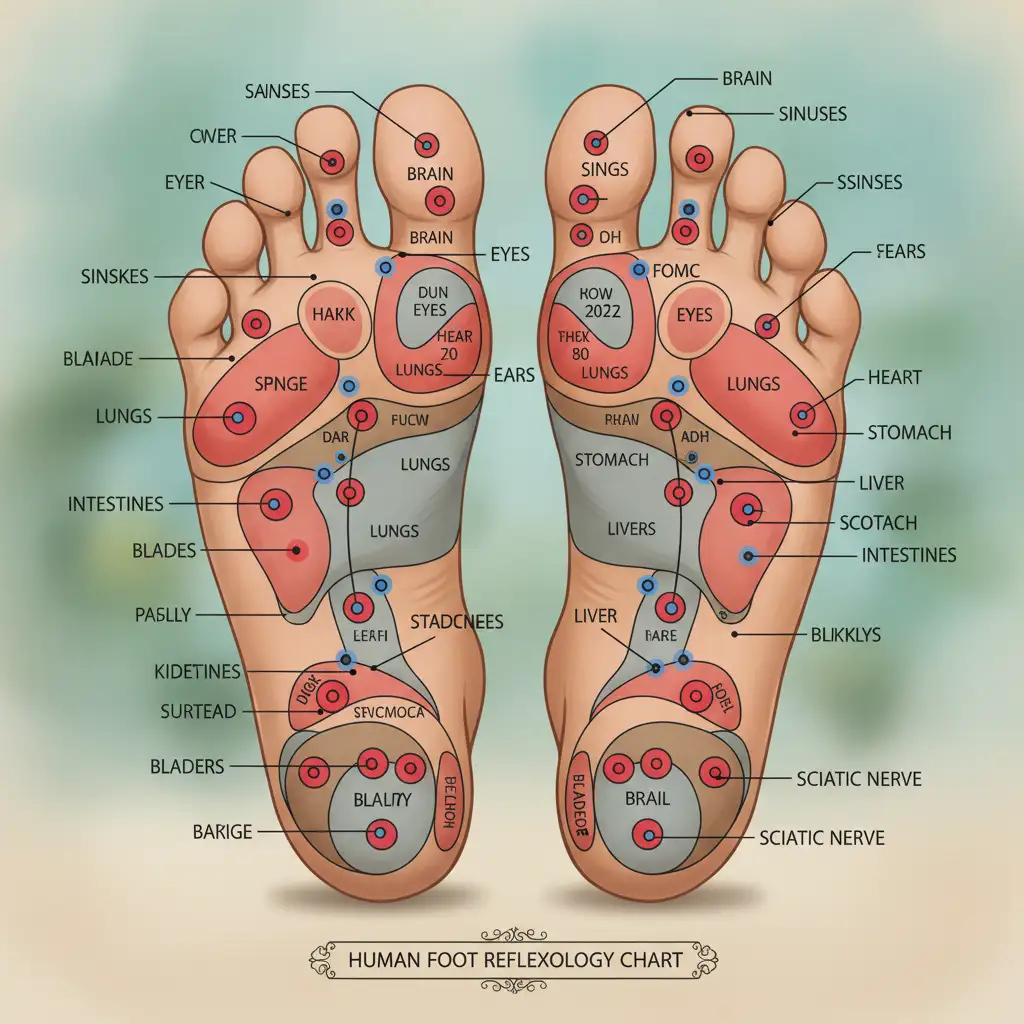
Reflexology is an ancient holistic healing art that has been practiced for thousands of years, with roots tracing back to ancient Egypt and China. It operates on the principle that specific points on the feet, hands, and ears, known as reflex areas, correspond to various organs, glands, and parts of the body. By applying focused pressure to these reflex points, practitioners aim to stimulate the body’s natural healing processes, reduce tension, improve circulation, and promote overall balance. This therapeutic approach offers a non-invasive and deeply relaxing experience, making it a popular choice for individuals seeking complementary health solutions.
What is Reflexology?
At its core, reflexology is more than just a foot massage; it is a precise practice involving specific techniques to manipulate reflex points. Proponents believe that these manipulations remove energy blockages, allowing vital energy (often referred to as ‘qi’ or ‘life force’) to flow freely throughout the body. The theory suggests that stimulating these points sends signals through the nervous system to the corresponding body parts, encouraging relaxation, improved organ function, and pain relief. It is a therapy that respects the body’s innate ability to heal itself when given the right stimulus.
Benefits of Reflexology for Health and Well-being
The documented benefits of regular reflexology sessions are diverse and can significantly contribute to an individual’s quality of life. Many clients report profound relaxation, stress reduction, and improved sleep patterns. For those experiencing chronic pain conditions, reflexology may offer a gentle yet effective way to manage discomfort without medication. It is also frequently sought after for its potential to boost circulation, aid digestion, alleviate headaches and migraines, and support women’s health issues, including hormonal imbalances and fertility challenges. While it is a complementary therapy and not a substitute for medical treatment, its holistic nature makes it a valuable addition to a comprehensive wellness plan.
Importance of Certified and Experienced Practitioners
When seeking a reflexologist in Auckland, the credentials and experience of the practitioner are paramount. The effectiveness and safety of reflexology largely depend on the therapist’s skill, knowledge, and adherence to professional standards. Opting for a certified and experienced individual ensures that you are receiving care from someone who has undergone rigorous training, understands human anatomy and physiology, and possesses the delicate touch required for this precise therapy. This foundational requirement helps to protect your health and ensures a beneficial therapeutic experience.
The Role of Certification and Professional Accreditation
Certification is the cornerstone of professional legitimacy in reflexology. In New Zealand, reputable practitioners typically hold qualifications from recognized institutions and may be members of professional bodies such as Reflexology New Zealand (RNZ). These certifications signify that the reflexologist has completed comprehensive training, including theoretical knowledge and practical application, and has met specific standards of competence. Professional accreditation also often implies adherence to a code of ethics, ongoing professional development requirements, and a commitment to client safety and well-being. Always inquire about a practitioner’s qualifications and their association with national or international reflexology organizations.
Identifying Experienced Reflexologists in Auckland
Experience goes hand-in-hand with certification. An experienced reflexologist has honed their skills over many hours of practice, working with a diverse range of clients and conditions. They develop an intuitive understanding of how to interpret the signals from the feet, hands, or ears and adapt their techniques accordingly. When evaluating a practitioner in Auckland, consider asking about their years in practice, their typical client base, and how they approach different health concerns. A seasoned professional will be able to articulate their methodology and demonstrate a deep understanding of reflexology’s nuances. Look for practitioners who have a stable practice history and a track record of positive client outcomes.
Continuous Professional Development (CPD)
The field of holistic health, including reflexology, is continually evolving. Therefore, a truly dedicated and authoritative reflexologist will engage in continuous professional development (CPD). This commitment indicates a practitioner’s desire to stay updated with the latest research, techniques, and advancements in the field. CPD can involve attending workshops, seminars, further specialized training, or participating in peer-group discussions. Inquiring about a practitioner’s recent CPD activities can offer insights into their dedication to their craft and their pursuit of excellence, ensuring they bring the most current and effective practices to their clients in Auckland.
Client Reviews and Reputation in Auckland
In today’s digital age, client reviews and a practitioner’s reputation are invaluable resources when choosing a reflexologist in Auckland. These insights offer a candid look into the experiences of previous clients, providing a real-world perspective that official credentials alone cannot fully convey. A strong positive reputation, backed by numerous favourable reviews, is a powerful indicator of a reflexologist’s skill, professionalism, and client care. Conversely, consistent negative feedback or a lack of reviews might signal areas for caution.
Leveraging Online Reviews and Testimonials
Online platforms such as Google My Business, Facebook, and specialized health and wellness directories are rich sources of client testimonials. When reviewing these, look beyond just the star ratings. Pay close attention to the details in written reviews:
- Consistency: Are there recurring themes in positive feedback, such as “deeply relaxing,” “attentive listener,” “effective pain relief,” or “professional environment”?
- Responsiveness: Does the practitioner or clinic respond to reviews, both positive and negative? This can indicate a commitment to client satisfaction and openness to feedback.
- Specific Outcomes: Do clients mention specific conditions that improved, or how their overall well-being was enhanced? This can help you gauge if the reflexologist has experience with issues similar to yours.
Be mindful that a few negative reviews are normal, but a pattern of similar complaints should be a red flag. Always consider the overall sentiment and the volume of positive feedback.
The Value of Word-of-Mouth Referrals
While online reviews are convenient, personal recommendations from trusted friends, family, or other healthcare professionals hold significant weight. A word-of-mouth referral often comes with a higher degree of trust and can provide a more nuanced understanding of a practitioner’s style and effectiveness. Don’t hesitate to ask your social network for their experiences with reflexologists in Auckland. They might share insights into a practitioner’s personality, clinic atmosphere, or how they handle specific health concerns, which might not be evident from an online review.
Red Flags and How to Avoid Them
During your search, be aware of potential red flags. These might include:
- Lack of Transparency: A practitioner unwilling to discuss their qualifications, experience, or approach.
- Exaggerated Claims: Reflexology is a complementary therapy; be wary of anyone promising “cures” for serious medical conditions.
- Poor Communication: Unresponsive communication or a lack of clarity regarding appointments, fees, or session expectations.
- Unprofessional Environment: A clinic that appears unhygienic, disorganized, or lacks a professional atmosphere.
- Pressure Sales: Being pushed into expensive long-term packages without a proper initial assessment or discussion of your needs.
Trust your instincts. If something feels off, it’s usually best to continue your search for a practitioner who instills confidence and comfort.

Specializations and Areas of Expertise
Reflexology, while a broad practice, often allows practitioners to develop specific areas of expertise. Understanding these specializations can significantly help you choose a reflexologist in Auckland whose skills are most relevant to your personal health objectives. Just as you might seek a specialist doctor for a specific ailment, finding a reflexologist with a focused background in areas that align with your needs can lead to more targeted and potentially more effective outcomes. This targeted approach ensures that the practitioner possesses deeper knowledge and experience in addressing particular conditions or life stages.
General vs. Specialized Reflexology
Many reflexologists offer general sessions aimed at promoting overall well-being, stress reduction, and balance. These sessions are excellent for maintaining health and addressing mild, general discomforts. However, some practitioners choose to specialize, focusing on specific populations or health conditions. For example, a reflexologist might specialize in maternity reflexology, working with pregnant individuals to alleviate common pregnancy discomforts, prepare for labour, or support postnatal recovery. Others might concentrate on fertility, stress and anxiety management, chronic pain, or digestive issues. When searching, consider if your needs would be better met by a generalist or a specialist.
Common Specializations (e.g., Maternity, Fertility, Stress Management)
Auckland boasts a diverse range of reflexologists, some of whom have dedicated their practice to specific niches:
- Maternity Reflexology: Focuses on supporting women through pregnancy, labour, and postpartum recovery. It can help with morning sickness, oedema, back pain, and anxiety.
- Fertility Reflexology: Aims to support natural conception and can be used in conjunction with assisted reproductive technologies (ART). Practitioners often have additional training in reproductive health.
- Stress and Anxiety Management: Specializes in techniques to calm the nervous system, reduce cortisol levels, and promote deep relaxation, beneficial for high-stress individuals or those with anxiety disorders.
- Pain Management: Works with clients experiencing chronic pain conditions such as fibromyalgia, arthritis, or migraines, using reflexology to reduce discomfort and improve mobility.
- Digestive Health: Focuses on reflex points related to the digestive system to alleviate issues like IBS, constipation, or bloating.
- Palliative Care: Some reflexologists work with individuals facing serious illnesses, offering comfort, pain relief, and emotional support.
It is advisable to discuss your specific health goals with potential practitioners to ensure their expertise matches your requirements.
Matching Your Needs with a Practitioner’s Expertise
To effectively match your needs with a reflexologist’s expertise, begin by clearly identifying your primary reasons for seeking reflexology. Are you looking for general relaxation, support for a specific health issue, or help during a particular life phase like pregnancy? Once you have clarity, you can then:
- Review Websites and Profiles: Most practitioners detail their specializations and areas of interest on their websites or online profiles.
- Ask Directly: During an initial inquiry or consultation, directly ask about their experience with conditions similar to yours.
- Consider Additional Training: Inquire if they have pursued additional certifications or training in their specialized area.
A practitioner who can speak confidently and knowledgeably about their experience with your specific concerns is more likely to be the right fit. For instance, if you’re navigating fertility challenges, a reflexologist with dedicated fertility training will understand the emotional and physical complexities involved better than a general practitioner. Wikipedia provides a good overview of reflexology and its historical context, which can help inform your understanding of the practice.
Initial Consultation Questions to Ask
The initial consultation is a critical step in choosing the best reflexologist in Auckland. It provides an opportunity for you to assess the practitioner’s professionalism, approach, and suitability for your needs, while also allowing the therapist to understand your health history and goals. Approaching this meeting with a list of pertinent questions ensures you gather all necessary information to make an informed decision. This interactive phase builds the foundation for a trusting and effective therapeutic relationship.
Key Questions About Practitioner Background and Approach
To gauge a practitioner’s expertise and philosophy, consider asking:
- “What are your qualifications, and are you registered with any professional bodies in New Zealand?”
- “How long have you been practicing reflexology, and what type of experience do you have with clients who have similar concerns to mine?”
- “What is your philosophy on health and healing, and how does reflexology fit into that?”
- “Do you use a specific technique or style of reflexology, and how do you adapt sessions for individual needs?”
- “How do you handle client confidentiality and privacy?”
- “What measures do you take regarding hygiene and cleanliness in your practice?”
These questions help establish their professional legitimacy and provide insight into their personalized approach to client care. A confident and transparent response to these inquiries is a good sign.
Inquiring About Session Structure and Expected Outcomes
Understanding the practical aspects of your sessions and what you can realistically expect is vital:
- “What does a typical reflexology session involve from start to finish?”
- “How long does a standard session last?”
- “What are the typical number of sessions recommended for someone with my goals, and over what timeframe?”
- “How will we track progress, and what kind of outcomes should I realistically expect?”
- “Is there anything I need to do to prepare for a session, or any aftercare advice I should follow?”
- “Do you ever refer clients to other healthcare professionals, and if so, when?”
A professional reflexologist will set realistic expectations, emphasizing reflexology as a complementary therapy. They should be clear about what they can and cannot treat, and how they integrate with conventional medical care. For further guidance on complementary therapies, Healthinfo Canterbury, a trusted New Zealand health resource, offers information on choosing alternative health providers, which applies to reflexology too.
Understanding Fees, Packages, and Cancellation Policies
Financial transparency and clear administrative policies are crucial for a smooth client experience:
- “What are your fees per session, and do you offer any package deals or discounts for multiple bookings?”
- “What is your cancellation or rescheduling policy?”
- “How do you handle payments?”
- “Do you provide receipts for insurance purposes, if applicable?”
Ensure you fully understand the cost structure and any policies regarding appointments to avoid any misunderstandings. A reputable practitioner will have clear and concise answers to all these administrative questions, demonstrating their professionalism and respect for their clients’ time and investment.
Preparing for Your First Reflexology Session
Once you’ve chosen your reflexologist in Auckland, preparing for your first session can enhance your experience and maximize the benefits. Being well-prepared allows you to relax fully and enables the practitioner to focus on your specific needs effectively. This preparation involves both physical considerations and mental readiness, ensuring you get the most out of your therapeutic journey.
What to Expect During a Session
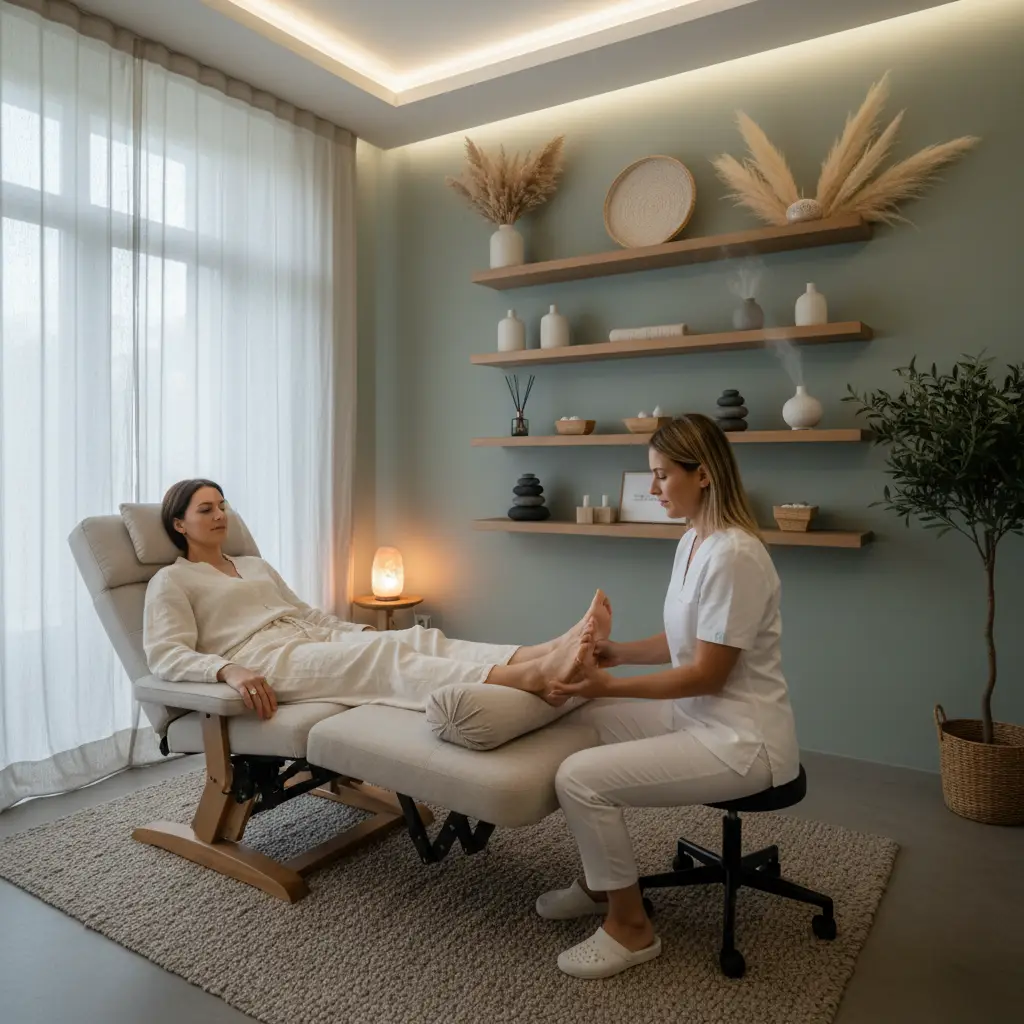
Typically, a reflexology session will begin with a brief discussion about your health history, current concerns, and goals for the session. You will then usually be asked to recline in a comfortable chair or on a massage table. You’ll remain fully clothed, removing only your shoes and socks. The reflexologist will then cleanse your feet (or hands/ears, depending on the focus) and begin applying pressure to various reflex points. The pressure can range from light to firm, and while it should never be painful, you might feel some sensitivity in certain areas, which the practitioner may interpret as an imbalance in the corresponding body part. The session is generally very relaxing, and many clients drift into a light sleep.
Post-Session Care and Recommendations
After your reflexology session, your body will continue to process the therapeutic work. It’s common to feel deeply relaxed, and sometimes you might experience mild detox symptoms like increased urination, thirst, or slight fatigue. These are usually temporary and indicate your body is responding to the treatment.
To optimize the benefits:
- Hydrate: Drink plenty of water to help flush out toxins and support your body’s natural processes.
- Rest: Allow yourself time to rest and avoid strenuous activities immediately after the session.
- Observe: Pay attention to how your body feels in the hours and days following the treatment. Note any changes in symptoms, energy levels, or sleep patterns.
- Communicate: Discuss any observations or questions with your reflexologist at your next appointment.
Following these simple post-care recommendations can help you integrate the benefits of your reflexology session more effectively into your overall well-being.

Conclusion: Making an Informed Choice for Your Well-being
Choosing the best reflexologist in Auckland is a crucial decision that significantly impacts your health and well-being journey. By prioritizing certified and experienced practitioners, diligently reviewing client feedback, understanding their specialized expertise, and engaging in a thorough initial consultation, you empower yourself to make an informed and confident choice. Remember that a great reflexologist is not just a technician but a supportive partner in your holistic health. Taking the time to research and ask the right questions will ensure you find a professional who not only meets your therapeutic needs but also fosters a comfortable and trusting environment. Invest wisely in your health by selecting a reflexologist who embodies professionalism, expertise, and a genuine commitment to your well-being, paving the way for a truly beneficial and transformative experience.
People Also Ask
What qualifications should a reflexologist in Auckland have?
A reputable reflexologist in Auckland should ideally hold a recognized qualification in reflexology from an accredited institution. In New Zealand, this often means having completed a diploma or certificate program that includes comprehensive training in anatomy, physiology, pathology, and practical reflexology techniques. Membership with professional bodies like Reflexology New Zealand (RNZ) is also a strong indicator of adherence to professional standards, a code of ethics, and often requires ongoing professional development, ensuring their skills remain current and relevant.
How do I know if a reflexologist is good?
Determining if a reflexologist is good involves several factors: strong positive client reviews and testimonials, clear professional certifications and experience, a specialization that aligns with your needs, and a comfortable, transparent initial consultation. A good reflexologist will actively listen to your concerns, clearly explain their approach, set realistic expectations, and maintain a professional and hygienic practice environment. Trust your intuition during the consultation—a good connection with your therapist is key to effective holistic care.
What are the average costs of reflexology in Auckland?
The average cost of a reflexology session in Auckland can vary depending on the practitioner’s experience, their specialization, the clinic’s location, and the length of the session. Typically, a 60-minute reflexology session might range from NZD $70 to $120. Some practitioners offer shorter introductory sessions or package deals for multiple bookings, which can reduce the per-session cost. It’s always best to inquire about specific fees and any available packages during your initial contact with a potential reflexologist.
Can reflexology help with specific health conditions?
While reflexology is a complementary therapy and not a medical treatment, many clients seek it for support with various health conditions. It is often reported to help alleviate symptoms associated with stress, anxiety, sleep disorders, digestive issues (like IBS), chronic pain (such as back pain or migraines), hormonal imbalances, and even circulatory problems. Specialized reflexologists often focus on areas like maternity support or fertility. However, it is crucial to use reflexology as a complement to, not a replacement for, conventional medical advice and treatment for any serious health condition.
How often should I get reflexology sessions?
The frequency of reflexology sessions depends entirely on individual needs and goals. For acute conditions or specific issues, a reflexologist might recommend a series of weekly or bi-weekly sessions initially to kickstart the healing process. For chronic conditions, regular monthly sessions might be suggested for ongoing management and symptom relief. If you’re seeking general well-being maintenance and stress reduction, quarterly or bi-annual sessions might suffice. Your reflexologist will discuss a personalized treatment plan with you after your initial consultation, based on your health assessment.
What areas of Auckland have reputable reflexology clinics?
Reputable reflexology clinics can be found across various suburbs of Auckland, catering to diverse client bases. Central Auckland often has clinics that are easily accessible, while areas like Ponsonby, Grey Lynn, Remuera, and the North Shore (e.g., Takapuna, Albany) also host well-regarded practitioners. South and West Auckland also have growing numbers of holistic health centers. To find a reputable clinic in your specific area, leverage online searches, local health directories, and personal recommendat. Links: []