
Chronic pain is a debilitating condition affecting millions worldwide, significantly impacting quality of life. In Auckland, many individuals seek effective, non-pharmacological approaches to manage persistent discomfort. Reflexology, an ancient therapeutic practice, has emerged as a compelling complementary therapy, offering a holistic pathway to alleviate chronic pain by stimulating specific reflex points on the feet, hands, and ears.
Reflexology for pain in Auckland offers a holistic approach, stimulating specific foot, hand, and ear reflex points to promote the body’s natural healing and reduce chronic discomfort by addressing underlying imbalances and enhancing overall well-being.
The Link Between Reflexology and Pain Pathways
Reflexology is more than just a foot massage; it’s a precise complementary therapy based on the belief that specific points on the feet, hands, and ears correspond to organs, glands, and other body parts. By applying pressure to these reflex areas, reflexologists aim to stimulate the body’s natural healing processes and restore balance.
Understanding Reflexology’s Mechanism
The intricate network of nerve endings in our feet is directly connected to the central nervous system. When a reflexologist applies pressure to these points, it sends signals through nerve pathways to the corresponding areas of the body. This stimulation is believed to interrupt pain signals, reduce inflammation, and promote relaxation. One prominent theory suggests that reflexology works similarly to acupuncture, influencing the body’s energy pathways or ‘zones’. According to this concept, blockages in these zones can lead to pain and dysfunction, and reflexology helps to clear these blockages, allowing energy to flow freely.
The Role of Endorphins and the Nervous System
One of the primary ways reflexology helps alleviate pain is through its impact on the nervous system. The gentle yet firm pressure applied during a session can stimulate the release of endorphins, the body’s natural painkillers. These neurochemicals not only reduce the perception of pain but also induce a sense of well-being and relaxation. Furthermore, reflexology can help to shift the nervous system from a sympathetic (‘fight or flight’) state to a parasympathetic (‘rest and digest’) state, which is crucial for healing and pain reduction. By calming the nervous system, muscle tension decreases, blood flow improves, and the body becomes more receptive to healing. Wikipedia offers a comprehensive overview of reflexology’s historical and theoretical foundations.
Targeting Specific Pain Points Through Feet
A skilled reflexologist uses detailed maps of the feet to identify specific reflex points that correspond to areas of chronic pain in the body. The foot acts as a miniature map of the entire body, with each part having its mirror image or corresponding reflex zone.
The Foot Map: A Guide to the Body
For instance, the toes often correspond to the head and neck, the ball of the foot to the chest and shoulders, the arch to the digestive organs, and the heel to the lower back and pelvis. When an individual experiences chronic back pain, a reflexologist will focus on the heel and arch areas, applying specific pressure techniques to stimulate those reflexes. Similarly, persistent headaches might lead a practitioner to work on the big toe and other toe areas.
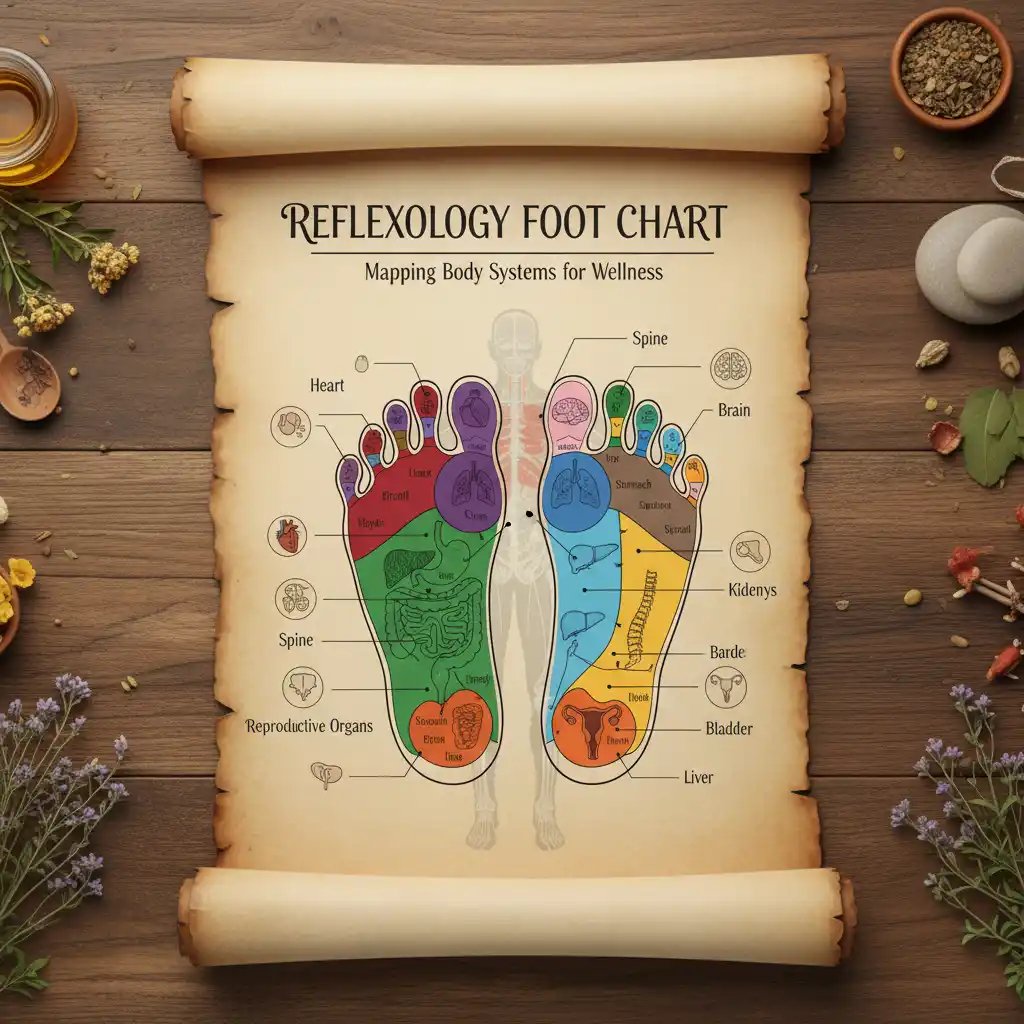
Identifying and stimulating these precise points is not a one-size-fits-all approach. A professional reflexologist in Auckland will conduct an initial consultation to understand the client’s medical history, lifestyle, and specific pain complaints. This allows for a highly personalized treatment plan tailored to address the individual’s unique pain profile and overall health goals.
Personalized Treatment Plans for Aucklanders
The efficacy of reflexology for pain relief in Auckland is significantly enhanced by this individualized approach. A qualified practitioner will assess areas of tenderness or congestion on the feet, which often indicate imbalances in the corresponding body parts. By focusing on these specific areas, they can help alleviate localized pain and improve systemic function. This targeted intervention ensures that the session is not merely relaxing but also therapeutically effective in addressing the root causes and manifestations of chronic pain.
Conditions Responsive to Reflexology Pain Relief
While reflexology is a complementary therapy and not a substitute for medical treatment, many individuals in Auckland find significant relief from various chronic pain conditions through regular sessions. Its non-invasive nature and focus on stimulating the body’s innate healing mechanisms make it an attractive option for those seeking alternative or supportive care.
Musculoskeletal and Neuropathic Pain
Conditions such as fibromyalgia, arthritis, sciatica, and general lower back pain often respond well to reflexology. By promoting circulation, reducing muscle tension, and encouraging the release of endorphins, reflexology can diminish the intensity and frequency of musculoskeletal discomfort. For neuropathic pain, which arises from nerve damage, reflexology can help by calming the nervous system and potentially improving nerve function, though results can vary depending on the severity and origin of the condition.
Headaches, Migraines, and Digestive Discomfort
Many sufferers of chronic tension headaches and migraines report reduced frequency and severity after incorporating reflexology into their wellness routines. The therapy’s ability to alleviate stress and improve blood flow to the head and neck areas is thought to be key here. Furthermore, individuals experiencing chronic digestive pain, such as that associated with Irritable Bowel Syndrome (IBS) or Crohn’s disease, may find relief from symptoms like bloating, cramping, and discomfort as reflexology aims to balance the digestive system through specific reflex points on the feet.
Beyond these, reflexology has also been explored for its benefits in managing menstrual pain (dysmenorrhea) and symptoms associated with endometriosis, by potentially improving pelvic circulation and reducing hormonal imbalances. Its broad applicability stems from its holistic approach, where the body is treated as an interconnected system, allowing for relief across diverse conditions.
Integrating Reflexology into Pain Management
For those in Auckland managing chronic pain, integrating reflexology into a broader pain management strategy can offer substantial benefits. It’s crucial to view reflexology as a complementary therapy, working alongside, rather than replacing, conventional medical treatments and advice from healthcare professionals.
Working with Your Healthcare Team
Before beginning reflexology for chronic pain, especially if you have underlying medical conditions or are on medication, it is always advisable to consult with your doctor. A collaborative approach ensures that reflexology complements your existing treatment plan safely and effectively. Many individuals find that combining reflexology with other therapies, such as physiotherapy, chiropractic care, or acupuncture, yields optimal results in chronic pain management.
Finding a Reputable Reflexologist in Auckland
The effectiveness of reflexology hinges significantly on the skill and experience of the practitioner. When seeking a reflexologist in Auckland, look for individuals who are certified and registered with professional bodies, such as Reflexology New Zealand. These credentials ensure they have met rigorous training standards and adhere to ethical practices. Word-of-mouth recommendations, online reviews, and initial consultations can help you find a practitioner whose approach aligns with your needs and comfort.

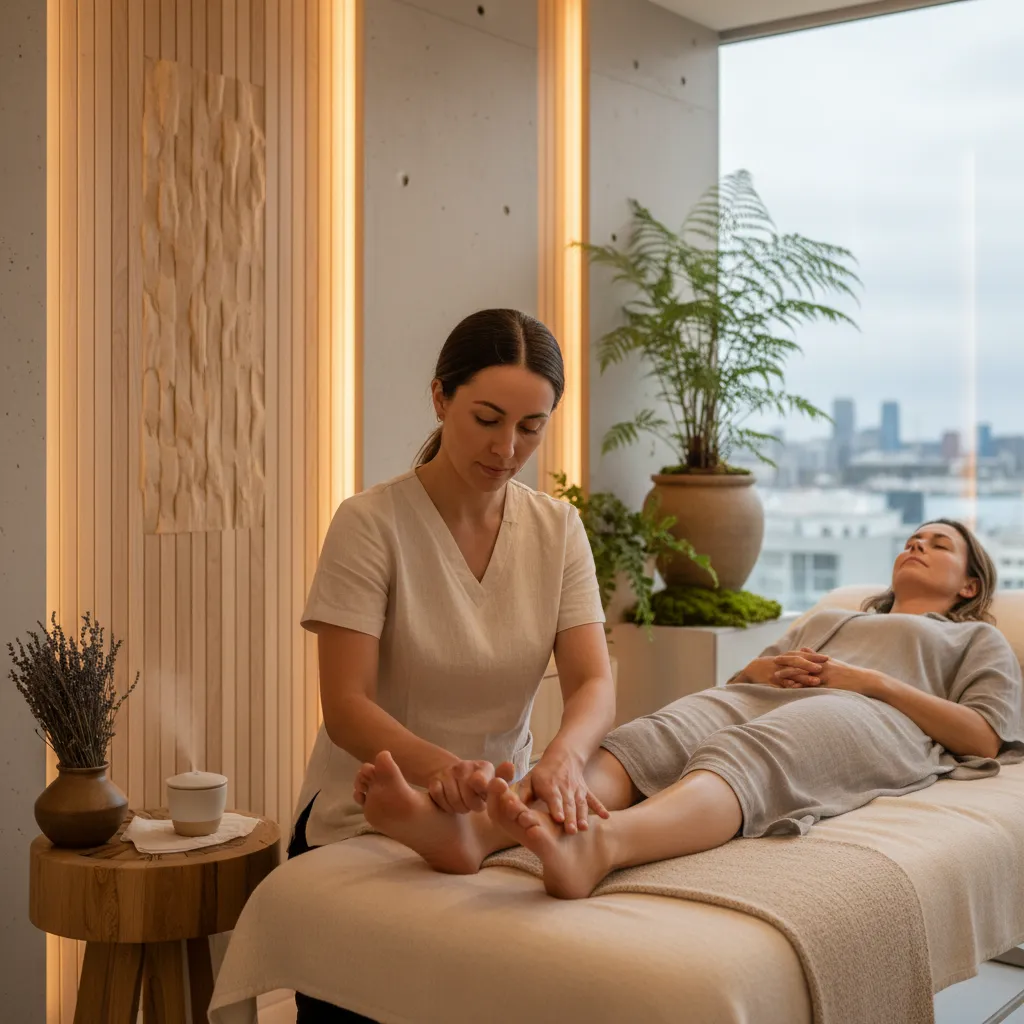
During a session, you can expect to relax in a reclined position while the reflexologist applies pressure to your feet, hands, or ears. Sessions typically last between 45 to 60 minutes. The number and frequency of sessions will vary depending on the chronicity and severity of your pain, as well as your individual response to the therapy. Many clients report feeling deeply relaxed during and after sessions, often accompanied by an immediate reduction in pain or tension. Consistent, regular sessions are often recommended for long-term chronic pain relief, allowing the body to gradually restore balance and strengthen its natural healing capabilities.
Beyond the professional sessions, a skilled reflexologist might also provide guidance on simple self-care techniques or specific pressure points you can gently stimulate at home to extend the benefits between appointments, empowering you in your pain management journey. This proactive approach to self-care, combined with professional reflexology, can significantly enhance your ability to manage and alleviate chronic pain effectively in Auckland.
In conclusion, reflexology offers a powerful, non-invasive avenue for those in Auckland seeking relief from chronic pain. By understanding its mechanisms, targeting specific pain points, and integrating it thoughtfully into a comprehensive pain management strategy, individuals can unlock its profound benefits and move towards a life with less discomfort and greater well-being. Always choose a certified practitioner and communicate openly with your healthcare providers to ensure the best possible outcomes.
People Also Ask (PAA)
Is reflexology effective for all types of chronic pain?
Reflexology can be effective for various types of chronic pain, including musculoskeletal pain (e.g., back pain, arthritis), headaches/migraines, and some neuropathic conditions. Its effectiveness can vary depending on the individual and the specific cause of the pain. It is often most beneficial when integrated as part of a holistic pain management plan.
How often should I have reflexology for chronic pain in Auckland?
The frequency of reflexology sessions for chronic pain varies by individual and pain severity. Initially, weekly sessions may be recommended, transitioning to bi-weekly or monthly maintenance sessions as your pain improves. Your Auckland reflexologist will provide a personalized treatment plan based on your needs.
Are there any side effects of reflexology for pain relief?
Reflexology is generally considered safe with minimal side effects. Some individuals may experience mild tenderness in the treated areas, heightened emotions, or increased urination or bowel movements as the body detoxifies. These are usually temporary and indicate the body’s response to the therapy. Always inform your practitioner of any discomfort.
Can reflexology replace my current pain medication?
No, reflexology should not replace prescribed pain medication without consulting your doctor. It is a complementary therapy intended to work alongside conventional medical treatments. Always discuss any changes to your medication or treatment plan with your healthcare provider first.
How do I find a qualified reflexologist in Auckland?
To find a qualified reflexologist in Auckland, look for practitioners who are certified and registered with professional bodies like Reflexology New Zealand. You can also ask for recommendations, check online reviews, and ensure they have experience working with chronic pain conditions. An initial consultation can help you assess their expertise and approach.
What should I expect during a reflexology session for chronic pain?
During a reflexology session, you’ll typically recline comfortably while the practitioner applies pressure to specific points on your feet, hands, or ears using their thumbs and fingers. You might feel areas of tenderness, indicating an imbalance, but the overall experience should be relaxing. The session usually lasts 45-60 minutes, and your reflexologist will discuss your pain and progress.