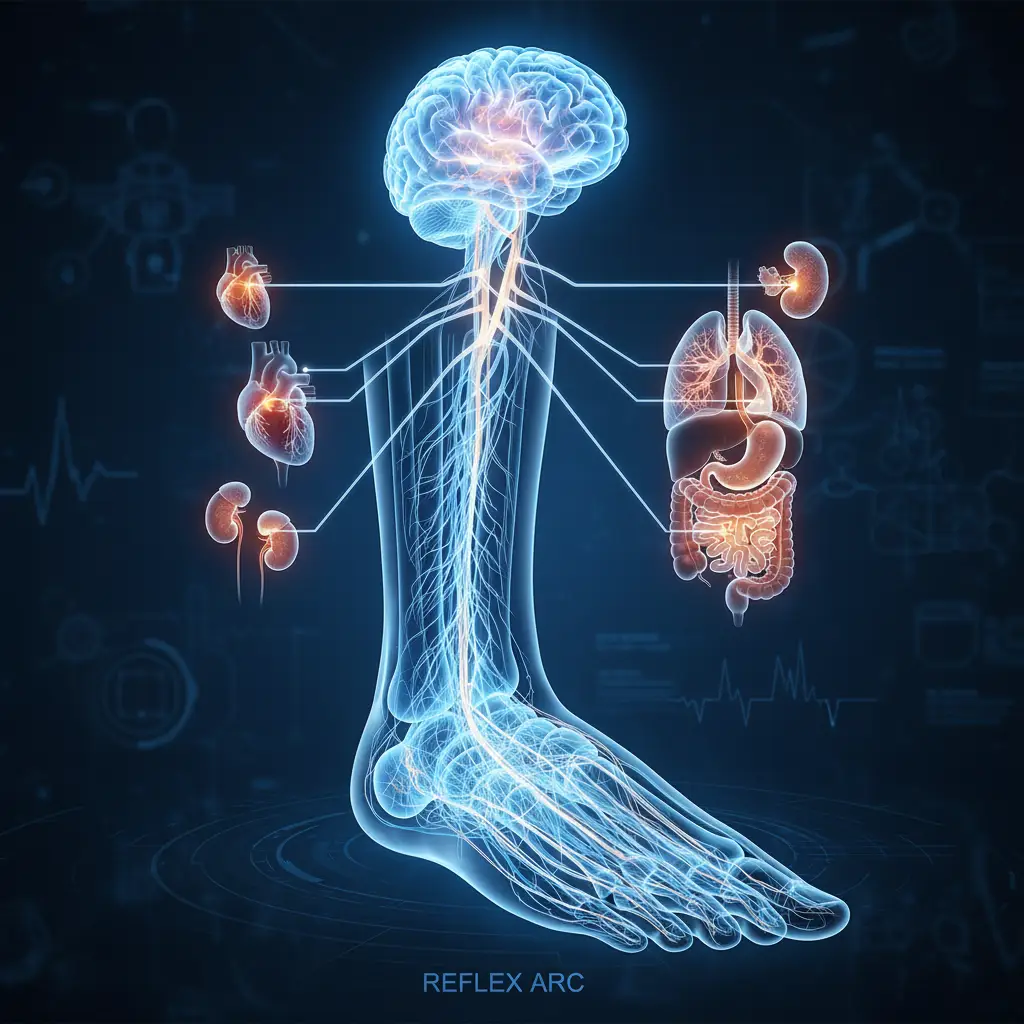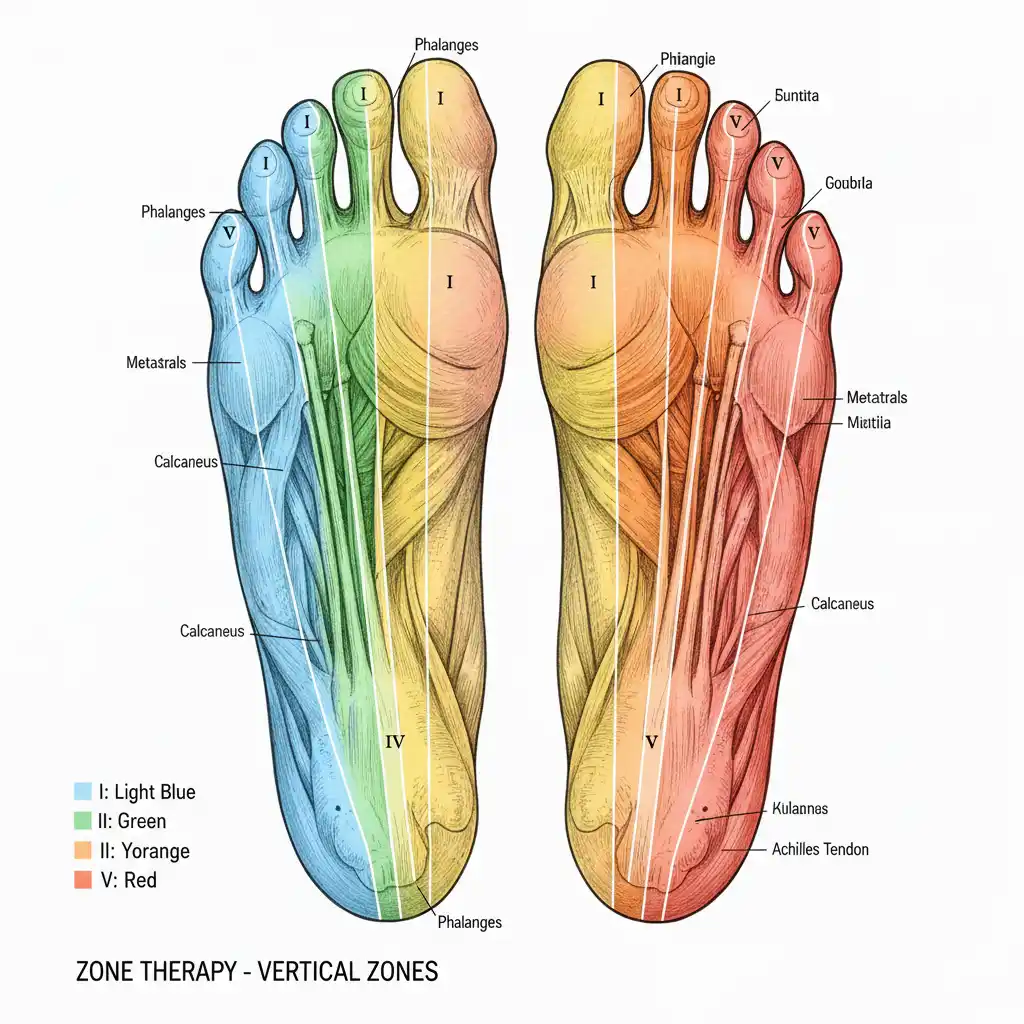
Reflexology charts for feet and hands are comprehensive anatomical maps that correlate specific pressure points on the extremities to internal organs, glands, and bodily systems. By applying targeted pressure to these zones, practitioners aim to clear energy blockages, reduce physiological stress, and promote homeostasis, operating on the principle that the feet and hands mirror the body’s entire structure.
Reflexology is more than just a foot massage; it is a holistic healing art that dates back thousands of years. While modern medicine relies on surgery and pharmaceuticals, reflexology focuses on the body’s ability to heal itself through the stimulation of reflexes. Whether you are a student of holistic health or seeking relief from chronic pain, understanding how to read reflexology charts for feet and hands is the first step toward mastering this therapy. Understanding Reflexology: A Comprehensive Guide explores the intricate topography of these maps, providing a definitive resource for practitioners and enthusiasts alike, particularly those interested in the thriving wellness community of Reflexology in Auckland.
Understanding Reflexology Maps and Zonal Therapy
At the core of reflexology lies the theory of “Zone Therapy.” This concept divides the body into ten vertical zones, five on the right side and five on the left. These zones run from the top of the head down to the tips of the toes and fingers. Any organ or body part lying within a specific zone can be accessed via the corresponding zone on the feet or hands.
Reflexology charts are visual representations of these connections. They serve as the practitioner’s GPS, guiding them to the precise locations that correspond to a client’s ailments. Unlike acupuncture, which uses meridians, reflexology relies on nerve endings and energetic pathways. The feet, due to their large surface area and high concentration of nerve endings (over 7,000 per foot), offer the most detailed map, while the hands and ears provide accessible alternatives for self-care and specific treatments.
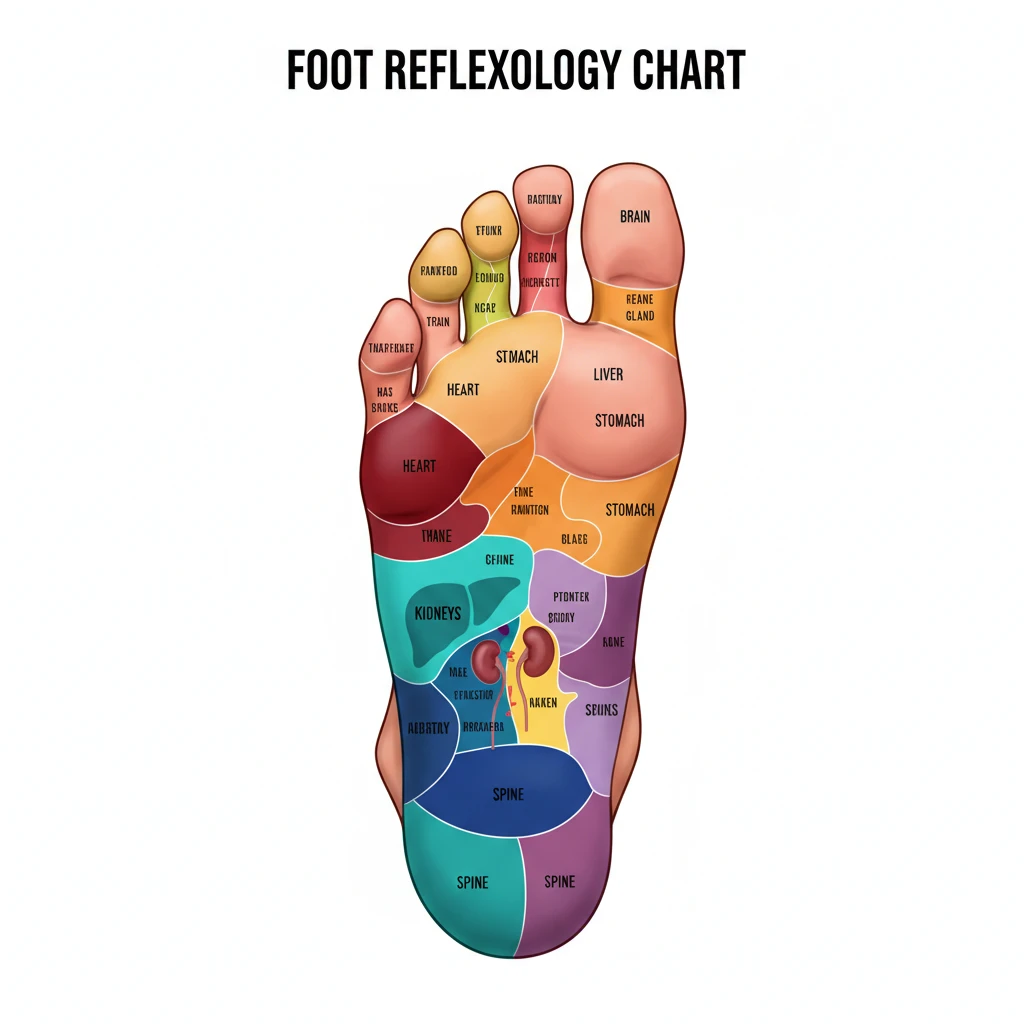
Detailed Overview of Foot Reflexology Zones
The feet are considered the primary microsystem in reflexology. Because they bear the weight of the body and connect us to the ground, they are seen as the foundation of physical health. A standard foot reflexology chart is divided into several horizontal sections that correspond to the anatomical arrangement of the body.
The Toe Area: Head and Neck
The toes represent the head and neck region. The big toe is the most critical area here, as it correlates to the brain, pituitary gland, and pineal gland. Stimulating the big toe is often recommended for alleviating headaches, migraines, and sleep disorders. The necks of the toes correspond to the physical neck of the body, making this area a focal point for tension relief. The tips of the smaller toes are linked to the sinuses, making them essential targets for treating colds and allergies.
The Ball of the Foot: Thoracic Cavity
Moving down the foot, the ball (the padded area below the toes) corresponds to the chest and thoracic cavity. This area houses the reflexes for the lungs, heart, and thymus gland. On the left foot, the heart reflex is more pronounced, while the right foot contains a smaller heart reflex area. The space between the ball of the foot and the beginning of the arch is often associated with the diaphragm and solar plexus—a critical point for stress reduction and deep breathing regulation.
The Arch: Abdominal Organs
The arch of the foot is the command center for the digestive system. The upper part of the arch contains reflexes for the liver, stomach, pancreas, and spleen. As you move lower into the arch, you encounter the small and large intestines. The arrangement mirrors the body’s anatomy: the ascending colon reflex is found on the right foot, the transverse colon crosses both, and the descending colon is located on the left foot. This makes the direction of massage crucial when treating constipation or digestive sluggishness.
The Heel: Pelvic Region
The heel and the ankle area correspond to the pelvic region and the reproductive system. The heel pad itself connects to the lower back and sciatic nerve. The area around the ankles is linked to the reproductive organs (uterus/prostate and ovaries/testes) and the hip joints. Chronic lower back pain is frequently addressed by working the heel and the inner and outer ankle bones.
Hand Reflexology Points and Corresponding Organs
While foot reflexology is the most common form, hand reflexology is equally powerful and offers the advantage of accessibility. You can perform hand reflexology on yourself while sitting at a desk or traveling, making it a versatile tool for stress management.
Similarities to the Foot Map
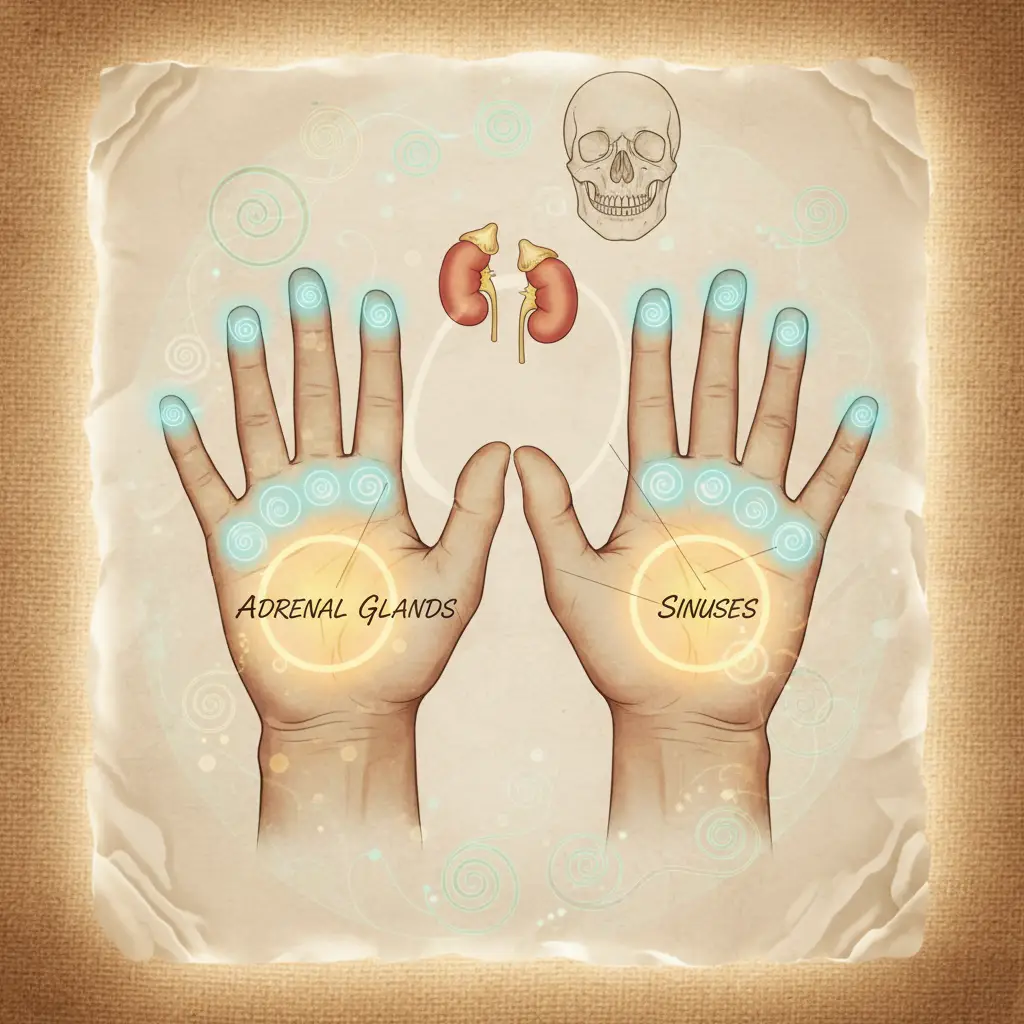
The hand reflexology chart shares many similarities with the foot chart. The fingers correspond to the head and neck, the palm represents the torso and vital organs, and the wrist connects to the pelvic and reproductive areas. However, because the hands are smaller and the bones are more intricate, the reflex points are more condensed.
Key Hand Reflex Points
- The Thumb: Like the big toe, the thumb represents the head. The varying segments of the thumb relate to the pituitary gland, the brain stem, and the neck.
- The Webbing: The fleshy area between the thumb and index finger (often called the He Gu point in acupressure) is a major reflex for the upper body and is famously used for headache relief. Note: This point should be avoided during pregnancy.
- The Palm Center: The center of the palm is often linked to the adrenal glands and the solar plexus. Pressing here can provide an immediate sense of calm and helps regulate the stress response (cortisol levels).
- The Wrist: The lines across the inner wrist are associated with the reproductive system and the lymphatic system, aiding in hormonal balance and immunity.
Auricular (Ear) Reflexology Connections
Auricular reflexology, or ear reflexology, is based on the concept of an inverted fetus. Imagine a baby curled up in the womb, upside down; this is how the reflex points are mapped on the ear.
The Ear Lobe: Head and Face
Following the inverted fetus model, the ear lobe represents the head and facial region. This is why massaging the earlobes can sometimes alleviate toothaches, jaw tension, and eye strain. It is the most sensitive part of the ear and responds well to gentle pinching and rolling.
The Helix and Anti-Helix: Spine and Extremities
The outer rim of the ear (the helix) and the ridge inside it (the anti-helix) correspond to the spinal column and the extremities (arms and legs). Working along the ridge of the ear can help address back pain and Managing Arthritis and Joint Inflammation. The upper part of the ear correlates to the feet and legs, while the middle section relates to the hands and arms.
The Concha: Internal Organs
The deep, hollow center of the ear, known as the concha, houses the reflexes for the internal organs. The upper section of the concha relates to the abdominal organs (digestion), while the lower section relates to the thoracic organs (heart and lungs). Stimulation here is often done using small seeds (ear seeds) or precise probe instruments due to the small surface area.
Practical Application of Reflexology Maps
Knowing the location of the reflexes is only half the battle; applying the correct technique is what generates results. Whether you are visiting a professional in Reflexology Auckland or practicing at home, the technique matters.
The Thumb-Walking Technique
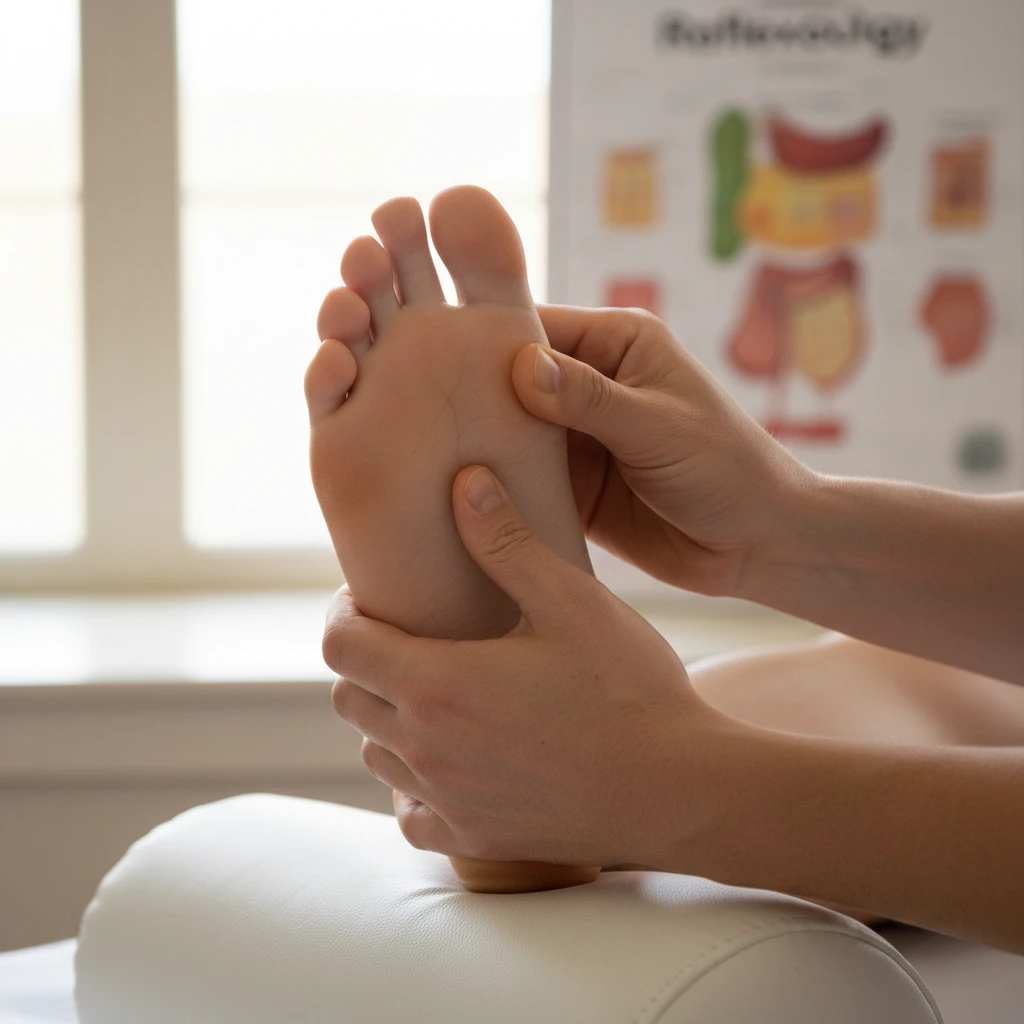
The most fundamental technique in reflexology is “thumb-walking” or “finger-walking.” This involves bending and straightening the thumb joint to inch along the skin, applying consistent, rhythmic pressure. This motion allows the practitioner to detect crystal deposits—often referred to as “crunchies”—under the skin. These deposits are believed to be calcium or uric acid accumulations indicating congestion in the corresponding body part.
Hold and Rotate
For specific, acute pain points, a static hold is effective. Press firmly into the reflex point (e.g., the solar plexus point on the foot) and hold for 10-15 seconds. You can add a small circular rotation while maintaining pressure to break down tension. Deep breathing by the recipient enhances the effectiveness of this technique.
Benefits and Limitations of Reflexology
Reflexology is celebrated for its ability to induce deep relaxation, improve circulation, and support the parasympathetic nervous system. By shifting the body from “fight or flight” to “rest and digest,” it creates an optimal environment for healing. According to the National Center for Biotechnology Information (NCBI), studies have indicated that reflexology can be effective in managing chronic pain with reflexology and anxiety in patients with chronic conditions.
However, it is crucial to understand the limitations. Reflexology charts for feet and hands are tools for complementary therapy, not diagnostic devices. A reflexologist cannot diagnose cancer, diabetes, or other medical conditions based on foot sensitivity. Furthermore, while reflexology can support medical treatment, it should never replace it. For serious health concerns, always consult a primary care physician, such as those recommended by the Mayo Clinic.
Conclusion
Mastering reflexology charts for feet, hands, and ears unlocks a powerful pathway to natural wellness. Whether you are using a foot chart to aid digestion or a hand chart to relieve a tension headache, the connectivity of the human body is undeniable. For those seeking the highest standard of care, visiting a certified practitioner—such as those found in the Reflexology Auckland community—ensures that these maps are interpreted with professional precision.
Frequently Asked Questions
What is the difference between foot and hand reflexology charts?
While both charts are based on the same zonal theory, foot reflexology charts are larger and more detailed due to the foot’s surface area. Hand charts are more condensed, but they are highly effective for self-treatment and situations where removing shoes is not practical. The anatomical mapping is similar, with toes/fingers representing the head and heels/wrists representing the pelvis.
Can reflexology charts help with back pain?
Yes, reflexology charts identify specific zones for the spine. On the feet, the spinal reflex runs along the inner edge of the foot, from the big toe down to the heel. On the hands, it runs along the outer edge of the thumb down to the wrist. Stimulating these areas can help alleviate back tension and pain.
How often should I use reflexology maps for self-treatment?
You can use reflexology maps for self-treatment daily for general relaxation and stress relief. For specific chronic issues, 3-4 times a week is common. However, it is important not to over-stimulate a tender area; if a point is sore, work it gently for only a few minutes at a time.
Are ear reflexology points different from acupuncture points?
Ear reflexology and auricular acupuncture share many of the same points, as both map the body onto the ear. However, reflexology relies on manual pressure (acupressure) and zone therapy theories, whereas acupuncture involves needles and is based on Traditional Chinese Medicine (TCM) meridian theory.
Is it safe to use reflexology charts during pregnancy?
Generally, reflexology is safe and beneficial during pregnancy, but certain points on the reflexology charts (specifically those related to the uterus and ovaries around the ankles and wrists) should be approached with caution or avoided to prevent stimulating contractions. Always consult a certified prenatal reflexologist.
Do reflexology charts vary between left and right feet?
Yes, the charts differ slightly to reflect the body’s anatomy. The left foot chart includes the heart and spleen, which are located on the left side of the body. The right foot chart includes the liver and gallbladder, located on the right. Midline organs like the spine and stomach are represented on both feet.