
Reflexology for elderly Auckland residents offers a gentle yet powerful complementary therapy designed to enhance overall well-being, improve comfort, and support mobility. By applying targeted pressure to specific points on the feet, hands, or ears, this practice helps stimulate the body’s natural healing processes, making it a valuable addition to senior care regimens.
Introduction to Senior Reflexology
As individuals age, the body undergoes various changes that can lead to increased discomfort, reduced mobility, and a decline in overall vitality. Senior reflexology emerges as a compassionate and effective non-invasive approach to mitigate these challenges. Unlike general reflexology, senior reflexology is specifically tailored to the unique physiological and emotional needs of older adults, considering factors such as skin sensitivity, existing health conditions, and individual comfort levels. This specialized application focuses on gentle techniques to promote relaxation, alleviate pain, improve circulation, and support the body’s natural healing mechanisms without the use of harsh chemicals or invasive procedures. It’s an increasingly sought-after therapy for enhancing the quality of life for seniors in Auckland and beyond, providing a pathway to greater comfort and improved functional capacity.
The principles of reflexology are rooted in ancient traditions, suggesting that specific reflex points on the feet, hands, and ears correspond to organs, glands, and systems throughout the body. By stimulating these points, a trained reflexologist can help restore balance, reduce tension, and facilitate a sense of well-being. For seniors, who may experience chronic pain, poor circulation, or sleep disturbances, reflexology offers a holistic avenue for relief and rejuvenation. The gentle touch and focused attention inherent in a reflexology session can also provide significant emotional benefits, fostering a sense of peace and connection. Understanding the nuanced application of this therapy for the elderly is crucial, as it requires a practitioner who is not only skilled in reflexology but also deeply empathetic to the specific needs of older clients.
The Growing Need for Senior-Specific Therapies
With an aging global population, there’s an escalating demand for therapeutic interventions that can address age-related health issues effectively and gently. Senior reflexology perfectly fits this niche, offering a therapeutic experience that is both comforting and beneficial. It stands apart from more vigorous massage techniques, providing a milder alternative that respects the fragility often associated with aging bodies. The focus shifts from deep tissue manipulation to subtle, consistent pressure that encourages systemic improvements. This makes it particularly suitable for individuals who may be frail, have delicate skin, or suffer from conditions that preclude more intensive treatments. The growing popularity of senior reflexology in Auckland reflects a broader understanding of its capacity to support the physical and mental well-being of the elderly community.
The Profound Benefits of Reflexology for Age-Related Discomforts
One of the most compelling reasons for seniors to explore reflexology is its remarkable ability to address a wide spectrum of age-related discomforts and chronic pain. Many elderly individuals live with persistent pain stemming from conditions like arthritis, neuropathy, sciatica, or general musculoskeletal stiffness. Conventional pain management often involves medication, which can have side effects and interactions. Reflexology offers a complementary, drug-free approach to pain relief by promoting the release of endorphins, the body’s natural painkillers, and by reducing muscle tension and inflammation through improved circulation and nerve pathway stimulation.
By targeting specific reflex points associated with painful areas or systems, reflexology can help alleviate discomfort in a localized yet holistic manner. For instance, working on foot reflexes corresponding to the spine or joints can help diminish back pain or arthritic stiffness. The gentle pressure encourages the body to relax and enter a parasympathetic state, which further aids in reducing pain perception and promoting healing. This makes it an invaluable tool for those seeking relief from chronic conditions without relying solely on pharmaceutical solutions.
Managing Chronic Pain and Inflammation
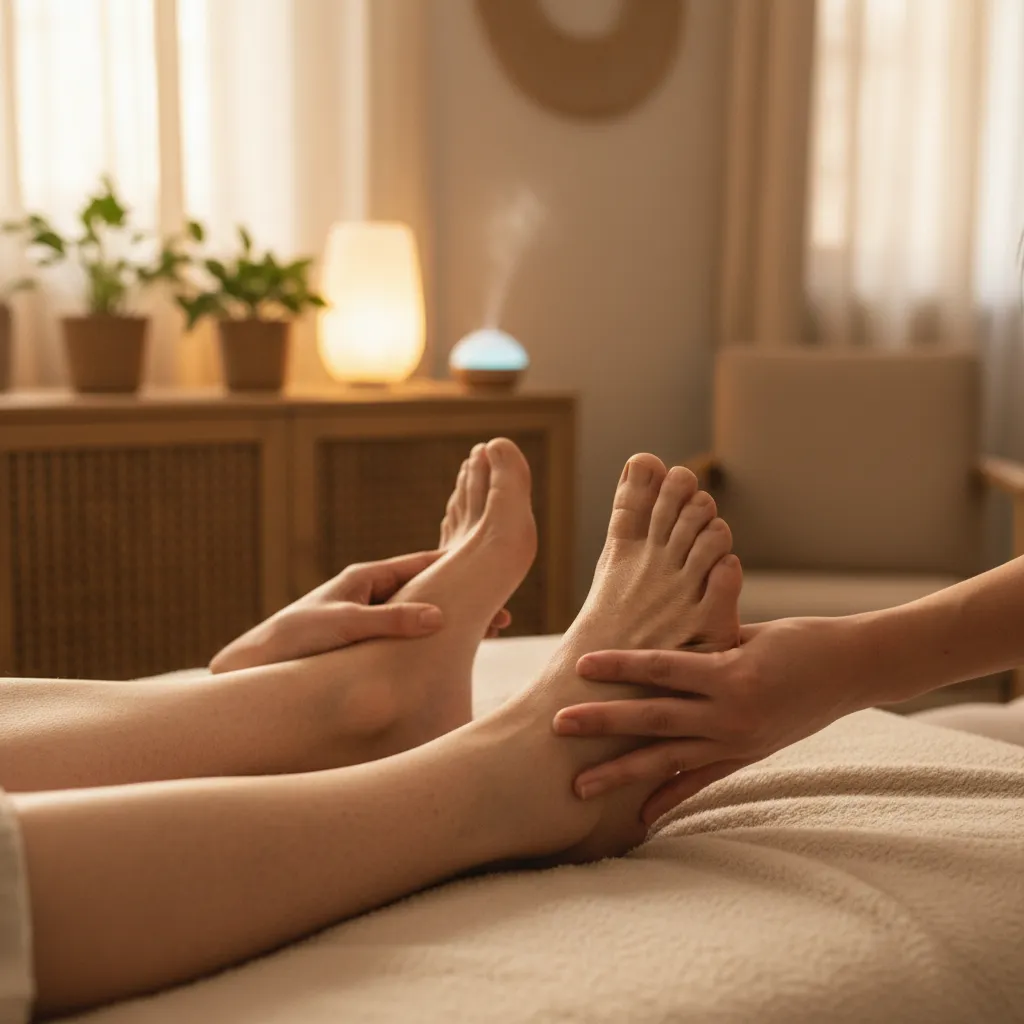
Chronic pain is a pervasive issue among the elderly, significantly impacting their quality of life and independence. Reflexology helps by reducing systemic inflammation and promoting improved blood flow to affected areas. When inflammation is reduced, nerve impingement lessens, and the body’s tissues can begin to repair more effectively. Regular reflexology sessions can lead to a noticeable decrease in pain intensity and frequency, allowing seniors to engage more actively in daily life. This therapy provides not just temporary relief but can contribute to sustained improvements in pain management strategies.
Alleviating Neuropathic Symptoms
Neuropathy, particularly diabetic neuropathy, is common in seniors and can cause debilitating pain, tingling, and numbness, especially in the feet. Reflexology can stimulate nerve endings and improve nerve function by enhancing circulation and reducing inflammation around neural pathways. While not a cure, it can significantly mitigate neuropathic symptoms, offering much-needed comfort and improving sensory perception. This can be especially important for seniors to maintain balance and prevent falls.
Boosting Vitality: Improving Circulation and Reducing Swelling in Seniors
Efficient circulation is fundamental for overall health, yet it often diminishes with age, leading to a host of problems including cold extremities, fatigue, and the slow healing of wounds. Impaired circulation also contributes to peripheral edema, or swelling, particularly in the feet and ankles, which can be uncomfortable and restrict mobility. Reflexology acts as a powerful catalyst for improving blood and lymphatic flow throughout the body. The specific pressure techniques applied to reflex points help to dilate blood vessels, allowing oxygen and nutrient-rich blood to reach tissues more effectively while simultaneously aiding in the removal of metabolic waste products.
By enhancing circulation, reflexology can significantly reduce swelling in the lower limbs, a common complaint among the elderly. Improved lymphatic drainage, stimulated through reflexology, helps to flush out excess fluid and toxins, diminishing discomfort and increasing comfort in the feet and legs. This reduction in swelling can also make it easier for seniors to wear shoes, walk, and participate in daily activities, thereby directly impacting their mobility and independence.
Combating Peripheral Edema
Peripheral edema is a prevalent issue in seniors, often linked to circulatory issues, heart conditions, or prolonged sitting. The gentle, rhythmic pressure of reflexology on the feet and ankles directly addresses fluid retention. By stimulating the lymphatic system, reflexology encourages the natural drainage of accumulated fluid, leading to a visible reduction in swelling and associated discomfort. This can be especially beneficial for seniors in Auckland who might lead a less active lifestyle or experience prolonged periods of immobility.
Enhancing Oxygen and Nutrient Delivery
Better circulation means more efficient delivery of oxygen and vital nutrients to every cell in the body. For seniors, this can translate to increased energy levels, improved organ function, and enhanced cellular repair. This systemic improvement contributes to overall vitality and can even support faster recovery from illness or injury. The profound effect of improved circulation on various bodily systems cannot be overstated, making reflexology a holistic intervention.
Cultivating Serenity: Enhancing Relaxation and Sleep Quality Through Reflexology
Beyond its physical benefits, reflexology for the elderly is deeply effective at enhancing relaxation and improving sleep quality—two critical components for overall well-being that are often compromised in older age. Many seniors grapple with anxiety, stress, and insomnia, which can severely impact their mental and physical health. A reflexology session provides a dedicated period of calm and gentle touch, which is inherently soothing and can help the body shift from a state of stress (sympathetic nervous system dominance) to a state of relaxation (parasympathetic nervous system dominance). This shift is crucial for profound rest and restorative sleep.
By stimulating reflex points associated with the nervous system and endocrine glands, reflexology helps to balance hormone levels and calm an overactive mind. The release of tension throughout the body, combined with the meditative aspect of the treatment, prepares the body and mind for deeper, more uninterrupted sleep. Improved sleep quality is not just about feeling rested; it contributes to better cognitive function, mood regulation, and a strengthened immune system, all vital for healthy aging. The therapeutic touch also offers a sense of comfort and human connection, which can be incredibly beneficial for seniors who may experience loneliness or isolation.
Reducing Stress and Anxiety
Stress and anxiety are common companions of aging, exacerbated by health concerns, lifestyle changes, and social factors. Reflexology serves as a powerful antidote, creating a serene environment where the mind can quiet and the body can release tension. The gentle pressure on reflex points stimulates nerve endings, sending calming signals to the brain, which in turn reduces the production of stress hormones like cortisol. This promotes a profound state of relaxation that can extend beyond the session itself, helping seniors manage daily stressors more effectively.
Improving Sleep Patterns and Insomnia
Insomnia and disturbed sleep patterns are prevalent among the elderly. Reflexology can address these issues by promoting a deeper state of relaxation and regulating the body’s natural sleep-wake cycles. By reducing physical discomfort and mental agitation, it helps seniors fall asleep more easily and experience more restorative sleep throughout the night. Regular sessions can help re-establish healthy sleep patterns, leading to increased daytime energy and improved mood. For further information on the broader health benefits of physical activity and relaxation, which complement reflexology, the World Health Organization (WHO) provides valuable insights into maintaining health in older age.
Adapting Reflexology Techniques for Sensitive Elderly Clients
The success and safety of reflexology for the elderly heavily depend on the practitioner’s ability to adapt techniques to suit the individual client’s needs. Seniors often have more fragile skin, reduced tissue elasticity, thinner bones, and a higher prevalence of conditions such as arthritis, diabetes, or cardiovascular issues. Therefore, a ‘one-size-fits-all’ approach is inappropriate and potentially harmful. Skilled reflexologists specializing in geriatric care in Auckland understand these nuances and employ modified techniques to ensure comfort, safety, and optimal therapeutic outcomes.
Adaptations include using significantly lighter pressure, especially on areas where skin is thin or fragile, or where conditions like osteoporosis may be present. The duration of sessions might also be shorter initially, gradually increasing as the client’s tolerance and comfort grow. Furthermore, the practitioner must be highly observant of non-verbal cues from the client, adjusting their approach based on real-time feedback. Careful positioning, the use of comfortable support cushions, and ensuring the client is warm and relaxed are also paramount. An in-depth understanding of common senior health conditions allows the reflexologist to avoid contraindicated areas and tailor the treatment plan to support existing medical care, always seeking client consent and considering any medical advice.
Gentle Pressure and Modified Techniques
For elderly clients, the application of pressure is significantly lighter than in standard reflexology. The focus is on gentle stimulation rather than deep manipulation. Techniques might involve more sustained, light holding and rolling motions rather than strong thumb-walking. The practitioner will also pay close attention to the client’s skin, avoiding any vigorous rubbing that could cause irritation or bruising. This gentle approach ensures the therapy is soothing and therapeutic without causing any discomfort or harm.
Considering Health Conditions and Medications
A thorough client intake process is crucial. The reflexologist must inquire about all current health conditions, surgeries, and medications. This information helps in identifying any contraindications or areas that require special care. For example, individuals with severe edema, certain skin infections, or acute thrombosis would require careful consideration or deferral of treatment. A practitioner in Auckland specializing in senior care will always prioritize safety and may consult with the client’s GP if there are any significant health concerns. Understanding the subtle impacts of medications on skin sensitivity or circulation is also vital for a safe and effective session.
What to Expect During a Senior Reflexology Session in Auckland
For seniors considering reflexology in Auckland, knowing what to expect can help ease any apprehension and ensure a positive experience. A typical session with a qualified practitioner will always begin with a comprehensive consultation. This is a crucial step where the reflexologist gathers detailed information about the client’s medical history, current health concerns, medications, lifestyle, and specific goals for the therapy. This initial conversation helps the practitioner to tailor the session to the individual’s unique needs and ensures safety.
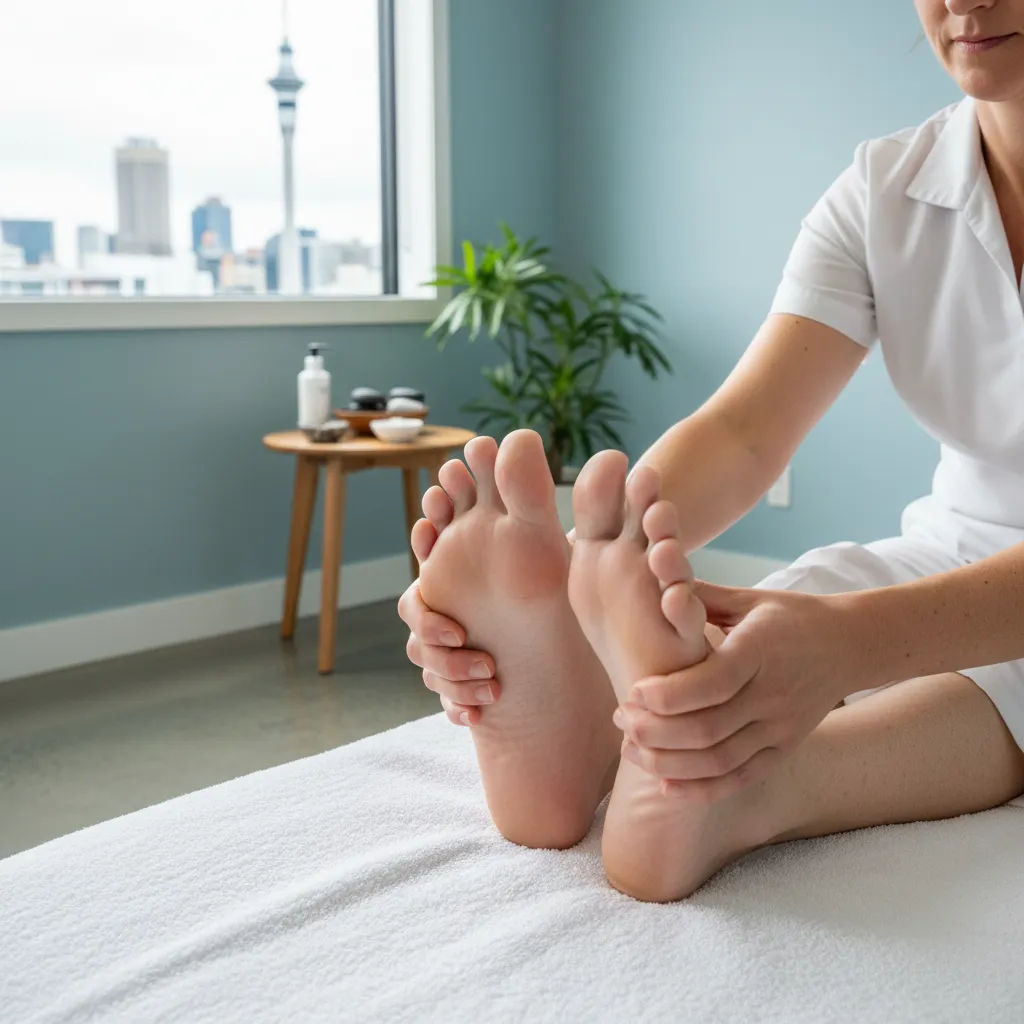
During the actual session, the client will usually remain fully clothed, comfortably reclined in a specialized chair or on a massage table. The reflexologist will then typically work on the feet, though hand or ear reflexology may also be incorporated depending on the client’s preference or specific needs. The practitioner will apply gentle pressure to various reflex points using their thumbs and fingers. The touch is generally soothing and relaxing, though some points might feel more sensitive, indicating an area of imbalance in the corresponding body part. Communication is key; clients are encouraged to provide feedback on pressure and comfort levels throughout the session. The session typically lasts between 30 to 60 minutes, depending on the client’s stamina and the practitioner’s recommendation. Afterwards, clients often report feeling deeply relaxed, sometimes even sleepy, and are advised to hydrate well.
The Initial Consultation
The first step is a thorough discussion covering health history, any current complaints, medications, and general lifestyle. This allows the reflexologist to understand the client’s overall health picture and to identify any contraindications or areas requiring special attention. It’s an opportunity for the senior or their caregiver to ask questions and express any concerns.
The Reflexology Technique
The practitioner will use gentle yet firm pressure on specific points on the feet (or hands/ears). This is often described as a thumb-walking technique. The atmosphere will be calm and quiet, perhaps with soft music, to promote maximum relaxation. The senior should feel comfortable and at ease, and the session should be a pleasant, soothing experience rather than an uncomfortable one.
Choosing the Right Reflexologist for Elderly Care in Auckland
Selecting a qualified and compassionate reflexologist is paramount, especially when seeking care for an elderly loved one or for oneself. In Auckland, the demand for specialized senior care is growing, and with it, the number of practitioners. However, not all reflexologists have specific training or extensive experience working with the unique needs of older adults. It is essential to choose a professional who understands the physiological and emotional sensitivities associated with aging. A truly competent practitioner will possess not only strong technical skills in reflexology but also a deep sense of empathy, patience, and a nuanced understanding of geriatric health considerations.
When searching for a reflexologist for elderly Auckland residents, look for practitioners who explicitly state their experience or specialization in senior or geriatric reflexology. Inquire about their training, certifications, and affiliations with professional bodies. For instance, membership in an organization like Reflexology New Zealand often signifies adherence to professional standards and ongoing education. Don’t hesitate to ask for testimonials or references, and always ensure the practitioner conducts a thorough initial consultation that covers all health aspects. A reputable reflexologist will prioritize safety, communicate clearly, and ensure the client feels comfortable and respected throughout the entire therapeutic process. They should also be transparent about their pricing and session structure, offering flexible options if needed.
Qualifications and Experience
Look for a reflexologist who is certified and has specific experience working with seniors. Inquire about their training programs and whether they have any additional qualifications in geriatric care or related fields. Experience breeds confidence and competence, ensuring that the practitioner can adapt their techniques safely and effectively.
Client Rapport and Communication
A good reflexologist for seniors will exhibit patience, empathy, and excellent communication skills. They should be able to listen attentively to concerns, explain the process clearly, and make the client feel at ease. Building a trusting rapport is fundamental for a successful therapeutic relationship, particularly for older adults who may appreciate a more gentle and understanding approach. The ability to listen to verbal and non-verbal cues is also critical for adapting the session as needed. For more guidance on choosing healthcare providers, the New Zealand Ministry of Health offers general advice.
Integrating Reflexology into a Holistic Senior Wellness Plan
Reflexology is most effective when viewed as a complementary therapy, integrating seamlessly into a broader, holistic senior wellness plan rather than a standalone cure. For elderly individuals in Auckland, a comprehensive approach to health typically includes regular medical check-ups, appropriate medication management, balanced nutrition, light physical activity, and social engagement. Reflexology can significantly enhance the benefits derived from these other pillars of wellness by promoting relaxation, improving circulation, and alleviating discomfort that might otherwise hinder participation in other healthy activities.
For example, if chronic pain is preventing a senior from engaging in gentle exercise, reflexology can help reduce that pain, making movement more feasible and enjoyable. Similarly, improved sleep quality from reflexology can lead to increased energy for social outings or hobbies. It acts as a supportive therapy, addressing underlying imbalances and enhancing the body’s innate capacity for self-healing. Discussing the integration of reflexology with a senior’s primary healthcare provider is always recommended to ensure it complements existing medical treatments and contributes positively to their overall care strategy. This collaborative approach ensures that all aspects of a senior’s health are considered, fostering a truly comprehensive pathway to enhanced comfort, mobility, and vitality.
Complementary to Medical Care
Reflexology should never replace prescribed medical treatments but rather work alongside them. It can help manage symptoms, reduce stress associated with illness, and improve overall well-being. Regular communication between the reflexologist, the senior, and their primary care physician ensures a coordinated and safe approach to health management.
Frequency and Long-Term Benefits
The frequency of reflexology sessions depends on individual needs and health goals. Some seniors may benefit from weekly sessions initially, reducing to bi-weekly or monthly for maintenance. Consistent engagement can lead to cumulative long-term benefits, including sustained pain relief, improved sleep, and enhanced emotional resilience, contributing significantly to a higher quality of life in their golden years.
Conclusion: Embracing Comfort and Mobility with Senior Reflexology
Senior reflexology offers a gentle, non-invasive, and deeply beneficial pathway to enhanced comfort and improved mobility for the elderly. Through its carefully adapted techniques, it addresses common age-related challenges such as chronic pain, poor circulation, swelling, and disturbed sleep, all while fostering a profound sense of relaxation and well-being. For elderly individuals in Auckland, this specialized therapy represents a valuable addition to a holistic health regimen, working in harmony with medical care and other wellness practices. By choosing a qualified and compassionate reflexologist, seniors can unlock the full potential of this ancient healing art, leading to a more comfortable, active, and fulfilling life. Embracing senior reflexology is an investment in dignity, vitality, and enduring quality of life for our treasured older generations.
People Also Ask
Is reflexology safe for the elderly?
Yes, when performed by a qualified and experienced reflexologist who understands the specific needs and sensitivities of older adults, reflexology is generally very safe for the elderly. Techniques are adapted to use lighter pressure, and the practitioner will always conduct a thorough health consultation to identify any contraindications.
How often should an elderly person receive reflexology?
The frequency of sessions depends on individual health goals and conditions. Initially, some seniors may benefit from weekly sessions to address specific concerns, gradually reducing to bi-weekly or monthly maintenance sessions. Your reflexologist will recommend a personalized plan based on your needs.
Can reflexology help with dementia or Alzheimer’s?
While reflexology cannot cure dementia or Alzheimer’s, it can significantly help manage associated symptoms such as anxiety, agitation, sleep disturbances, and restlessness. The gentle touch and calming environment can provide comfort, reduce stress, and improve overall well-being for individuals with these conditions.
What areas are typically targeted in senior reflexology?
The feet are the most common area for reflexology due to their many nerve endings and reflex points. However, for sensitive or injured feet, or client preference, a qualified reflexologist may also apply techniques to the hands or ears, which also contain extensive reflex maps of the body.
Are there any contraindications for senior reflexology?
While generally safe, contraindications can include acute fever, infectious diseases, certain severe circulatory conditions (like deep vein thrombosis), recent surgeries, or open wounds on the feet/hands. A thorough consultation with your reflexologist will identify any potential risks and ensure the treatment is appropriate for your health status.
Where can I find a good reflexologist for seniors in Auckland?
To find a good reflexologist for seniors in Auckland, look for practitioners who are certified, experienced in geriatric reflexology, and ideally members of professional organizations like Reflexology New Zealand. Always inquire about their specific experience with older adults and read testimonials. Personal recommendations from trusted healthcare providers or friends can also be valuable.