
Reflexology for mental health involves applying pressure to specific points on the feet, hands, or ears, which correspond to different organs and systems in the body, including the brain and nervous system. In Auckland, this complementary therapy is increasingly recognized for its profound ability to support emotional balance, reduce stress, and alleviate symptoms of anxiety and depression, offering a holistic pathway to enhanced well-being.
Introduction to Reflexology and Mental Well-being
In our fast-paced modern world, the pursuit of mental well-being has become more critical than ever. While conventional treatments play a vital role, many individuals are exploring complementary therapies to support their mental health journey. Among these, reflexology stands out, often recognized for its physical benefits but possessing a profound, yet often underestimated, capacity to influence mental and emotional states. This comprehensive guide delves into the depths of how reflexology extends beyond mere relaxation to significantly impact mood, emotional balance, clarity, and the reduction of anxiety and depression symptoms, with a specific focus on its availability and practice in Auckland.
The concept of reflexology is rooted in ancient healing traditions, suggesting that specific points on the feet, hands, and ears are interconnected with various organs, glands, and systems throughout the body. By applying targeted pressure to these reflex points, practitioners aim to stimulate the body’s natural healing processes, improve circulation, and restore energetic balance. While much attention has historically been given to its efficacy in addressing physical ailments, a growing body of anecdotal evidence and emerging research highlights its significant contributions to psychological and emotional health. For those navigating the complexities of modern life in Auckland, understanding these deeper benefits can unlock a powerful tool for holistic mental wellness.
Understanding Reflexology: A Brief Overview
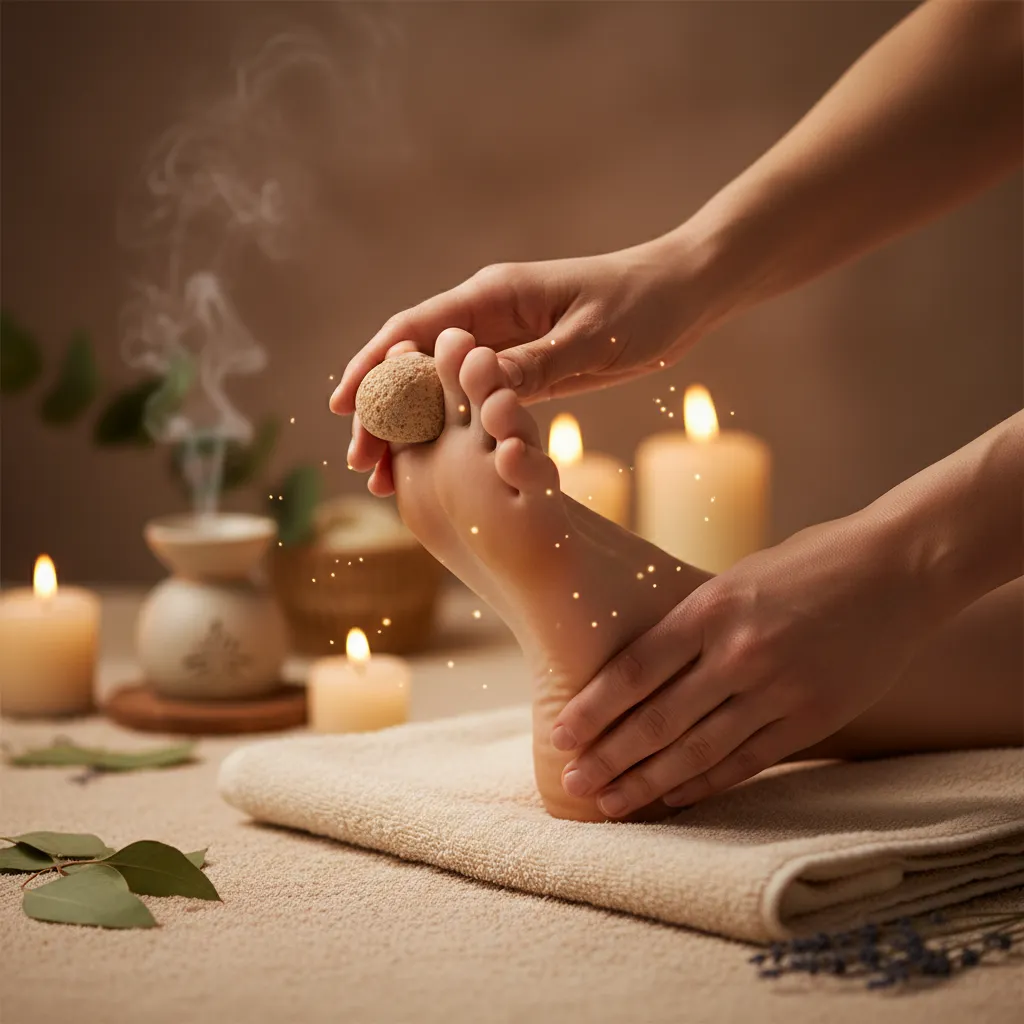
Before exploring its mental health applications, it’s essential to grasp the fundamentals of reflexology. Often mistaken for a simple foot massage, reflexology is a distinct therapeutic practice. It operates on the principle that the body is mapped onto the feet, hands, and ears through a complex network of nerve endings. When specific reflex points are stimulated, they are believed to send signals through the nervous system to corresponding areas of the body, including vital organs and endocrine glands. This stimulation is thought to trigger a healing response, improve nerve function, and promote overall systemic balance.
A typical reflexology session involves the practitioner using their thumbs, fingers, and hands to apply pressure to these reflex points. The pressure can range from gentle to firm, tailored to the individual’s comfort and therapeutic needs. While the most common form is foot reflexology, hand and ear reflexology are also practiced, offering flexibility for clients. The profound relaxation experienced during a session is often the first and most immediate benefit, setting the stage for deeper therapeutic effects on the mind and body. This deep state of relaxation is crucial for activating the parasympathetic nervous system, shifting the body from a ‘fight or flight’ response to a ‘rest and digest’ state, which is foundational for mental and emotional healing.
The Neurological Connection: How Reflexology Influences the Brain
The impact of reflexology on mental well-being is not simply a placebo effect; it is underpinned by tangible neurological processes. The intricate network of nerves in the feet and hands directly connects to the central nervous system. When reflex points are stimulated, these neural pathways transmit impulses to the brain, influencing various regions responsible for mood, stress response, and cognitive function. This interaction helps to modulate neurotransmitter release, such as serotonin and dopamine, which are critical for regulating mood and pleasure.
Furthermore, reflexology has been shown to decrease cortisol levels, the primary stress hormone. Chronic stress and elevated cortisol can lead to inflammation and damage to brain structures associated with memory and mood regulation. By reducing cortisol, reflexology helps to mitigate these detrimental effects, fostering a more stable and resilient mental state. The therapy also enhances blood flow to the brain, providing essential oxygen and nutrients, which can improve overall brain function and cognitive clarity. This physiological response is a key mechanism through which reflexology transcends physical relaxation to offer profound mental health benefits, impacting everything from emotional regulation to the ability to focus and process information.
Impact on Mood and Emotional Balance
One of the most immediate and appreciated benefits of reflexology for mental well-being is its profound impact on mood and emotional balance. Many individuals report feeling a sense of calm and upliftment after a session, often accompanied by a significant reduction in irritability and tension. This is largely attributed to the therapy’s ability to regulate the nervous system and promote the release of endorphins, the body’s natural mood elevators.
Stress Reduction and Relaxation
At its core, reflexology is a powerful stress reducer. By stimulating specific reflex points, it helps to quiet the sympathetic nervous system, responsible for the ‘fight or flight’ response, and activate the parasympathetic nervous system, which promotes ‘rest and digest’. This shift allows the body and mind to move into a state of deep relaxation. Regular reflexology sessions can help individuals develop a greater capacity to manage daily stressors, preventing the accumulation of tension that often contributes to mood disturbances. The sustained relaxation achieved helps to reset the body’s stress response mechanisms, making individuals less reactive to stressful stimuli in the long term.
Promoting Emotional Regulation
Beyond simple stress relief, reflexology can aid in emotional regulation. By balancing the body’s energy pathways and influencing endocrine glands, it supports the harmonious functioning of hormones that play a crucial role in emotional stability. Clients often report feeling more grounded, centered, and capable of processing emotions constructively. This can lead to a reduction in emotional volatility and an increased sense of inner peace. The therapeutic touch and focused attention during a reflexology session also provide a safe space for emotional release, allowing suppressed feelings to surface and be acknowledged, which is a vital step in emotional healing.
Reducing Symptoms of Depression and Anxiety
For individuals grappling with depression and anxiety, reflexology offers a gentle yet effective complementary approach. While not a standalone cure, it can significantly alleviate symptoms and improve overall quality of life, often working synergistically with other treatments.
Calming the Overactive Nervous System
Anxiety disorders are often characterized by an overactive sympathetic nervous system, leading to persistent feelings of unease, worry, and physical symptoms like rapid heart rate and muscle tension. Reflexology directly addresses this by stimulating the parasympathetic nervous system, which promotes calm and slows down physiological processes. This rebalancing act helps to reduce the frequency and intensity of anxiety attacks, allowing individuals to feel more in control and less overwhelmed. The systematic application of pressure to specific points associated with the nervous system helps to quiet neural hyperactivity, fostering a sense of profound tranquility.
Improving Sleep Quality for Mental Restoration
Sleep disturbances are a common comorbidity with both depression and anxiety. Reflexology has a well-documented ability to improve sleep quality. By inducing deep relaxation and reducing overall stress, it helps individuals fall asleep more easily and experience more restorative sleep. Better sleep directly translates to improved mood, increased energy, and enhanced cognitive function, creating a positive feedback loop that supports mental well-being. A restful night allows the brain to process emotions and consolidate memories, which is crucial for mental resilience. This link to improved sleep is a critical pathway for its efficacy in alleviating mental health symptoms, as evidenced by various studies on complementary therapies and sleep. For further reading on the mechanisms of reflexology, consider exploring comprehensive resources like Wikipedia’s page on Reflexology.
Enhancing Clarity and Mental Focus
Beyond emotional regulation, reflexology can sharpen cognitive abilities, fostering greater mental clarity and focus, which are essential for productivity and overall life satisfaction.
Boosting Cognitive Function and Alertness
The improvements in circulation and nerve function facilitated by reflexology extend to the brain, contributing to enhanced cognitive performance. Many recipients report feeling more mentally alert, having improved concentration, and experiencing greater mental acuity after regular sessions. This can be particularly beneficial for students, professionals, or anyone seeking to optimize their mental performance. By reducing mental fog and fatigue, reflexology supports clearer thinking and better decision-making processes. The systemic relaxation also reduces mental chatter, creating a calmer internal environment conducive to sustained attention.
Fostering Mindfulness and Presence
The deep state of relaxation induced by reflexology encourages a mindful state. During a session, individuals are often encouraged to focus on their breath and the sensations in their body, drawing their attention to the present moment. This practice of mindfulness, when regularly engaged in through therapies like reflexology, can cultivate a greater sense of presence and self-awareness in daily life. It helps individuals to detach from ruminating thoughts about the past or anxieties about the future, grounding them in the ‘now’. This enhanced capacity for mindfulness is a powerful tool for managing stress and promoting a more positive outlook. Furthermore, research indicates that complementary health approaches, including practices like reflexology, can significantly impact mental health outcomes, as highlighted by various health organizations such as the World Health Organization’s initiatives on mental health.
Reflexology for Mental Health in Auckland: Finding Your Path
For residents of Auckland, accessing quality reflexology services for mental well-being is increasingly straightforward. The city boasts a community of dedicated and qualified reflexologists who integrate mental health support into their practice. When seeking a practitioner, it’s important to prioritize credentials and a compassionate approach.
How to Find a Qualified Practitioner in Auckland
When searching for a reflexologist in Auckland, consider the following:
- Qualifications: Look for practitioners who are certified by recognized reflexology associations in New Zealand, such as Reflexology New Zealand. This ensures they have undergone rigorous training and adhere to professional standards.
- Experience: Inquire about their experience, particularly if they have worked with clients addressing mental health concerns like stress, anxiety, or depression.
- Client Testimonials: Reviews and testimonials can provide insight into a practitioner’s approach and effectiveness.
- Consultation: Many practitioners offer an initial consultation. Use this opportunity to discuss your mental health goals and assess if their approach aligns with your needs and comfort.
- Location and Accessibility: Consider the convenience of their clinic’s location within Auckland to ensure regular attendance is feasible.
A good reflexologist will conduct a thorough intake, discussing your overall health, lifestyle, and specific mental health concerns to tailor a treatment plan that is holistic and person-centered.
What to Expect During a Session in Auckland
A typical reflexology session in Auckland usually lasts between 45 to 60 minutes. You will generally be seated comfortably in a reclining chair or on a massage table. The practitioner will focus on your feet (or hands/ears, depending on the agreed upon treatment), using various techniques to apply pressure. You might feel areas of tenderness, which the reflexologist will note as potentially corresponding to areas of imbalance in the body. Communication is key; feel free to provide feedback on the pressure and sensations experienced.
During the session, it’s common to feel deeply relaxed, sometimes even drifting into a light sleep. After the session, you might feel calm, energized, or even a little tired, as your body processes the treatment. Hydration is encouraged post-session to aid in detoxification and enhance the benefits. Consistency is often recommended for sustained mental health benefits, with many clients opting for weekly or bi-weekly sessions initially, tapering to monthly maintenance.
Integrating with Other Mental Wellness Practices
Reflexology is most effective when viewed as a complementary therapy, rather than a sole solution for complex mental health conditions. Its power lies in its ability to support and enhance other wellness practices, creating a holistic strategy for mental well-being.
Adopting a Holistic Approach to Mental Health
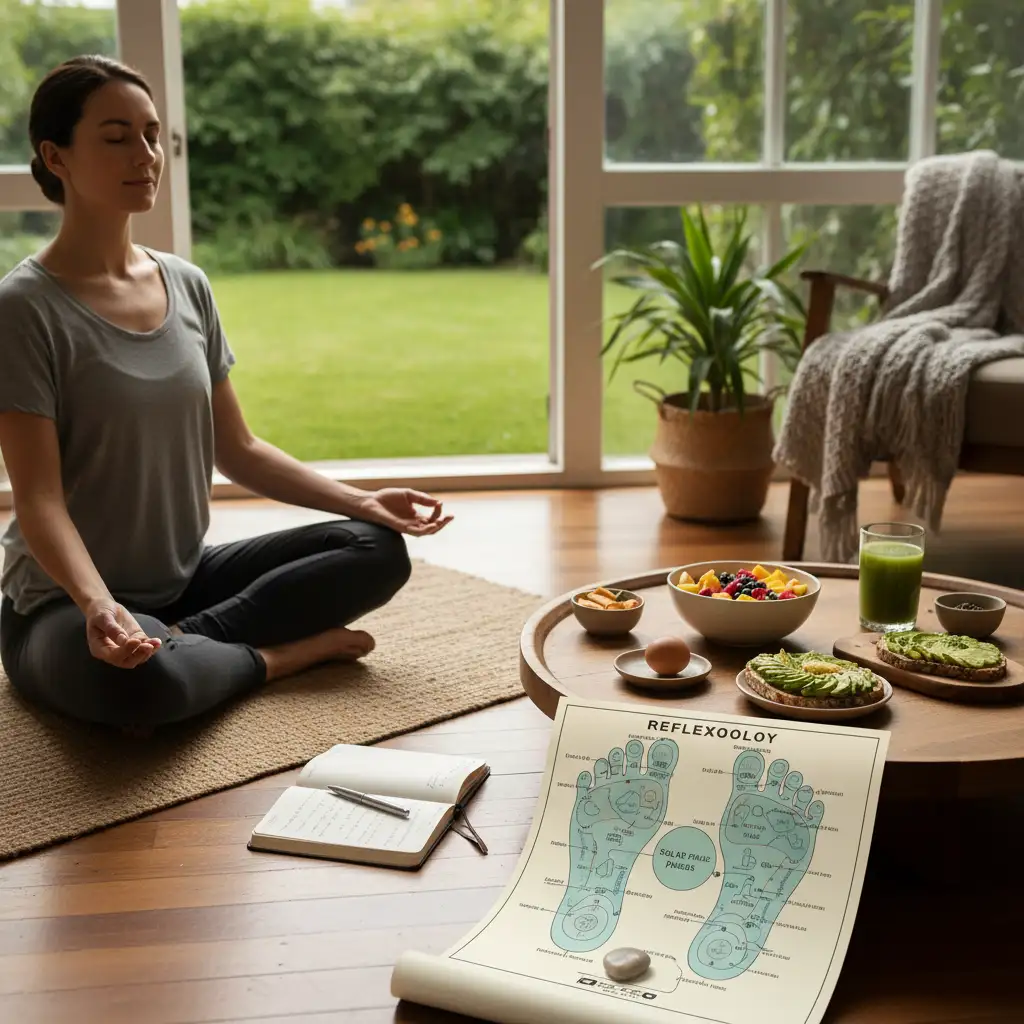
A truly holistic approach to mental health acknowledges the interconnectedness of mind, body, and spirit. Reflexology fits seamlessly into this framework by addressing physical manifestations of stress and emotional imbalance, thereby creating a more receptive state for other therapies. For example, individuals undergoing psychotherapy may find that reflexology helps to reduce anxiety, making it easier to engage in therapeutic conversations and process difficult emotions. Similarly, for those practicing mindfulness or meditation, reflexology can deepen their ability to relax and focus, enhancing the benefits of these contemplative practices.
Synergistic Effects with Lifestyle Modifications
Combining reflexology with positive lifestyle modifications amplifies its benefits. Regular physical activity, a balanced diet rich in whole foods, adequate sleep hygiene, and strong social connections are all pillars of mental well-being. Reflexology can support these efforts by improving energy levels, reducing stress-induced cravings, and fostering a greater sense of self-care motivation. By incorporating reflexology into a broader wellness regimen, individuals in Auckland can create a powerful synergy that promotes resilience, emotional stability, and overall mental health, moving beyond simply managing symptoms to truly thriving.
Conclusion: Embracing Holistic Mental Well-being
Reflexology offers a profound pathway to enhanced mental well-being, moving far beyond its traditionally recognized physical benefits. By stimulating the body’s natural healing mechanisms, it effectively addresses the neurological and physiological underpinnings of stress, anxiety, and mood imbalances. From regulating the nervous system and reducing cortisol levels to improving sleep and fostering mental clarity, its therapeutic reach is extensive.
For those in Auckland seeking comprehensive support for their mental health, reflexology presents a valuable, non-invasive, and deeply relaxing option. When integrated thoughtfully with other mental wellness practices and healthy lifestyle choices, it can empower individuals to achieve greater emotional balance, resilience, and a profound sense of inner peace. Embracing reflexology is an investment in your holistic health, offering a gentle yet powerful step towards a more serene and focused mind.
People Also Ask About Reflexology and Mental Health
How does reflexology specifically help with anxiety?
Reflexology helps with anxiety by activating the parasympathetic nervous system, which calms the body’s fight-or-flight response. This reduces heart rate, lowers blood pressure, and decreases stress hormones like cortisol. By targeting specific reflex points connected to the nervous system, it promotes deep relaxation, alleviating feelings of worry and tension, and fostering a sense of inner calm.