
The history of reflexology traces back thousands of years, revealing its origins in ancient healing traditions before evolving into the refined complementary therapy recognized today. This journey encompasses early practices in diverse cultures and significant contributions from pioneering figures in the Western world who codified its principles, making it a widely appreciated modality for wellness.
Reflexology, a practice involving the application of pressure to specific points on the feet, hands, and ears, is far from a modern invention. Its extensive history reflects humanity’s continuous quest for holistic health and well-being, bridging ancient wisdom with contemporary therapeutic understanding. This comprehensive guide will delve into the fascinating historical trajectory of reflexology, from its earliest documented appearances to its sophisticated role in modern health practices, satisfying the informational search intent for anyone curious about the foundational journey of this profound healing art.
Ancient Roots in Egypt and China
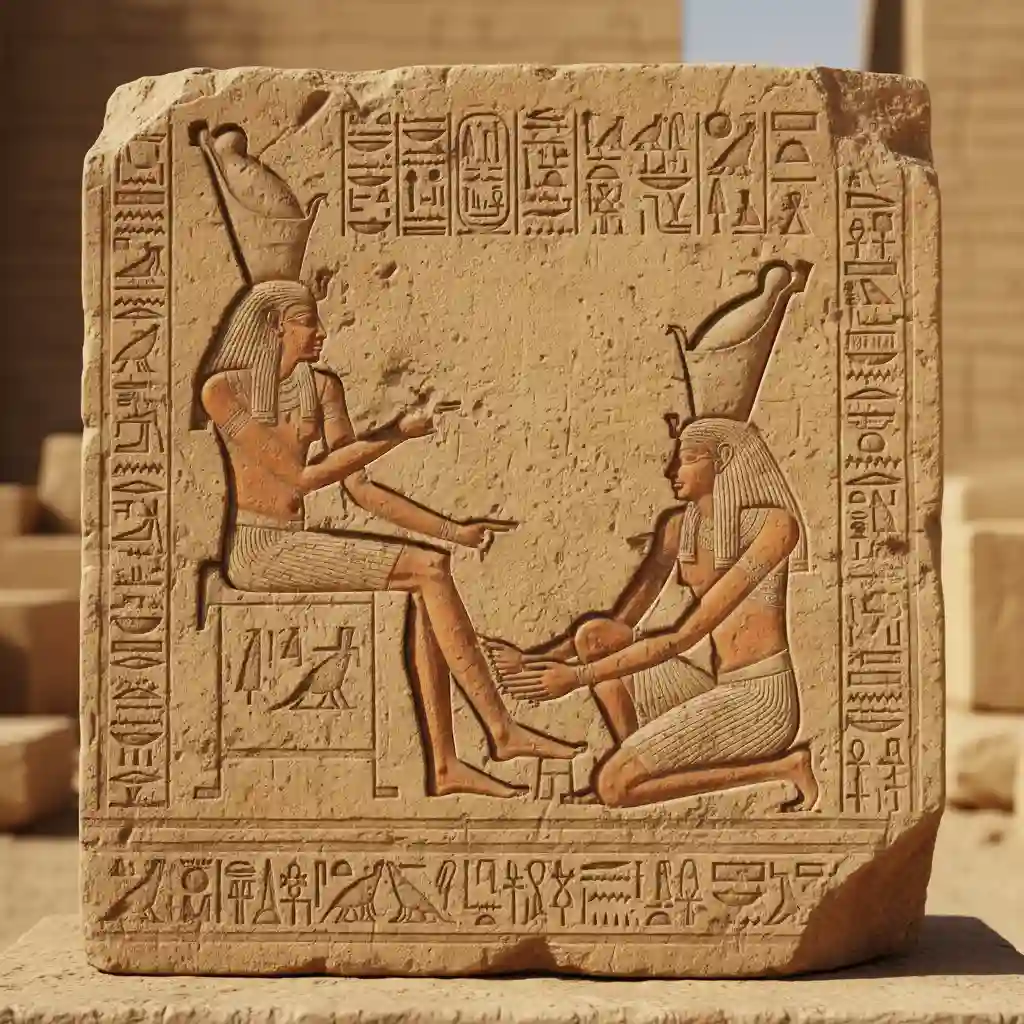
The earliest documented evidence suggesting practices akin to modern reflexology dates back to ancient Egypt, specifically around 2330 BC. A pictograph found in the Tomb of Ankhmahor (also known as the “Tomb of the Physician”) at Saqqara depicts two men receiving what appears to be hand and foot manipulation. The hieroglyphic inscriptions accompanying these images translate to, “Don’t hurt me, master,” and the practitioner’s reply, “I shall act so you praise me.” While not explicitly called reflexology, this scene strongly indicates an ancient understanding of therapeutic touch applied to the extremities for health benefits, suggesting that the concept of stimulating specific points on the body was known and practiced in this advanced civilization.
Simultaneously, or perhaps even earlier, in ancient China, traditional healing systems laid groundwork that shares conceptual similarities with reflexology. The principles of Traditional Chinese Medicine (TCM), particularly acupuncture and acupressure, revolve around the concept of “Qi” (life energy) flowing through meridians or energy pathways in the body. Disturbances in this flow are believed to lead to illness, and stimulating specific points along these meridians can restore balance. While reflexology focuses on distinct reflex areas on the feet and hands rather than meridians, the underlying philosophy of stimulating points on the body to influence distant organs or systems is a clear parallel. Ancient texts like The Yellow Emperor’s Classic of Internal Medicine (c. 2700 BCE) discuss pressure therapies, indicating a long-standing tradition of using manual stimulation for therapeutic purposes. Though direct historical links are difficult to definitively prove, these ancient practices illustrate a global, intuitive recognition of the body’s interconnectedness and its capacity for self-healing through external stimulation.
Development in Modern Western Medicine
The re-emergence and formalization of reflexology in the Western world took a significantly different path, rooted more in neurological and anatomical observations than ancient spiritual or energetic systems. The late 19th and early 20th centuries saw the initial investigations that would eventually lead to the structured practice known today.
One of the earliest pioneers was Dr. H. B. Riley, who, in 1898, wrote a paper on “nerve-reflex points.” However, it was Dr. William H. Fitzgerald, an American ear, nose, and throat surgeon, who is largely credited with developing “Zone Therapy.” In the early 20th century, Dr. Fitzgerald observed that applying pressure to specific parts of the body, particularly the hands and feet, could produce an analgesic effect in other, seemingly unrelated areas. His theory proposed that the body is divided into ten longitudinal zones, running from the head to the toes. He suggested that pressure applied to any point within a zone would affect other areas within the same zone. He also noted that patients undergoing minor surgeries could tolerate pain better if pressure was applied to certain parts of their fingers or toes. Dr. Fitzgerald’s work, initially published in 1917 with Dr. Edwin F. Bowers in their book “Zone Therapy, or Relieving Pain at Home,” marked a crucial step in formalizing the concept of treating distal areas through pressure points, thereby laying the scientific-sounding foundation for modern reflexology.
Following Fitzgerald’s work, Dr. Joe Shelby Riley, a physician and osteopath, further refined Zone Therapy, creating detailed diagrams of the reflex points on the feet and hands. He also recognized the importance of the psychological aspect of the treatment, advocating for a holistic approach to patient care.
Key Figures and Their Contributions
While Dr. Fitzgerald established the concept of Zone Therapy, it was the dedicated work of several other individuals that transformed it into the recognizable form of reflexology practiced today.
Eunice D. Ingham: The Mother of Modern Reflexology
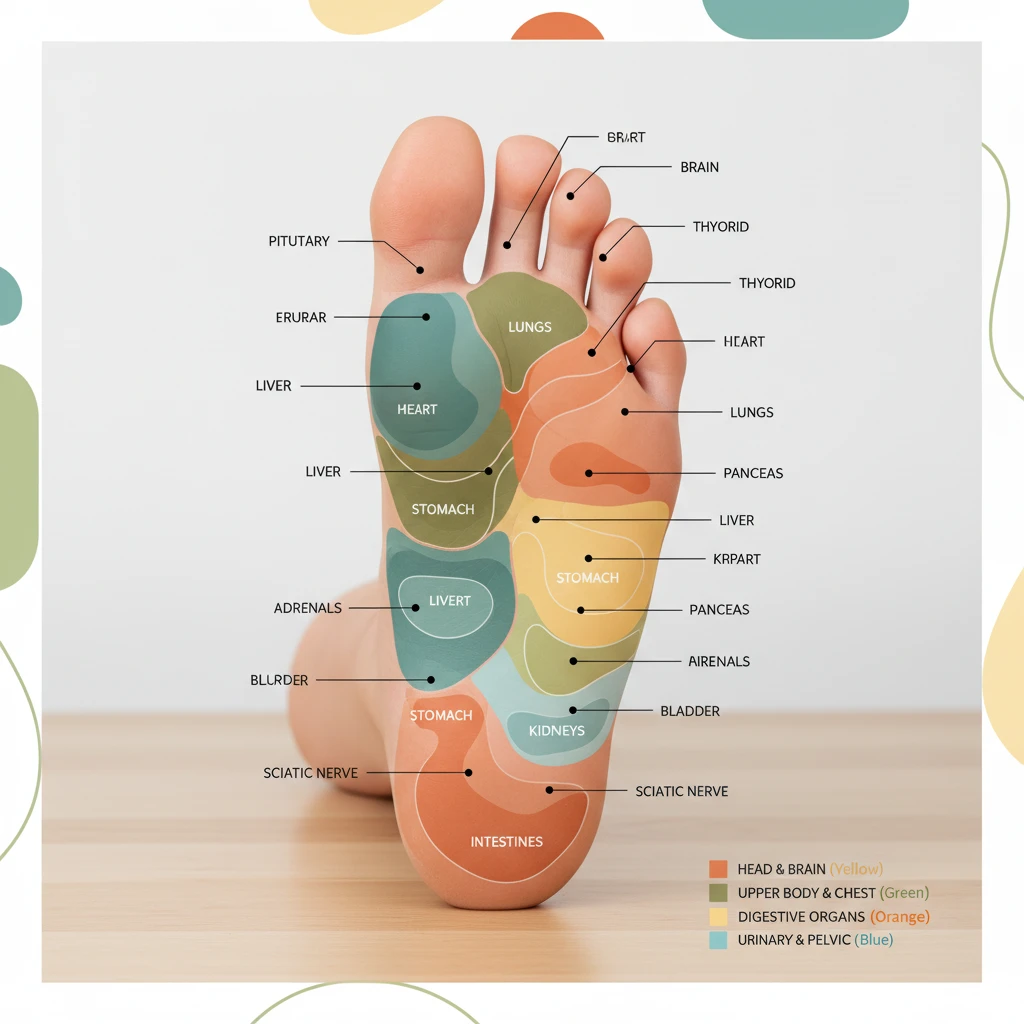
Perhaps the most pivotal figure in the history of reflexology is Eunice D. Ingham (1889-1974). A physiotherapist who worked closely with Dr. Riley, Ingham meticulously observed and documented the effects of Zone Therapy on her patients. She discovered that the feet were the most sensitive and responsive areas for treating reflex points, often yielding better results than other body parts. Ingham’s groundbreaking contribution was to map the entire body onto the feet, creating the detailed foot charts that are still used as the basis of modern reflexology. She realized that the reflex points on the feet were not merely in zones but corresponded precisely to organs, glands, and other parts of the body. Her research led her to conclude that applying pressure to these specific reflexes could stimulate self-healing processes in the corresponding body parts.
Ingham extensively traveled, teaching her method, which she began calling “reflexology” to differentiate it from Zone Therapy. Her books, “Stories the Feet Can Tell” (1938) and “Stories the Feet Have Told” (1951), became foundational texts, disseminating her findings and techniques to a wider audience. Through her tireless efforts, reflexology moved from a clinical observation to a systematic, accessible complementary therapy. Learn more about her contributions on Wikipedia.
Dwight C. Byers: Carrying on the Legacy
Eunice Ingham’s nephew, Dwight C. Byers, continued her work, establishing the International Institute of Reflexology (IIR) after her passing. Byers further refined Ingham’s techniques and expanded the global reach of reflexology through comprehensive training programs. His work focused on maintaining the purity and integrity of Ingham’s original methods, ensuring that her teachings were accurately transmitted to new generations of practitioners worldwide. The IIR remains a leading authority in reflexology education, built upon the foundation laid by Ingham.
Hanne Marquardt: Reflexology in Europe
In Europe, particularly Germany, Hanne Marquardt played a significant role in developing and popularizing reflexology. Having learned from Ingham’s work, Marquardt established her own School for Foot Reflexology and contributed to its acceptance in the medical community. Her approach, often called “Reflexology of the Foot” (Fussreflexzonen-Massage), integrated elements of her clinical experience and further refined the understanding of reflex zones, influencing the practice across continental Europe.
Cultural Evolution of the Practice
From its fragmented ancient roots and early 20th-century Western re-discovery, reflexology has undergone a remarkable cultural evolution, transitioning from a niche therapeutic technique to a widely recognized and respected complementary health modality across the globe.
Global Spread and Integration
The groundwork laid by Ingham, Byers, and Marquardt led to a burgeoning interest in reflexology throughout the mid to late 20th century. Practitioners began establishing schools and associations in various countries, adapting the techniques to local cultural contexts while preserving the core principles. In places like New Zealand, particularly in a vibrant city like Auckland, reflexology has found a strong foothold, becoming a popular choice for those seeking natural health solutions. The development of professional standards, ethics, and certification programs has further solidified its reputation, moving it beyond anecdotal evidence to a more structured and credible practice.
Reflexology in Complementary and Alternative Medicine (CAM)
In the latter part of the 20th century and into the 21st, reflexology became a prominent component of the broader Complementary and Alternative Medicine (CAM) landscape. As interest in holistic health grew, people sought therapies that addressed the body’s innate healing capabilities without relying solely on conventional pharmaceuticals or invasive procedures. Reflexology, with its non-invasive nature and emphasis on stimulating the body’s self-regulatory mechanisms, fit perfectly into this paradigm. It is often utilized alongside conventional medical treatments to manage stress, alleviate pain, improve circulation, and promote overall relaxation and well-being. Many hospitals and healthcare facilities now offer reflexology as part of their integrative medicine programs, recognizing its benefits for patient comfort and recovery.
Modern Perception and Scientific Interest
Today, reflexology is viewed by millions as a valuable tool for maintaining health and supporting the body’s natural healing processes. While scientific research into reflexology’s precise mechanisms is ongoing and continues to develop, a growing body of studies explores its efficacy for various conditions, including stress reduction, pain management, and improving quality of life for chronic illness sufferers. The increasing demand for natural and preventative healthcare has ensured reflexology’s continued growth and acceptance. Professional organizations globally, including those in Auckland, work to ensure high standards of practice and to educate the public about the benefits of this ancient yet ever-evolving therapy.
Conclusion: A Timeless Practice Endures
The history of reflexology is a compelling narrative of human intuition, observation, and persistent dedication to healing. From the cryptic carvings in ancient Egyptian tombs and the philosophical underpinnings of Traditional Chinese Medicine to the systematic mapping by Western pioneers like Dr. William H. Fitzgerald and the tireless evangelism of Eunice D. Ingham, reflexology has traversed millennia and continents. It has evolved from fragmented observations into a sophisticated, respected complementary therapy, deeply rooted in the understanding of the body’s remarkable interconnectedness.
Its journey reflects a universal human desire to alleviate suffering and promote well-being through natural means. Today, reflexology stands as a testament to the enduring power of touch and the body’s inherent capacity for self-repair, continuing to offer profound benefits to individuals seeking holistic health and balance in a modern world. Its rich historical tapestry ensures its place as a valued practice for generations to come.
People Also Ask
When did reflexology originate?
The earliest evidence suggesting practices similar to reflexology dates back to ancient Egypt around 2330 BCE, with further development in traditional Chinese medicine. Modern reflexology, as we know it, began to formalize in the early 20th century.
Who is considered the mother of modern reflexology?
Eunice D. Ingham is widely recognized as the “Mother of Modern Reflexology” for her groundbreaking work in mapping the entire body onto the feet and tirelessly promoting her method through teaching and writing in the mid-20th century.
What is Zone Therapy and how is it related to reflexology?
Zone Therapy was developed by Dr. William H. Fitzgerald in the early 20th century. It proposed that the body is divided into ten longitudinal zones, and pressure applied to any part of a zone could affect other areas within that same zone. Eunice Ingham’s work on reflexology built upon and refined Fitzgerald’s Zone Therapy concept.
Are there ancient Chinese roots to reflexology?
Yes, traditional Chinese medicine (TCM) practices like acupressure, which date back thousands of years, share conceptual similarities with reflexology. They both involve stimulating specific points on the body to influence distant organs or systems, though reflexology focuses specifically on reflex areas on the feet and hands.
How did reflexology spread in the Western world?
Reflexology gained prominence in the Western world through the work of Dr. William H. Fitzgerald, who developed Zone Therapy, and most notably through Eunice D. Ingham, who systematized the practice, mapped the feet, and taught her methods widely, leading to its global dissemination.
Is reflexology recognized in modern healthcare?
Reflexology is increasingly recognized as a valuable complementary and alternative medicine (CAM) modality. While research is ongoing, it’s often used alongside conventional treatments for stress reduction, pain management, and general well-being in many integrated healthcare settings.