
Choosing a qualified reflexologist in Auckland is paramount to ensuring safe, effective, and beneficial treatment. A qualified professional possesses the necessary training, adheres to ethical standards, and is committed to continuous learning, offering clients peace of mind and optimal outcomes for their health and well-being journeys.
Understanding Reflexology: More Than Just a Foot Massage
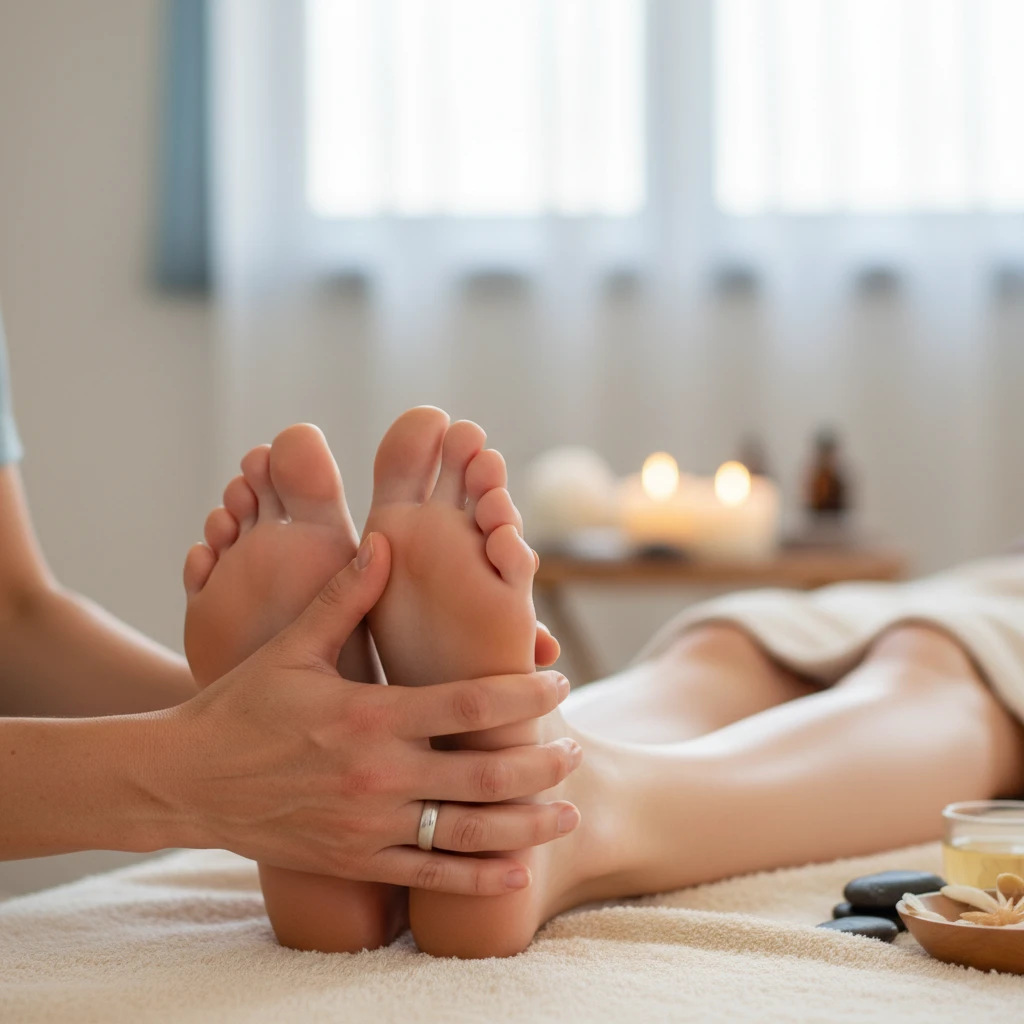
Reflexology is a complementary health therapy that involves applying pressure to specific points on the feet, hands, or ears. These points, known as reflexes, are believed to correspond to different organs, glands, and body parts. By stimulating these reflexes, a qualified reflexologist aims to promote relaxation, improve circulation, reduce pain, and restore the body’s natural balance. It’s often misunderstood as a simple foot massage, but its intricate principles and potential benefits extend far beyond mere physical comfort, touching on systemic well-being.
What Exactly is Reflexology?
At its core, reflexology operates on the principle that the body is mapped onto the feet, hands, and ears. Ancient practices across various cultures have long recognized the therapeutic power of touch on these extremities. Modern reflexology, however, is a structured and often scientifically studied discipline that uses specific techniques to target these reflex points. The goal is not just local relief but to positively impact corresponding areas throughout the body, encouraging self-healing and homeostasis.
The Potential Benefits of Professional Reflexology
When performed by a qualified professional, reflexology can offer a myriad of potential benefits. These may include stress reduction and deep relaxation, improved sleep quality, alleviation of pain (such as headaches and back pain), enhanced circulation, and support for various bodily systems like the digestive, lymphatic, and endocrine systems. For many, it serves as a valuable adjunct to conventional medical care, helping to manage chronic conditions or simply promoting a greater sense of overall wellness. The therapeutic touch can also foster a feeling of connection and care, which is vital for holistic healing.
Accreditations and Professional Memberships: The Mark of a Qualified Reflexologist
The foundation of trust and efficacy in reflexology lies in the practitioner’s qualifications. Unlike some unregulated industries, professional reflexology demands rigorous training and adherence to established standards. When seeking a reflexologist in Auckland, verifying their accreditations and professional memberships is not merely an optional step; it is a critical safeguard for your health and investment.
Recognizing Official Qualifications
A genuinely qualified reflexologist will have completed a recognized course of study from an accredited institution. In New Zealand, this often means training that meets national or international standards, covering anatomy, physiology, pathology, and practical reflexology techniques. Look for diplomas or certifications from reputable schools. These qualifications indicate that the practitioner has undergone comprehensive education and hands-on training, understanding both the theory and practical application of reflexology, rather than just learning a few basic techniques.
The Role of Professional Associations and Bodies in New Zealand
Professional associations play a pivotal role in upholding the integrity of the reflexology profession. Organizations like Reflexology New Zealand (RNZ) set benchmarks for education, ethical conduct, and professional development. Membership in such bodies signifies a commitment to excellence and adherence to a strict code of practice. These associations often require members to meet specific qualification criteria, maintain insurance, and engage in ongoing training, providing a layer of accountability and quality assurance that individual practitioners might not otherwise have.
Why Membership Matters: Standards, Ethics, and Continuous Professional Development
Choosing a reflexologist who is a member of a professional body offers several advantages. Firstly, it assures you that the practitioner meets certain educational standards and agrees to abide by a code of ethics, protecting client interests and ensuring professional conduct. Secondly, these associations often mandate continuous professional development (CPD), meaning members are required to regularly update their skills and knowledge through courses, workshops, and seminars. This commitment to lifelong learning ensures that the reflexologist remains current with best practices and emerging research in the field, ultimately benefiting their clients with the most up-to-date and effective treatments.
Experience and Specialized Training: Depth Beyond Basics
While foundational qualifications are essential, a truly exceptional reflexologist in Auckland will often possess a wealth of experience and potentially specialized training that sets them apart. Experience refines technique and deepens understanding, while specialized training allows a practitioner to address unique client needs with greater precision and efficacy. These aspects contribute significantly to the overall quality and effectiveness of the therapy you receive.
The Value of Practical Experience in Reflexology
Like any hands-on therapy, reflexology is an art refined through practice. An experienced reflexologist has encountered a diverse range of clients and conditions, honing their touch, intuition, and ability to interpret subtle cues from the feet. They learn to adapt their techniques to individual needs, understanding that no two clients are alike. This practical wisdom allows them to provide more personalized and effective treatments, identifying areas of imbalance more accurately and applying pressure with optimal sensitivity and skill. The more years a practitioner has under their belt, the more nuanced their approach typically becomes.
Specialized Training and Advanced Modalities
Beyond general reflexology, many practitioners undertake specialized training in specific areas. This could include fertility reflexology, maternity reflexology, palliative care reflexology, or reflexology for specific conditions like anxiety or digestive issues. Such advanced modalities demonstrate a commitment to deeper expertise and allow the reflexologist to cater to particular client populations with targeted knowledge and techniques. For instance, a reflexologist specializing in fertility will have an in-depth understanding of the reproductive system and hormonal balance, offering more tailored support to individuals or couples trying to conceive. Always inquire if a practitioner has relevant specialized training for your specific health concerns.
Continuous Learning and Skill Enhancement
The field of complementary health is ever-evolving. A truly dedicated and qualified reflexologist will not rest on their initial qualifications but will actively seek out opportunities for continuous learning and skill enhancement. This might involve attending advanced workshops, participating in seminars on new research, or exploring complementary therapies that can integrate with reflexology. This ongoing pursuit of knowledge ensures that their practice remains dynamic, informed by the latest understanding, and capable of offering the most effective and safe treatments to their clients in Auckland and beyond. This dedication reflects a true professional who is invested in their craft and their clients’ well-being.
Ensuring Ethical Practice and Client Safety: A Non-Negotiable Aspect
Beyond qualifications and experience, the ethical framework within which a reflexologist operates is paramount. Client safety and confidentiality are non-negotiable elements that distinguish a reputable practitioner. When entrusting your well-being to a reflexologist, particularly in a personal and therapeutic setting, you must be confident that they adhere to the highest standards of professionalism and care. These ethical considerations form the bedrock of a safe and effective therapeutic relationship.
Client Confidentiality and Professionalism
A qualified reflexologist understands the importance of maintaining strict client confidentiality. All personal and health information shared during sessions must be kept private and secure. This adherence to privacy creates a safe space for clients to discuss their health concerns openly. Furthermore, professionalism extends to punctuality, clear communication, and maintaining appropriate boundaries throughout the therapeutic relationship. A professional will always prioritize your comfort and ensure that all interactions are respectful and focused on your therapeutic goals.
Hygiene and Sanitation Standards
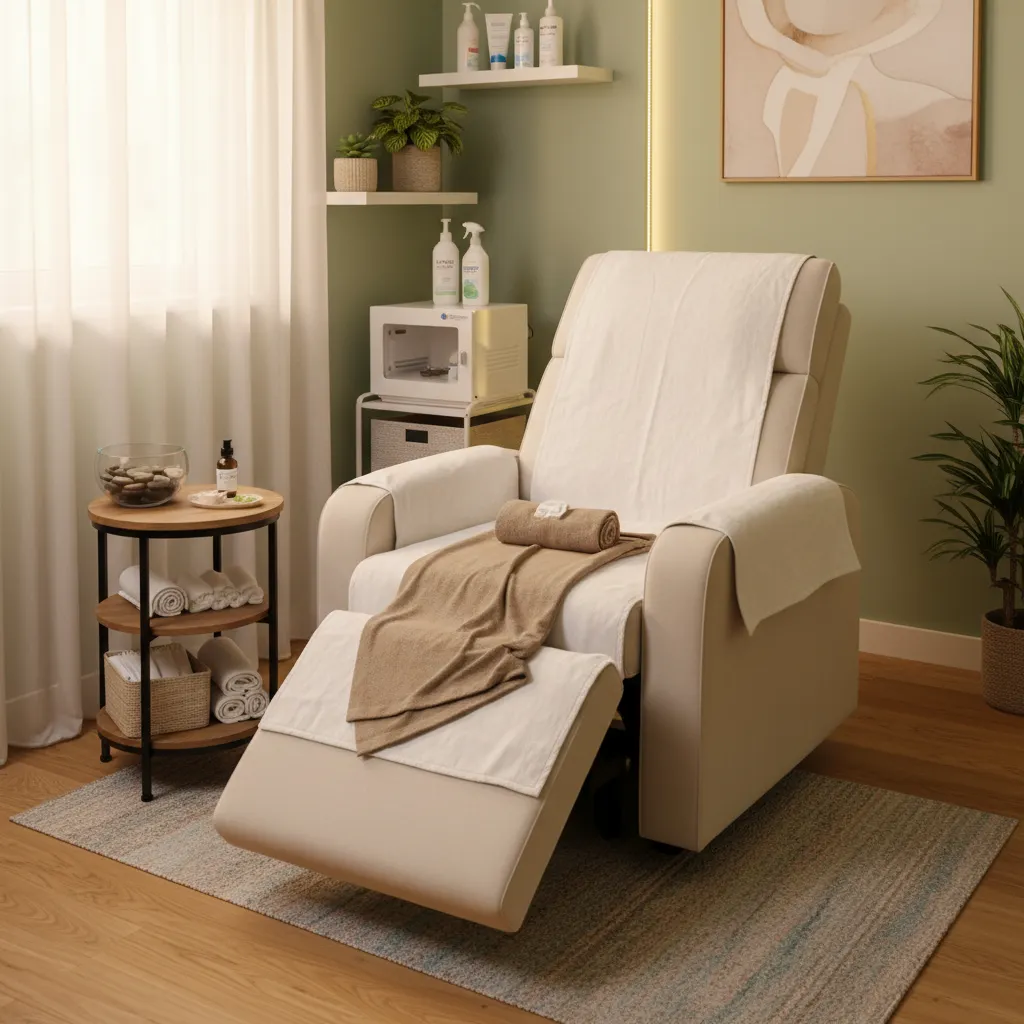
Given the hands-on nature of reflexology, impeccable hygiene and sanitation are critical. A qualified practitioner will maintain a clean and sterile environment, ensuring that all equipment, particularly foot baths, towels, and surfaces, are thoroughly sanitized between clients. The reflexologist themselves should practice excellent personal hygiene, including hand washing before and after each session. These measures are fundamental to preventing the spread of infections and ensuring a safe and healthy treatment experience for everyone.
Understanding Contraindications and When to Refer
An ethical and qualified reflexologist possesses a thorough understanding of contraindications – conditions or situations where reflexology might not be appropriate or could even be harmful. They will conduct a comprehensive health history intake to identify any such contraindications, such as deep vein thrombosis, unstable pregnancy, or acute infections. In cases where reflexology is not suitable, or if a condition requires medical attention beyond their scope of practice, a responsible reflexologist will not hesitate to refer the client to a doctor or another healthcare professional. This demonstrates a commitment to client safety above all else, acknowledging the limits of their expertise and working collaboratively within the broader healthcare system. For more information on contraindications, you can refer to reputable sources like Wikipedia’s entry on reflexology which often lists common contraindications.
Informed Consent and Tailored Treatment Plans
Before commencing any treatment, a qualified reflexologist will obtain your informed consent. This involves clearly explaining the proposed treatment, its potential benefits, any risks, and answering all your questions. They will also discuss and agree upon a personalized treatment plan tailored to your specific health needs and goals. This ensures you are fully aware and comfortable with the process, fostering a collaborative approach to your well-being. A transparent discussion about fees, session duration, and expected outcomes is also part of this ethical practice, ensuring there are no surprises.
Questions to Ask Your Reflexologist: Empowering Your Choice
Empowering yourself with the right questions is key to making an informed decision when choosing a reflexologist in Auckland. Don’t hesitate to ask probing questions; a professional and qualified practitioner will welcome your inquiries and be transparent about their practice. These questions not only help you assess their suitability but also build a foundation of trust before you commit to a session.
Inquiries About Qualifications and Experience
- “What are your primary reflexology qualifications and where did you train?” This establishes their foundational education.
- “Are you a member of any professional reflexology associations in New Zealand?” This indicates adherence to industry standards and ethics.
- “How long have you been practicing reflexology?” Experience often translates to refined skills.
- “Do you have any specialized training or areas of focus (e.g., maternity, pain management)?” This helps determine if they align with your specific needs.
Understanding Their Treatment Approach and Philosophy
- “What can I expect during a typical reflexology session with you?” This clarifies the process and their methodology.
- “How do you develop a personalized treatment plan?” This reveals their client-centered approach.
- “What is your philosophy on complementary therapies and working with other healthcare providers?” This demonstrates their holistic view and willingness to collaborate.
- “How do you measure progress or success in your treatments?” This provides insight into their assessment methods.
Logistical and Safety Questions
- “What are your hygiene and sanitation practices?” Crucial for ensuring a safe environment.
- “Do you carry professional indemnity insurance?” Essential for client protection.
- “What are your fees, and what is your cancellation policy?” Important practical details.
- “What is your process for client confidentiality?” Ensures your personal information is protected.
Finding a Qualified Reflexologist in Auckland
Navigating the options to find a qualified reflexologist in Auckland requires a systematic approach. With numerous practitioners available, knowing where to look and what resources to trust can streamline your search and lead you to a practitioner who truly meets your needs and expectations. Focusing on credible sources and client feedback will be invaluable in this process.
Leveraging Online Directories and Professional Associations
The most reliable starting point is often the official websites of professional reflexology associations in New Zealand, such as Reflexology New Zealand (RNZ). These bodies typically maintain online directories of their registered members, ensuring that practitioners listed meet specific qualification and ethical standards. Browsing these directories allows you to filter by location, making it easy to find qualified professionals specifically in Auckland. Additionally, reputable health and wellness directories may also list qualified practitioners, often providing links to their websites or profiles where you can find more information about their background and services.
Client Testimonials and Reviews: A Valuable Resource
Once you’ve shortlisted a few potential reflexologists, examining client testimonials and online reviews can provide valuable insights into their practice. Look for consistent positive feedback regarding their professionalism, effectiveness of treatment, and the overall client experience. Websites, social media pages, and independent review platforms can all be sources of this information. While individual experiences vary, a pattern of positive reviews can be a strong indicator of a practitioner’s quality and client satisfaction. Be mindful, however, to consider the overall trend rather than isolated comments.
The Importance of an Initial Consultation
Many qualified reflexologists offer a brief initial consultation, either in person or over the phone. This is an excellent opportunity for you to ask the questions outlined above, discuss your specific health concerns, and gauge the practitioner’s demeanor and approach. It allows you to assess if you feel comfortable and confident in their ability to help you. A good rapport with your therapist is crucial for any complementary therapy, and an initial consultation provides a low-pressure way to determine if a particular reflexologist is the right fit for you before committing to a full session. Don’t underestimate the importance of your gut feeling in this decision.
Conclusion: Prioritizing Your Well-being with a Qualified Reflexologist
The journey to enhanced well-being through reflexology is a personal and often profound one, and its success largely hinges on the expertise of your chosen practitioner. By prioritizing a qualified reflexologist in Auckland, you are not merely selecting a service; you are investing in your health, safety, and peace of mind. The comprehensive training, professional accreditations, extensive experience, and unwavering commitment to ethical practice are the hallmarks of a practitioner who can genuinely support your health goals. Take the time to research, ask insightful questions, and trust your intuition. In doing so, you ensure that your experience with reflexology is not only therapeutic and beneficial but also conducted with the highest standards of care, paving the way for a truly restorative and positive outcome.
People Also Ask
What makes a reflexologist qualified in New Zealand?
In New Zealand, a qualified reflexologist typically holds a diploma or certification from a recognized training institution, often aligning with national or international standards. They are frequently members of professional bodies like Reflexology New Zealand (RNZ), which ensures adherence to a code of ethics, practice standards, and mandatory continuous professional development.
Is reflexology regulated in Auckland?
While reflexology itself isn’t a government-regulated health profession in New Zealand in the same way doctors or nurses are, professional associations like Reflexology New Zealand (RNZ) provide self-regulation and set high standards for their members, offering a benchmark for quality and ethical practice within Auckland and wider NZ.
How do I verify a reflexologist’s credentials?
You can verify a reflexologist’s credentials by asking to see their qualifications (diplomas/certificates), checking if they are registered with a professional association (e.g., searching their name on the Reflexology New Zealand member directory), and inquiring about their experience and ongoing training.
What are the risks of seeing an unqualified reflexologist?
Seeing an unqualified reflexologist carries risks such as ineffective treatment, potential harm from incorrect techniques, lack of understanding of contraindications (conditions where reflexology is unsafe), poor hygiene leading to infections, and unprofessional conduct, all of which compromise your safety and well-being.
What questions should I ask during my first consultation?
During your first consultation, ask about their qualifications, years of experience, membership in professional bodies, their approach to treatment, hygiene practices, and how they handle client confidentiality. Also, discuss your specific health concerns and what you hope to achieve from the sessions.
Can reflexology help with specific health conditions?
Reflexology is often used as a complementary therapy to help manage symptoms and promote well-being for various conditions, including stress, anxiety, pain, digestive issues, and sleep problems. However, a qualified reflexologist will always clarify that it’s not a cure and should not replace conventional medical treatment for specific health conditions, but rather support it.