
Prenatal reflexology in Auckland offers expectant mothers a natural, non-invasive complementary therapy designed to support the body’s profound changes throughout pregnancy. This specialized form of reflexology focuses on specific pressure points on the feet, hands, and ears, aiming to alleviate common discomforts, promote relaxation, and enhance overall well-being for both mother and baby.
What is Prenatal Reflexology and Why Auckland?
Pregnancy is a remarkable journey, but it often comes with a range of physical and emotional challenges. From the initial weeks of morning sickness to the later stages of aches and swelling, the pregnant body undergoes immense transformation. Prenatal reflexology is a gentle, therapeutic practice tailored specifically for this period, aiming to bring balance and relief. In Auckland, a city renowned for its focus on holistic health and well-being, pregnant women have access to a growing number of practitioners specializing in this supportive therapy.
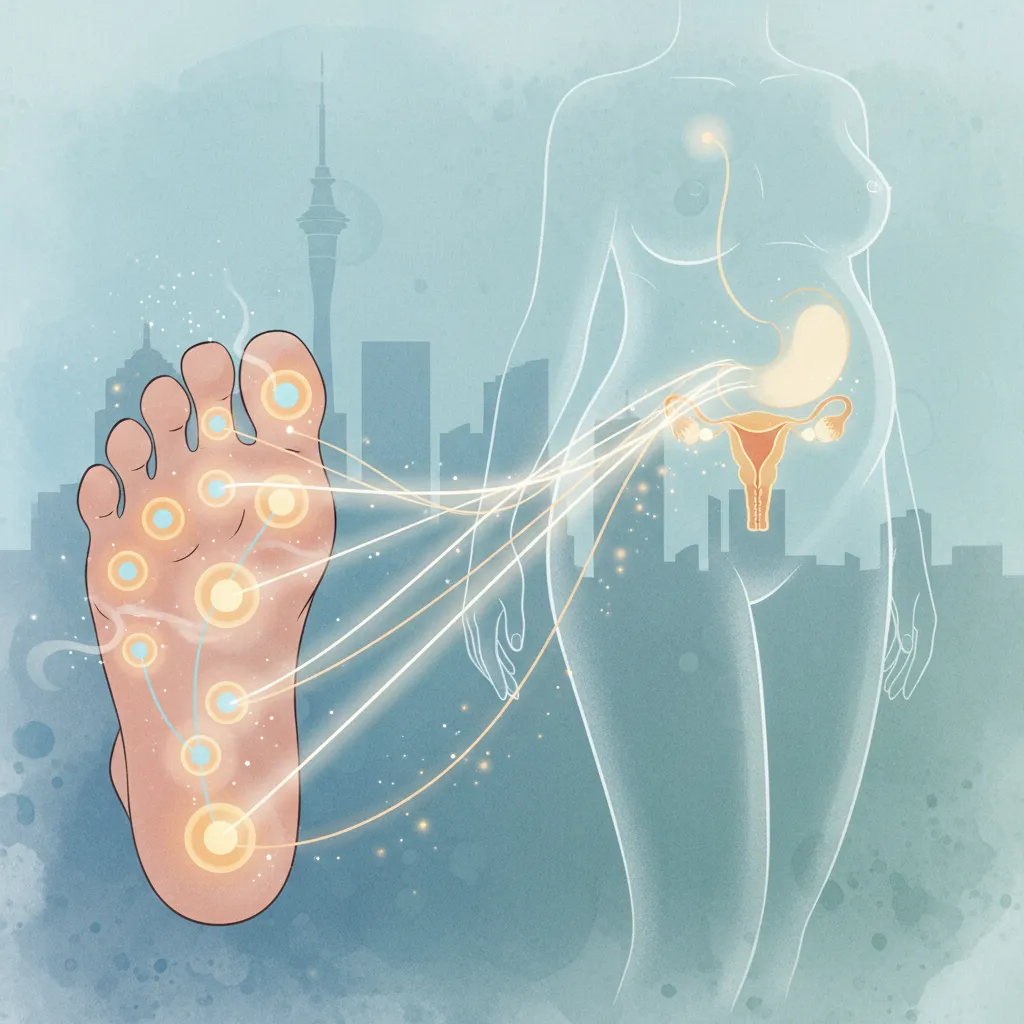
Reflexology operates on the principle that specific points on the feet, hands, and ears correspond to different organs, glands, and parts of the body. By applying pressure to these reflex areas, a trained practitioner can stimulate the body’s natural healing processes, improve circulation, and encourage deep relaxation. During pregnancy, these benefits are particularly valuable, helping the body adapt and thrive. Choosing a local Auckland practitioner ensures you can easily integrate regular sessions into your busy schedule, benefiting from consistent, localized care.
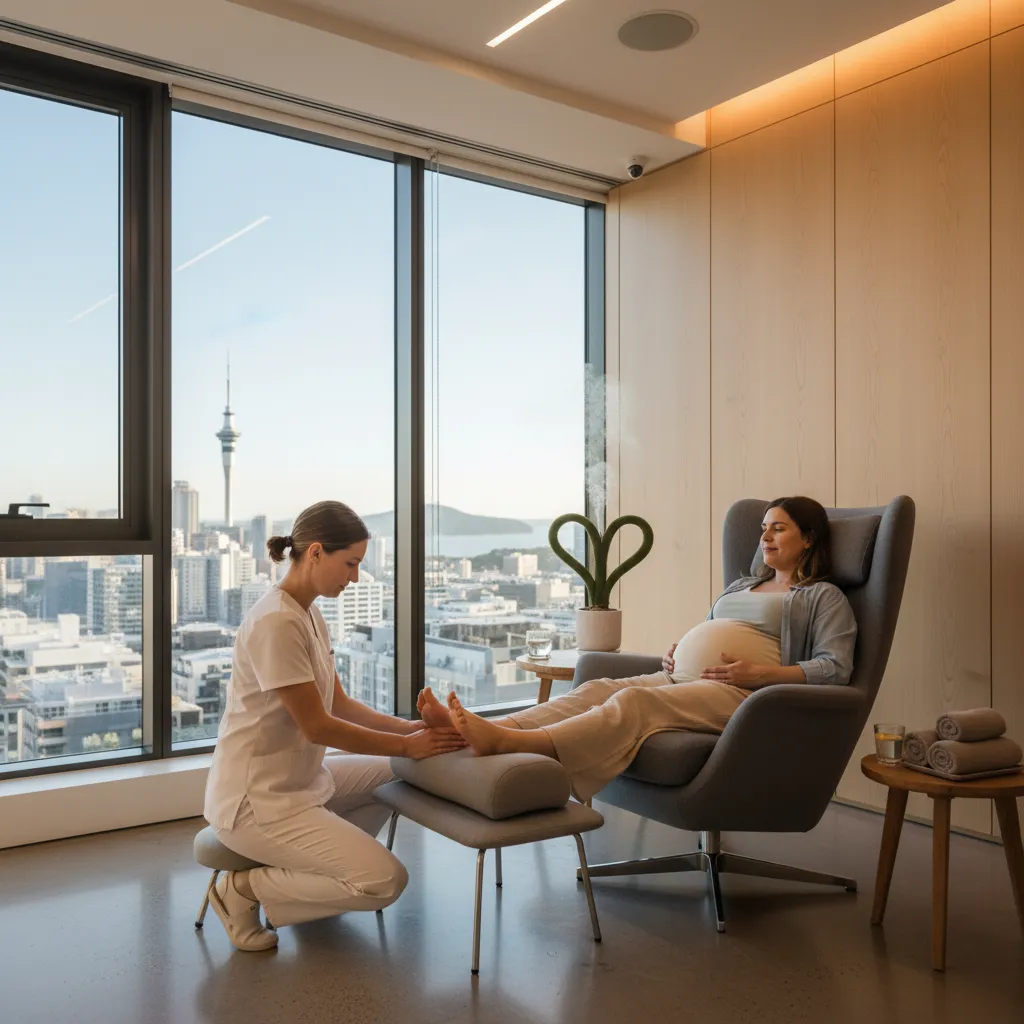
Alleviating Common Pregnancy Discomforts
One of the primary reasons expectant mothers turn to prenatal reflexology is its efficacy in mitigating many of the discomforts associated with pregnancy. The gentle techniques employed can significantly improve quality of life during a time when pharmaceutical options are often limited or avoided. This natural approach offers a safe haven for relief, fostering a sense of calm and physical ease.
Relieving Morning Sickness and Fatigue
Morning sickness, which for many is an all-day affair, and profound fatigue are two of the earliest and most challenging symptoms of pregnancy. While their exact causes are complex and often hormonal, reflexology can play a supportive role in managing them. By targeting reflex points associated with the digestive system, liver, and endocrine glands, practitioners can help to regulate nausea and promote better assimilation of nutrients. Furthermore, stimulating points related to the adrenal glands and overall energy pathways can combat the pervasive tiredness that often accompanies pregnancy.
Clients frequently report a reduction in the intensity and frequency of nausea after just a few sessions. The deep relaxation induced by reflexology also contributes significantly to energy restoration, allowing the body to rest and recuperate more effectively. This can be especially beneficial in the first trimester when the body is undergoing massive hormonal shifts and demands are high. A study published by the National Library of Medicine highlights the potential of complementary therapies in managing pregnancy-related symptoms.
Reducing Swelling and Back Pain
As pregnancy progresses, the increasing weight of the uterus, hormonal changes, and shifts in posture can lead to common complaints such as swollen ankles (oedema) and persistent back pain. Prenatal reflexology can be highly effective in addressing both these issues.
For swelling, gentle stimulation of reflex points related to the lymphatic system and kidneys encourages improved circulation and fluid drainage. This can help to reduce fluid retention, especially in the lower extremities, providing significant relief from the discomfort of swollen feet and ankles. It’s a non-invasive way to support the body’s natural waste elimination processes.
Back pain, particularly in the lumbar and pelvic regions, is almost universal in late pregnancy. Reflexology can alleviate tension in the muscles of the back by working on corresponding reflex points on the feet, particularly along the spine reflexes. By promoting relaxation and releasing muscular tension, it can reduce pressure on the spine and sciatic nerve. Furthermore, addressing points related to the pelvis can help prepare the ligaments and joints for the demands of childbirth, contributing to greater comfort during the final trimester.
Preparing the Body and Mind for Labor
Beyond alleviating discomforts, prenatal reflexology is also sought after for its potential role in preparing the body and mind for labor and birth. While reflexology cannot induce labor prematurely, it can help the body reach a state of readiness when it is naturally due.
From approximately 37 weeks gestation, sessions can focus on reflex points associated with the reproductive system, aiming to promote optimal uterine function and encourage natural contractions. The emphasis is on gently stimulating these areas to help the body prepare, rather than forcing an outcome. Many women find that regular sessions in the weeks leading up to their due date contribute to a sense of calm, reduced anxiety, and increased confidence for the birthing process.
Crucially, the deep relaxation response evoked by reflexology plays a significant role in labor preparation. By reducing stress hormones and increasing endorphins, it helps to create a more favorable internal environment for labor to commence naturally and progress smoothly. A relaxed mother is often better able to cope with the sensations of labor, leading to a more positive birthing experience. It’s a supportive tool for women desiring a natural birth or simply wishing to feel more prepared and less anxious.
Safety Guidelines and Choosing a Qualified Practitioner in Auckland
Safety is paramount when considering any complementary therapy during pregnancy. While prenatal reflexology is generally considered safe, it is crucial to seek treatment from a highly qualified and experienced practitioner who specializes in maternity reflexology. This ensures they have the specific knowledge and training to work safely and effectively with pregnant clients.
Here are key safety guidelines and tips for choosing a practitioner in Auckland:
- Specialized Training: Ensure your reflexologist has undergone specific training in prenatal or maternity reflexology. This additional qualification means they understand the unique physiological changes of pregnancy and which reflex points to avoid or use with caution during different trimesters.
- Consult Your Healthcare Provider: Always inform your GP, midwife, or obstetrician about your intention to receive reflexology. While generally safe, they can advise if there are any specific contraindications based on your individual medical history or pregnancy complications.
- First Trimester Caution: While some practitioners are comfortable working in the first trimester, others prefer to wait until after the first 12 weeks as a precautionary measure due to the increased risk of miscarriage during this period. Discuss this with your chosen practitioner.
- Open Communication: A good reflexologist will conduct a thorough consultation, asking about your health history, pregnancy stage, and any concerns. They should be open to your questions and adjust treatments based on your comfort and needs.
- Look for Reputable Clinics: In Auckland, seek out clinics or individual practitioners with positive reviews and a clear focus on maternity care. Professional associations often list qualified members; for instance, the Reflexology New Zealand website can be a good starting point for finding accredited practitioners.
- Comfort is Key: Ensure the clinic provides a comfortable and supportive environment, with adjustable treatment chairs or beds that accommodate your pregnant body.
By adhering to these guidelines, you can ensure a safe, beneficial, and deeply relaxing experience with prenatal reflexology in Auckland.
The Holistic Journey Through Pregnancy with Reflexology
Integrating prenatal reflexology into your pregnancy journey in Auckland offers more than just physical relief; it provides a dedicated time for relaxation, introspection, and connection with your changing body and developing baby. In a world that often rushes, these sessions offer a peaceful pause, fostering mental clarity and emotional balance.
The benefits extend beyond the immediate relief from symptoms. Regular sessions can help to establish a routine of self-care, which is crucial for maintaining mental well-being during pregnancy. The therapeutic touch and calming atmosphere can reduce anxiety and stress, promoting better sleep and a more positive outlook on pregnancy and impending motherhood. This holistic approach supports the entire being, preparing you not just physically but also emotionally and mentally for the profound experience of childbirth and beyond.
Many women find that reflexology helps them feel more grounded and in tune with their bodies, empowering them to navigate the challenges of pregnancy with greater ease and confidence. It’s a journey of self-discovery and nurturing, supported by ancient wisdom adapted for modern needs in the heart of Auckland.
Embrace the supportive power of prenatal reflexology in Auckland. It’s a wonderful way to enhance your pregnancy experience, providing a natural pathway to comfort, calm, and preparedness for the arrival of your new baby.
People Also Ask
Is reflexology safe during early pregnancy?
While many practitioners offer reflexology throughout pregnancy, some prefer to wait until after the first 12-14 weeks as a precautionary measure, due to the increased natural risk of miscarriage during this period. It is always vital to consult with a qualified prenatal reflexologist who has specialized training and to inform your healthcare provider about your intentions.
What are the benefits of reflexology for morning sickness?
Prenatal reflexology can help alleviate morning sickness by stimulating reflex points related to the digestive system, liver, and endocrine glands, promoting balance and reducing nausea. The deep relaxation achieved during sessions can also help reduce stress, which can sometimes exacerbate symptoms.
Can reflexology help induce labor?
Reflexology does not induce labor prematurely. However, when administered by a trained prenatal reflexologist from around 37 weeks gestation, it can help prepare the body for labor by promoting relaxation, balancing hormones, and encouraging optimal uterine function. It aims to support the body in its natural progression towards labor when it is ready.
How often should I have prenatal reflexology sessions?
The frequency of prenatal reflexology sessions can vary depending on individual needs and your stage of pregnancy. Many women find weekly or fortnightly sessions beneficial for managing discomforts. In the weeks leading up to their due date, some opt for more frequent sessions (e.g., weekly) to help prepare for labor. Your practitioner will advise on the best schedule for you.
What should I look for in a prenatal reflexologist in Auckland?
When choosing a prenatal reflexologist in Auckland, look for someone with specific qualifications and experience in maternity reflexology. They should conduct a thorough consultation, be recommended by others, and be listed with a reputable professional body like Reflexology New Zealand. Always communicate with your healthcare provider about your treatments.
Are there any risks associated with reflexology during pregnancy?
When performed by a qualified and experienced prenatal reflexologist, reflexology is generally considered safe during pregnancy. However, it’s essential to disclose your full medical history and any pregnancy complications to your practitioner and your healthcare provider. Conditions like certain high-risk pregnancies, pre-eclampsia, or placenta previa may require caution or avoidance of reflexology.