
Reflexology for digestion in Auckland offers a natural, complementary approach to enhancing gut health and overall digestive function. By applying pressure to specific reflex points on the feet, hands, or ears that correspond to digestive organs, this ancient practice aims to stimulate the body’s innate healing mechanisms, alleviate discomfort, and promote a balanced internal environment.
Understanding Reflexology and its Link to Digestive Health
Reflexology is a non-invasive complementary health therapy rooted in the principle that specific points on the feet, hands, and outer ears correspond to different organs, glands, and systems of the body. By applying targeted pressure to these reflex areas, a practitioner can stimulate corresponding body parts, promoting relaxation, improving circulation, and encouraging the body to return to a state of balance, or homeostasis. In the context of digestive health, this means working on reflex points related to the stomach, intestines, liver, pancreas, and other digestive organs to influence their function.
The underlying theory suggests that energy pathways or zones run throughout the body, and blockages in these pathways can lead to illness or dysfunction. Reflexology aims to clear these blockages, allowing vital energy (chi or prana) to flow freely, thereby improving the function of the associated organs. For digestive health, which is often intimately linked with stress, lifestyle, and emotional well-being, the deeply relaxing effect of reflexology can be particularly beneficial. It helps to calm the nervous system, shifting the body from a ‘fight or flight’ (sympathetic) state to a ‘rest and digest’ (parasympathetic) state, which is crucial for efficient digestion and nutrient absorption. While not a cure for chronic conditions, it serves as a powerful supportive therapy that can significantly improve quality of life for individuals experiencing digestive challenges.
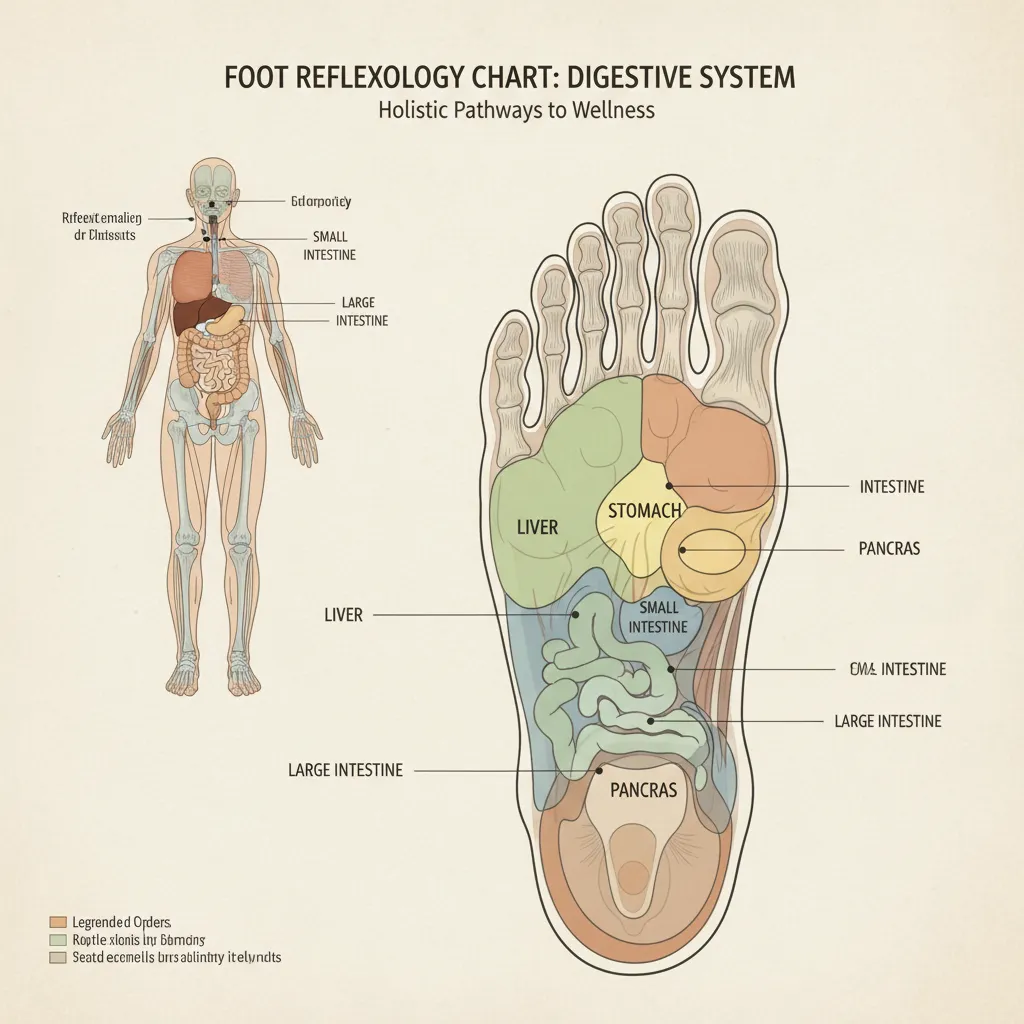
Key Reflex Points for Digestive Organs
Understanding the specific reflex points associated with the digestive system is fundamental to effective reflexology for gut health. A skilled practitioner in Auckland will focus on these areas to address imbalances and promote optimal function. The feet, in particular, offer a comprehensive map of the body’s internal systems, with distinct zones for each major digestive organ.
The Stomach and Pancreas Reflexes
Located on the ball of the foot, beneath the arch on the left foot (for the stomach) and slightly to the right of the stomach reflex on both feet (for the pancreas), these points are crucial for initial digestion and blood sugar regulation. Stimulating the stomach reflex can help with issues like indigestion, heartburn, and nausea, promoting better acid balance and enzyme secretion. The pancreas reflex aids in the production of insulin and digestive enzymes, vital for breaking down carbohydrates, fats, and proteins. Working these points can alleviate symptoms related to pancreatic insufficiency or imbalances in blood sugar, which often manifest as energy dips or cravings that impact overall digestive rhythm.
Liver and Gallbladder Connections
The liver reflex is primarily found on the right foot, occupying a significant area beneath the ball and arch. The gallbladder reflex is a smaller, more specific point within the liver area. These organs are vital for detoxification, fat metabolism, and bile production. Reflexology on these points can support the liver’s extensive functions, including processing nutrients, detoxifying harmful substances, and producing bile. Stimulation of the gallbladder reflex can assist in the efficient release of bile, essential for fat digestion and absorption, thereby easing discomfort associated with fatty food intake and supporting proper waste elimination. Improving liver function through reflexology can indirectly boost overall energy levels and reduce systemic toxic load, impacting everything from skin health to mental clarity.
Intestinal Pathways (Small and Large Intestine)
The reflexes for the small and large intestines span a large portion of both feet, mainly in the arch area. The small intestine reflex typically runs diagonally across the arch, while the large intestine (colon) reflex forms a perimeter around the arch, mirroring the colon’s path in the abdomen. These points are central to nutrient absorption and waste elimination. Gentle yet firm pressure on the small intestine reflex can aid in the absorption of nutrients and reduce inflammation. The large intestine reflex is crucial for addressing common issues like constipation, diarrhea, and Irritable Bowel Syndrome (IBS). By encouraging peristalsis and improving bowel regularity, reflexology helps to clear accumulated waste, reduce bloating, and support a healthier gut environment. Regular stimulation of these points can be profoundly beneficial for maintaining a balanced and efficient excretory system.
Adrenal Glands and Stress Response
While not directly digestive organs, the adrenal glands play a significant role in digestive health through their regulation of stress hormones. The adrenal gland reflexes are located near the base of the toes on both feet. When the body is under chronic stress, the adrenals release cortisol, which can divert blood flow away from the digestive system and impair digestive processes. Working on these reflex points helps to calm the adrenal response, reducing the physiological impact of stress on the gut. This can lead to improved digestion, reduced inflammation, and better nutrient assimilation, highlighting the profound mind-body connection in digestive wellness.
Addressing Common Digestive Issues Through Reflexology
Reflexology offers a non-invasive and often soothing approach to managing various common digestive complaints. By targeting specific reflex points and promoting overall systemic balance, it can help alleviate discomfort and improve the body’s natural functions. Many individuals in Auckland seek reflexology as a complementary therapy for persistent gut issues that haven’t fully responded to conventional treatments.
Relief for Indigestion and Heartburn
Indigestion, characterized by discomfort or burning in the upper abdomen, and heartburn, a burning sensation in the chest, are often symptoms of imbalanced stomach acid or impaired stomach motility. Reflexology sessions targeting the stomach, esophagus, and diaphragm reflexes can help relax the diaphragm, improve gastric emptying, and balance acid production. The relaxation induced by reflexology also plays a critical role, as stress often exacerbates these conditions. By calming the nervous system, reflexology encourages the digestive tract to function more smoothly, reducing the frequency and severity of these uncomfortable symptoms.
Managing Constipation and Diarrhea
Both constipation and diarrhea represent disruptions in bowel regularity and consistency, often stemming from issues in the large and small intestines. For constipation, reflexology focuses on stimulating the reflex points for the large intestine, particularly the ascending, transverse, and descending colon, and the rectum. This encourages peristalsis—the wave-like contractions that move food through the digestive tract—and promotes regular bowel movements. For diarrhea, the approach might involve calming inflamed intestinal reflexes and working on points related to stress reduction, as stress can often trigger episodes. The goal is to help the intestines regain a balanced rhythm and reduce irritation. Regular sessions can significantly improve bowel habits for many individuals.
Supporting Irritable Bowel Syndrome (IBS)
IBS is a complex condition characterized by abdominal pain, cramping, bloating, gas, and alternating bouts of diarrhea and constipation. Its exact cause is unknown, but stress, diet, and gut sensitivity are major contributing factors. Reflexology cannot cure IBS, but it can be highly effective in managing its symptoms. By working on all digestive reflexes, particularly the intestines, stomach, and adrenal glands (for stress), reflexology helps to calm the nervous system, reduce gut spasms, alleviate pain, and restore a sense of balance. The profound relaxation experienced during a session can decrease the heightened gut sensitivity often associated with IBS, making symptoms more manageable. Many IBS sufferers report reduced pain and improved bowel function after consistent reflexology treatments.
Alleviating Bloating and Gas
Bloating and excessive gas are common, uncomfortable symptoms often linked to poor digestion, food sensitivities, or an imbalanced gut microbiome. Reflexology can help by improving intestinal motility, thereby assisting in the expulsion of trapped gas. By stimulating the small and large intestine reflexes, the practice encourages a more efficient breakdown and movement of food, reducing fermentation and gas production. Additionally, addressing liver and gallbladder reflexes can improve bile flow, aiding in better fat digestion, which often contributes to bloating. The overall reduction in stress and promotion of digestive harmony contribute significantly to a flatter, more comfortable abdomen.

Promoting Gut Microbiome Balance with Reflexology
The gut microbiome, a vast ecosystem of bacteria, fungi, and other microorganisms residing in our intestines, plays an indispensable role in digestion, immune function, and even mental health. An imbalanced microbiome, known as dysbiosis, can contribute to numerous health issues, including digestive disorders. Reflexology, while not directly introducing beneficial bacteria, can foster an internal environment conducive to a healthy gut microbiome through its holistic effects on the body.
The Gut-Brain Axis Connection
A critical pathway connecting the gut and brain, the gut-brain axis, highlights how emotional and cognitive centers in the brain are linked with intestinal functions. Stress, anxiety, and depression can profoundly impact gut health, altering gut motility and the composition of the microbiome. Conversely, an unhealthy gut can send signals to the brain, influencing mood and cognition. Reflexology, by inducing deep relaxation and reducing stress, positively influences this axis. When the body is in a relaxed state, the vagus nerve (a key component of the gut-brain axis) is better able to transmit signals that promote optimal digestion and a balanced gut environment. This reduction in stress hormones creates a more hospitable habitat for beneficial gut bacteria to thrive, indirectly supporting microbiome diversity and function.
Reducing Stress to Benefit the Microbiome
Chronic stress is a known disruptor of the gut microbiome. It can decrease the diversity of beneficial bacteria, increase intestinal permeability (leaky gut), and contribute to inflammation. Reflexology sessions are inherently stress-reducing. By activating the parasympathetic nervous system, they lower cortisol levels and promote a state of calm. This physiological shift creates an environment where the gut can heal and rebalance itself. A less stressed body is better equipped to maintain a robust and diverse microbiome, which is essential for nutrient synthesis, vitamin production, and protection against pathogens. Regular reflexology can be a powerful tool in mitigating the damaging effects of modern-day stress on our delicate internal ecosystem.
Enhancing Detoxification Pathways
A healthy gut microbiome is also crucial for the body’s detoxification processes. When the liver and intestines are overwhelmed or not functioning optimally, toxins can build up, negatively impacting the microbiome and overall health. Reflexology on the liver, kidney, and intestinal reflexes can support these vital detoxification organs. By improving circulation to these areas, reflexology can enhance their efficiency in processing and eliminating waste products and toxins from the body. A cleaner internal environment allows beneficial gut bacteria to flourish without competition from harmful substances or an overloaded system, thus indirectly contributing to a more balanced and effective microbiome. This holistic approach ensures that the body’s natural cleansing mechanisms are working optimally, which is a cornerstone of gut health.
Dietary Considerations and Lifestyle for Optimal Digestive Health Alongside Reflexology
While reflexology offers significant benefits for digestive health, it functions best when integrated into a holistic wellness approach. Diet and lifestyle choices are foundational to gut balance and can greatly amplify the positive effects of reflexology. For anyone in Auckland seeking comprehensive digestive wellness, combining reflexology with mindful eating and healthy habits is key.
Hydration and Fiber Intake
Adequate hydration is critical for almost every bodily function, especially digestion. Water helps to soften stool, aiding in smooth bowel movements and preventing constipation. It also plays a role in breaking down food and absorbing nutrients. Aim for at least 8 glasses of water daily, more if you’re active. Similarly, dietary fiber is indispensable for a healthy digestive system. Found in fruits, vegetables, whole grains, and legumes, fiber adds bulk to stool, facilitating its passage through the intestines. Soluble fiber helps regulate blood sugar and cholesterol, while insoluble fiber acts like a broom, sweeping waste through the gut. Ensuring sufficient intake of both types of fiber supports a robust gut microbiome and regular bowel movements, complementing the work done in reflexology sessions to promote gut motility.
Probiotics and Prebiotics
To cultivate a thriving gut microbiome, incorporating probiotics and prebiotics into your diet is highly beneficial. Probiotics are live beneficial bacteria found in fermented foods like yogurt, kefir, sauerkraut, kimchi, and kombucha. They help replenish and diversify the gut flora, enhancing digestion and immune function. Prebiotics are non-digestible fibers that act as food for these beneficial bacteria, stimulating their growth and activity. Excellent sources of prebiotics include garlic, onions, leeks, asparagus, bananas, and oats. By nourishing your gut with these essential components, you create a stronger, more resilient digestive system that can better respond to the balancing effects of reflexology. Look for high-quality, diverse probiotic supplements if dietary intake is insufficient, but always prioritize whole food sources first. For more in-depth information on the gut microbiome, consult reputable scientific resources such as the National Library of Medicine’s extensive research on gut health.
Mindful Eating Practices
How we eat is almost as important as what we eat. Mindful eating involves paying attention to the process of eating—slowing down, chewing food thoroughly, savoring flavors, and listening to your body’s hunger and fullness cues. In our fast-paced Auckland lives, it’s easy to rush meals, leading to indigestion, bloating, and overeating. When you eat mindfully, your body is better prepared for digestion: salivary glands produce more enzymes, the stomach releases digestive acids efficiently, and the brain signals satiety appropriately. This practice reduces stress around meal times, a crucial factor in digestive health, and can significantly enhance nutrient absorption, making reflexology’s impact on digestive organ function even more effective.
The Role of Stress Management and Exercise
Stress is a primary disruptor of digestive health, impacting everything from gut motility to microbiome balance. Techniques such as meditation, deep breathing, yoga, and spending time in nature can significantly reduce stress levels, allowing the gut to operate optimally. Regular physical activity also plays a vital role. Exercise stimulates the muscles of the intestines, helping to move food through the digestive tract and reduce constipation. It also improves circulation to digestive organs and can positively influence the gut microbiome. A combination of stress management practices and consistent exercise, alongside a healthy diet and reflexology sessions, creates a powerful synergy for achieving and maintaining excellent digestive health. For local wellness advice, consulting resources like New Zealand’s Ministry of Health can provide valuable context and guidelines.
What to Expect from a Reflexology Session in Auckland for Digestion
If you’re considering reflexology for digestive issues in Auckland, knowing what to expect can help you feel more comfortable and prepared for your first session. The experience is typically deeply relaxing and can be profoundly beneficial when approached with an open mind and realistic expectations.
A typical reflexology session for digestive health will begin with a consultation. Your practitioner will discuss your medical history, current digestive concerns (e.g., bloating, constipation, IBS symptoms), dietary habits, lifestyle, and overall health goals. This initial conversation is crucial for the practitioner to tailor the session to your specific needs. You’ll then usually recline on a comfortable chair or massage table, fully clothed except for your shoes and socks. The practitioner will typically begin by cleansing your feet and performing some relaxation techniques, preparing them for the more targeted work.
During the session, the reflexologist will use various techniques, including thumb and finger walking, rotation, and kneading, to apply pressure to specific reflex points on your feet (and sometimes hands or ears). For digestive issues, they will focus on points corresponding to the stomach, liver, pancreas, small intestine, and large intestine, as well as the adrenal glands to address stress. You might feel areas of tenderness or sensitivity on certain points; this is often an indication of an imbalance in the corresponding body area. Communication with your practitioner is key—feel free to provide feedback on sensations you experience. Most clients find the session deeply relaxing, often drifting into a light sleep. A session typically lasts between 45 to 60 minutes.
After the session, it’s common to feel very relaxed, and some people experience a sense of lightness or improved energy. You might also notice increased urination or bowel activity as your body begins to detoxify and rebalance. It’s important to drink plenty of water to help flush out toxins and continue the cleansing process. The number of sessions required varies depending on the chronicity and severity of your digestive issues. Many practitioners recommend a series of weekly sessions initially, followed by maintenance treatments as needed. Integrating reflexology into your holistic wellness plan, alongside dietary changes and stress management, can lead to the most enduring and significant improvements in your digestive health and gut balance.
Conclusion
Digestive health is the cornerstone of overall well-being, and imbalances in the gut can profoundly impact every aspect of our lives. Reflexology offers a powerful, non-invasive complementary therapy for those seeking to improve their digestive function and achieve gut balance, particularly for residents of Auckland looking for natural wellness solutions. By working with the body’s innate healing capabilities, reflexology addresses common issues from indigestion to IBS, supports a healthy gut microbiome by reducing stress, and enhances the body’s natural detoxification pathways.
When combined with conscious dietary choices, adequate hydration, mindful eating, and effective stress management, reflexology can be an integral part of a comprehensive strategy for optimal digestive health. It’s not merely about treating symptoms but fostering an environment where the gut can thrive, promoting comfort, vitality, and resilience. For a truly holistic approach to digestive wellness in Auckland, exploring reflexology with a qualified practitioner offers a promising path towards a happier, healthier gut.
People Also Ask (FAQs)
How often should I get reflexology for digestive issues?
The frequency of reflexology sessions for digestive issues can vary depending on the severity and chronicity of your symptoms. Initially, weekly sessions for 4-6 weeks are often recommended to establish a baseline and encourage significant improvement. Once symptoms begin to subside, sessions may be spaced out to bi-weekly or monthly for maintenance and ongoing support. Your reflexologist will work with you to create a personalized treatment plan.
Is reflexology safe for all digestive conditions?
Reflexology is generally considered safe for most people and digestive conditions. However, it’s always important to inform your reflexologist of any underlying health conditions, medications you are taking, or if you are pregnant. For serious medical conditions, reflexology should be viewed as a complementary therapy alongside conventional medical care, not a replacement. Conditions like acute inflammation, deep vein thrombosis, or certain infections may require caution or temporary avoidance of reflexology.
Can reflexology help with Irritable Bowel Syndrome (IBS) in Auckland?
Yes, many individuals with Irritable Bowel Syndrome (IBS) in Auckland find relief from symptoms through reflexology. While it’s not a cure, reflexology can help manage IBS symptoms such as abdominal pain, bloating, constipation, and diarrhea by promoting relaxation, reducing stress (a major IBS trigger), and encouraging improved gut motility. Regular sessions can help calm the nervous system and foster a more balanced digestive rhythm.
How does reflexology improve gut microbiome balance?
Reflexology doesn’t directly introduce beneficial bacteria to your gut. Instead, it promotes gut microbiome balance indirectly by reducing stress and improving overall digestive function. Stress is a known disruptor of the gut microbiome; by lowering cortisol levels and inducing relaxation, reflexology creates a more favorable internal environment for beneficial bacteria to flourish. It also enhances circulation to digestive organs, aiding in their detoxification processes, which further supports a healthy gut ecosystem.
What other lifestyle changes should I combine with reflexology for digestion?
To maximize the benefits of reflexology for digestion, integrate it with a holistic lifestyle. Focus on a balanced diet rich in fiber, probiotics, and prebiotics. Ensure adequate hydration by drinking plenty of water. Practice mindful eating, chewing food thoroughly and eating slowly. Incorporate regular physical activity and stress management techniques like meditation or yoga. These complementary practices create a synergistic effect for optimal gut health.
Are there any side effects of reflexology for digestive health?
Reflexology is typically well-tolerated with few side effects. Some individuals may experience mild temporary reactions such as increased urination, bowel movements, fatigue, or heightened emotions as the body begins to detoxify and rebalance. These are usually short-lived and considered positive signs of the body’s healing process. It’s crucial to stay hydrated after a session to help facilitate these natural cleansing responses.