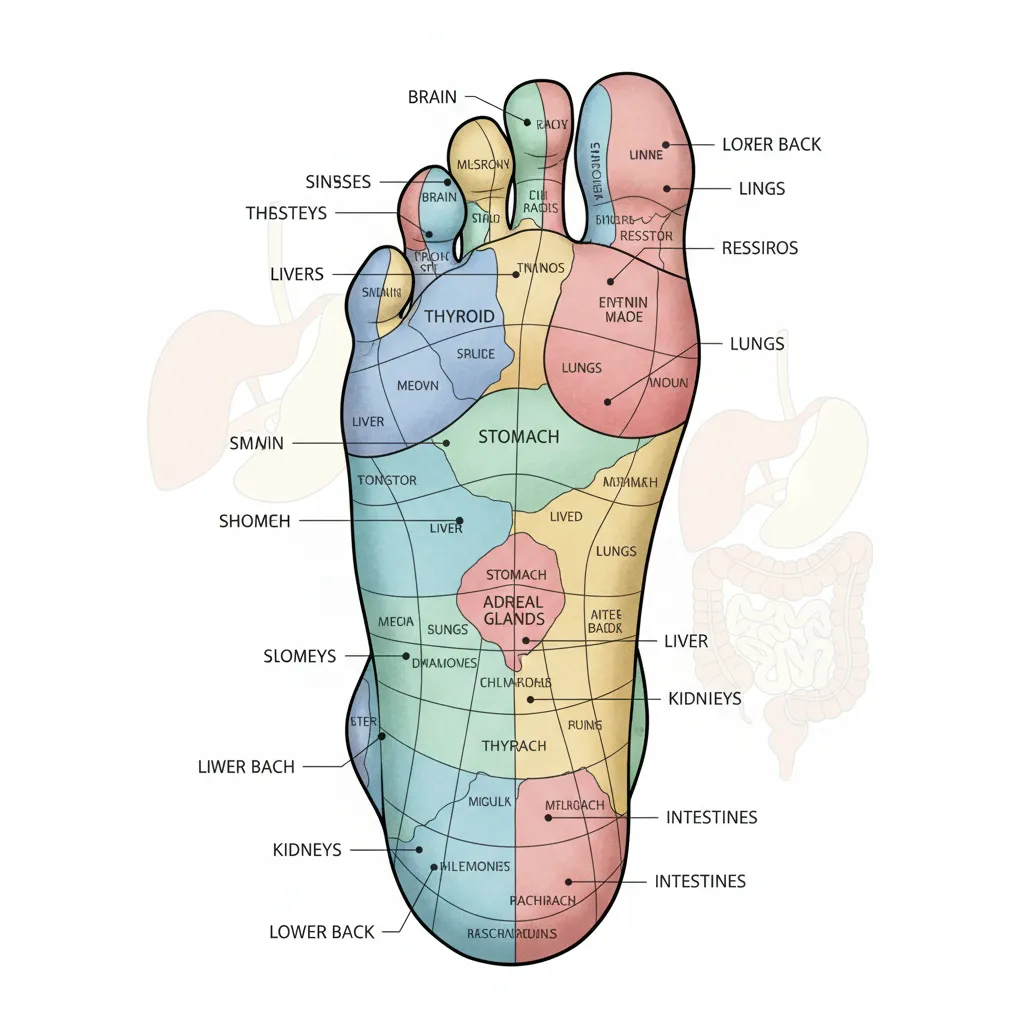
Reflexology points for constipation refer to specific areas on the feet, hands, and ears that correspond to digestive organs, particularly the colon. By applying pressure to these points, reflexology aims to stimulate nerve pathways, promote blood flow, and encourage the body’s natural healing processes to relieve symptoms like constipation and bloating.
Understanding Digestive Discomfort: Constipation and Bloating
Constipation and bloating are common digestive complaints that can significantly impact quality of life. Constipation is characterized by infrequent bowel movements, difficulty passing stool, or a sensation of incomplete evacuation. It often arises from a slow movement of stool through the colon, leading to hardened feces. Bloating, on the other hand, is the uncomfortable sensation of fullness and pressure in the abdomen, frequently accompanied by visible distension. While distinct, these two conditions often co-occur, with constipation being a common culprit for bloating due to accumulated waste and gas.
Understanding the root causes of these issues is crucial for effective management. Factors can range from dietary habits (low fiber, inadequate hydration), lack of physical activity, stress, certain medications, and underlying medical conditions. While conventional treatments often involve dietary adjustments, laxatives, or medication, many individuals seek complementary therapies like reflexology for a holistic approach to digestive wellness.
The Science and Philosophy of Reflexology for Digestive Health
Reflexology is an ancient healing art based on the principle that specific points on the feet, hands, and ears (known as reflex points) correspond to various organs, glands, and systems of the body. By applying pressure to these reflexes, practitioners aim to stimulate nerve endings, improve circulation, and restore the body’s natural balance, known as homeostasis. While the exact physiological mechanisms are still being researched, theories suggest that reflexology works through neural pathways, stimulating the central nervous system, and by promoting the release of endorphins and other natural pain-relieving chemicals. For a deeper dive into the science and philosophy of this practice, refer to Understanding Reflexology: A Comprehensive Guide.
In the context of digestive health, reflexology theory posits that stimulating the reflex points associated with the digestive tract—such as the stomach, small intestine, large intestine, and supporting organs like the liver and pancreas—can help to:
- Improve peristalsis, the wave-like muscular contractions that move food through the digestive system.
- Reduce muscle tension in the abdominal area.
- Enhance blood flow to the digestive organs, supporting their optimal function.
- Promote relaxation and reduce stress, a significant factor in many digestive issues.
- Facilitate the elimination of toxins and waste products.
From a holistic perspective, reflexology views the body as an interconnected system. Therefore, addressing digestive discomfort often involves working not only on direct digestive reflexes but also on points related to stress reduction (solar plexus), hormonal balance (adrenal glands), and overall energy flow, creating a comprehensive approach to well-being.
Key Reflexology Points for Constipation Relief
For individuals seeking natural relief from constipation and bloating, understanding and accurately locating key reflexology points is paramount. The primary focus lies on the reflexes corresponding to the large intestine, but other supportive points can significantly enhance the treatment’s effectiveness.
Tracing the Colon on the Foot
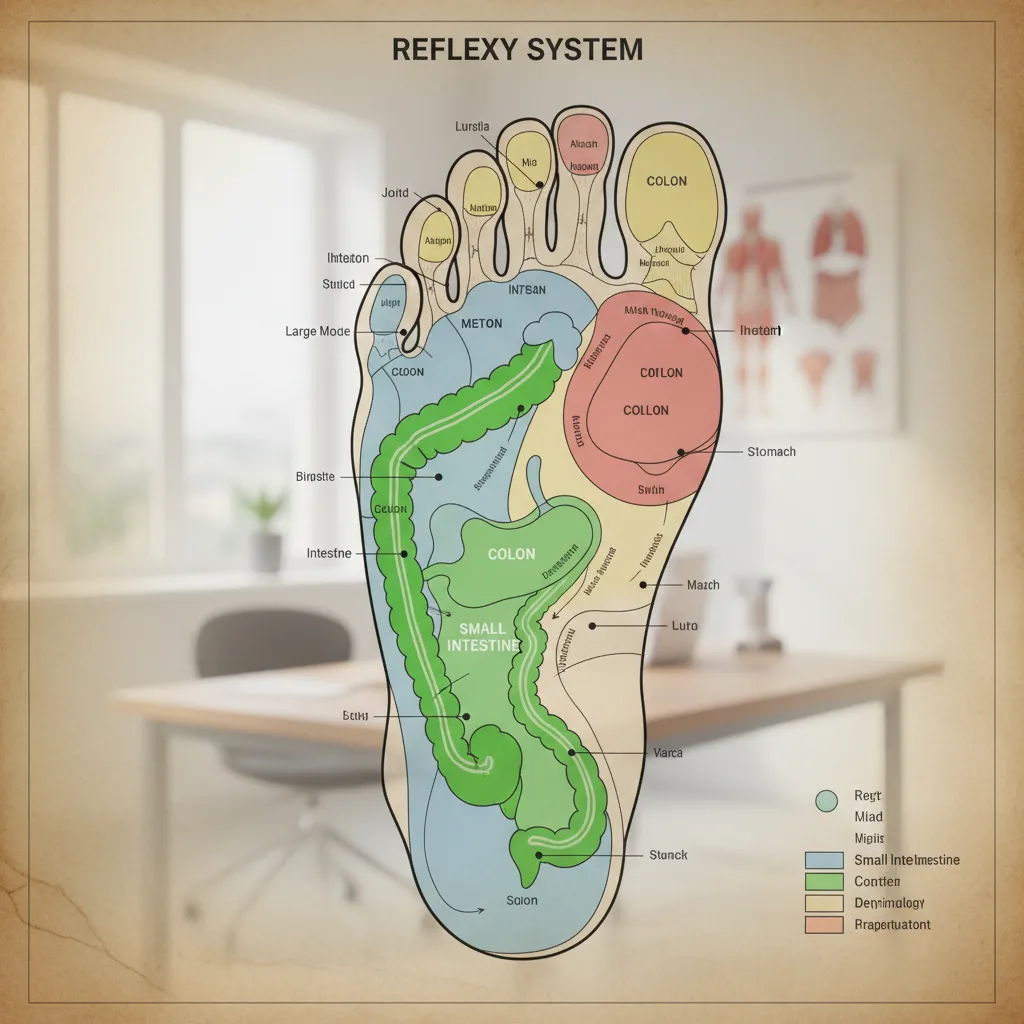
The large intestine, or colon, is represented on the sole of the left foot and the sole of the right foot. The reflex points for the colon follow its anatomical path through the abdomen:
- Ascending Colon: Located on the sole of the right foot, running vertically from the heel area up towards the ball of the foot.
- Transverse Colon: Spans horizontally across the soles of both feet, just below the ball. It starts on the right foot (continuing from the ascending colon) and extends across to the left foot.
- Descending Colon: Found on the sole of the left foot, running vertically downwards from the transverse colon area towards the heel.
- Sigmoid Colon and Rectum: Located on the sole of the left foot, specifically in the area just before the heel, at the very end of the descending colon line, curving slightly inwards.
By systematically working along this pathway, one can help stimulate the entire length of the large intestine, encouraging bowel regularity and relieving stagnation. Wikipedia provides a good overview of reflexology principles for further background.
Direction of Massage: Simulating Peristalsis
When applying pressure to the colon reflexes, it is crucial to mimic the natural direction of peristalsis, the muscular contractions that move waste through the intestines. This means:
- On the right foot, massage the ascending colon reflex upwards, from heel towards the ball of the foot.
- Massage the transverse colon reflex across both feet, from right to left.
- On the left foot, massage the descending colon reflex downwards, from the ball of the foot towards the heel.
- Finally, work the sigmoid colon and rectum reflex with gentle, circular motions.
Using a thumb or finger to apply consistent, moderate pressure in this specific direction helps to encourage the natural flow of fecal matter and alleviate blockages. This technique is more effective than random or undirected pressure.
Ileocecal Valve Stimulation
The ileocecal valve is a small muscular sphincter located at the junction of the small and large intestines. Its function is to prevent digested food from flowing back into the small intestine from the large intestine. When this valve becomes tight or dysfunctional, it can contribute to digestive issues, including constipation and bloating.
The reflex point for the ileocecal valve is typically found on the sole of the right foot, just above the middle of the arch, where the ascending colon begins. To stimulate this point, apply firm, sustained pressure with your thumb for about 30 seconds, then release. You can repeat this a few times. This can help to relax the valve, allowing for smoother transit of waste and potentially reducing gas build-up.
Other Supportive Reflex Points for Digestive Health
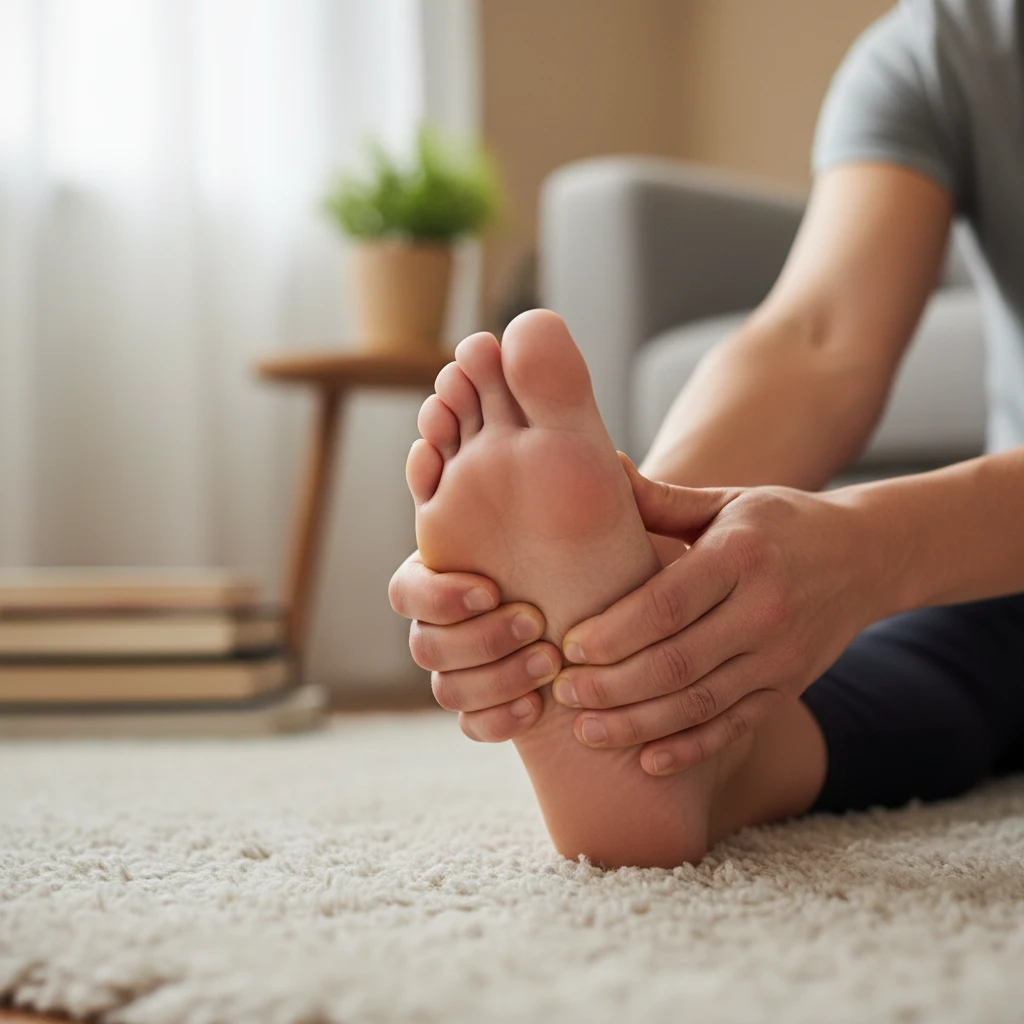
While the colon reflexes are primary, several other points can support overall digestive function and enhance relief from constipation and bloating:
- Small Intestine: Located on the soles of both feet, occupying the central area surrounded by the colon reflexes. Massaging these points helps with nutrient absorption and overall digestive efficiency.
- Stomach and Pancreas: Found on the soles of both feet, primarily beneath the ball of the foot, towards the inner edge. These points support digestion and enzyme production.
- Diaphragm/Solar Plexus: This crucial reflex is located just below the ball of the foot, in the center. The solar plexus is often considered the