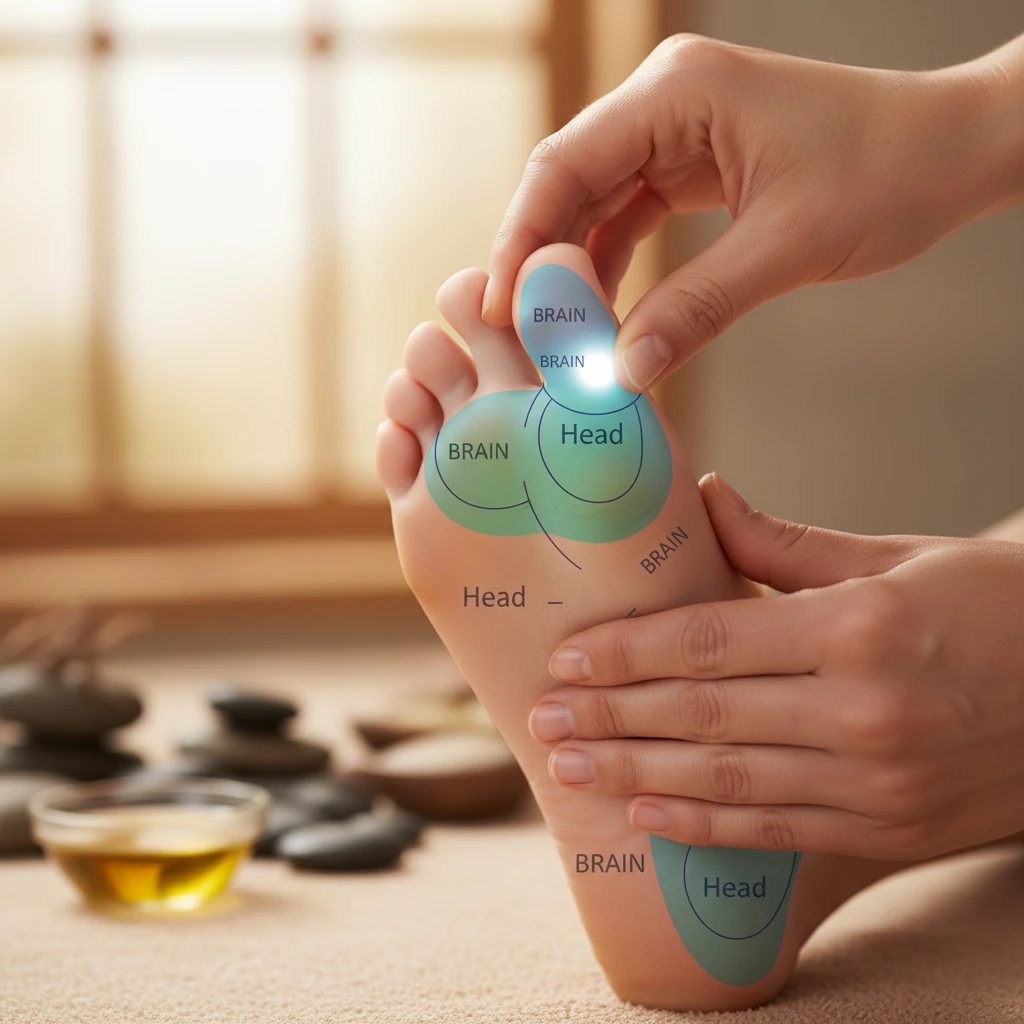
Reflexology for adrenal fatigue involves applying targeted pressure to specific reflex points on the feet, hands, or ears that correspond to the adrenal glands and other related body systems. This ancient practice aims to stimulate the body’s natural healing mechanisms, promote relaxation, balance cortisol levels, and support the adrenals in their vital function of stress response and energy regulation, contributing to overall recovery.
Understanding Adrenal Fatigue and Its Far-Reaching Impact
Adrenal fatigue, while not a recognized medical diagnosis by all conventional practitioners, describes a collection of non-specific symptoms such as fatigue, body aches, nervousness, sleep disturbances, and Acid Reflux and GERD Support. Proponents of the concept suggest it arises when the adrenal glands, small organs located above the kidneys responsible for producing hormones like cortisol, become overworked due due to chronic stress. In the demanding pace of modern life, the constant activation of the ‘fight or flight’ response can leave these glands struggling to keep up, leading to a cascade of physical and emotional symptoms that significantly diminish quality of life.
The Adrenal Glands and Their Critical Role
The adrenal glands are vital components of the endocrine system, playing a pivotal role in regulating metabolism, immune system function, blood pressure, and stress response. They produce essential hormones, including cortisol, adrenaline, and aldosterone. Cortisol, often dubbed the ‘stress hormone’, helps the body respond to stress, reduce inflammation, and regulate blood sugar. When the body is under constant pressure, whether from physical illness, emotional strain, or environmental toxins, the adrenals are perpetually tasked with producing higher levels of these hormones. Over time, this chronic demand is believed to diminish their capacity, leading to the symptoms associated with adrenal fatigue. Understanding their function is the first step towards supporting their recovery.
Recognizing the Symptoms of Adrenal Imbalance
Identifying adrenal imbalance often involves recognizing a pattern of persistent, unexplained symptoms. Common indicators include persistent fatigue not relieved by sleep, difficulty waking up in the morning, reliance on caffeine or stimulants to get through the day, increased cravings for salty or sweet foods, weakened immune response, brain fog, lightheadedness upon standing, and a general feeling of being ‘wired but tired’. Many individuals also report heightened anxiety, irritability, and decreased ability to cope with stress. These symptoms, while vague on their own, collectively point towards a system under duress, prompting a search for restorative and balancing therapies.

Unlocking Healing: Reflexology’s Approach to Adrenal Health
Understanding Reflexology: A Comprehensive Guide offers a non-invasive, complementary approach to supporting the body’s natural healing processes, including those related to adrenal function. This ancient Managing Chronic Pain with Reflexology: A Therapeutic Guide is based on the principle that specific points on the feet, hands, and ears, known as reflex points, correspond to organs, glands, and other body parts. By applying pressure to these reflex points, reflexologists aim to stimulate nerve endings, improve circulation, release blocked energy, and promote balance throughout the body. For adrenal fatigue, the focus is often on points corresponding to the adrenal glands themselves, as well as the kidneys, pituitary gland, and solar plexus, all of which play roles in stress response and hormonal balance.
Mapping the Adrenals: Key Reflex Points
In reflexology, the adrenal glands are typically represented by a specific reflex point located on the medial side of the foot, just above the arch, near the kidney reflex point. This area is often described as slightly below the ball of the foot, in the web between the first and second toes. Practitioners also pay attention to the kidney reflex points, located in the middle of the arch on the sole of the foot, and the bladder reflex points, found just below the kidney points. Stimulating these areas is believed to help detoxify the body and support the proper functioning of the entire urinary and endocrine system. Additionally, the solar plexus reflex, found in the center of the ball of the foot, is crucial for stress reduction and overall relaxation, directly impacting the adrenals’ ability to recover.
The Science Behind the Touch: How Reflexology May Influence Adrenal Function
While more research is needed to fully elucidate the physiological mechanisms, existing theories suggest several ways reflexology might influence adrenal function. One primary mechanism is through the nervous system. The application of pressure to reflex points may stimulate nerve pathways, sending signals to the brain that promote relaxation and activate the parasympathetic nervous system – the ‘rest and digest’ system. This counteracts the ‘fight or flight’ response, reducing the burden on the adrenals. Improved blood and lymphatic circulation, another proposed benefit, could enhance nutrient delivery to the adrenals and facilitate the removal of waste products. Furthermore, reflexology is known to reduce stress and anxiety, which are major contributors to adrenal overload. By fostering a state of deep relaxation, reflexology creates an optimal environment for the adrenals to heal and regain their balance. The intricate network of nerves and energy pathways (often referred to as ‘zones’ in reflexology) connecting the feet to various organs ensures that stimulating specific points can have a systemic impact, including on the delicate balance of endocrine glands. For a deeper understanding of reflexology’s general principles, consult authoritative sources such as Wikipedia’s entry on Reflexology.
Holistic Strategies for Adrenal Fatigue Recovery
Recovering from adrenal fatigue requires a multi-faceted, holistic approach that addresses physical, emotional, and environmental factors. Integrating reflexology into a broader wellness plan can significantly enhance recovery by providing targeted support to the adrenal glands while simultaneously promoting overall systemic balance. This comprehensive strategy typically involves dietary changes, stress management techniques, appropriate supplementation, and lifestyle adjustments, all working in synergy to restore the body’s natural equilibrium and support optimal adrenal function. Reflexology acts as a powerful catalyst within this framework, helping to calm the nervous system and optimize internal communication, paving the way for more effective healing.
Identifying Kidney and Adrenal Soreness through Reflexology
One of the unique benefits of reflexology is its diagnostic potential, albeit in a complementary sense. During a session, a skilled reflexologist may detect areas of tenderness, granulomas, or crystal deposits on the reflex points corresponding to the kidneys and adrenal glands. Increased soreness or sensitivity in these areas can indicate an imbalance or congestion within the respective organs. For instance, tenderness on the adrenal reflex point might suggest an overtaxed or depleted adrenal gland. This feedback allows the practitioner to tailor the session, focusing more deeply on these specific zones to encourage healing and release blockages. It also provides the individual with valuable insights into their body’s internal state, empowering them to make more informed choices about their health and recovery journey.
Boosting Energy Without Stimulants: The Reflexology Advantage
For those experiencing adrenal fatigue, the constant temptation to rely on caffeine and other stimulants to combat persistent exhaustion is strong. However, stimulants can further burden the adrenal glands and perpetuate the cycle of depletion. Reflexology offers a natural alternative for energy enhancement. By stimulating reflex points associated with energy production, circulation, and endocrine balance, reflexology can help the body naturally generate more vital energy. Sessions often leave individuals feeling deeply relaxed yet simultaneously invigorated and more grounded, without the subsequent crash associated with artificial stimulants. This gentle re-energizing effect is crucial for sustained recovery and for breaking the dependency on substances that can exacerbate adrenal stress.
Regulating Cortisol Levels Naturally
A key aspect of adrenal fatigue recovery is the regulation of cortisol levels, which are often dysregulated due to chronic stress. Reflexology contributes significantly to this by promoting deep relaxation and reducing the sympathetic nervous system’s activity. When the body enters a state of relaxation, the production of stress hormones like cortisol naturally diminishes, allowing the adrenal glands an opportunity to rest and reset. Regular reflexology sessions can help train the body to maintain a more balanced stress response over time, preventing the excessive cortisol spikes and troughs that contribute to adrenal dysfunction. This natural modulation of cortisol is fundamental for restoring hormonal equilibrium and improving overall resilience to stress.
Nutritional Support Integration and Lifestyle Adjustments
Reflexology is most effective when integrated with comprehensive nutritional support and beneficial lifestyle adjustments. A diet rich in whole, unprocessed foods, healthy fats, lean proteins, and plenty of fruits and vegetables provides the essential nutrients for adrenal health. Specific vitamins and minerals, such as Vitamin C, B complex vitamins, magnesium, and adaptogenic herbs, are often recommended to support adrenal function. Alongside diet, prioritizing adequate sleep, engaging in gentle exercise, practicing mindfulness or meditation, and minimizing exposure to environmental toxins are crucial. Reflexology can enhance the body’s ability to absorb nutrients and cope with lifestyle changes by reducing stress and improving internal organ function, creating a synergistic effect for optimal recovery. For more on dietary recommendations for adrenal health, consider consulting health resources like studies on nutrition and stress response.
Preparing for Your Reflexology Journey
Embarking on a reflexology journey for adrenal fatigue involves a few key considerations to ensure the most beneficial experience. Understanding what to expect during a session and how to choose a qualified practitioner are crucial steps. As with any complementary therapy, open communication with your healthcare provider is advised, especially if you have underlying health conditions or are taking medications. The goal is to create a supportive and healing environment where your body can respond optimally to the therapeutic touch, contributing positively to your adrenal recovery process and overall well-being.
What to Expect During a Session
A typical reflexology session usually lasts between 45 to 60 minutes. You will remain fully clothed, removing only your shoes and socks. The practitioner will typically begin with a warm-up, gently massaging and manipulating your feet, hands, or ears. They will then apply varying degrees of pressure using their thumb, fingers, and knuckles to specific reflex points. While some areas may feel tender, particularly those corresponding to imbalanced organs, the overall experience should be deeply relaxing and not painful. Many individuals report feeling a sense of calm and well-being during and after a session. It’s common to feel sleepy or experience mild detoxification symptoms (like increased urination) afterward, which are often considered positive signs of the body’s healing response.
Finding a Qualified Practitioner
Choosing a qualified and experienced reflexologist is paramount. Look for practitioners who have completed accredited training programs and are certified by recognized professional bodies in your region. Membership in associations such as the American Reflexology Certification Board (ARCB) or similar national organizations often signifies a commitment to professional standards and ongoing education. Don’t hesitate to ask about their experience, particularly with clients seeking support for stress-related conditions or adrenal issues. A good practitioner will conduct an initial consultation to understand your health history and specific concerns, tailoring the treatment plan to your individual needs. Personal referrals and online reviews can also be valuable resources in your search.
Conclusion: Embracing Holistic Healing for Adrenal Vitality
Recovering from adrenal fatigue is a journey that demands patience, commitment, and a holistic perspective. While reflexology is not a cure-all, it stands out as a potent complementary therapy that can significantly contribute to the healing process. By gently stimulating the body’s intrinsic healing capabilities, reducing stress, and promoting balance, reflexology offers a natural pathway to support overworked adrenal glands. Integrating this ancient practice with mindful nutritional choices, effective stress management, and appropriate lifestyle adjustments creates a powerful synergy for restoring adrenal vitality. Always remember to consult with healthcare professionals to ensure any holistic approach complements your overall health strategy, paving the way for renewed energy, improved well-being, and a more resilient you.
People Also Ask
What are the main causes of adrenal fatigue?
Adrenal fatigue is primarily attributed to chronic physical or emotional stress, leading to overworked adrenal glands. Other contributing factors can include poor diet, lack of sleep, chronic infections, inflammation, and exposure to environmental toxins.
How long does it take to recover from adrenal fatigue?
Recovery time for adrenal fatigue varies greatly depending on the severity of the condition, individual commitment to lifestyle changes, and consistency of therapeutic interventions. It can range from several months to a few years for a full recovery.
Can diet alone cure adrenal fatigue?
While a nutrient-dense diet is fundamental for supporting adrenal health and recovery, it is usually not sufficient on its own to ‘cure’ adrenal fatigue. A holistic approach that includes stress management, adequate sleep, and other complementary therapies like reflexology is often necessary for comprehensive healing.
Is reflexology painful for adrenal fatigue?
Reflexology is generally not painful, though some areas corresponding to imbalanced organs, like the adrenal glands, might feel tender or sensitive. A skilled practitioner will adjust pressure to your comfort level. Any tenderness is often seen as an indicator of an area needing attention.
What other holistic therapies complement reflexology for adrenal support?
Many holistic therapies complement reflexology for adrenal support, including acupuncture, chiropractic care, herbal medicine (adaptogens), meditation, yoga, breathing exercises, massage therapy, and hydrotherapy. Combining therapies often yields the best results for comprehensive healing.
How often should one receive reflexology for adrenal fatigue?
The frequency of reflexology sessions for adrenal fatigue depends on individual needs and the severity of symptoms. Initially, weekly sessions might be recommended to establish a baseline, gradually reducing to bi-weekly or monthly as improvements are observed. Your practitioner will advise on the optimal schedule.