Reflexology for chronic pain management is a therapeutic practice involving the application of targeted pressure to specific points on the feet, hands, and ears that correspond to different body organs. By stimulating these reflexes, the therapy triggers the release of endorphins, reduces systemic inflammation, and interrupts pain signals to provide sustainable, non-invasive relief.
Understanding Reflexology for Chronic Pain Management
Chronic pain is a pervasive condition that affects millions of individuals worldwide, often persisting long after an initial injury has healed. Unlike acute pain, which serves as a warning system, chronic pain involves a malfunction in the nervous system where pain signals continue firing for weeks, months, or even years. In the search for relief, many sufferers are turning toward holistic health solutions to complement traditional medical treatments. Among these, reflexology for chronic pain management has emerged as a powerful, non-pharmacological intervention.
Reflexology is far more than a simple foot massage. It is a calculated science based on the principle that there are reflexes in the feet and hands that correspond to every organ, gland, and part of the body. By applying specific thumb and finger techniques to these reflexes, a practitioner can stimulate the body’s natural healing processes. For those suffering from conditions such as fibromyalgia, arthritis, or chronic back pain, this modality offers a way to address the root cause of systemic imbalance rather than merely masking symptoms.
The Physiological Mechanisms of Pain Relief
To understand why reflexology is effective, we must look at the physiological responses it elicits within the body. The primary mechanism involves the modulation of the nervous system and the endocrine system.
The Role of Endorphin Release
One of the most immediate benefits of a reflexology session is the stimulation of endorphin production. Endorphins are the body’s natural painkillers—neurotransmitters that bind to opioid receptors in the brain to block the perception of pain. When a reflexologist applies pressure to the solar plexus reflex point or the pituitary gland reflex, it signals the brain to release these potent chemicals.
This natural chemical shift creates a sense of euphoria and relaxation, which is crucial for chronic pain sufferers who often exist in a state of heightened stress and anxiety. By elevating mood and dampening pain reception, reflexology provides a window of relief that allows the body to reset.
Nervous System Regulation
Chronic pain often keeps the body stuck in a sympathetic state—commonly known as “fight or flight.” In this state, muscles tense, heart rate increases, and the body prioritizes survival over healing. Reflexology shifts the body into the parasympathetic state, or “rest and digest” mode. According to the National Center for Complementary and Integrative Health (NCCIH), relaxation techniques that engage the parasympathetic nervous system are vital for long-term pain management strategies.
Breaking the Pain-Spasm Cycle
A major barrier to recovery in chronic pain conditions is the “pain-spasm-pain” cycle. This occurs when pain causes muscles to contract protectively (spasm). This contraction restricts blood flow (ischemia), leading to a buildup of metabolic waste products like lactic acid, which in turn causes more pain, leading to further spasms.
Interrupting the Loop
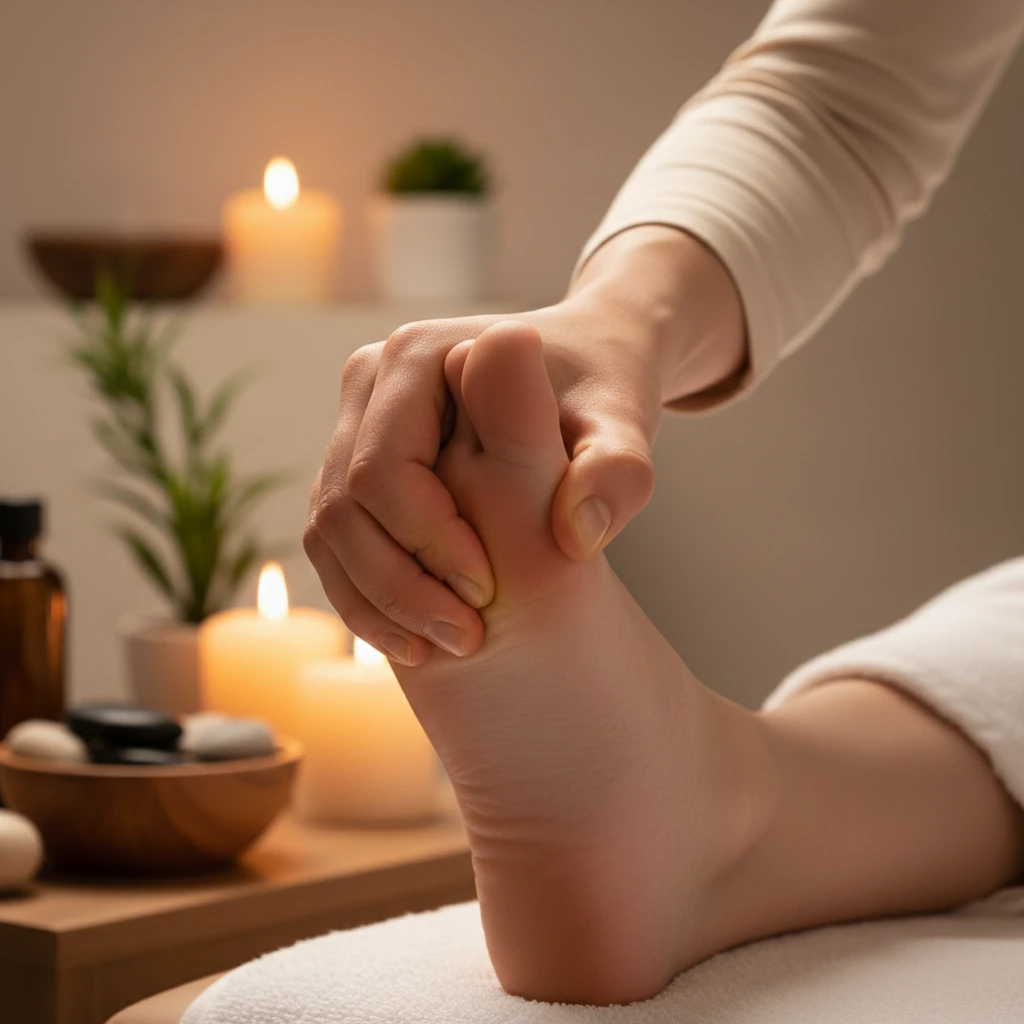
Reflexology effectively breaks this cycle through two avenues: mechanical and neurological. Mechanically, the manipulation of the feet increases peripheral circulation. Improved blood flow brings oxygen and nutrients to oxygen-starved tissues and flushes out metabolic waste. Neurologically, the sensory input from the feet overwhelms the pain signals traveling to the brain, a concept known as the “Gate Control Theory” of pain.
By inducing deep relaxation, the muscles release their protective guarding. Once the spasm releases, blood flow returns, and the cycle is broken. Regular sessions prevent the muscles from returning to that state of chronic tension, allowing for sustained mobility and comfort.
Targeted Reflex Zones for Common Conditions
A holistic chronic pain management plan using reflexology is not one-size-fits-all. A skilled practitioner will tailor the session to address specific reflex zones associated with the client’s diagnosis.
Back Pain and Sciatica
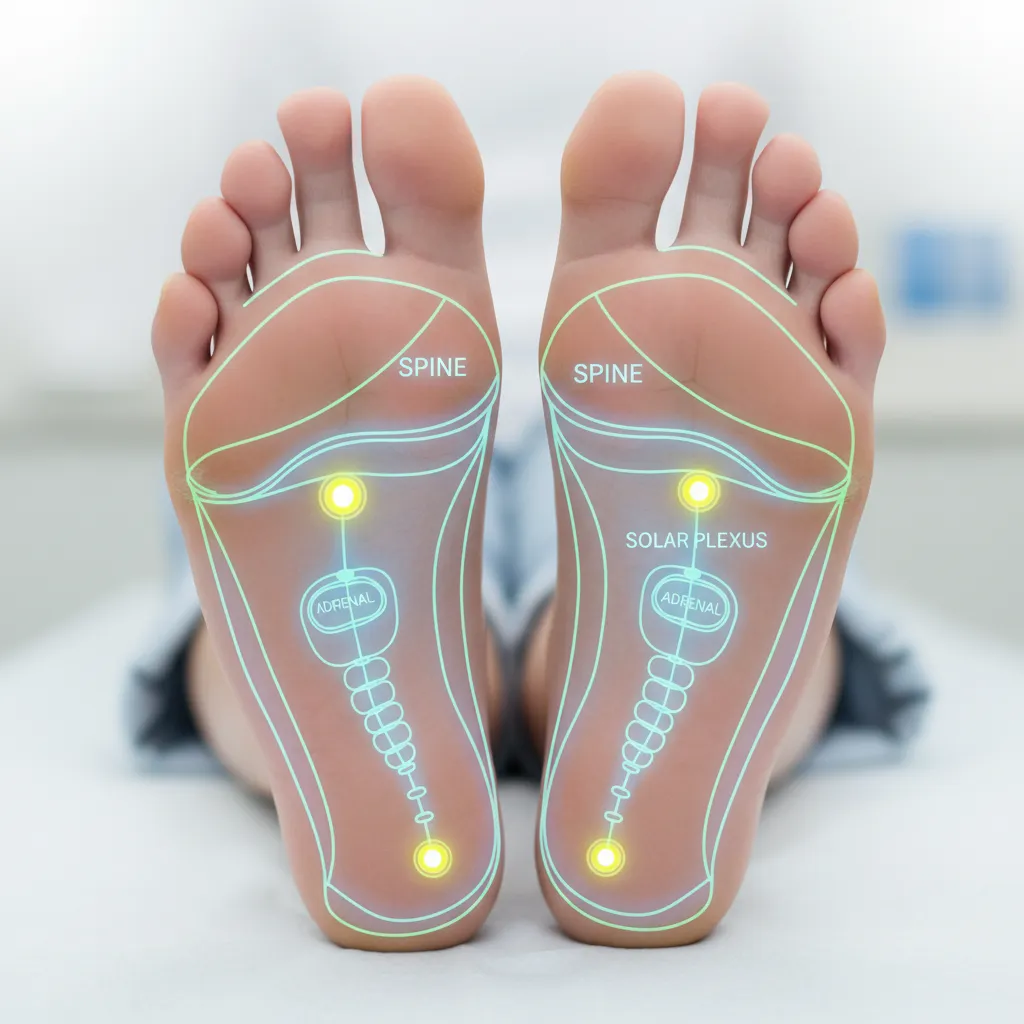
For back pain, the spinal reflex is the most critical area. This reflex runs along the medial aspect (inside edge) of the foot, from the heel to the big toe. Working this area mirrors working the spine itself. For sciatica, specific attention is paid to the sciatic nerve reflex, located across the heel. Gentle manipulation here can help reduce the inflammation of the sciatic nerve, offering relief from the shooting pains often associated with the condition.
Migraines and Tension Headaches
Chronic headaches are often linked to tension in the neck and shoulders. In reflexology, the toes represent the head and neck. Applying pressure to the base of the toes helps release tension in the cervical spine. Additionally, working the adrenal gland reflex can help regulate cortisol levels, addressing stress-induced migraines.
Arthritis and Joint Inflammation
Arthritis management focuses on the reflexes for the specific joints affected (e.g., knee, hip, or shoulder reflexes) as well as the adrenal glands to stimulate the production of natural anti-inflammatory hormones. By focusing on the lymphatic system reflexes, the practitioner also helps the body eliminate toxins that may contribute to joint swelling.
Integrating Reflexology with Medical Pain Management
It is essential to view reflexology as a complementary therapy rather than a replacement for necessary medical treatment. The most effective chronic pain management plans are integrative.
Complementary Care
Reflexology works exceptionally well alongside physical therapy, chiropractic care, and medication management. For instance, a patient undergoing physical therapy may find that reflexology loosens tight muscles beforehand, allowing for a more productive PT session. Similarly, for patients on pain medication, reflexology can sometimes help lower the required dosage over time by raising the body’s natural pain threshold, though any medication changes must be supervised by a physician.
Safety and Contraindications
While generally safe, reflexology does have contraindications. It requires caution in patients with deep vein thrombosis (DVT), severe cellulitis, or unstable fractures in the foot. Always consult with your primary care provider before starting a new bodywork regimen. Reputable organizations like the Reflexology Association of America emphasize the importance of certified practitioners who understand these medical nuances.
Real-World Results: Client Success Stories
The theoretical benefits of reflexology are best illustrated through the experiences of those who have found relief. Below are composite case studies based on typical clinical outcomes in holistic pain management.
Case Study: Fibromyalgia Relief
Client Profile: Sarah, 45, diagnosed with Fibromyalgia, suffering from widespread musculoskeletal pain and fatigue.
The Plan: Sarah began with weekly reflexology sessions focusing on the nervous system and endocrine reflexes to address adrenal fatigue. The practitioner utilized gentle techniques to avoid over-stimulating her sensitive nervous system.
The Outcome: After four sessions, Sarah reported a significant improvement in sleep quality. Better sleep led to a reduction in daytime pain sensitivity. By the eighth week, she experienced fewer “flare-up” days and was able to reintroduce light exercise into her routine, further aiding her recovery.
Case Study: Post-Surgical Recovery
Client Profile: Mark, 60, recovering from knee replacement surgery with lingering chronic pain and swelling.
The Plan: Reflexology was used to target the lymphatic reflexes to reduce edema (swelling) and the adrenal reflexes for inflammation. The knee reflex on the non-surgical leg was also worked (cross-reflex theory) to stimulate energy flow to the affected area without direct manipulation.
The Outcome: Mark noticed a reduction in swelling within 24 hours of his first session. Continued therapy helped manage the scar tissue formation and alleviated the compensatory back pain he had developed from walking with a limp.
Creating Your Holistic Chronic Pain Management Plan
To achieve results similar to the success stories above, consistency is key. A one-off session may provide temporary relaxation, but chronic pain requires a strategic approach.
Recommended Frequency
For established chronic pain, the standard protocol typically involves:
- Induction Phase: One session per week for 6 to 8 weeks. This builds cumulative benefits as the body learns to relax and regulate.
- Maintenance Phase: Once significant relief is achieved, sessions can be spaced out to bi-weekly or monthly to maintain balance.
Self-Care Techniques
Empowerment is a huge part of holistic health. Your practitioner should teach you simple hand reflexology techniques to use between sessions. Pressing the “He Gu” point (LI4) on the hand (the fleshy area between the thumb and index finger) is a well-known technique for general pain relief and headaches. Note: This point should not be used during pregnancy.
By combining professional treatments with self-care, hydration, and medical oversight, reflexology for chronic pain management becomes a cornerstone of a life reclaimed from pain.
Frequently Asked Questions
Can reflexology cure chronic pain completely?
Reflexology is not a cure but a management strategy. It helps reduce pain levels, improve circulation, and promote relaxation, which can significantly lower the intensity and frequency of chronic pain, improving overall quality of life.
How often should I get reflexology for chronic pain?
For chronic conditions, practitioners typically recommend a series of weekly sessions for 6 to 8 weeks to establish a baseline of relief, followed by maintenance sessions every 2 to 4 weeks.
Is reflexology painful for people with sensitive feet?
Reflexology should not be painful. While some tender points may be discovered, a skilled practitioner will adjust the pressure to your tolerance level. The goal is relaxation, not endurance.
Can reflexology replace my pain medication?
No, you should never stop medication without consulting your doctor. Reflexology is a complementary therapy that may help reduce the need for medication over time, but this must be managed by a healthcare professional.
What is the difference between reflexology and a foot massage?
Massage focuses on muscle relaxation and soft tissue manipulation. Reflexology focuses on stimulating specific pressure points (reflexes) that correspond to internal organs and systems to promote systemic healing.
Are there any side effects to reflexology?
Most clients feel relaxed, but some may experience a ‘healing crisis’ including mild fatigue, increased urination, or emotional release immediately following a session. These are temporary signs that the body is detoxifying.