- Gentle Massage: Opt for light, non-invasive massage techniques that don’t involve deep pressure or manipulation of the feet.
- Aromatherapy: This can provide relaxation and stress relief without physical manipulation o.
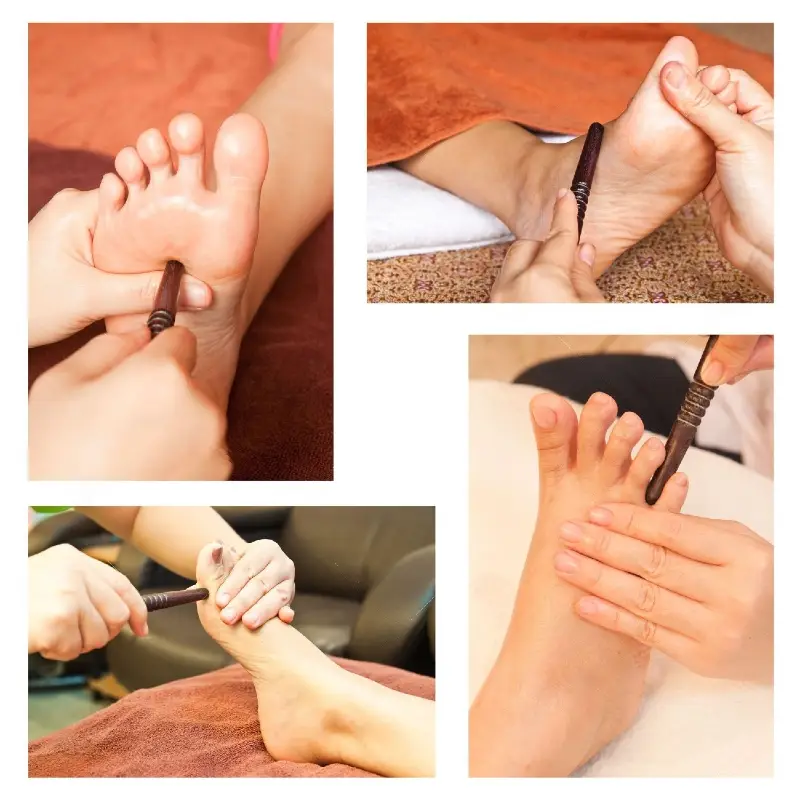
Foot reflexology, an ancient practice rooted in Chinese medicine, has captivated the interest of modern wellness enthusiasts. This therapy involves applying pressure to specific points on the feet, purportedly linking to various organs and body parts. But does foot reflexology really work? This guide delves into the scientific backing, practical benefits, and situational advisories of foot reflexology to offer a clear picture of its effectiveness.
Foot Reflexology Sections:
Efficacy of Foot Reflexology
Foot reflexology, based on the principle that certain areas of the feet are connected to organs and body parts, has been studied for its potential health benefits. This section explores scientific studies and anecdotal evidence to understand reflexology’s effectiveness.
Scientific Studies on Reflexology
- Study on Pain Relief: A randomized controlled trial published in the “Journal of Pain Symptom Management” found that reflexology could significantly reduce pain and psychological symptoms in cancer patients, compared to non-specific foot massage and standard medical care.
- Anxiety Reduction Research: A study in the “Complementary Therapies in Clinical Practice” journal showed that reflexology treatments could lower anxiety in patients undergoing cardiovascular procedures.
Skeptical Views
- Lack of Robust Evidence: Critics argue that many reflexology studies lack rigorous methodology, such as small sample sizes and lack of control groups. This skepticism points to the need for more comprehensive research to validate reflexology’s claims.
- Placebo Effect Consideration: Some health experts suggest that the benefits of reflexology may stem from the placebo effect, where the patient’s belief in the treatment’s efficacy could trigger health improvements.
Anecdotal Evidence and Expert Opinions
- Personal Testimonials: Numerous clients report relief from symptoms like headache, constipation, and sinus issues after reflexology sessions, although these accounts do not substitute for empirical evidence.
- Expert Endorsements: Some healthcare professionals endorse reflexology as a complementary therapy that can aid conventional treatments, highlighting its potential to boost overall well-being and stress reduction.
Comparative Studies
- Reflexology vs. Standard Massage: Comparative studies have investigated the specific benefits of reflexology over other forms of massage. For instance, a particular study noted that reflexology might be more effective in inducing relaxation and improving blood circulation than traditional massages that do not target reflex points.
While the scientific community continues to debate the full extent of foot reflexology’s benefits, both studies and personal experiences suggest it can be a valuable addition to holistic health practices. Further research, particularly large-scale and well-structured studies, is essential to fully understand and validate the effectiveness of foot reflexology.
Cost Analysis of Reflexology Sessions
The cost of a reflexology session can be influenced by various factors, making it range from moderately priced to premium depending on several key elements. This section provides a breakdown of these factors and compares the costs to other similar therapeutic services.
Factors Influencing Reflexology Prices
- Practitioner’s Expertise: Reflexologists with extensive training, certifications, and years of experience typically charge more for their services due to their higher skill level.
- Geographic Location: Costs can vary significantly by region. Urban areas and high-end spas in major cities often have higher prices compared to suburban or rural areas.
- Duration of the Session: Reflexology sessions typically last from 30 to 90 minutes. Longer sessions cost more due to the extended service time.
- Type of Reflexology Offered: Specialized forms of reflexology, such as those incorporating essential oils or advanced techniques, may command higher fees.
Typical Cost Range
- Basic 30-Minute Foot reflexology Session: Prices might start around $50 to $60 in less expensive regions or at less luxurious facilities.
- Standard 60-Minute Session: A typical one-hour session often ranges from $60 to $100, depending on the location and the practitioner’s qualifications.
- Extended and Specialized Sessions: Longer or more specialized sessions can exceed $100, particularly in upscale locations or for sessions that include additional treatments.
Comparison with Other Therapies
- Full-Body Massages: Traditional full-body massages can range in cost similarly, generally between $60 to $120 for a one-hour session. The choice between the two might come down to specific health needs or personal preferences for relaxation techniques.
- Other Specialized Wellness Treatments: Comparatively, other specialized treatments such as acupuncture or aromatherapy also fall within a similar price range, reinforcing reflexology as a competitively priced option in the wellness market.
Understanding the factors that affect the cost of reflexology can help clients make informed decisions when choosing their therapeutic services. By comparing these costs to other wellness treatments, clients can better appreciate the value foot reflexology provides in relation to its price point. For more detailed reflexology session cost check out our blog post on How Much Should A Reflexology Session Cost here >>
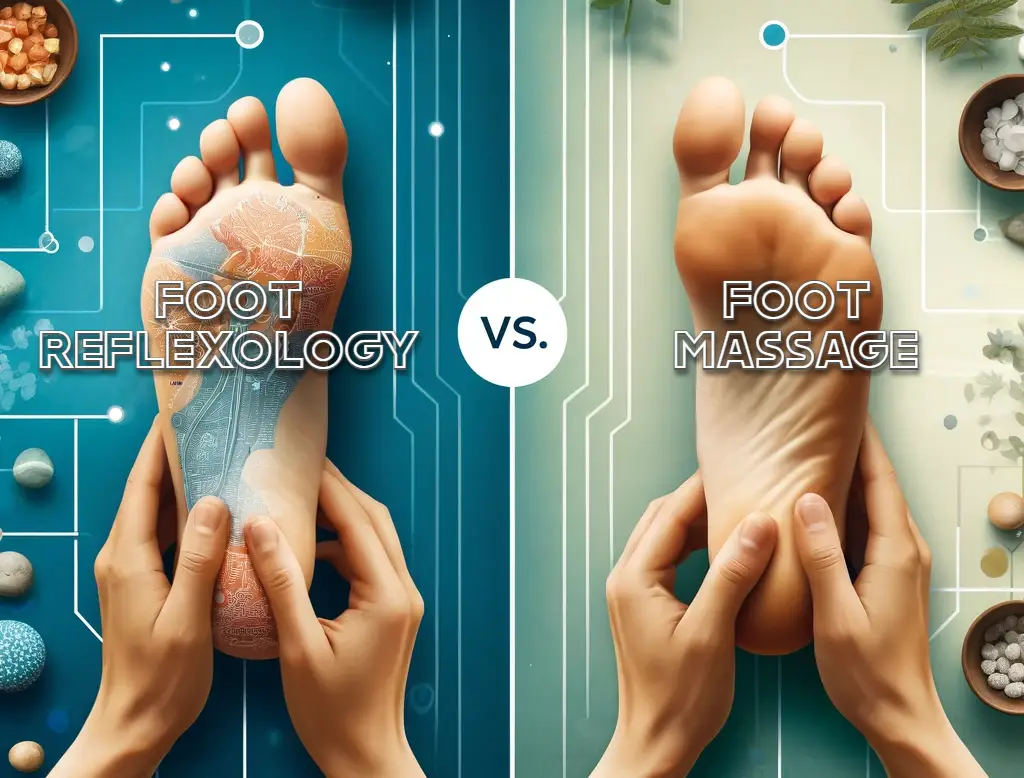
Reflexology Versus Massage
When it comes to relaxation and therapeutic treatments, both reflexology and traditional massage offer significant benefits. However, the choice between the two should be based on individual health needs, preferences, and the specific benefits each offers.
Overview of Reflexology and Massage
- Reflexology: Focuses on applying pressure to specific points on the feet, hands, or ears, which correspond to different body organs and systems. It is believed to stimulate internal healing processes and improve overall health.
- Massage: Targets muscle tension across the body through various techniques. It aims to relieve stress, improve circulation, and promote relaxation of the muscles.
Specific Health Benefits
- Reflexology Benefits:
- Enhanced Nerve Function: Regular reflexology can stimulate nerve endings, enhancing neural pathways and improving functionality.
- Boosted Energy Levels: By stimulating reflex points associated with various organs, reflexology is often used to invigorate the body and increase energy levels.
- Stress Reduction: Though less direct in physical manipulation than massage, reflexology helps in alleviating stress by promoting the balance of the body’s systems.
- Massage Benefits:
- Muscle Relaxation and Pain Relief: Massage is particularly effective in addressing specific muscular pains and tensions, providing direct relief through deep tissue manipulation.
- Improved Blood Circulation: The physical pressure from massage helps to enhance blood flow, which can speed up recovery from muscle soreness and injuries.
- Stress Relief and Mental Health: Like reflexology, massage is known to reduce stress levels; however, it often provides more immediate relaxation benefits due to its comprehensive physical engagement of the body.
Comparative Analysis
- Targeted vs. General Treatment: Reflexology is more targeted, focusing on specific points to indirectly affect various issues, whereas massage provides broader, more generalized health benefits that address the entire body.
- Treatment Sessions: Reflexology sessions are usually shorter and more specific, making them a good option for people with less time or those uncomfortable with full-body treatments. Massage sessions typically last longer and can provide a more thorough relaxation experience.
Choosing What’s Best For You
- Consider Your Health Goals: If your primary goal is to relieve muscle tension or recover from physical exertion, a traditional massage might be more beneficial. If you are looking into holistic improvement of organ function and stress reduction through a non-invasive method, reflexology could be the better choice.
- Personal Comfort: Some individuals prefer not to have full-body treatments, making reflexology a more comfortable alternative.
Both reflexology and massage offer valuable benefits, but they serve different purposes and cater to different needs. By understanding the specific advantages of each, you can better decide which treatment aligns best with your personal health objectives and lifestyle preferences.
Safety Guidelines and Contraindications for Reflexology
While reflexology can offer numerous health benefits, it’s important to recognize that it may not be suitable for everyone. Certain health conditions can make foot reflexology inadvisable, and knowing when to avoid this therapy is crucial for ensuring safety.
Key Health Conditions to Consider
- Foot Ulcers or Infections: Individuals with open sores, ulcers, or infections on their feet should avoid foot reflexology as it can exacerbate these conditions and potentially lead to further complications.
- Recent Injuries: If you’ve recently injured your foot or ankle, foot reflexology can interfere with the healing process. It’s important to allow these injuries to heal fully before undergoing any form of foot therapy.
- Heart Problems: People with certain cardiovascular conditions, especially those with issues related to fluid retention or thrombosis, should consult their doctor before trying reflexology. The stimulation of certain reflex points could potentially affect heart conditions.
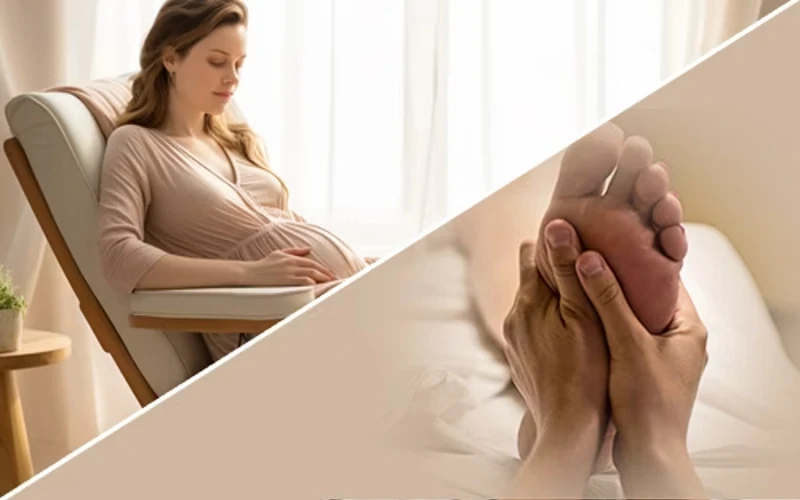
- Pregnancy: While reflexology is often sought for its potential to alleviate pregnancy-related discomforts, it should be approached with caution. Specific points on the foot are believed to induce labor, so pregnant women should always consult with a healthcare provider before beginning foot reflexology treatments.
General Precautions
- Consult a Healthcare Provider: Before starting any new therapy, especially if you have existing health conditions or concerns, consulting with a healthcare provider is advisable to ensure it is safe for you.
- Choose Qualified Practitioners: Ensure that your reflexologist is certified and has experience, especially in dealing with clients who have complex health conditions.
Alternatives to Reflexology
For those who are advised against reflexology, there are several safe alternatives that can offer similar benefits without the risks:
- Gentle Massage: Opt for light, non-invasive massage techniques that don’t involve deep pressure or manipulation of the feet.
- Aromatherapy: This can provide relaxation and stress relief without physical manipulation o.