
When embarking on your first reflexology session in Auckland, you can anticipate a deeply relaxing and therapeutic experience focused on your feet, hands, or ears. It involves gentle yet firm pressure to specific reflex points, aiming to promote balance, reduce stress, and support the body’s natural healing processes. This guide outlines every step, from consultation to aftercare.
Understanding Reflexology: A Brief Overview
Reflexology is an ancient holistic healing art with roots in various cultures, tracing back thousands of years to ancient Egypt and China. It operates on the principle that specific points on the feet, hands, and ears, known as reflex points, correspond to organs, glands, and systems throughout the entire body. By applying pressure to these reflex areas, a trained reflexologist aims to stimulate nerve endings, improve circulation, release blockages, and restore the body’s natural equilibrium. This non-invasive complementary therapy is widely recognized for its ability to induce deep relaxation, alleviate stress, and support overall well-being. It is not a diagnostic tool and does not claim to cure specific diseases but rather works to enhance the body’s inherent capacity for self-healing and balance. Many individuals in Auckland seek reflexology for stress reduction, pain management, improved sleep, and general vitality.
Preparing for Your First Reflexology Session in Auckland
Stepping into your first reflexology session in Auckland can feel exciting, and a little preparation can enhance your experience significantly. Understanding what to do beforehand ensures you arrive feeling calm and ready to fully embrace the therapeutic journey.
Choosing a Qualified Practitioner in Auckland
The foundation of a positive reflexology experience begins with selecting a qualified and reputable practitioner. In Auckland, many skilled reflexologists are available, often affiliated with professional organisations like Reflexology New Zealand. Look for practitioners who are certified, have positive client testimonials, and clearly communicate their approach. A good reflexologist will make you feel comfortable and confident in their expertise. Don’t hesitate to ask about their qualifications and experience during an initial inquiry.
What to Wear and Bring
Comfort is paramount. Wear loose, comfortable clothing that allows you to relax fully on a therapy bed or reclining chair. Your practitioner will primarily work on your feet, so easy-to-remove shoes and socks are ideal. You won’t need to bring anything specific, but some people find it helpful to bring a bottle of water for post-session hydration or a list of questions they might have for the therapist. Avoid heavy meals or excessive caffeine right before your appointment, as these can interfere with your body’s relaxation response.
Setting Your Intentions and Expectations
Before your session, take a moment to consider what you hope to achieve. Are you seeking stress relief, improved sleep, relief from specific discomfort, or simply a moment of relaxation? While reflexology is not a cure for medical conditions, having a clear intention can help you and your therapist focus on your specific needs. Maintain an open mind; everyone’s experience is unique. The more relaxed and receptive you are, the deeper the therapeutic benefits you are likely to experience.
The Initial Consultation and Health Assessment
Every professional reflexology session, particularly your first, begins with a thorough initial consultation. This crucial step allows your practitioner to gain a comprehensive understanding of your health, lifestyle, and specific needs, ensuring a safe and tailored treatment plan.
Unveiling Your Health History and Lifestyle
Your reflexologist will start by discussing your medical history. This includes any past or present medical conditions, surgeries, injuries, allergies, and medications you are currently taking. They will also inquire about your general lifestyle, including your diet, exercise habits, stress levels, sleep patterns, and any specific concerns you might have. This detailed information is vital because it helps the therapist identify contraindications or areas that require a modified approach. For instance, certain conditions like deep vein thrombosis or open wounds on the feet would necessitate caution or a different treatment focus. Being open and honest during this discussion ensures your safety and optimises the effectiveness of the session.
Discussing Your Specific Concerns and Goals
Beyond general health, you’ll have the opportunity to articulate why you’re seeking reflexology. Are you experiencing persistent headaches, digestive issues, anxiety, or simply seeking deep relaxation? Clearly communicating your primary concerns and what you hope to gain from the session allows the reflexologist to customise the treatment. They might explain how certain reflex points relate to your concerns and outline a potential approach. This collaborative discussion ensures your expectations are aligned with what reflexology can offer, fostering a sense of partnership in your wellness journey.
Ensuring Confidentiality and Trust
Rest assured that all information shared during your consultation is treated with the utmost confidentiality. Professional reflexologists adhere to strict ethical guidelines, safeguarding your personal and health details. This commitment to privacy helps build trust, allowing you to feel secure and comfortable in discussing sensitive health matters. A strong client-therapist relationship, built on trust and open communication, is fundamental to a beneficial therapeutic experience.
The Actual Treatment Process: What Happens on the Table
Once the consultation is complete, you’ll transition to the core of your first reflexology session in Auckland – the treatment itself. This is where the therapeutic touch begins, guiding your body towards a state of deep relaxation and balance.
Getting Comfortable: Preparation for Relaxation
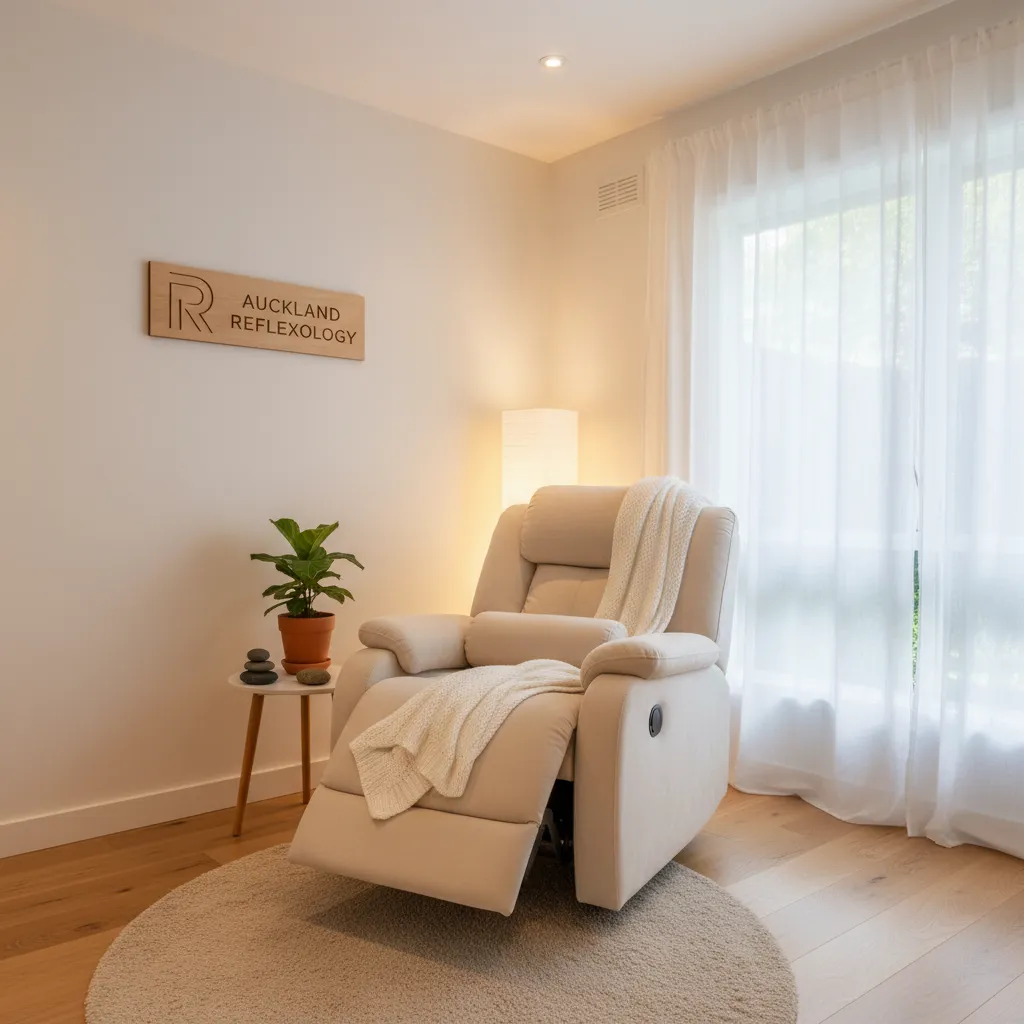
Your reflexologist will guide you to a comfortable reclining chair or therapy bed. You’ll typically be asked to remove your shoes and socks, and you may be offered a blanket for warmth and extra comfort. The practitioner will ensure you are in a position that allows for maximum relaxation. Soft lighting, calming music, or serene ambient sounds might be present to enhance the tranquil atmosphere. This preparatory phase is designed to help you unwind and let go of any external stressors before the physical work begins.
The Reflexology Techniques Unveiled
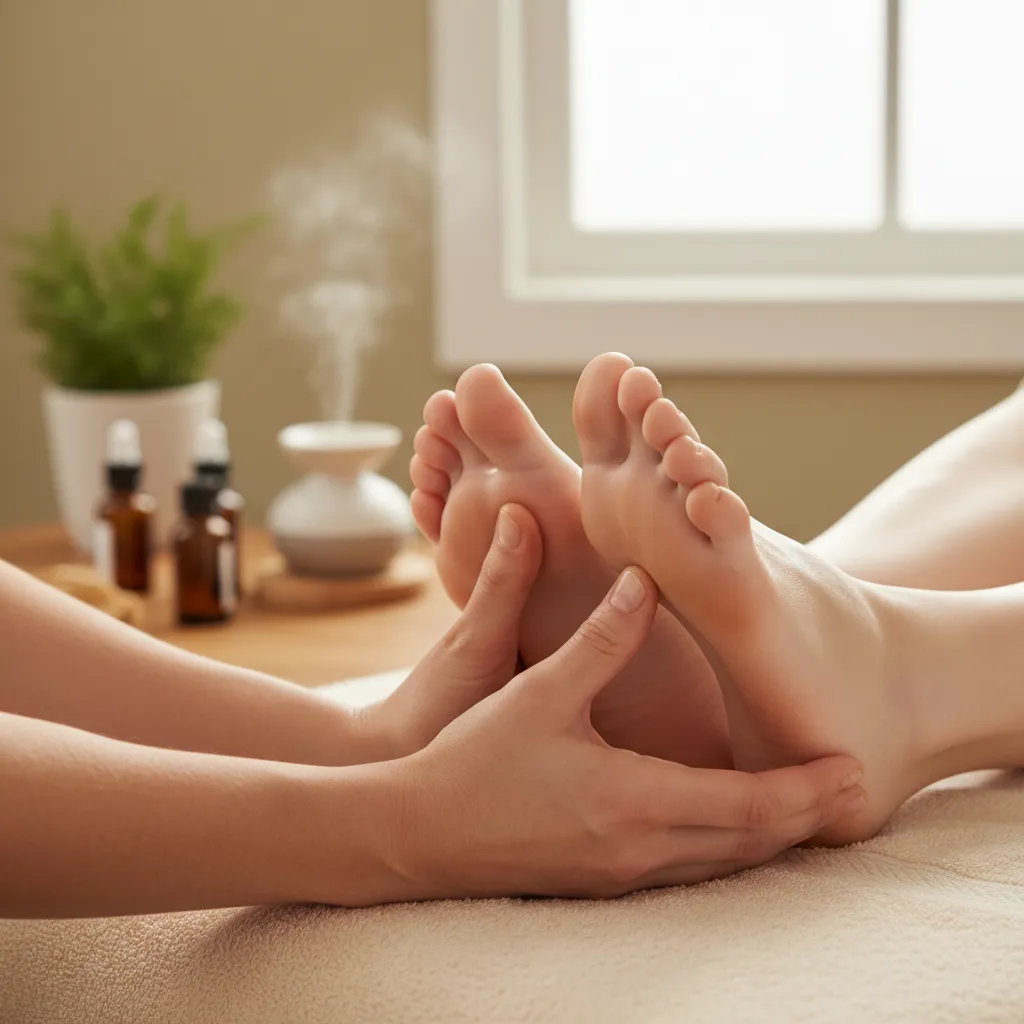
During the session, the reflexologist will use specific techniques, primarily involving their thumbs and fingers, to apply pressure to various reflex points. This is often described as a ‘thumb-walking’ or ‘finger-walking’ motion, where the digits move across the reflex areas in a precise, caterpillar-like movement. The pressure can range from gentle to firm, depending on the area being worked and your individual comfort level. The therapist will methodically cover all areas of the foot (or hand/ear), not just those corresponding to your expressed concerns, as reflexology aims for holistic balance. Lubricants like oil, lotion, or cream are often used to facilitate smooth movement and nourish the skin.
Focus on the Feet and Their Reflex Zones
While reflexology can be applied to hands and ears, foot reflexology is the most common form, especially for a first session. The feet are considered a comprehensive map of the entire body, with each part corresponding to a specific organ, gland, or body system. For instance, the toes might relate to the head and neck, the ball of the foot to the chest and lungs, and the arch to the digestive organs. The therapist will systematically work through these zones, observing for any areas of tenderness or sensitivity, which can sometimes indicate imbalances in the corresponding body parts. This systematic approach ensures a thorough and comprehensive treatment, promoting balance across your entire being. For more detailed information on reflexology principles, you can refer to authoritative sources like Wikipedia’s entry on Reflexology.
Duration and Flow of a Typical Session
A standard reflexology session typically lasts between 45 to 60 minutes, although initial consultations might extend the total time slightly. The therapist will work methodically, usually starting with one foot and then moving to the other, ensuring all reflex points are addressed. The flow is often rhythmic and consistent, designed to induce a meditative state. You might find yourself drifting into a light sleep, a common and very beneficial response to the deep relaxation being facilitated. The session is generally quiet, allowing you to fully immerse yourself in the experience, though your practitioner will check in with you periodically to ensure your comfort.
Sensations You Might Experience During Reflexology
Your first reflexology session in Auckland is a unique personal journey, and the sensations you encounter can vary greatly. Understanding what to expect can help you navigate the experience with curiosity rather than apprehension.
Common Physical Sensations: From Bliss to Tenderness
Many clients report feeling deeply relaxed, sometimes to the point of drifting off to sleep. You might experience a pleasant tingling, warmth, or a mild pulsing sensation in your feet or even in other parts of your body. Some areas might feel particularly sensitive or tender; this sensitivity often corresponds to an imbalance or congestion in the related body part. It’s not typically painful, but rather a dull ache or slight discomfort that quickly subsides. This tenderness is a valuable diagnostic signal for your reflexologist, indicating areas that may need more attention in future sessions. Conversely, some points might feel incredibly soothing and release tension almost instantly. Don’t be surprised if your stomach rumbles or you feel a desire to sigh or yawn; these are natural signs that your body is relaxing and beginning to process the treatment.
Emotional Responses and Releases
Beyond physical sensations, reflexology can sometimes trigger emotional releases. It’s not uncommon for individuals to feel a surge of emotions, ranging from unexpected joy or lightness to a momentary feeling of sadness or frustration. This is a natural part of the healing process, as reflexology can help to release stored emotional tension and promote emotional clarity. If you experience such feelings, simply acknowledge them without judgment. Your therapist is a trained professional and can provide a safe and supportive space for these experiences. Remember that reflexology aims to balance the whole person, including emotional well-being.
The Importance of Communication with Your Therapist
Throughout your session, open communication with your reflexologist is key. If a particular point feels too sensitive or the pressure is uncomfortable, you must speak up. A skilled practitioner will adjust their technique to ensure your comfort while still providing an effective treatment. Similarly, if you notice any particularly pleasant sensations or have questions about what they are working on, feel free to ask (though many prefer to simply relax and enjoy the silence). Your feedback helps the therapist tailor the session to your needs and ensures a positive, productive experience. Establishing this dialogue early creates a foundation for future beneficial sessions.
Post-Session Advice and Aftercare
The benefits of reflexology don’t end when you step off the therapy bed. The hours and days following your session are crucial for allowing your body to integrate the treatment and maximise its effects. Proper aftercare is essential for extending the therapeutic benefits.
Immediate Effects and Detoxification
Immediately after a reflexology session, many people report feeling profoundly relaxed, calm, and often a little light-headed or ‘spaced out’. This is a normal response to deep relaxation. Some individuals might experience signs of detoxification, such as increased urination, a runny nose, or mild fatigue. These are positive indicators that your body is clearing toxins and rebalancing itself. Other common immediate effects include improved sleep quality, increased energy, and a general sense of well-being. It’s also possible to feel a temporary exacerbation of symptoms before improvement; this is known as a ‘healing crisis’ and usually passes quickly.
Hydration and Rest: The Cornerstones of Recovery
One of the most important pieces of aftercare advice is to drink plenty of water. Reflexology stimulates the circulatory and lymphatic systems, aiding in the removal of waste products. Hydration helps flush these toxins from your body, preventing potential headaches or sluggishness. Aim for several glasses of water in the hours following your session. Equally important is allowing yourself adequate rest. Avoid strenuous activities, heavy meals, or excessive alcohol immediately after your session. Give your body the time and space it needs to process the treatment and integrate its benefits. Consider taking a relaxing bath or engaging in a quiet activity.
Observing Changes and Long-Term Benefits
Pay attention to any changes you notice in your body or mood in the days following your session. This might include improved sleep, better digestion, reduced pain, increased energy, or a more positive outlook. Keeping a simple journal of your observations can be beneficial, especially if you plan for multiple sessions. While a single session can provide significant relaxation, the full benefits of reflexology are often cumulative. Regular sessions can help address chronic issues, maintain balance, and provide sustained support for your overall health. Discuss these observations with your reflexologist during your next appointment, as it helps them tailor future treatments.
Planning Future Sessions for Sustained Well-being
Your reflexologist will likely recommend a series of follow-up sessions, especially if you are addressing a specific concern. The frequency of these sessions will depend on your individual needs and the practitioner’s assessment. Some people benefit from weekly sessions initially, gradually spacing them out to bi-weekly or monthly for maintenance. Others prefer to book a session whenever they feel the need for relaxation or a rebalance. Consider reflexology not just as a one-off treatment but as a valuable component of your ongoing self-care routine, especially in the vibrant and often busy environment of Auckland. Maintaining overall well-being is a continuous journey, and complementary therapies like reflexology can play a significant role.

Conclusion: Embracing Your Reflexology Journey in Auckland
Your first reflexology session in Auckland is an invitation to explore a profound path to relaxation and holistic well-being. From the initial consultation that delves into your unique health landscape to the skilled application of pressure on your reflex points, each step is designed to foster balance and encourage your body’s innate healing capabilities. By understanding what to expect – the comfortable setting, the systematic treatment, the varied sensations, and the importance of aftercare – you empower yourself to fully embrace and maximise the benefits of this ancient therapy. Whether you seek relief from stress, a boost in vitality, or simply a moment of serene escape, reflexology offers a gentle yet powerful avenue for rejuvenation. Allow yourself the gift of this therapeutic experience, and discover how it can enhance your health journey in beautiful Auckland.